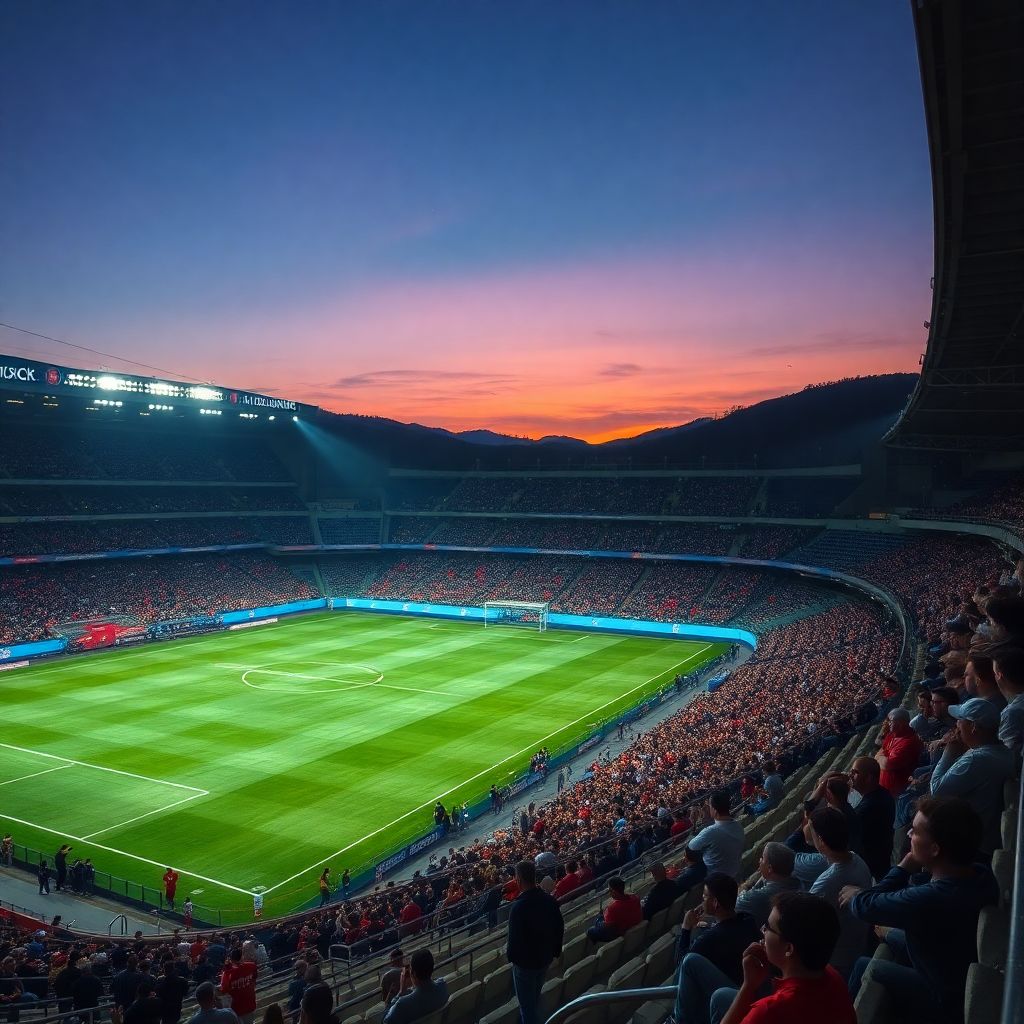
Underrated stadiums in Turkey and Europe are grounds with strong atmosphere, history, or design that sit outside the usual tourist list. They offer intense, affordable matchdays, easier access, and closer contact with local fans. For travellers on limited budgets, these venues often mean cheaper tickets, shorter queues, and more authentic football culture.
Why These Venues Matter Beyond Capacity
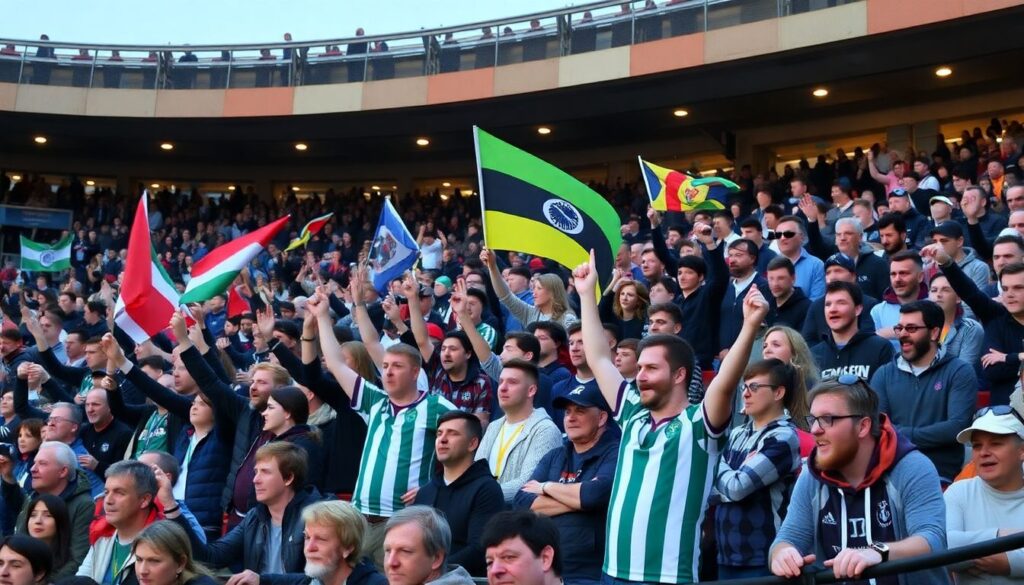
- They deliver loud, intimate atmospheres without the tourist premium of global mega-arenas.
- They often mean cheap tickets for football matches in Turkey and across Europe, ideal for budget-conscious fans.
- They reveal local football cultures that big-brand stadiums can easily smooth over or commercialise.
- They are easier to access on short trips, especially when combining several football stadium tours Europe in one journey.
- They reward curious travellers with unique architecture, views, and matchday rituals most visitors never see.
- They fit well into low-cost itineraries and flexible football travel packages Europe stadiums enthusiasts love.
Hidden Gems in Turkey: Intimate Grounds with Big Atmospheres
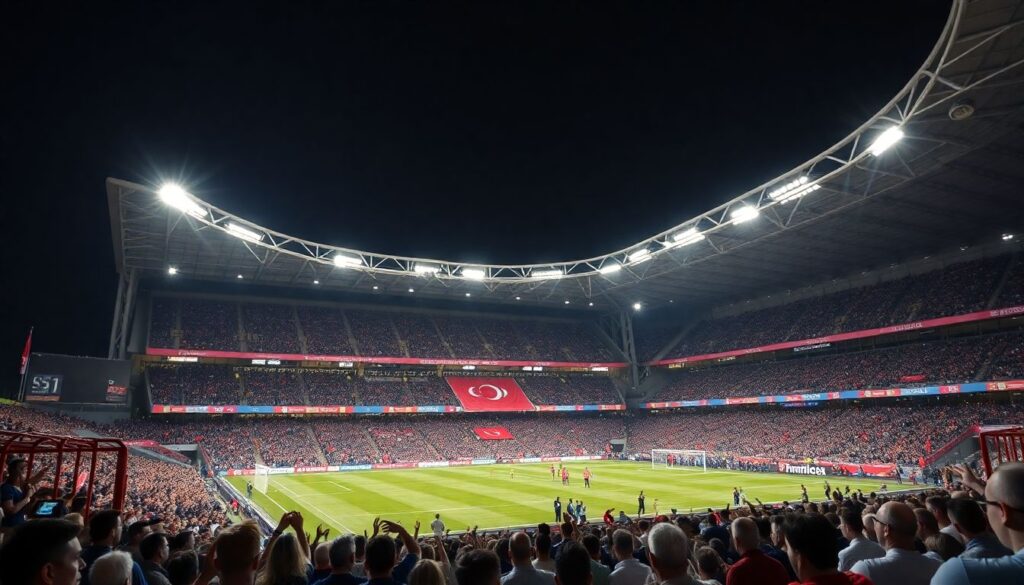
In the Turkish context, underrated stadiums are usually modern or renovated grounds outside Istanbul’s global spotlight that still deliver fierce atmospheres and deep local identity. They are not the obvious answers when people search for the best football stadiums to visit in Turkey, yet they stay in your memory long after the trip.
A key characteristic is scale: these venues are rarely the absolute largest, but their medium capacity, steep stands, and compact footprints amplify noise. Think of coastal grounds or stadiums framed by mountains, where geography adds drama. Another factor is supporter culture: organised fan groups, strong club-city connection, and local rituals before and after games.
Typical Turkish examples include Trabzonspor’s Papara Park on the Black Sea, where the bowl-shaped design and passionate supporters create a pressure-cooker feel. In Izmir, Gürsel Aksel Stadium offers a modern, urban experience, with tight sightlines and fans almost on top of the pitch. Eskişehir’s Yeni Atatürk Stadium combines a football-first layout with a fanbase that treats each match as a civic event.
For travellers on limited resources, these grounds are attractive because tickets and travel costs are usually lower than Istanbul derbies, while atmosphere remains intense. Overnight buses or low-cost flights from Istanbul make regional trips feasible, and matchdays are rarely sold out far in advance, giving more flexibility to spontaneous planners.
Underrated European Classics: Historic Stadia Off the Tourist Trail
Across Europe, underrated football stadiums to visit tend to be historic club homes in mid-sized cities. They are easy to weave into multi-country football stadium tours Europe without needing months of planning or expensive hospitality packages.
- Deep local roots: Grounds like Stade Geoffroy-Guichard in Saint-Étienne or Stadio Luigi Ferraris in Genoa are woven into the city’s identity; matchdays feel like neighbourhood festivals, not corporate events.
- Traditional architecture: Many feature classic stands, tight terraces, and distinct corners instead of uniform, bowl-style mega-arenas, which strengthens atmosphere.
- Balanced modernisation: Upgrades add comfort and safety while retaining character-think Reale Arena in San Sebastián or Celtic Park in Glasgow.
- Accessible ticketing: Domestic league games usually offer walk-up or late-purchase options, especially outside title deciders or derbies.
- Budget-friendly locations: Cities like Zagreb, Bilbao, or Prague often have cheaper accommodation and food compared with Western capitals.
- Transport integration: Many older grounds sit close to city centres, reachable by tram, metro, or a short walk, reducing taxi or rideshare costs.
- Authentic away ends: Vocal away support in compact stands can transform the matchday feel, especially in European competition nights.
Mini-scenario 1: You base yourself in Milan, but instead of only visiting San Siro, you take a low-cost train to Genoa for a night game at Ferraris. Ticket prices are lower, the port-city setting is memorable, and you feel embedded in local life rather than on a tourist conveyor belt.
Mini-scenario 2: On a budget trip through Central Europe, you combine Prague’s Letná Stadium with Bratislava or Vienna matches. By targeting regular league fixtures and midweek dates, you avoid inflated prices and long sell-outs, maximising the number of live games per euro spent.
Architectural and Acoustic Features That Define the Experience
Underrated stadiums are often defined by how they sound and feel rather than by capacity. Architectural choices-roof shape, stand angle, distance to the pitch-shape the acoustic signature and visual drama supporters create.
1. Steep, close stands
Steeper terraces and minimal running tracks keep fans close. In Turkey, many newer provincial stadiums, like Trabzon’s Papara Park, push seats right to the touchline. In Europe, grounds such as Celtic Park or Dortmund’s Signal Iduna Park (famous but still relatively affordable in certain areas) use steep stands to trap noise and intimidate visitors.
2. Continuous roofs and enclosed bowls
Full or near-full roofs bounce chants back towards the pitch. Even smaller stadiums in Anatolia or the Aegean coast gain “big game” acoustics thanks to complete roofing. In Spain’s Reale Arena, the recent redevelopment enclosed gaps, turning old echoes into a cohesive wall of sound.
3. Asymmetry and quirky corners
Uneven stands, old-style floodlights, or open corners might look imperfect but often create charm and unique visual identities. Stadio Luigi Ferraris, with its tower structures and tight corners, is instantly recognisable on TV and in person.
4. Urban context and skyline views
Some underrated football stadiums in Europe to visit stand out because of what you see beyond the stands: hillsides in the Basque Country, harbour cranes in Genoa, or dense Istanbul neighbourhoods around older Turkish grounds. This turns even a low-profile league game into a travel moment worth photographing.
5. Multi-use legacies
Older municipal stadiums sometimes keep an athletics track or unusual angles. While this can dilute intimacy, it also reveals a city’s sporting history. The key is how active supporter ends and club-specific decoration reclaim these spaces on matchday.
When you evaluate stadium architecture on a budget trip, focus less on size and more on how design shapes the experience: Where does the noise bounce? How close are you to choreographies and tifos? Can you easily move around concourses to capture different angles and photos without needing premium seats?
Matchday Logistics: Getting There, Getting In, and Seating Smart
Logistics often decide whether an underrated stadium experience is magical or stressful, especially when you are stretching a limited budget. Planning how to reach the ground, buy access, and choose a stand can save money and avoid disappointment.
Advantages of Lesser-Known Grounds for Travellers
- More available tickets: Regular league games rarely sell out weeks in advance, so you can adjust plans around weather or other sightseeing.
- Lower entry prices: Outside the biggest derbies, you often find cheap tickets for football matches in Turkey and many European leagues.
- Simpler security checks: Smaller crowds usually mean faster entry and less queuing, helpful when juggling multiple matches in one day.
- Shorter travel times: Many grounds are reachable by tram, metro, or a short walk, reducing taxi and rideshare costs.
- Flexible seating choices: More open blocks make it easier to pick the right balance of atmosphere and comfort, even close to kick-off.
Limitations and Practical Risks to Consider
- Variable information in English: Club websites and social channels may not always update ticketing or access rules clearly.
- Cash vs. card issues: Smaller vendors around the ground might prefer cash, and sometimes e-ticket systems can be inconsistent.
- Last-minute schedule changes: Kick-off times in Turkey and some European leagues can move for TV, affecting travel connections.
- Restricted away sectors: For safety reasons, away ends may require membership or local ID, limiting spontaneous purchases.
- Limited services on public transport late at night: In regional cities, trams or buses may stop early, forcing you into taxis.
Practical tip: when using football travel packages Europe stadiums operators, clarify exactly which stand and block you will sit in. If you self-organise, aim for home curva or singing sections only if you are comfortable being fully involved; otherwise choose side stands adjacent to noisy areas for the best mix of view and atmosphere.
Local Culture and Rituals: What Makes Each Ground Unique
Every underrated stadium carries local customs that shape how you should behave, chant, and even dress. Understanding typical mistakes and myths helps you blend in respectfully without losing spontaneity.
- Mistake: Treating all Turkish crowds as identical. Reality: Atmospheres vary widely between cities and clubs. A Black Sea derby feels different from an Izmir match. Research chants and colours of the specific club, not just “Turkish football” in general.
- Mistake: Wearing neutral colours and thinking it is always safe. Reality: Neutral is usually fine, but some colour combinations can accidentally resemble rivals. In Turkey and parts of Europe, avoid mixing strong rival colours unless you know local dynamics.
- Myth: Only big-city derbies have real passion. Reality: Provincial grounds often have more unified, community-based support. A mid-table game in Eskişehir or a relegation battle in Saint-Étienne can feel more intense than a sanitised mega-stadium experience.
- Mistake: Ignoring pre- and post-match rituals. Reality: In many Turkish cities, fans gather at specific squares, tea houses, or kebab spots before marching to the ground. Joining respectfully can be the highlight of your trip.
- Myth: You must spend heavily to “do it properly”. Reality: Many of the best cultural moments-street chants, balcony banners, marching bands-are free. Spend selectively on one or two key items, like a scarf or local food, instead of expensive corporate hospitality.
- Mistake: Over-filming in sensitive sections. Reality: Constantly recording ultra groups or police lines can cause tension. Take some photos, then put the phone away and live the experience, especially in high-energy ends.
How to Assess a Stadium’s ‘Underrated’ Status – A Practical Checklist
To decide whether a ground deserves a place on your itinerary, use a simple mental checklist that balances atmosphere, access, and budget. This is especially useful when choosing between several options on limited time and money.
- Atmosphere potential: Does the club have active supporter groups, choreographies, or a reputation for singing throughout the match?
- Architectural character: Are there unique features-roof design, steep stands, city views-that differentiate it from generic arenas?
- Ticket affordability: Can you reasonably obtain tickets for a standard league game without package mark-ups, ideally directly from the club?
- Logistical fit: Is it easy to combine this match with your existing travel route and accommodation, including late-night transport?
- Local cultural payoff: Will attending this game teach you something about the region’s identity, language, or traditions?
- Safety and comfort: Are there seating areas suitable for your risk tolerance (for example, avoiding ultra ends if you prefer calmer sections)?
Mini-case: You are staying in Istanbul and can afford only one extra trip. You compare a high-profile derby at an elite arena with a smaller Black Sea or Central Anatolian club. The derby requires high-priced packages and complicated security checks. The regional game offers affordable tickets, simple transport, and tight, vocal stands. Using the checklist, the “underrated” option becomes the smarter, more authentic choice.
Quick Practical Answers for Visiting Lesser-Known Grounds
How do I find underrated stadiums near my travel route?
Start with your confirmed cities, then check which clubs play nearby and in which division. Use club websites, local fan forums, and social media to see photos and videos of atmospheres. Prioritise grounds where stands are close to the pitch and home fans are visibly active.
When is the best time to buy tickets for these matches?
For standard league games, buying within the week of the match usually works, especially outside title races and derbies. For high-demand fixtures, purchase as soon as general sale opens. Always confirm any membership or ID requirements before travelling.
Are budget stadium trips in Turkey safe for solo travellers?
Solo travellers regularly attend matches in Turkey without problems when they follow basic precautions: stay in home sections if neutral, avoid wearing rival colours, arrive early, and leave with the main crowd. Stick to lit routes and public transport hubs after the game.
Can I visit a stadium without attending a match?
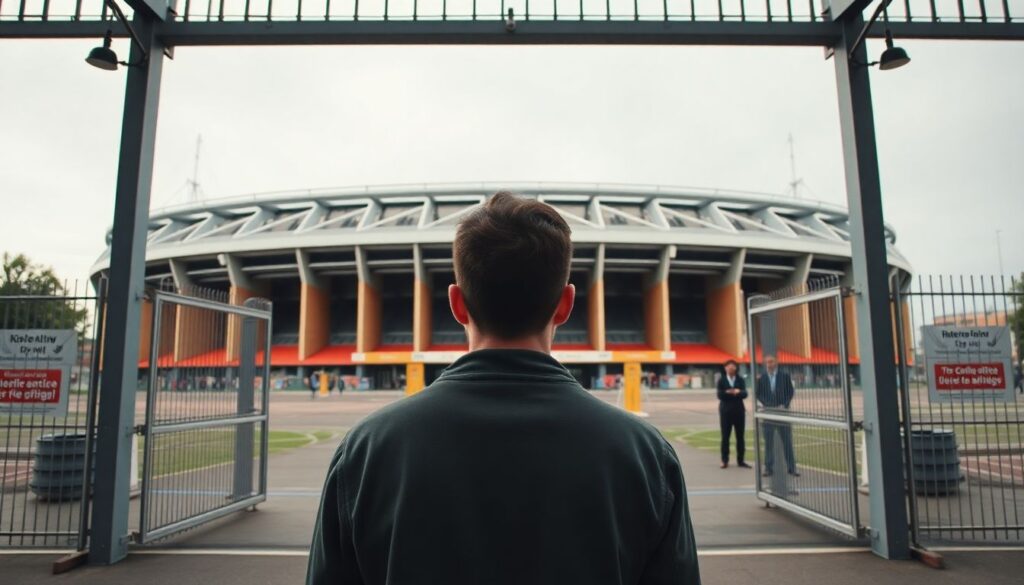
Some clubs offer official tours, but many underrated venues do not run daily visits. In Europe, email the club or check if your hotel can call the stadium office. In Turkey, you might catch open training or a brief look from outside gates on non-matchdays.
How should I choose my seat for the best experience?
If you want full noise, pick ends or corners where ultra groups stand, knowing it may be crowded. For a balanced view and safe intensity, aim for side stands near the home curva. Families or nervous travellers should avoid away ends and very central ultra sectors.
What if I cannot afford official matchday hospitality?
Skip hospitality and focus on street food, local cafés, and supporter bars around the ground. You can still build a full-day experience by joining pre-match gatherings and post-match celebrations, spending mainly on a regular ticket and a simple club scarf.
Can I combine several stadiums into one affordable trip?
Yes. Use rail and bus networks to link medium-sized cities with strong clubs. Many travellers follow weekend-midweek-weekend patterns to catch three matches on one holiday, focusing on underrated stadiums instead of only the most expensive headline venues.