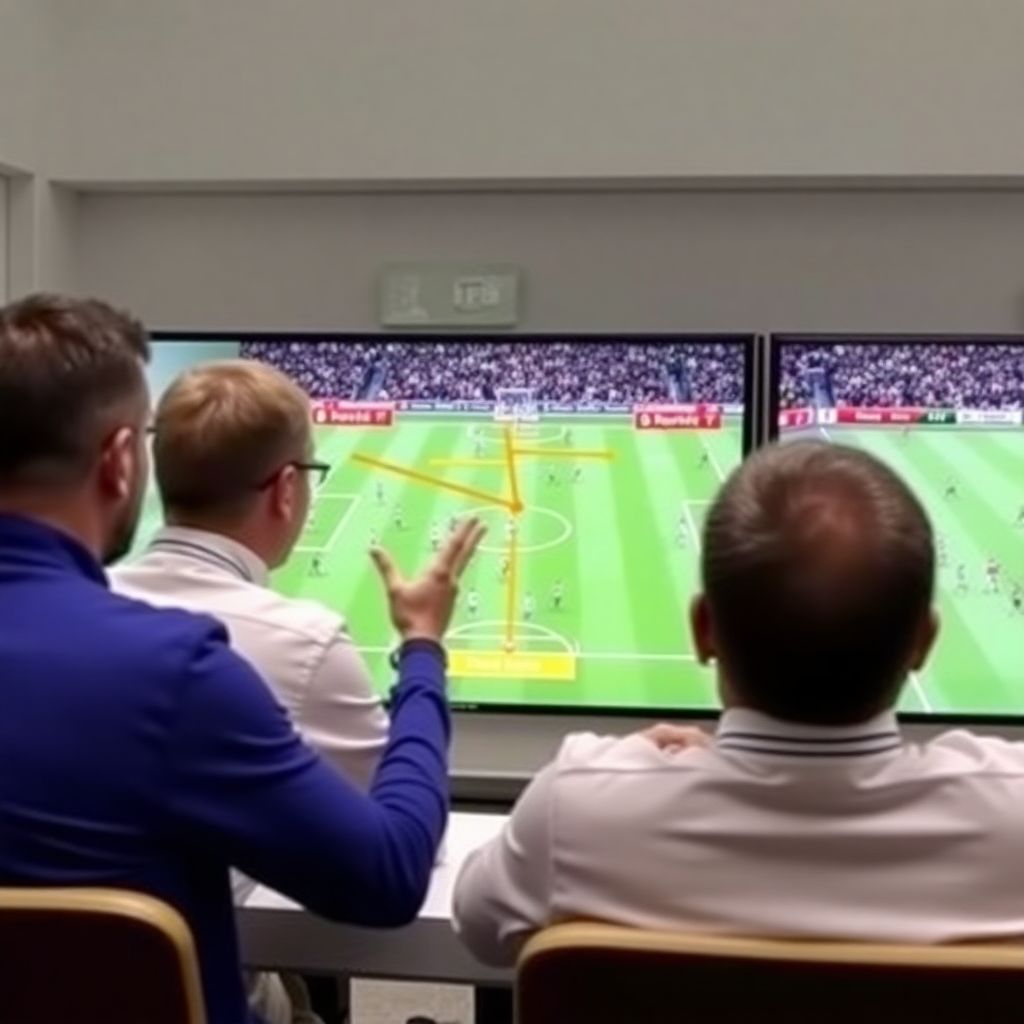
Set-pieces in the Turkish Süper Lig decide tight games because they compress chaos into repeatable patterns you can train, measure and exploit. Focus on two levers: corner and free-kick structure (runs, screens, zones) and opponent-specific preparation using video and simple KPIs. Small, consistent improvements here compound into a clear competitive edge.
Snapshot: Tactical Essentials
- Treat corners and free kicks as structured attacking phases with pre-planned roles, not as restarts you improvise.
- Design 3-5 core routines for each zone, then adapt details weekly based on opponent trends and player availability.
- Track simple metrics per match: shots created, clear first contact, and xThreat or chance quality from each set-piece.
- Use video and basic tagging tools as your best software for football set piece analysis; complexity is optional, clarity is not.
- Rotate deliveries and movements to avoid being fully scouted, but keep the cues simple enough for players under pressure.
- Anchor your work in real Turkey Super Lig stats corners and free kicks from public data and your own matches.
Why Set-Pieces Decide Matches in the Süper Lig
Set-pieces are ideal for Süper Lig coaches and analysts who already have basic training structure, video access and a stable core of starters. The league’s tactical diversity and frequent tight-score matches mean corners and free kicks can tilt title races and relegation battles without needing huge transfer budgets.
However, an aggressive set-piece program is not a quick fix in some situations:
- If you change line-ups and formations every week, role clarity at corners and free kicks will collapse.
- If you lack any video of your own games, you will repeat the same positioning and timing errors without noticing them.
- If you have no specialist to take deliveries at a consistent technical level, complex routines will break down.
- If physical preparation is poor, extra aerial duels may increase fatigue and minor injuries late in the season.
For staff who also look at super lig betting tips corners and free kicks for context, focus on understanding patterns (e.g., which teams overload near post, which concede from second balls) rather than chasing gambling outcomes. Use that external information to refine your own tactical planning, not as the main driver of decisions.
- Use set-pieces as an efficiency tool when squad quality is average but organization can be above the league norm.
- Limit the number of active routines in matchday plans to what players can remember and execute under pressure.
Corner Routines Deconstructed: Common Patterns and Surprises
To build effective corner routines, you need a minimal but robust toolkit: video access, simple analysis workflows and a clear language for runs and zones. You do not need a full analyst department, but you must systematically tag and review every attacking and defensive corner situation for your team.
At intermediate level, use tools that balance cost and usability. Many football set piece coaching courses online now show real Süper Lig patterns; combine their frameworks with your own match footage. Below is a qualitative comparison of typical routines from well-known clubs (as seen publicly, not from inside information):
| Team | Typical Corner Setup | Primary Target Zone | Observed Outcome Trend |
|---|---|---|---|
| Galatasaray | Mixed crowd in the six-yard box, one blocker, late runner from edge | Near-post flick-on towards central zone | Frequently create first contact; many second-ball shooting chances |
| Fenerbahçe | Strong aerial profiles grouped far post, one short option | Far-post area for knock-downs | Often win duels but heavily scouted; opponents gradually overprotect that side |
| Beşiktaş | Two players attacking front zone, screen on goalkeeper | Space between penalty spot and keeper | Dangerous when delivery is precise; otherwise vulnerable to fast counters |
| Trabzonspor | One decoy short, runners from deep starting outside box | Penalty spot for late-timed headers | Arrive unmarked more often than average but dependent on timing discipline |
Minimum practical requirements for your own corner work:
- Baseline video tool (even free): to tag delivery type, target zone, and outcome for each corner.
- One shared set-piece playbook: use simple drawings and code names for your main routines.
- Weekly opponent scan: 15-20 minutes of their corners to spot repeated blocks, screens or matchups.
- Post-match review routine: short clips for each starter showing their specific role performance at corners.
When choosing the best software for football set piece analysis, prioritize: easy tagging of restart types, quick export of clips for player meetings, and cloud sharing with staff. Advanced expected threat models help, but clarity of clips and tags usually has more impact at Süper Lig and TFF 1. Lig level.
Free-Kick Strategy: Delivery Types, Trajectories and Shooter Selection
Use this step-by-step framework to design your free-kick approach for the Süper Lig context, from wide delivery balls to direct shooting opportunities.
-
Map your free-kick zones – Divide the pitch into clear restart zones (wide left/right, half-space, central shooting range, deep build-up).
- Assign a default plan for each zone: shoot, cross, or play short.
- Adapt in-game only when clear advantages appear (e.g., mismatched marker, poor wall setup).
-
Define delivery types per zone – For each zone, decide in advance whether the standard is inswing, outswing, driven or chipped.
- Wide, deep positions: driven outswing often safer for second balls.
- Close to box line: inswing towards far-post run can be highly dangerous with good timing.
-
Select your shooters objectively – Use training data and match clips to decide who takes direct shots and who crosses.
- Track shot quality, not only goals: how often do they hit target or create rebounds?
- Revisit roles every few weeks; avoid permanent status not backed by performance.
-
Script wall manipulation and decoys – Build simple patterns to move or distort the wall and goalkeeper’s view.
- Use 1-2 decoy runners across the wall to open a window for the actual shot.
- Train a disguised run where one player steps over the ball before the real taker strikes.
-
Integrate rehearsed second balls – Every free-kick plan should include where the ball is likely to drop if the first action fails.
- Place one aggressive presser for rebounds and one safety player to stop counter-attacks.
- In the Süper Lig, many goals come from the second contact rather than the first header or shot.
-
Rehearse under match-like pressure – Add time limits, crowd noise, and fatigue into your free-kick drills.
- Rotate defenders and goalkeepers so attackers face realistic resistance.
- Always end with clear feedback: did we hit the planned zone and timing?
Simple tactical sketch (text-based): Place two players by the ball, one right-footed, one left-footed. Three runners begin outside the box; one curves around the far post, one attacks the penalty spot, one delays for a cut-back. The visible shooter fakes; the hidden angle curls towards penalty spot, attacking the gap opened by the wall shift.
Fast-Track Routine Design for Free Kicks
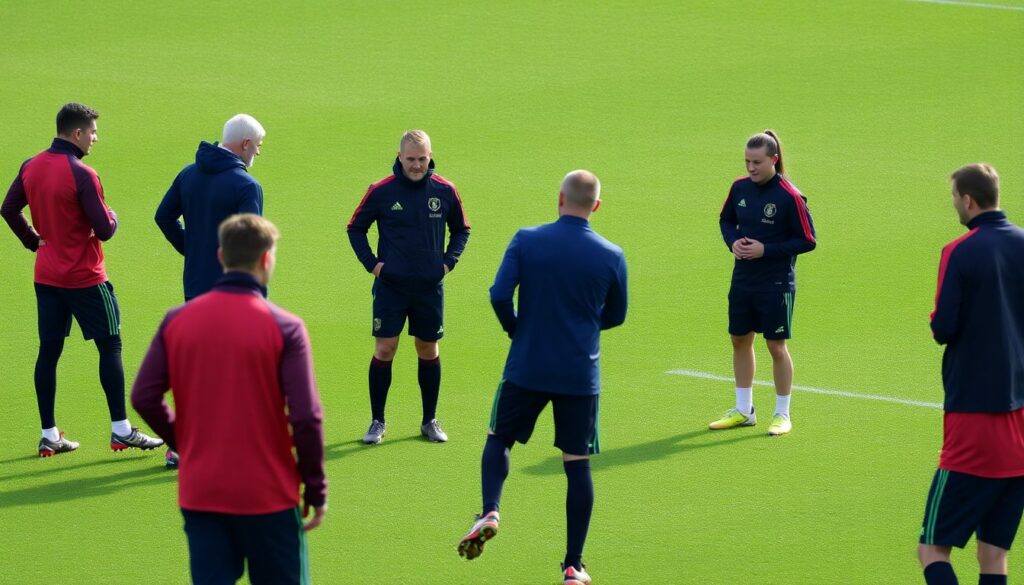
- Pick 2-3 dangerous zones on the pitch where your team wins most fouls and design one main pattern for each.
- Assign fixed roles: primary shooter, main runner, blocker, second-ball hunter, safety player.
- Run 10-15 high-quality repetitions per routine in training, twice per week, with video feedback.
- Before each match, confirm which two routines you will actually use and show clips to the starting XI.
Role Maps: How Süper Lig Teams Assign Run-Clears and Zones
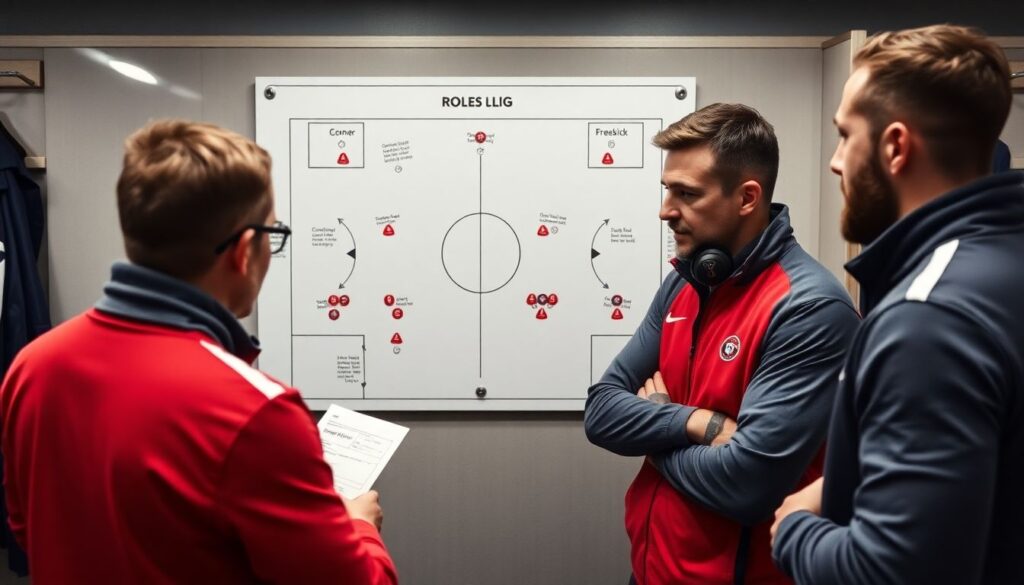
Clear role maps transform corners and free kicks from chaos into repeatable mechanics. Use this checklist to verify if your structure is robust enough for Süper Lig standards.
- Every attacking set-piece has a named caller (usually the taker or a center-back) who can cancel or confirm the routine.
- Each player knows one primary job (run, screen, block, occupy zone, or secure rest defense) and one backup job.
- Run-clears are coordinated: if one player vacates a zone, another knows they must arrive there second.
- Your strongest aerial players consistently match up against weaker defenders, not randomly.
- At least one player is always responsible for the goalkeeper zone, legally disrupting their run path.
- Two players stay ready for the transition: one to counter-press, one to delay counters with smart positioning.
- Defensive set-pieces mirror this logic: clear marking assignments plus zonal anchors at key spaces.
- Roles are stable across matches; only fine details change vs specific opponents.
- New signings receive a dedicated session to learn your role map before playing competitive minutes.
Training to Convert: Practice Drills, Progressions and Load Management
Even well-designed routines fail without training discipline. Watch for these common mistakes when building your set-piece program.
- Overloading sessions with too many variations, leaving players unsure which routine to run in games.
- Running corners and free kicks only at the end of training when players are exhausted and concentration is low.
- Ignoring defensive and transition aspects, turning every failed set-piece into an opposition counter-attack.
- Not recording drills on video, so timing and spacing issues go unnoticed by both staff and players.
- Skipping position-specific details, like blocking technique for smaller players or run angles for center-backs.
- Repeating only one or two favorite patterns until opponents in the Süper Lig easily predict your movements.
- Using the same taker for all deliveries, even when form or fitness clearly drops.
- Failing to integrate ideas from a professional football tactics book set pieces corners free kicks or modern courses into day-to-day exercises.
- Ignoring physical load: too many intense aerial duels in the same microcycle without recovery planning.
To avoid these, structure your microcycle so that high-intensity set-piece work appears on days with enough recovery time before matches, and combine technical repetition with clear tactical goals.
Evaluating Effectiveness: Metrics, Video Cues and Opponent Prep
Some staffs cannot build a full set-piece project immediately. In those cases, use lighter alternatives that still raise your Süper Lig performance level.
- Minimalist metrics approach – Track only three numbers: set-piece shots, clear first contacts, and goals conceded. This requires basic video and is manageable even without analysts.
- Clip-based coaching focus – Instead of full databases, select 6-10 key clips per week (your best and worst set-pieces) and discuss them briefly with the team before training.
- External learning and templates – Use football set piece coaching courses online and any professional football tactics book set pieces corners free kicks as ready-made frameworks, then adapt 1-2 ideas per month rather than reinventing everything.
- Data-informed opponent snapshots – Use publicly available turkey super lig stats corners and free kicks to identify which rivals are strongest or weakest on set-pieces, then prioritize your limited preparation time against those opponents.
As resources grow, you can evolve from these alternatives into a full system with tagged databases, specific KPIs, and integrated video/physical planning.
Practical Clarifications for Coaches and Analysts
How many set-piece routines should a Süper Lig team train at once?
Most squads cope best with 3-5 core attacking corner routines and 2-3 main free-kick patterns per key zone. You can still have small variations, but the base structure should remain familiar for players.
How often should we review our set-pieces on video?
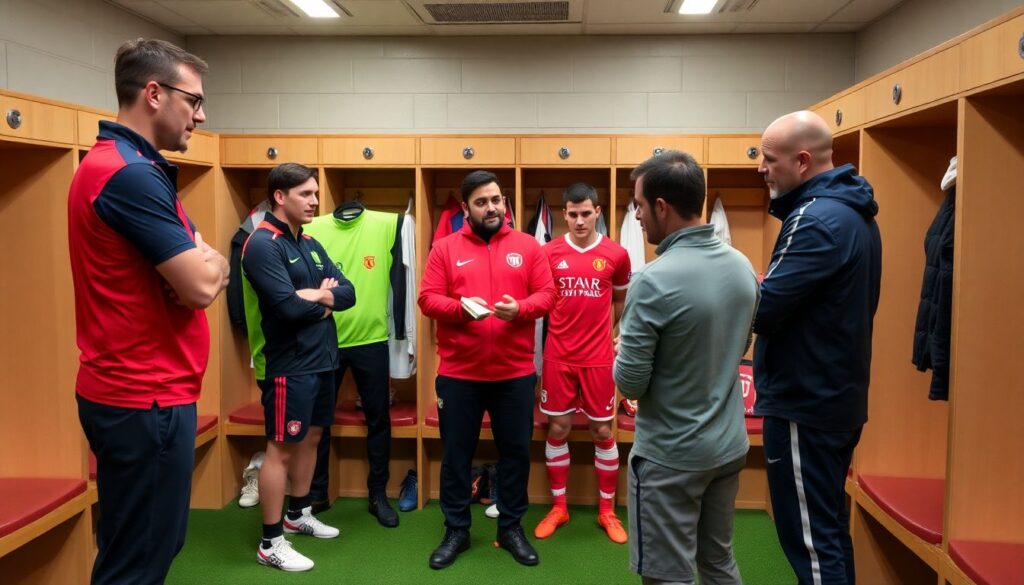
At minimum, after every match, with a short staff-only session and a targeted player meeting. In busy periods, prioritize games versus direct rivals or teams with strong set-piece profiles.
Do we need specialized software for set-piece analysis to compete?
No, but dedicated tools help. You can begin with simple tagging on generic video platforms, then move to the best software for football set piece analysis that your budget allows once workflows are stable.
When is it worth designing opponent-specific routines?
Focus on opponents with clear structural weaknesses, such as poor marking discipline or small defenders in key zones. In those cases, investing one or two tailored routines often pays off quickly.
How do we balance surprise with player familiarity?
Keep the underlying movements and roles consistent while changing only starting positions or triggers. Players feel secure, but opponents see new shapes and struggle to fully predict your plan.
Can set-piece focus backfire by exposing us to counters?
Yes, if you ignore rest defense. Always assign at least one fast, intelligent player to secure the back line and design automatic reactions if the first contact is lost.
What is a realistic timeframe to see improvements from structured set-piece work?
With consistent training and clear communication, teams usually show better organization and chance quality within a few weeks. Goal returns can be streaky, so track performance indicators as well as final outcomes.