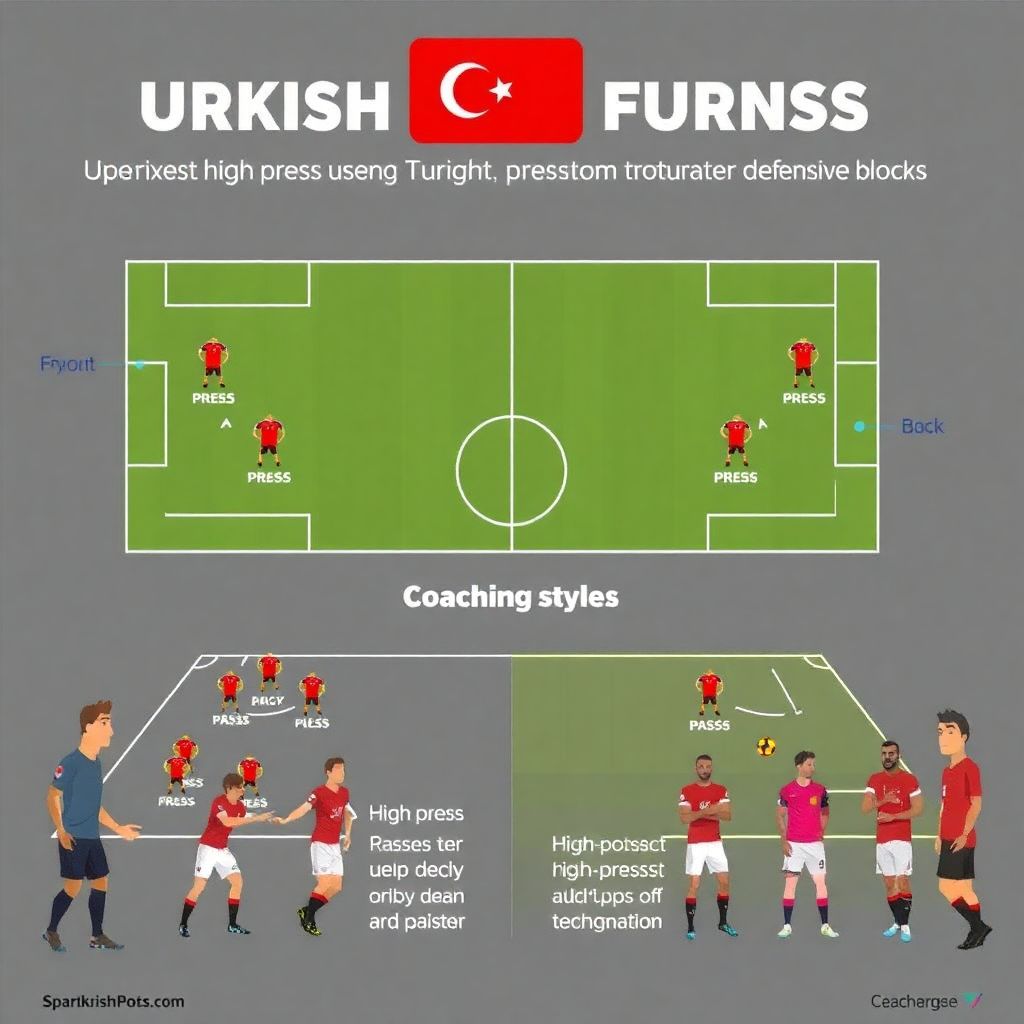
Turkish teams are adopting elements of modern high‑press systems, but very few apply the same intensity, coordination and squad profiling as Europe’s elite. Super Lig clubs show mixed commitment: brief high‑press phases in big matches, deeper blocks in congested periods, and many “hybrids” shaped by resources, fitness culture and coaching stability.
Core findings on the evolution of pressing in Turkish football
- Turkey is not simply copying Europe’s high‑press template; most teams run hybrid models that mix mid‑block and situational pressing.
- Where the high press works best, the club has aligned recruitment, conditioning and clear coaching language around pressing triggers.
- turkish super lig advanced stats and analytics show short high‑intensity bursts rather than sustained elite‑level pressing across 90 minutes.
- Resource‑constrained clubs can still press effectively through compactness, synchronised jumps and set‑piece counterpressing, not only by “running more”.
- In Turkey, fixture congestion, travel and pitch quality reduce the feasibility of copying Europe’s most aggressive pressing models directly.
- For most clubs, a phased, zone‑based high press is safer than a full‑game, all‑pitch approach.
Debunking myths: is Turkey really copying Europe’s high-press template
In Turkish discussions, “pressing like Europe’s elite” often means mimicking Liverpool, Manchester City or top Bundesliga sides. In reality, the modern high press is not just about intensity; it is a coordinated team behaviour that connects pressing height, compactness, cover, and rest defence behind the ball.
Super Lig teams increasingly talk about pressing, but turkish football tactics analysis shows most sides apply a situational high press: aggressive in the opening 10-15 minutes, in home derbies, or right after losing the ball, then dropping into a mid‑block when fatigue or game state changes. This is far from the constant, automated waves of pressure you see at Europe’s top clubs.
Myth 1: “High pressing = running all game.” Reality: elite pressing is about timing, angles, distances and pre‑planned traps. Myth 2: “We just need fitter players.” Reality: poor spacing and late triggers will kill any press, even with ultra‑fit athletes. Myth 3: “Small budgets cannot press.” Reality: pressing structure, not budget, is the first limiter.
Instead of copying big‑club models, Turkish coaches need to define their own pressing identity: when to press high, which zones to protect, which players initiate pressure, and how the team will recover compactness if the first line is broken. Only then can a high press be both modern and realistic.
Anatomy of the modern high press: principles and role responsibilities
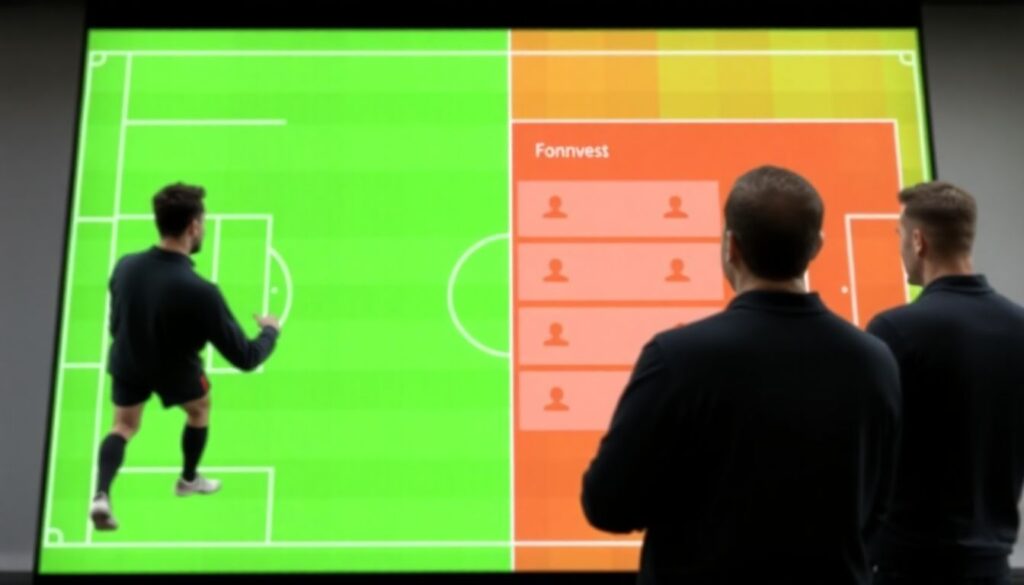
The modern high press is a repeatable team pattern built around clear principles, roles and triggers. For Turkish coaches, understanding the mechanism is more important than copying a specific foreign formation.
- Compactness and height balance
Back line holds a higher position, but never so high that one long ball eliminates four or five players. Vertical distances between lines remain short (roughly one pass), so if the first press is bypassed, the midfield can immediately step in. - Ball‑oriented shifting
As the ball moves to one side, the entire block shifts, squeezing the ball‑near half‑space and touchline. Weak‑side winger and full‑back tuck in rather than marking their man loosely, closing central lanes first and accepting a long, slow switch as the “less dangerous” pass. - Pressing triggers
Common triggers: slow back‑pass to the goalkeeper, poor body shape of a centre‑back, bouncing first touch, receiver facing own goal, or a pass into an isolated full‑back. The first presser jumps on the trigger; the rest of the unit responds instantly, not with delay. - Role of the centre‑forward
Striker does not just chase. He curves runs to block the pass between centre‑backs or into the pivot, forcing play into the pre‑planned trap side. He sets the angle; others provide depth and cover rather than joining blindly. - Midfield screen and cover shadows
Central midfielders protect the “red zone” in front of the centre‑backs. Their body orientation and cover shadows remove easy vertical passes, turning the opponent inside‑out toward the touchline, where the touchline acts as an extra defender. - Full‑backs and wingers as a unit
On the press side, winger jumps to full‑back, your full‑back squeezes behind him, and a midfielder slides across to cover inside. On the far side, winger stays narrow to protect the half‑space, ready to sprint if the ball is switched. - Rest defence and counterpressing
When attacking, at least two or three players stay in positions that can immediately press if the ball is lost (counterpress) or defend space against long clearances. Without stable rest defence, the high press becomes a suicide mission against fast Turkish wide players.
For clubs without access to a modern high press football coaching course, these mechanical principles can still be trained using small‑sided games and clear verbal cues in everyday sessions.
What the data says: season-by-season pressing metrics from Super Lig clubs
Public turkish super lig advanced stats and analytics generally show a gradual rise in high pressing actions and defensive work in the opposition half over recent seasons, but not at the level of Europe’s most aggressive leagues. A few big clubs show consistently higher pressing rates, while many mid‑table teams oscillate according to coach changes.
Broadly, you see three typical patterns across seasons:
- Big‑club “showtime” pressing
Traditional giants press higher in key matches, especially at home and in European competitions. Their numbers spike in derbies and big nights, but may drop in low‑profile league games where control and risk‑management are prioritised. - Coach‑dependent cycles
When a pressing‑oriented coach arrives, defensive actions high up the pitch and counterpressing volumes rise noticeably. Once that coach leaves, metrics regress. This underlines how fragile pressing identity is when not backed by club‑wide philosophy and recruitment. - Situational pressing by smaller clubs
Smaller budgets rarely sustain 90‑minute high presses. Instead, their data often shows intense periods around restarts, after going a goal down, or early in each half, followed by deeper blocks to protect energy and limit exposure behind.
A good football pressing systems analysis service will usually confirm the same picture: Turkish teams are pressing more and higher than in the past, but with shorter bursts, less automation, and big variation from season to season.
Coaching philosophy and recruitment: building a pressing-capable squad
To move from “we press sometimes” to a reliable high‑press model, Turkish clubs must align coaching ideas, player profiles and medium‑term recruitment. This is true both for elite teams and for clubs with limited resources in lower leagues.
Upsides of committing to a high-press identity
- Creates more attacking transitions in advanced zones, generating chances without needing long positional attacks.
- Reduces time and space for technically gifted opponents, which is valuable in a league with many creative foreign attackers.
- Clarifies selection: you recruit players with work rate, tactical discipline and acceleration, not only pure flair.
- Supports a club‑wide playing style from academy to first team, simplifying player promotion and sales profiles.
- Can compensate for limited creativity in set attacks: win the ball closer to goal instead.
Constraints and risks you must plan around
- High physical and tactical demands: requires robust pre‑season, rotation and periodisation to avoid burnout and injuries.
- Needs time on the training ground, which is hard with dense league and cup schedules and heavy travel within Turkey.
- Exposes space behind a high back line, especially risky with slow centre‑backs or if the goalkeeper is not comfortable sweeping.
- Recruitment challenge: local market may lack enough two‑way wingers and press‑resistant pivots; importing them can be costly.
- Fan and board pressure: early mistakes while implementing a new pressing style can quickly kill the project.
For clubs that cannot afford a professional high press training program for clubs, a realistic alternative is to define 2-3 “pressing zones” (e.g., right‑side high press, central mid‑block, deep compact block) and train these deeply instead of promising a full‑pitch, full‑game high press that cannot be sustained.
Contextual limits: infrastructure, fixture congestion and youth development
Turkish football operates in a demanding environment: tight calendars, long travel, varied pitch quality and high emotional pressure. These contextual limits make copy‑pasting Europe’s most aggressive pressing models risky without adaptation.
- Mistake: Ignoring pitch and weather conditions
On heavy or poor pitches, trying to play super‑aggressive high pressing leads to late arrivals, fouls and easy long balls over the top. Coaches should scale the press to the surface and climate on the day. - Myth: “We can train pressing with the same weekly plan”
High pressing requires integrated fitness and tactical work. Running without the ball on Monday and a little 11v11 on Friday is not enough; pressing patterns must be rehearsed under match‑like fatigue. - Mistake: Overloading players in congested weeks
With league, cup and European games, extra pressing drills every day only add fatigue. Smarter load management uses video, shorter high‑intensity blocks and rotation rather than more volume. - Myth: “Youth players will automatically press if the first team does”
Without academy education in pressing cues, distances and communication, young players arrive with individual intensity but without collective timing. Youth development must mirror first‑team principles. - Mistake: Treating analytics as optional luxury
Even basic tracking and video tagging can reveal where the press breaks and which players arrive late. Clubs that ignore simple data lose cheap opportunities to refine their structure. - Myth: Only big clubs can use analysis
Even a smaller side can benefit from a low‑cost football pressing systems analysis service or internally built tagging templates to learn when and where their high press actually works.
Clubs with limited budgets should prioritise clarity over complexity: a few robust pressing patterns, clear communication words, and realistic physical demands that fit their infrastructure.
Implementing a pilot: step-by-step checklist for testing a high-press system
This section outlines a practical “pilot project” for a Turkish club that wants to experiment with a modern high press without fully changing its identity overnight.
- Define the scope of the experiment
Pick one pressing phase to improve first (e.g., goal‑kicks against, or pressing the opponent’s left‑side build‑up). Decide in advance that you will test this for a fixed block of matches (for example, 5 games), then review. - Create 2-3 simple rules
Examples: “On their left goal‑kick short, striker presses left centre‑back, winger jumps to full‑back, our 8 steps to pivot.” Or: “When ball goes back to keeper, both wingers step narrow to cut inside passes; we force long.” Keep language short and consistent. - Design training games that mirror the target phase
Use 7v7 or 8v8 games starting from the opposition goalkeeper or centre‑backs. Reward teams that win the ball within 6-8 seconds in the chosen pressing zone. Emphasise distances, angles and cover, not just speed. - Assign role leaders on the pitch
Nominate a pressing “captain” in each line: striker, one midfielder, one defender. Their job is to call the trigger, organise the line and demand compactness. This is especially useful for clubs that cannot access a formal modern high press football coaching course. - Use basic video and data feedback
Tag 10-15 pressing situations per game: success, late arrival, foul, bypassed. Even without expensive turkish super lig advanced stats and analytics, simple tagging shows which triggers and players give the best results. - Scale intensity to resources
If you lack depth or conditioning, start with time‑boxed bursts (e.g., first 10 minutes each half, or after your own corners) rather than full‑match pressing. Over time, lengthen the pressing phases only if the squad tolerates the load. - Iterate and lock in what works
After the pilot block, keep the 1-2 pressing patterns that clearly improved chance creation or defensive control. Integrate them into your permanent game model and, if possible, document them as part of a simple internal “pressing manual”.
Clubs without access to an external professional high press training program for clubs can still grow by following this step‑by‑step method, using existing staff and simple video tools to upgrade their pressing in manageable stages.
Top practitioner questions about adopting the high press (short answers)
Can a mid-table Turkish club press like a Champions League team?
Not over 90 minutes and 40+ games, but it can copy specific behaviours: clear triggers, compact distances and strong rest defence. The realistic goal is to press like an elite team in chosen phases and zones, not in every minute of the season.
Which players are non-negotiable for a functioning high press?
You need a tactically intelligent centre‑forward, at least one high‑work‑rate box‑to‑box midfielder, and centre‑backs who can hold a higher line. If any of these are missing, reduce your pressing height or focus on one flank instead of the whole pitch.
How do I start if my players are not very fit?
Begin with short, pre‑planned pressing waves (for example, after losing the ball, or for the first 5-7 minutes of each half). Train small‑sided games with strict compactness rules so players learn to save metres by moving together instead of sprinting alone.
What is the safest pressing adjustment during a match?
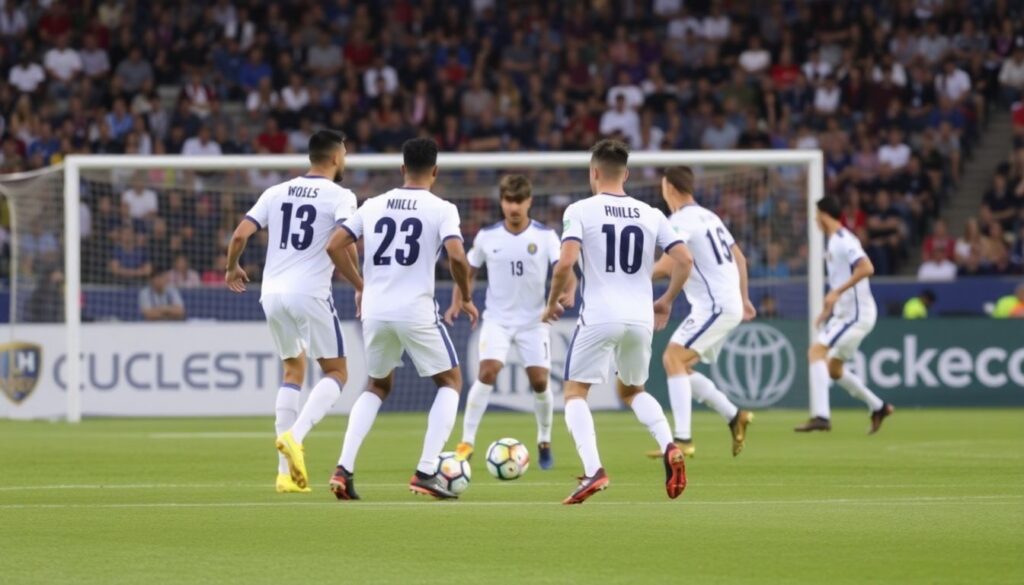
Shift from an all‑pitch high press to a mid‑block that triggers pressure only when the ball enters specific half‑spaces. This keeps some aggressiveness but protects space behind the back line and reduces the running of your forwards.
How can lower-league Turkish clubs use analysis without big budgets?
Record games, tag 10-20 moments where the press started, and classify them as success or failure. This DIY turkish football tactics analysis already shows if your first presser is late, your lines are too far apart, or your trap side is not respected.
Is it worth buying a specialist pressing analyst or external service?
If your club wants pressing to be a core identity, outside expertise or a football pressing systems analysis service can accelerate learning. For clubs with smaller budgets, invest first in coaching education and simple video workflows before adding extra staff.
How long does it take to see results from a new high-press plan?
Basic improvements in coordination and compactness can appear in a few weeks if the work is focused. Full automation under different match conditions usually takes months and must survive rotations, injuries and schedule congestion.