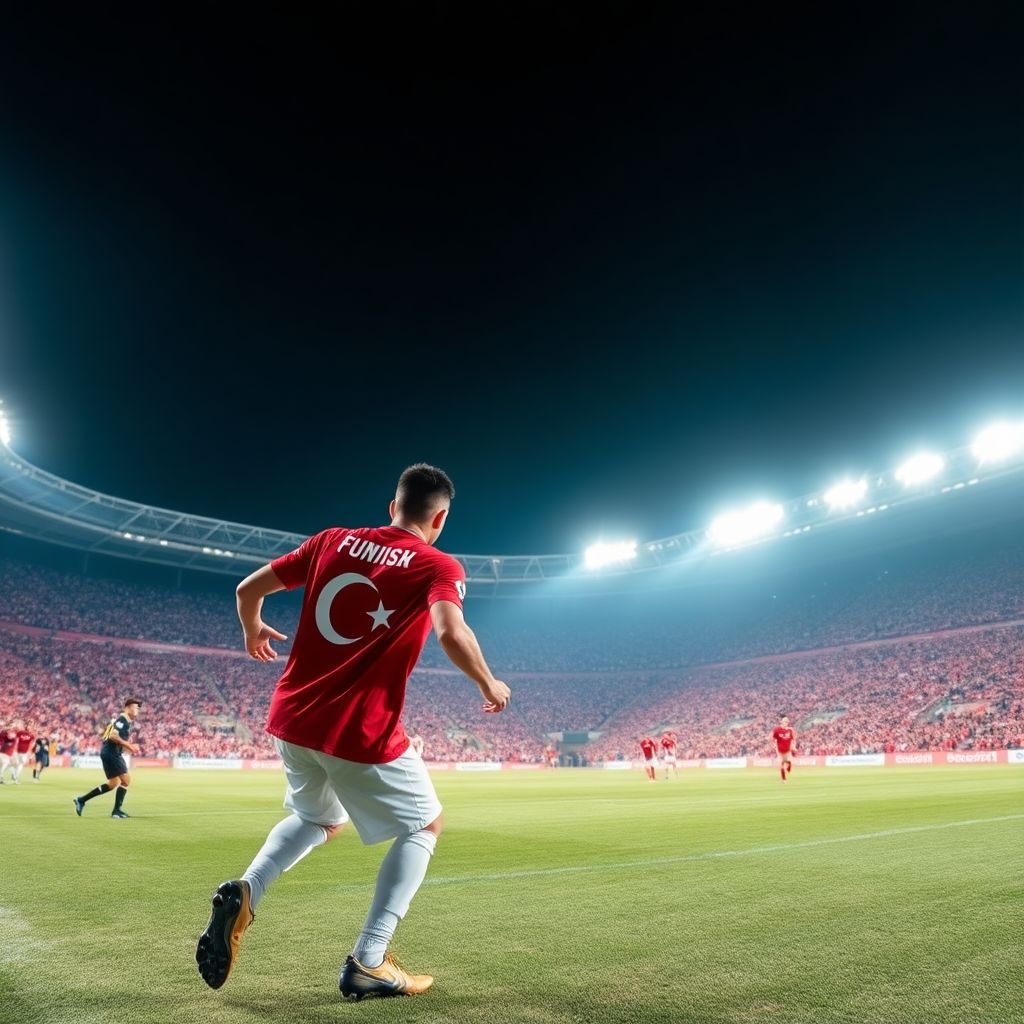
Turkish clubs struggle in Europe mainly because their finances, squad depth, youth development, tactical stability and scheduling conditions are weaker than those of rival leagues. The big Istanbul sides can still win big ties, but not every year, and the system around them makes it hard to sustain Champions League and Europa League performance over many seasons.
Core factors shaping Turkish clubs’ European outcomes
- Chronic revenue gaps versus top-five leagues limit squad depth and continuity.
- Academies produce talent, but conversion into first‑team regulars is inconsistent.
- Frequent managerial changes kill long-term game models and club culture.
- Fixture congestion, travel and late domestic scheduling reduce physical freshness.
- Short-term transfer bets and weak retention undermine squad balance.
- UEFA coefficients and regulations lock Turkish football into a harder qualifying path.
Immediate practical steps for better European results
This block summarises focused, realistic actions on how to improve Turkish clubs success in European cups without waiting for structural miracles.
- Prioritise a consistent game model and coach profile, even after short-term setbacks.
- Ring‑fence minutes and clear pathways for 2-3 academy players per season.
- Design transfer windows around two positions of European-level weakness, not marketing.
- Use sports science and rotation to arrive fresh to European away matches.
- Benchmark every big decision against top European clubs, not only domestic rivals.
Financial structures and revenue disparities
When comparing Turkish Super Lig vs European leagues competitiveness, the single biggest structural factor is money. Broadcasting deals, commercial revenue and matchday income in England, Germany, Spain, Italy and France create a budget reality that Turkish football clubs in European competitions simply cannot match over time.
This gap shapes everything: salary levels, squad depth, backroom staff quality, analytics capacity and even stadium infrastructure. Turkish clubs can sometimes stretch finances to attract big names, but usually at the cost of long-term financial stability and UEFA monitoring pressure.
Because income is volatile and often linked to one season of European qualification, planning horizons become short. Clubs chase immediate Champions League money, overpay for older stars, and then struggle when they miss the group stage or drop early to Europa League or Conference League.
- Check whether your club budget assumes best-case European income every season.
- Audit how much wage bill is tied to ageing players with no resale value.
- Map how many critical support roles (analysis, medical, scouting) are underfunded versus first-team salaries.
Youth development pipelines and talent conversion
Youth development in Turkey produces many technically gifted players, but the pipeline from academy to reliable European-level starter is fragile. The problem is less about raw talent and more about structure, minutes and development environments.
- Late trust in young players: Coaches under pressure to secure results often rely on experienced imports, delaying consistent minutes for local talent until very late.
- Incoherent loan strategies: Players are loaned without clear playing-style fit or development plans, so they return with games but not with the required tactical habits.
- Mismatch between academy and first-team model: Academies might build ball‑playing defenders and pressing forwards, but the first team plays a deep block and long balls, breaking the pipeline.
- Insufficient exposure to high-intensity environments: Domestic football can be slower and more transitional, so players struggle with European tempo and pressing triggers.
- Focus on selling early: Financial pressure pushes clubs to sell promising talents quickly, instead of enjoying peak years and building a core.
- Define a club‑wide playing identity that connects U17, U19, reserves and first team.
- Set target minutes per season for 2-3 academy graduates and track them.
- Use loans as tailored development tools with position, role and style targets, not just salary relief.
Managerial turnover, tactics and club culture
One of the most damaging habits explaining why Turkish teams fail in UEFA Champions League is extreme managerial turnover. Coaches are often changed after a short bad run, before their tactical ideas and culture can shape the squad.
This instability produces squads built by several different coaches in a short period, each with different tactical demands and preferred player profiles. The result is an unbalanced roster and a team that can win emotional big games, but lacks automatism against organised European opponents.
- Short-term crisis management: Sacking a coach after a few poor results might please fans, but it restarts the tactical learning curve before it matures.
- Contradicting philosophies: Moving from a high press coach to a deep-block coach, then back again, confuses recruitment and player roles.
- Weak club-led culture: If the club identity is vague, every new coach rewrites core principles, so there is no long-term European plan.
- Reactive tactics in Europe: Instead of imposing a stable own game, teams often switch radically for Europe, looking uncomfortable and fragmented.
- Define a clear club style and hire coaches who fit it instead of chasing big names with different philosophies.
- Use predefined evaluation windows (for example, half-season blocks) before considering dismissals.
- Align recruitment, academy training and data analysis with the chosen game model.
Domestic scheduling, travel and fixture congestion
Domestic conditions in Turkey create real physical and logistical challenges that feed into European results. Travel distances, climate differences and intense atmospheres consume energy, while domestic scheduling often places key league matches close to European ties.
This environment can prepare players mentally for pressure, but it can also lead to fatigue, injuries and reduced training time for specific European tactical preparation.
Scheduling and congestion strengths
- High-pressure derbies build mental toughness for knockout rounds.
- Varied away conditions (climate, pitch, atmosphere) make players adaptable.
- Competitive league matches keep players in constant battle mode.
Scheduling and congestion limitations
- Limited recovery time between domestic clashes and European away trips.
- Reduced training days to prepare opponent-specific game plans.
- Higher injury risk due to accumulated fatigue and intensive travel.
- Negotiate with league authorities for smarter scheduling around key European weeks.
- Invest in recovery protocols and rotation policies tailored to European calendars.
- Use travel time efficiently with video preparation and clear tactical briefings.
Transfer strategy, scouting and player retention
Transfer habits are central to the performance of Turkish clubs in Europa League analysis and in other UEFA tournaments. Many clubs are still driven by name recognition, short-term political pressure and agent influence instead of long-term squad building principles.
- Overvaluing star names: Signing older, famous players can boost marketing but often reduces intensity, pressing ability and squad wage flexibility.
- Underusing data and structured scouting: Some clubs rely heavily on familiar markets and agents, neglecting undervalued profiles that fit their tactical model.
- Unbalanced squads: Attacking positions may be overloaded, while full-backs, defensive midfield and backup central defenders remain weak.
- Poor retention strategies: Short contracts and late renewals lead to free departures or fire-sale transfers just before peak years.
- Mistaken belief in last-minute deals: Leaving key signings until the end of the window creates squads that start European qualifiers under-prepared.
- Build a multi-year squad plan, highlighting core players to retain and positions needing succession plans.
- Combine traditional scouting with data to filter for intensity, pressing and European physical standards.
- Prioritise early window signings in key positions so the team is ready for qualifiers.
Regulatory environment, UEFA coefficients and market effects
UEFA regulations, Financial Fair Play and the coefficient system shape the strategic environment in which Turkish clubs operate. Lower national coefficients push teams into earlier qualifying rounds, facing more fixtures and risk before the group stages.
This situation creates a feedback loop: fewer group stage participants mean fewer coefficient points and less prize money, which again limits investment power. In parallel, domestic financial rules, currency volatility and tax structures influence how competitive net salaries really are compared with other European leagues.
A simplified cause-and-effect chain looks like this:
Lower league coefficient
-> tougher qualification path
-> fewer group stage berths
-> reduced revenue & exposure
-> weaker squads & depth
-> more early exits
-> coefficient stagnates or falls- Target coefficient gains collectively: clubs should treat Conference and Europa League games as strategic, not secondary.
- Plan budgets conservatively within domestic and UEFA rules to avoid sudden sanctions.
- Lobby as a league for stable, transparent regulations that support sustainable growth.
Strategic self-check for Turkish clubs
This checklist helps evaluate whether a club is structurally ready to compete with stronger leagues, beyond individual matches or seasons.
- Is there a consistent tactical and cultural identity that survives coach changes?
- Do transfer and salary decisions assume realistic, not ideal, European revenue?
- Are academy graduates given planned minutes and roles in the first team?
- Is sports science fully integrated to manage travel, congestion and recovery?
- Are European fixtures treated as long-term coefficient investments, not only as one-off events?
Concise clarifications on recurring concerns
Why do Turkish clubs look strong at home but weak away in Europe?
Home atmospheres in Turkey are intense and energising, often overwhelming visiting teams. Away from that support, physical and tactical weaknesses become more visible, especially against clubs used to high tempo and pressing. Travel, unfamiliar conditions and less control over refereeing style also play a role.
Is the main problem money or management in Turkish football?
Both interact. Financial gaps limit access to top players and staff, but poor management choices often waste the resources that do exist. Better governance, planning and youth development would not fully erase the money gap, but would increase consistency and reduce extreme swings in European performance.
Can a Turkish club realistically win a major European trophy again?
It is possible but requires an exceptional cycle: stable leadership, several peak-age stars, strong academy contributions and a bit of luck with draws and injuries. More realistic short- to medium-term goals are regular group stage participation and consistent knockout appearances across the main competitions.
How important are UEFA coefficients for Turkish football?
They are critical. Coefficients decide how many teams enter European cups and at which stages. Better coefficients mean fewer qualifiers, more group stage football and higher income. That, in turn, improves league attractiveness, investment and the overall level of domestic competition.
Do foreign-player limits help or hurt European competitiveness?

Badly designed limits can hurt competitiveness if they force clubs to keep players for non-football reasons. Smart rules, however, can push teams to develop and trust domestic talent while still allowing enough foreign quality. The key is aligning regulations with long-term player development strategies.
Why do Turkish teams often start European seasons poorly?
Qualifiers sometimes arrive before squads are fully built or match-fit. Late transfers, short pre-seasons and coaching changes reduce tactical cohesion. Opponents from leagues with earlier starts or more stable squads are simply better prepared in terms of fitness and automatisms.
What should fans realistically expect from Turkish clubs in Europe?
Given current structures, realistic expectations are regular groups and occasional deep runs rather than constant quarter-finals. Fans can still demand better planning, smarter transfers and more trust in youth, which over time can raise the overall ceiling for Turkish clubs in European competitions.