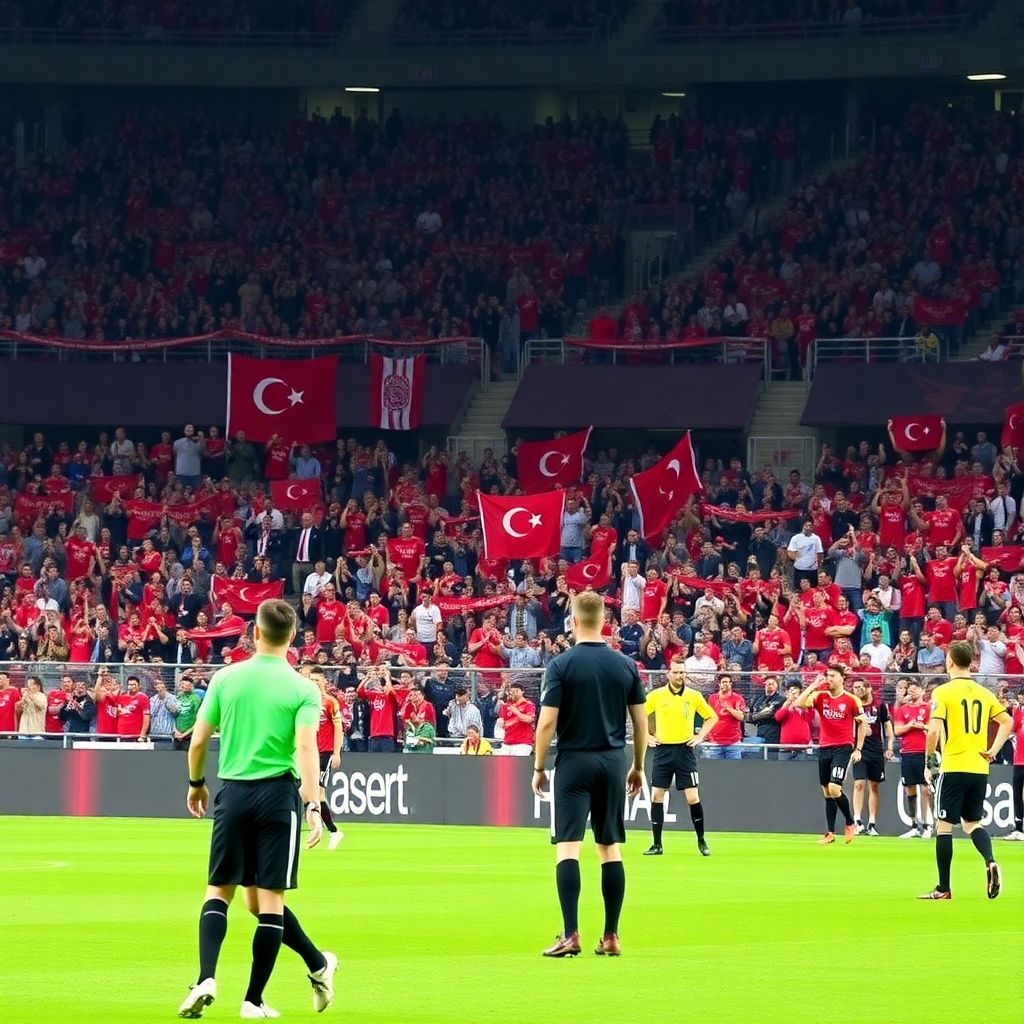
Ultra fan culture in Turkey boosts home advantage mainly through coordinated noise, colour and psychological pressure on opponents and referees, but its impact varies strongly by city, stadium design and regulation. Coaches and analysts should treat ultras as one factor in a wider model that includes tactics, squad quality and travel effects.
Core Findings on Ultra Fans and Home Advantage
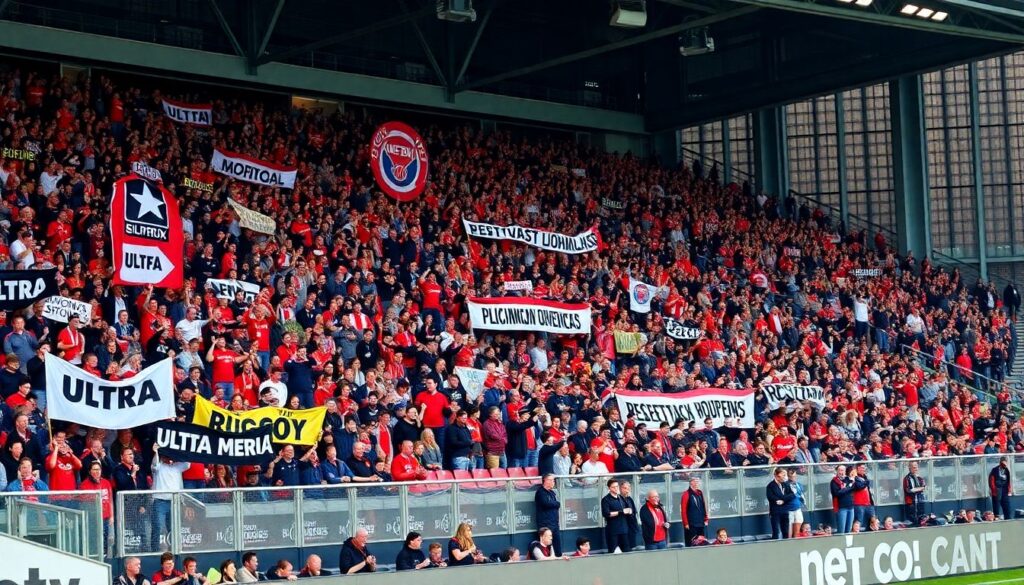
- Ultra groups are organised, rule-bound communities, not random hooligans; their main tool is choreography and noise, not violence.
- Home advantage rises when ultra blocks are packed, synchronised and close to the pitch; empty or dispersed stands dilute impact.
- Stadium architecture and acoustics in Turkish grounds can amplify or neutralise ultra support, even with similar crowd sizes.
- Legal restrictions, passolig rules and security practices shape how much pressure ultras can actually create on match day.
- Data analysis must separate pure crowd effect from team quality, travel fatigue and tactical choices before drawing conclusions.
- For betting or scouting, treating ultras as a fixed “magic edge” is a mistake; evaluate stadium-by-stadium and week-by-week.
Common Myths About Ultra Fans in Turkey
Ultra fan culture in Turkey is often reduced to clichés: endless noise, automatic wins at home, or constant trouble with police. In reality, ultras are structured groups with internal rules, political and social identities, and a long history of negotiation with clubs and authorities.
Myth 1: “Ultras are just hooligans.” While some groups have violent fringes, the core ultra activity is choreography: banners, flags, drums, coordinated chants and away-day organisation. Anyone who has joined Turkish football stadium tours and ultra fan experiences quickly sees that most energy goes into visual and vocal support, not fighting.
Myth 2: “Ultras guarantee three points at home.” Even the best Turkish football clubs with strongest home advantage lose matches. Ultra support can lift intensity and intimidate, but it cannot fix tactical weaknesses, injuries or poor preparation. Treating ultras as a guaranteed result distorts both coaching plans and football betting tips home advantage Turkish Super Lig bettors rely on.
Myth 3: “Ultra culture is the same in every city.” Istanbul, Ankara, Izmir, Trabzon, Adana or Bursa each have specific musical traditions, local songs, political tensions and stadium layouts. Copy-paste assumptions ignore how differently fans in Kadıköy, Beşiktaş, Sivas or Konya experience and generate pressure.
Myth 4: “You can manufacture ultras overnight.” Clubs sometimes believe that handing out free flags or launching campaigns for Turkish ultra fan merchandise and football scarves online will instantly create an ultra culture. Real ultra scenes grow over years, through shared rituals, away trips, and conflicts with both rivals and club management.
Historical Evolution of Ultra Culture Across Turkish Cities
Ultra culture in Turkey developed unevenly, with each major city adapting European and Latin influences to local realities. Understanding these differences helps explain why home advantage feels so different from one ground to another.
- Istanbul’s big three as early hubs. The largest and oldest ultra-style groups grew around the big clubs in Istanbul, mixing local terrace traditions with influences from Italy and the Balkans. These groups set standards for banners, chants and away followings across the country.
- Provincial cities building identity. Cities like Trabzon, Bursa, Eskişehir, Kayseri and Adana used ultra culture to express regional pride against Istanbul dominance. In some grounds, ultra groups became symbols of local resistance, making home games major civic events.
- Political and social layers. Over time, some Turkish ultra groups absorbed clear political or social positions, which shaped their chants, tifos and alliances. This added intensity but also brought extra scrutiny from media and authorities.
- Modern stadium wave. New all-seater stadiums changed how ultras operate: safe-standing blocks, sound-trapping roofs and stricter access control. Some traditional terraces disappeared, forcing groups to adapt their positioning and acoustics.
- Digital coordination and branding. Social media allowed ultras to coordinate tifos, fund-raise, and sell Turkish ultra fan merchandise and football scarves online, strengthening group identity but also making them more visible to police and club management.
- Tourism and soft power. As demand grew to buy tickets for Turkish Super Lig matches with ultra fans, some clubs embraced ultras as part of their brand, using them in marketing and stadium tours while still trying to regulate behaviour.
Mechanisms: How Ultras Influence Match Outcomes
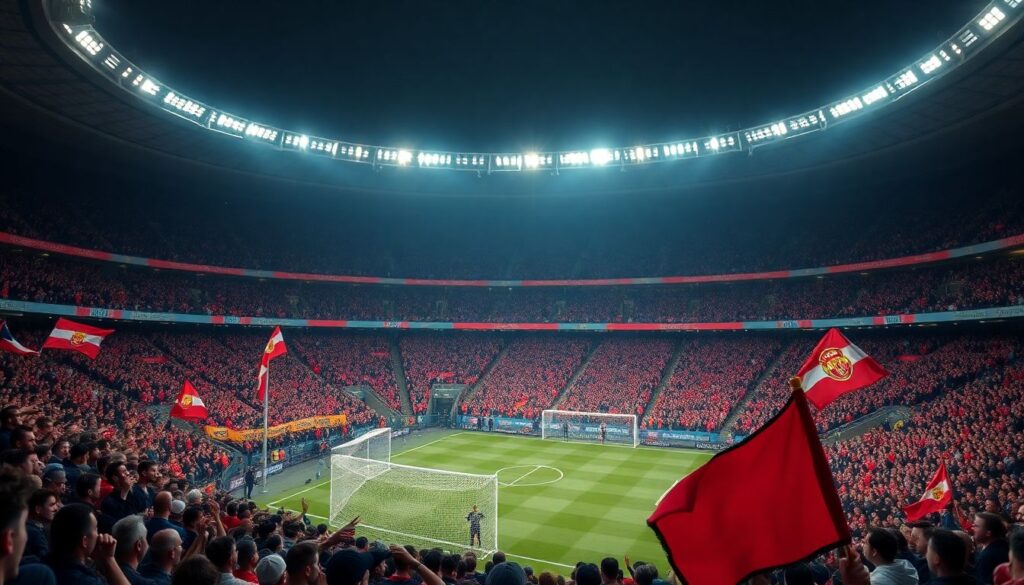
Ultra culture affects home advantage through several clear mechanisms. Coaches, analysts and managers should identify which ones are strongest in each stadium and plan accordingly.
- Acoustic pressure on opponents. Dense ultra sectors behind the goal or along the sideline create continuous, high-volume noise. This can disrupt opponent communication, particularly for goalkeepers and defenders organising the line or set pieces.
- Emotional lift for home players. Recognisable songs, name-specific chants and visual displays can boost home players’ confidence, especially for local or academy players who grew up watching those ultras. This is most visible after goals, big tackles or comebacks.
- Referee decision context. Sustained pressure, whistles and reactions to fouls or offsides shape the emotional environment in which referees make marginal decisions. While officials aim for neutrality, the noise level and crowd reactions are impossible to ignore completely.
- Tempo and momentum control. Ultras often increase noise during pressing phases and lower it when their team needs to rest with the ball. This unspoken communication can help home teams manage tempo, especially in intense Turkish Super Lig fixtures.
- Psychological intimidation of away fans. Well-organised ultra blocks with strong visual identity and reputation can discourage large away followings. Smaller or quieter away ends reduce the visiting team’s emotional support and perceived safety.
- Pre-match and tunnel atmosphere. Flares (where allowed), banners greeting the bus, and noise during warm-up frame the match as “hostile territory”. For some visiting players, this sharpens focus; for others, it increases anxiety and error risk.
Stadium-by-stadium Variations in Crowd Impact
Even when ultra groups are equally passionate, stadium architecture, location and club policies mean their real impact on home advantage differs. Analysts and bettors should think in terms of stadium profiles, not generic “Turkish crowd” assumptions.
Positive factors enhancing ultra-driven home advantage
- Stands close to the pitch, especially behind both goals, concentrating sound on the playing area.
- Continuous single-tier home end where ultra groups can occupy a large, unified block.
- Roofs and materials that trap and reflect noise back onto the field rather than letting it dissipate.
- Club policies that allow instruments, flags and coordinated displays within safety rules.
- Easy public transport access, encouraging high midweek attendance and reducing late arrivals.
- Strong local culture of attending every league match, not only derbies and big-city visitors.
Constraints and dampeners on ultra impact
- Track-and-field layouts or wide technical zones that push stands far from the pitch.
- Fragmented or heavily segmented home sectors that split ultra groups into smaller blocks.
- Harsh or unpredictable enforcement that frequently removes drums, megaphones or banners.
- High ticket prices or awkward kick-off times reducing core ultra attendance.
- Clubs selling key ultra sectors to corporate or tourist groups seeking a quiet view.
- Recent stadium bans or sanctions that make groups cautious and less intense.
| Aspect | Ultra Sections | Regular Home Fans | Stadium Tour Visitors |
|---|---|---|---|
| Main goal | Continuous noise, coordinated pressure | React to key events only | Passive, focused on photos and stories |
| Effect on opponents | High intimidation when close to pitch | Moderate, depends on scoreline | Minimal during ordinary Turkish football stadium tours and ultra fan experiences |
| Club control | Negotiated rules, sometimes tense | Standard regulations | Guided and highly regulated access |
Security, Regulation and Institutional Responses
Security policy can either channel ultra energy into useful support or push it toward conflict and sanctions. Understanding common mistakes helps clubs and authorities reduce risk without killing home advantage.
- Treating all ultras as a single security threat. Lumping peaceful, well-organised groups together with violent individuals leads to blanket bans and over-policing. This alienates potential partners and often moves issues outside the stadium, where control is lower.
- Last-minute restrictions without dialogue. Pulling drums, flags or sector allocations on match day, with no prior communication, almost always escalates tension. Structured pre-season and pre-derby meetings work far better.
- Ignoring fan leaders in crisis planning. Ultra capos know crowd mood better than any external observer. Failing to include them in contingency plans for derbies, title deciders or politically sensitive matches wastes a key stabilising resource.
- Instrumentalising ultras for short-term politics. Clubs or local actors sometimes use ultra groups as tools in elections or boardroom battles. This may bring momentary advantage but usually damages long-term trust and increases volatility on the terraces.
- Inconsistent enforcement of rules. Allowing pyro or banned items one week and punishing them harshly the next creates confusion. Clear, stable rules, applied evenly, make it easier for groups to self-police.
- Overlooking commercial and tourism angles. When clubs design packages to buy tickets for Turkish Super Lig matches with ultra fans, they must balance revenue with security. Placing inexperienced visitors inside or directly adjacent to ultra blocks without briefing can cause misunderstandings.
Measuring Home Advantage: Data, Metrics and Limitations
To move beyond myths, home advantage needs to be measured systematically. Below is a simple, practical way analysts can start separating ultra impact from other factors, adaptable to Turkish conditions.
- Define a consistent metric. Instead of vague impressions, choose an objective measure such as points per home match, goal difference at home, or expected goals (xG) difference. Make sure the metric is available across multiple seasons.
- Tag matches by crowd intensity. For each home match, rate crowd intensity on a basic scale using observable criteria: ultra sector full/half-empty, presence of instruments and tifos, TV sound levels, and reports from staff or scouts.
- Control for opponent strength. Group results by opponent category (title contender, mid-table, relegation battler) so you do not confuse strong home support with simply playing weaker teams more often.
- Control for team quality and form. Compare seasons where the squad and coach were similar but crowd conditions changed, for example due to partial bans or new stadium openings. This helps isolate crowd-driven shifts in performance.
- Use regression or simple comparisons. Even a basic spreadsheet model testing whether higher intensity tags correlate with better home results, after opponent adjustments, is more reliable than intuition alone. For more advanced work, apply multivariate regression with crowd, tactics and rest days as variables.
- Translate findings into decisions. If you see strong links between full ultra sectors and performance, prioritise policies that keep those blocks affordable and accessible. For those using football betting tips home advantage Turkish Super Lig insights, remember these models are probabilistic, not guarantees.
Mini pseudo-workflow for an analyst:
// Step 1: collect data
for each match in Turkish_Super_Lig:
    record(home_team, away_team, xG_home, xG_away, result)
    record(crowd_intensity, stadium_name, season)

// Step 2: filter by one club and stadium
data = filter(matches, home_team == "TargetClub" && stadium_name == "HomeStadium")

// Step 3: group by crowd intensity
low  = filter(data, crowd_intensity == "low")
high = filter(data, crowd_intensity == "high")

// Step 4: compare averages
compare(mean(xG_home - xG_away) for low vs high)
compare(win_rate for low vs high)
This type of simple analysis gives coaches, directors and serious bettors a grounded sense of how much ultra culture really contributes, beyond stories and reputation.
Practical Answers for Coaches, Analysts and Managers
How should a coach prepare players for intense ultra environments?
Use video and audio clips from the specific stadium so players know what to expect. Simulate noise during training for communication drills, and assign clear on-pitch leaders whose calls everyone follows when verbal communication becomes difficult.
Can clubs safely include ultras in marketing and tourist offers?
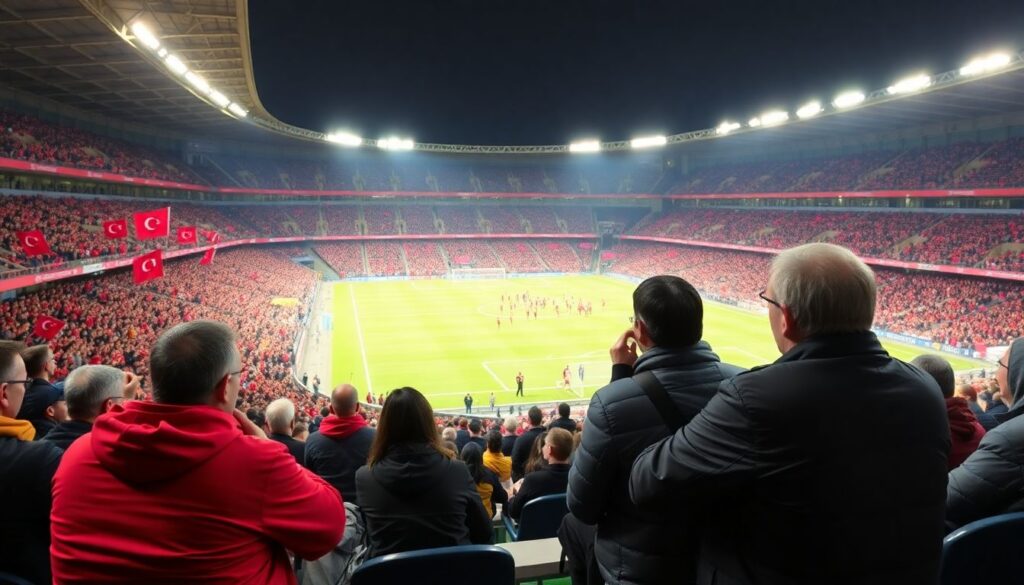
Yes, if roles and boundaries are clear. For packages aimed at fans wanting Turkish football stadium tours and ultra fan experiences, keep visitors adjacent to, not inside, the most intense blocks, and brief both sides about expectations before match day.
What practical steps increase positive ultra impact at home?
Keep ultra sectors together, close to the pitch, and affordable. Allow flags, drums and visual displays within a stable rule-set, and maintain regular dialogue with group leaders about fixture priorities and logistical needs.
How can analysts include ultra effects in match models?
Add a “crowd intensity” or “ultra strength” variable to your database based on occupancy and sound. Test whether it improves prediction accuracy over multiple seasons; if the gain is marginal, keep it but avoid over-weighting it in decisions.
Are ultras a reliable edge for betting on Turkish home matches?
They are one factor among many, not a shortcut to profits. When using football betting tips home advantage Turkish Super Lig information, treat strong ultra culture as a qualitative input alongside data on injuries, rest days, tactics and travel distance.
What can stadium managers do to reduce conflict without killing atmosphere?
Establish clear, jointly agreed rules with ultra representatives, apply them consistently, and avoid last-minute changes. Designate specific pyro-free choreography spaces, and use fan stewards from within the groups as intermediaries with security staff.
Does selling more merchandise weaken “authentic” ultra culture?
Not necessarily. If groups lead their own Turkish ultra fan merchandise and football scarves online projects and use proceeds for banners and away travel, identity can strengthen. Problems arise when clubs commercialise symbols without group consent.