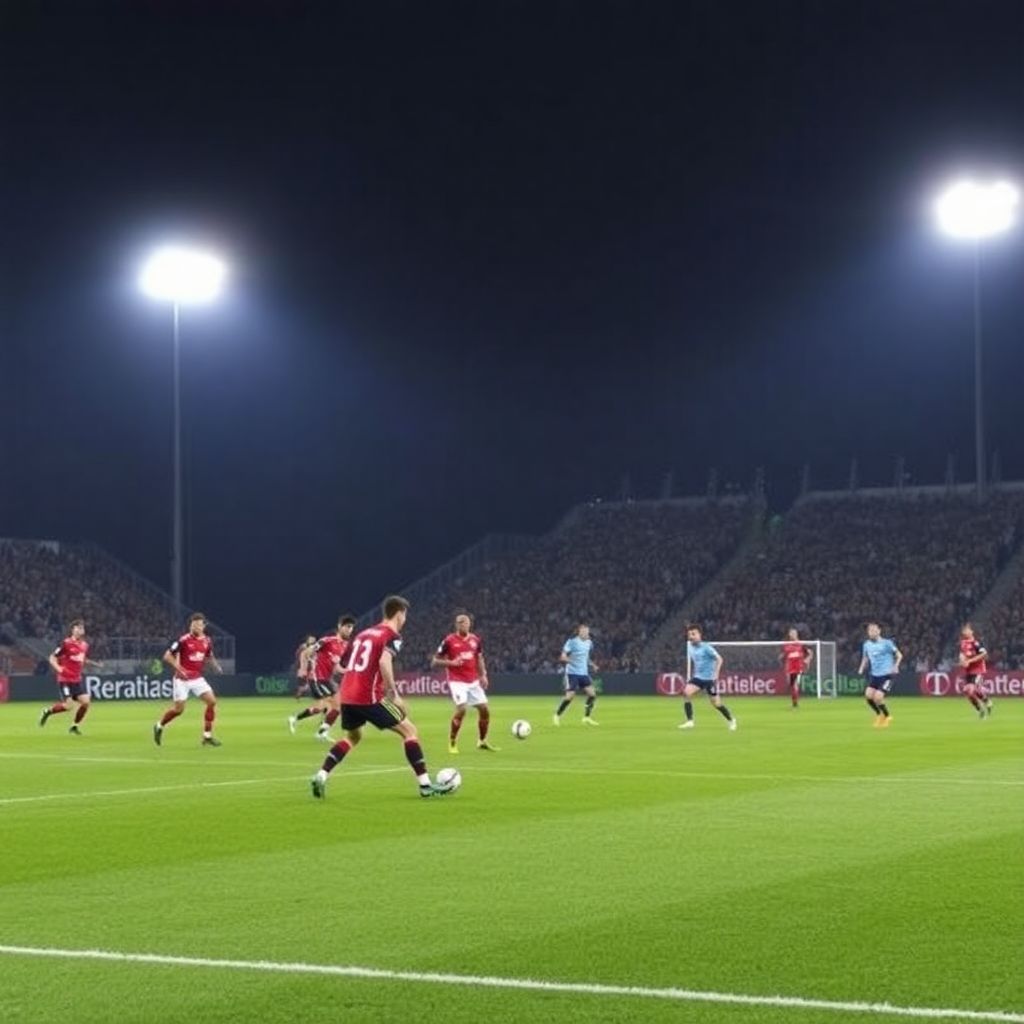
Set pieces decide many Süper Lig games because they transform chaotic, transition-heavy football into repeatable, controllable situations. Teams that systematically train dead‑ball routines and interpret basic turkey super lig match analysis data gain a structural edge, especially in tight matches where open‑play chances are scarce and defensive blocks are compact.
Concise Tactical Findings on Süper Lig Set Pieces
- Set pieces convert the physical strengths and aerial habits of Süper Lig squads into predictable goal platforms when trained with clear routines.
- Poorly organized teams concede repeatable patterns from corners and wide free kicks, magnifying small execution gaps into decisive moments.
- Clubs using even simple super lig set piece statistics gain better targeting of zones, runners and second‑ball areas.
- Focused dead‑ball work is one of the few tactical edges available to lower‑budget teams against technically superior opponents.
- Modern football set piece training methods are modular and scalable; they can be implemented with minimal staff and basic video.
- Embedding set‑piece KPIs into season planning forces alignment between analysts, coaches and players on match‑deciding details.
Persistent Myths About Set Pieces in the Süper Lig
In the Süper Lig, set pieces are often framed as chaos or pure luck, but in reality they are among the most controllable phases of the game. A set piece is any restart where the ball is stationary and the attacking team can pre‑plan actions: corners, wide free kicks, indirect free kicks and long throw‑ins.
The key boundary is planning time. Transition attacks give almost no time to organize; dead‑ball situations offer precious seconds to select routines, adjust match‑ups and exploit weaknesses. This is why professional football set piece coaching treats them as mini games inside the game, with their own playbook and rehearsal process.
Common Süper Lig myths include the idea that "big teams will always score from open play anyway", or that "small teams only defend and wait for one corner". Both ignore that structured set‑piece work can raise the baseline performance of any squad, regardless of style, and can be tailored to technical or physical profiles.
Another misconception is that serious set‑piece preparation requires a large analytics department or an expensive soccer analytics course online. In practice, many gains come from simple video tagging, basic turkey super lig match analysis data, and consistent on‑pitch rehearsal. Even low‑budget clubs can define clear roles, communication cues and two or three reliable routines for key zones.
Statistical Impact: Goals, xG and Conversion Rates
While each club keeps its own internal data, the logic behind super lig set piece statistics is consistent with global trends: dead‑ball situations generate a disproportionate share of goals in tight matches and late‑game scenarios.
| Phase of play | Typical chance quality | Level of control | Repeatability of patterns |
|---|---|---|---|
| Open play attacks | Highly variable, depends on transition speed and defensive shape | Lower: influenced by pressing, turnovers and space available | Lower: combinations change with each possession |
| Set pieces (corners, free kicks) | Moderate to high, especially from wide free kicks and close corners | Higher: fixed ball position, time to organize, defined match‑ups | Higher: routines can be rehearsed and repeated weekly |
- Expected goals from dead balls are concentrated. Even if total xG from set pieces is lower than from open play, it clusters in moments where defenses are forced to defend the box and cannot delay with fouls.
- Conversion rates reward detail. Small improvements in delivery zones, blocking angles and starting positions can shift the share of on‑target headers or second‑ball shots, creating a cumulative edge over a season.
- Game‑state sensitivity. In matches where open‑play xG is low for both sides, one corner routine with a free header can decide the result, making dedicated set‑piece work disproportionately valuable.
- Opponent‑specific exploitation. Super lig set piece statistics often reveal teams that consistently lose first contacts or second balls at the same posts or zones; targeting these habits is a high‑value, low‑cost strategy.
- Rotation and squad depth. When attacking patterns break down because of injuries or fixture congestion, well‑drilled set pieces provide a stable source of chances independent of individual dribbling or combination play.
Tactical Origins: Why Turkish Teams Rely on Dead Balls
The Süper Lig’s physicality, emotional tempo and tactical variety naturally amplify the influence of dead‑ball situations. Set pieces become a bridge between direct, duel‑heavy football and structured positional play.
- Compact low blocks against big clubs. Mid‑table and lower‑table teams often defend deep and narrow, limiting through‑balls. Corners and free kicks become their main route to threaten superior opponents.
- Frequent fouls in wide areas. Aggressive defending and emotional derbies generate many wide free kicks. Prepared routines from these positions punish reckless challenges and invite aerial specialists forward.
- Atmosphere‑driven momentum swings. Intense stadiums make every corner feel like a scoring chance. Well‑orchestrated routines leverage crowd energy, while poor organization collapses under pressure.
- Aerial profiles of squads. Many Süper Lig squads recruit powerful center‑backs and target forwards. Set‑piece systems translate this physical edge into structured opportunities rather than random long balls.
- Weather and pitch conditions. On difficult surfaces or in heavy conditions, flowing combinations are harder to sustain. High‑quality deliveries from dead balls remain relatively reliable, maintaining attacking threat.
- Scheduling and fatigue. In tight schedules with European and domestic commitments, detailed open‑play automatisms may drop; robust set‑piece habits survive rotation and fatigue better.
Training Protocols: Designing Effective Set-Piece Sessions
Effective football set piece training methods combine clear role definition, repetition under pressure and measurable performance standards. Sessions do not need to be long, but they must be focused and connected to match‑analysis insights.
Structured benefits of set-piece training
- Clarifies individual roles (blocker, screener, primary runner, second‑ball hunter, edge‑of‑box shooter).
- Builds automatic timing between takers and runners, reducing hesitation in crowded penalty areas.
- Improves delivery consistency toward predefined zones rather than "hit and hope" crosses.
- Aligns attacking and defensive responsibilities, reducing confusion on player marking and zonal coverage.
- Provides controllable situations to simulate pressure and crowd noise without needing full‑pitch games.
Operational limitations and common constraints
- Limited training time in congested calendars forces trade‑offs with recovery and tactical work.
- Over‑complex routines are fragile: one missing player can break the pattern and confuse substitutes.
- Poor video support makes it harder to show players why details like screening angles matter.
- Goalkeepers and defenders may mentally downplay attacking set‑piece segments, treating them as optional.
- Without defined metrics, coaches may feel the work is "done" after a few repetitions, even if execution quality is low.
Example drills with measurable metrics
-
Near‑post crowd routine drill
Organization: One taker, four attackers in the box, three defenders plus goalkeeper.
Objective: Create a flick at the near post with a second runner attacking the central zone.
Metric: Corner delivered into the near‑post zone and won by an attacker in at least seven of ten repetitions. -
Second‑ball edge‑of‑box drill
Organization: One taker, two central attackers, one edge‑of‑box shooter, back‑line and goalkeeper defending.
Objective: Force a clearance into the central edge zone for a first‑time shot or controlled touch.
Metric: At least half of clearances result in a controlled action (shot or successful pass) from the designated edge player. -
Defensive zonal‑plus‑man drill
Organization: Mix of zonal players on six‑yard line with man‑markers tracking key opposition threats.
Objective: Protect central zones while denying free runs to main aerial targets.
Metric: No completely free headers conceded inside the central six‑yard channel across a block of ten corners.
Alternatives for clubs with limited resources
- Design just two primary attacking corner routines (one near‑post, one far‑post) and rehearse them briefly in every pre‑match session.
- Use simple phone recordings instead of advanced camera systems to review body shape, timing and blocking positions.
- Build "universal" roles (for example, tallest player on near‑post screen) so rotations and injuries do not require re‑teaching choreography.
- Leverage clips from freely available matches as informal study material, instead of a paid soccer analytics course online.
Analytics Tools: From Data Collection to Actionable Insights
Analytics for set pieces in the Süper Lig can start from basic notational data and progress toward integrated dashboards. The goal is not pretty charts, but clear coaching decisions.
- Myth: "Analytics means expensive software." In reality, effective analysis can begin with simple spreadsheets: log corner location, delivery type, outcome and target zone to build your own super lig set piece statistics library.
- Myth: "Only big clubs benefit from data." Smaller teams can gain more, using targeted turkey super lig match analysis data to identify weak match‑ups or poorly defended zones that larger clubs overlook.
- Myth: "Numbers replace coaching instinct." Data should sharpen professional football set piece coaching, not replace it. Video plus basic metrics highlight patterns; coaches still design the solutions.
- Myth: "We need full‑time analysts." Staff‑constrained teams can assign one assistant to tag just set‑piece events, reducing workload while still creating a feedback loop between games and training.
- Myth: "Only shots and goals matter." Valuable metrics include first‑contact win rate, clean delivery percentage, second‑ball recovery rate and how often opponents clear to desired pressure zones.
Low‑budget analytical workflows
- Use broadcast replays to manually tag every corner and wide free kick into a shared spreadsheet after each match.
- Track only a small set of core metrics: delivery zone, first contact (team and location), second‑ball recovery and final outcome.
- Review clips with the group once per week, directly connecting coaching points to data: "We won first contact, but look at our edge‑of‑box spacing."
- Encourage one player per unit (attack, defense) to own the process, turning analytics into a collaborative habit rather than a distant report.
Implementation Roadmap: Integrating Set-Piece Work into Season Planning
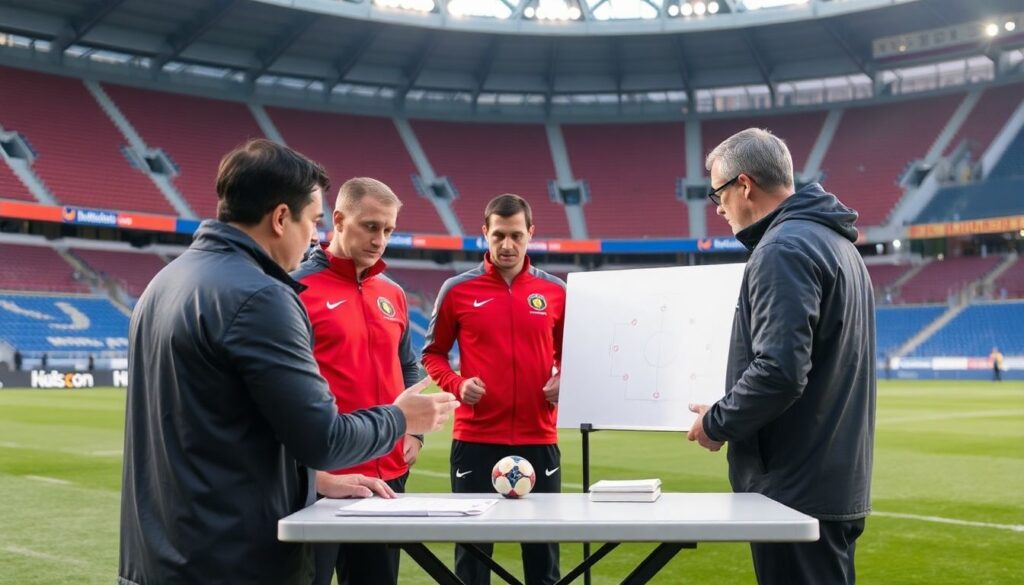
Integrating set‑piece development into a Süper Lig season requires a structured yet flexible roadmap. The idea is to move from basic organization to opponent‑specific refinement without overwhelming players or staff.
Season‑long integration steps

- Pre‑season foundation: Define clear roles, choose a small playbook of core routines and establish training metrics (for example, target success rates in unopposed drills).
- Early‑season monitoring: Track basic outcomes in a simple database, adjusting routines that consistently fail to reach intended zones or runners.
- Mid‑season refinement: Use accumulated turkey super lig match analysis data to identify which opponents struggle with specific zones or blocking patterns, then add two or three tailored variants.
- Run‑in specialization: Before key fixtures, dedicate short but intense sessions to the two or three highest‑probability dead‑ball scenarios identified in recent opponent matches.
- Post‑season review: Evaluate set‑piece KPIs (goals, xG from dead balls, concession patterns) and update your playbook and coaching points for the next cycle.
Mini case: low‑budget Süper Lig club
A resource‑limited club, lacking a specialist analyst, assigns one assistant to tag only corners on a laptop after games. Within a few weeks they notice most dangerous situations come from near‑post flicks and deep outswingers against them.
They respond by introducing a zonal defender on the near post and a specific marker for the opposition’s main aerial threat, plus an attacking routine mirroring the opponents’ own successful pattern. Training consists of short, focused blocks twice per week, with a simple metric: no free headers conceded in the six‑yard zone during practice blocks of ten corners.
Over time, the club reduces clear chances conceded from corners while creating a reliable attacking threat with just a handful of well‑rehearsed routines and basic video review, illustrating that structured thinking and disciplined repetition can rival more expensive analytical infrastructures.
Practical Clarifications and Objections
Do we really need special staff for set-piece work?
No. Dedicated specialists help, but many Süper Lig clubs integrate set‑piece work into existing coaching roles. One assistant can lead routines while another handles minimal data logging; the key is consistency, not additional titles.
How much training time should we allocate to set pieces?
Short, frequent blocks tend to work better than occasional long sessions. Many staffs integrate ten to fifteen minute blocks into tactical days, ensuring routines stay fresh without overloading players physically.
Can technically weak teams rely mainly on set pieces?
Dead‑ball situations can be a major weapon for technically limited squads, but they should complement, not replace, a basic attacking structure. Over‑reliance can make teams predictable if opponents prepare well.
What if our players get bored with repetition?
Varying constraints, adding competition between units and regularly showing video of goals or crucial saves from set pieces keeps engagement high. When players see direct match impact, motivation usually improves.
Is zonal or man‑to‑man defending better for corners?
Both systems can work if they match the squad’s profile and are trained properly. Many Süper Lig teams use a hybrid: zonal players protect key spaces while man‑markers track the best aerial threats.
How can we start with analytics if coaches are not data‑savvy?
Begin with very simple counts and clear questions, for example "Where do we win or lose first contact?" Over time, familiarity grows and more detailed metrics can be added without overwhelming staff.
Are long throw‑ins worth specialized training time?
They are valuable if you have at least one strong long thrower and aerial targets to match. Otherwise, prioritizing corners and wide free kicks is usually a more efficient use of limited training capacity.