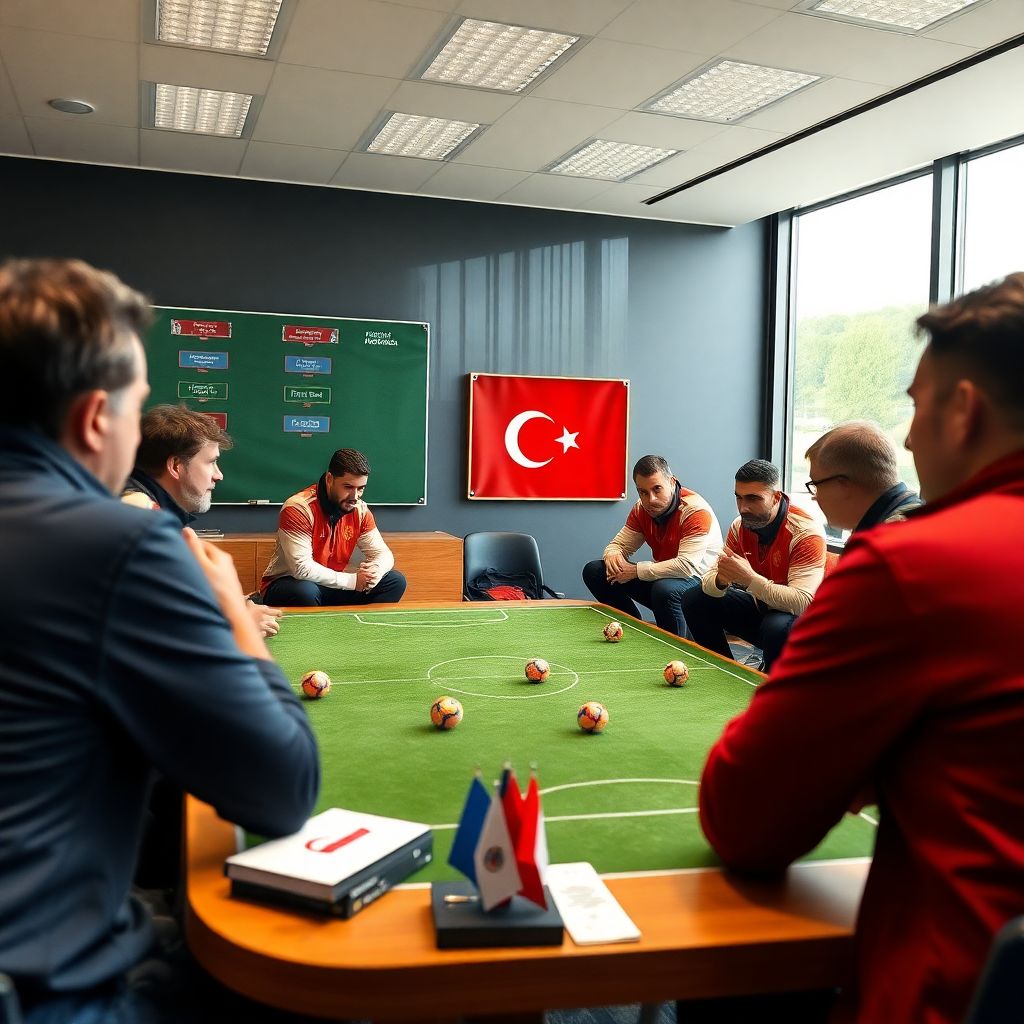
European giants usually adopt three main approaches against Turkish clubs: controlled possession with low transition risk, aggressive high pressing to suffocate build-up, or a hybrid compact mid-block that manages crowd momentum. Each choice balances ease of implementation, players’ profiles and stadium context against risks of counters, set-piece exposure and emotional game swings.
Concise Tactical Summary
- Preparation starts with detailed european teams vs turkish clubs tactical analysis, focusing on tempo control and crowd management more than against most other opponents.
- Most giants prioritise wide protection and second-ball structure because Turkish sides often overload flanks and cross aggressively.
- Midfield rest-defence and counter-pressing are built to survive long transitions, not only short counter-attacks.
- Set-pieces are treated as high-leverage moments, both as a risk and as a primary route to quieten hostile atmospheres like in Istanbul or Trabzon.
- In-game adaptation (especially half-time tweaks) is crucial; first plans often need recalibration once the emotional intensity of the match reveals itself.
- On a risk scale, high pressing is hardest to execute but can produce the clearest superiority; compact control is safer but slower to decide the game.
Club Context and Competitive Stakes: Why Turkish Opponents Change Approaches
European giants typically treat away trips to Turkey as high-variance fixtures: the atmosphere, emotional surges and direct attacking style can punish any tactical looseness. This context shapes everything from the initial game model to small details such as substitution timing or how aggressively full-backs are allowed to overlap.
The competitive frame matters. In the UEFA Champions League, group-stage visits to Istanbul are often approached differently from knockout ties. When champions league european giants vs turkish teams statistics are reviewed inside clubs, analysts highlight how early goals and set-pieces swing probabilities far more than in calmer environments. That pushes many coaches toward risk-controlled possession and strong defensive transition cover.
Domestic context is also key. Turkish giants (Galatasaray, Fenerbahçe, Beşiktaş, Trabzonspor) are used to dominating their league, so against elite European clubs they oscillate between high emotional pressing and deeper counter-attacking blocks. European staff therefore prepare at least two full game plans: one for an aggressive home-side start, and one for a lower block where quick counters through wide or half-space runners are the main threat.
A typical internal football tactics breakdown european clubs vs turkish sides will compare multiple recent matches in Turkey, not just the upcoming opponent, to understand common patterns: flurries of aggressive pressing after referee decisions, fast restarts, and supporters heavily influencing momentum. These contextual factors explain why many giants appear more “pragmatic” in Turkey than in other away fixtures.
| Approach Type | Typical Formations | Pressing Intensity | Ease of Implementation | Primary Risks | Best Use Case |
|---|---|---|---|---|---|
| Controlled Possession / Low Risk | 4-3-3, 4-2-3-1 | Medium, situational press | High (fits most elite squads) | Slower tempo can invite pressure and crowd momentum | First legs, group matches where draw is acceptable |
| Aggressive High Press / Territory Lock | 4-3-3, 3-4-3 | High, front-foot pressing | Low-Medium (requires synchronised squad) | Space in behind, physical fatigue late in game | Technically weaker Turkish build-up sides, cooler conditions |
| Hybrid Compact Mid-Block | 4-4-2, 4-1-4-1 | Medium, pressing triggers only | Medium (clear roles but demands discipline) | Territory cede can lead to heavy crossing and set-pieces | Hostile stadiums, strong crossers and target forwards |
Example: In a match analysis european giants vs galatasaray fenerbahce besiktas report for a Champions League night in Istanbul, one top club’s staff concluded that a hybrid mid-block with controlled build-up minimised chaos, even if it meant fewer attacking waves in the first half.
Takeaway: For most coaches, starting with a controllable structure (possession and mid-block) is easier to coach and less risky than an all-out high press in a loud Turkish stadium.
Handling Wide Threats: Defensive Shapes vs. Turkish Flank Play
Turkish teams, especially at home, often channel their attacks through flanks: wide overloads, overlapping full-backs and early or cut-back crosses. European giants respond with pre-planned defensive shapes that protect the box and half-spaces while still leaving counter-attacking lanes.
- Narrow back four with winger tracking back. The far-side winger tucks in to form a temporary back five in the box, while the near-side winger tracks the overlapping full-back. This is very common when facing strong Turkish crossers.
- Full-back staying, wide 8 pressing out. Instead of the winger dropping deep, the near-side midfielder steps out to press the wide player, while the full-back holds the line to protect the channel and back-post.
- Back three plus wing-back pressure. Against double-wing structures, European teams may shift to a back three in build-up, keeping three players against the striker(s), while wing-backs step out aggressively onto Turkish wingers.
- Double pivot screening half-spaces. Two holding midfielders stay compact, blocking inside cuts and low cut-backs, forcing opponents to cross from wider and less dangerous zones.
- Rotating press between winger and full-back. To prevent fatigue and predictable patterns, pressing from wide zones is alternated: sometimes the winger jumps, sometimes the full-back, with clear cover rules inside.
- Goalkeeper positioning for crosses. Keepers are briefed to be slightly more proactive, claiming higher balls and commanding the six-yard box where Turkish teams often attack with multiple runners.
Example: In one uefa champions league tactical case studies big clubs vs turkish teams review, an English giant used a narrow 4-3-3 with wingers very deep out of possession in Istanbul, turning the back line into an effective six-man unit against constant crossing.
Takeaway: Narrow defending with strong box protection is relatively simple to implement and lowers cross-based risk, but it demands extreme discipline from wingers and can reduce counter-attacking threat.
Midfield Control and Transition: Neutralising Rapid Counters
The core fear of most European coaches in Turkey is the long, direct counter: a ball recovered near the home side’s box, quickly played to a fast winger or striker attacking space behind advanced full-backs. Midfield control and rest-defence are therefore designed to be more conservative than usual.
Typical application scenarios:
- 3+2 Rest-Defence vs Single Striker. When building with three defenders and two holding midfielders behind the ball, the structure ensures immediate access to any Turkish counter runner, even if both full-backs are high.
- 4+1 Behind the Ball vs Dual Wingers. Against sides with two rapid wingers, a back four stays deeper and one pivot sits in front, creating a “net” under possession to delay transitions.
- Staggered 8s to Block Vertical Lanes. One advanced midfielder jumps to press, the other stays deeper to cover the space a Turkish 10 or second striker might exploit during transition.
- Counter-pressing Traps on One Side. Possession is rotated to one flank, where the European team is numerically superior. If the ball is lost, three or four players are immediately in position to press, forcing long clearances instead of constructed counters.
- Pre-planned tactical fouls and delay. Midfielders are explicitly instructed when to “take a foul” to stop a break before it becomes a 3v3 sprint into open space.
Example: In an internal european teams vs turkish clubs tactical analysis for a match in Ankara, one Spanish side decided to keep both holding midfielders behind the ball every time a full-back overlapped, significantly reducing the number of clear Turkish counter-attacks.
Takeaway: Conservative rest-defence is easy to coach and very effective, but it can slow your own attacking rhythm and limit the number of runners you commit into the box.
Applied Micro-Scenarios for Coaches
To bridge concept and practice, coaches can script short scenarios in training that simulate Turkish away conditions:
- Scenario 1: Start with your team 1-0 up, away from home, with 20 minutes left. Turkish side plays long diagonals to wingers. Train how your 3+2 rest-defence shifts and which midfielder blocks cut-backs.
- Scenario 2: Begin from a short corner you lose. Turkish side counters through a fast striker. Rehearse automatic fouling zones, sprint recovery lines and how the weak-side full-back tucks in to cover.
- Scenario 3: Simulate first 15 minutes in Istanbul: high crowd noise, Turkish team pressing wildly. Work on your pivot dropping into the back line and your keeper using longer build-up to bypass initial pressure without panic.
Targeting Set-Pieces and Aerial Battles: Planning for Physical Duels
Set-pieces are often decisive in Turkey, where delivery quality and aerial aggression are strong on both sides. European giants prepare not only to survive Turkish dead-ball routines but also to exploit their own height and structure to score and calm the game.
Benefits of Structured Set-Piece Focus
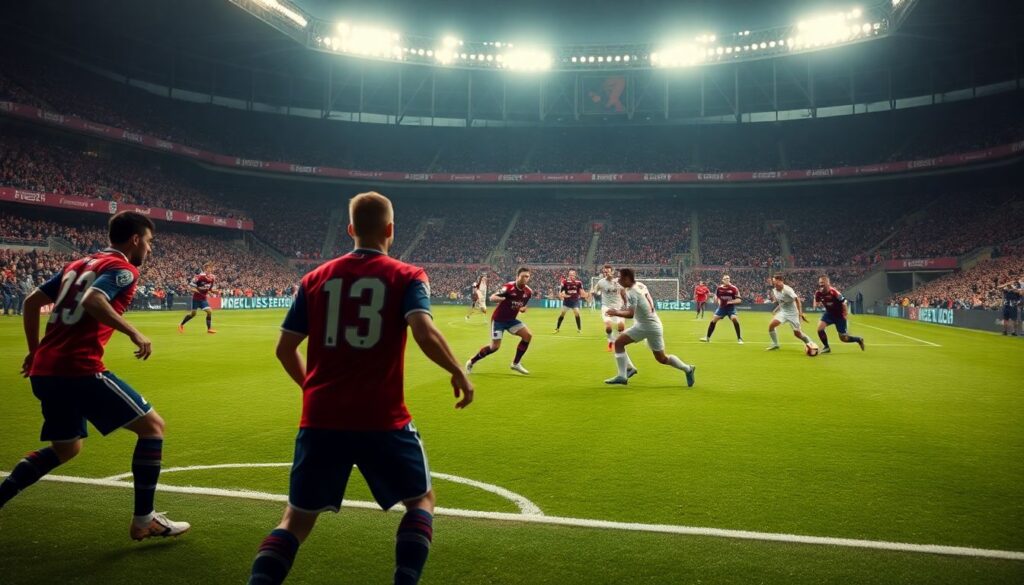
- Clear routines reduce chaos in hostile stadiums, giving players automatic reference points under pressure.
- Well-trained blocking and running patterns can turn corners and free-kicks into a primary scoring route when open play is disrupted.
- Dominant defensive set-piece structure cuts off one of the main emotional weapons of Turkish teams: big crowd reactions to near-misses and scrambles.
- Targeting specific Turkish markers (for example, weaker aerial full-backs) creates mismatches that are relatively low-risk to exploit.
- Practised second-ball organisation around the box can sustain pressure and keep the ball away from dangerous transitions.
Limitations and Risk Factors
- Over-focusing on set-pieces can lead to passive open-play strategy, inviting sustained pressure between dead balls.
- Heavy use of tall, aerially strong players may reduce mobility in defensive transitions.
- Complex routines are harder to execute under noise and emotional stress; simpler patterns are often more reliable away in Turkey.
- Sending many players forward increases the chance of conceding long counters if delivery or timing fail.
- Refereeing style in European competitions can vary, making certain blocking moves more likely to be punished.
Example: In a famous tie involving a northern European giant away to Fenerbahçe, the visiting team scored from a rehearsed near-post corner routine, then shifted to a more conservative approach that largely neutralised Turkish crowd energy.
Takeaway: Structured set-piece work is relatively easy to implement and offers high reward, but coaches must constantly weigh aerial dominance against mobility and counter-attack exposure.
In-Game Adaptations: Substitutions, Tempo Management and Tactical Tweaks
Even the best pre-match plans need fine-tuning once the game in Turkey starts. Substitutions, tempo control and subtle structural changes are the main tools European giants use to manage momentum swings and physical fatigue in these fixtures.
Typical Errors and Misconceptions
- Waiting too long to adjust shape. Some coaches delay moving from a high press to a mid-block even when Turkish counters are clearly becoming more dangerous, leading to unnecessary exposure.
- Ignoring emotional fatigue. Playing in highly charged Turkish stadiums is mentally draining; substitutions are sometimes made purely on physical criteria, overlooking players who are emotionally overloaded.
- Misjudging tempo when leading. A common myth is that slowing the game is always safer. In Turkey, over-slowing can invite waves of crosses and corners instead of keeping the ball higher up.
- Under-using full-back rotation. Full-backs absorb constant sprints against Turkish wingers. Some staffs change wingers but keep tired full-backs on, creating late-game mismatches.
- Over-committing after scoring. Another misconception is that Turkish teams will mentally collapse after conceding. In reality, emotional response can be the opposite, so stability and structure remain essential.
- Failing to “flip” strong and weak sides. Coaches sometimes keep attacking down one wing even when Turkish adjustments have closed that side, instead of re-orienting play to exploit the opposite flank.
Example: In one high-profile tie in Istanbul, a leading European club switched from 4-3-3 to 4-4-2 mid-block on 60 minutes, adding a fresh midfielder to the wide line. This reduced Turkish crosses and stabilised the final half hour.
Takeaway: Flexible in-game adaptation is harder to train than fixed game plans, but in Turkish away matches it often decides whether early control is converted into a stable result.
Match Case Studies: Two Detailed Analyses of European Giants vs Turkish Sides
This section synthesises patterns from multiple uefa champions league tactical case studies big clubs vs turkish teams and similar fixtures, focusing on actionable lessons rather than exhaustive match reports.
Case Study 1: Possession Control vs Galatasaray in Istanbul
Plan: An elite Spanish club visited Galatasaray with a strict possession-control strategy: 4-3-3, low-risk build-up, and heavy protection of half-spaces. The idea was to limit transitions and progressively drain intensity from the crowd.
- Offensive organisation: Full-backs advanced in staggered fashion; only one overlapped at a time. The pivot stayed deeper, creating a 3+2 structure behind the ball.
- Defensive approach: Out of possession, the wingers dropped very deep to form almost a 4-5-1, closing wide lanes and allowing crosses mostly from less dangerous zones.
- Adjustments: After an early spell of Turkish pressure, the coach ordered longer spells of sideways circulation to slow tempo and reduce transition frequency.
Outcome pattern: Few big chances were conceded, but the visiting team also created less from open play than usual. The game was largely decided by one well-executed attacking pattern and careful set-piece work.
Coaching takeaway: This approach is relatively easy to drill and low-risk, but requires acceptance that you may win by small margins rather than overwhelming dominance.
Case Study 2: High Pressing vs Fenerbahçe at Home, then Away
Plan: A German giant chose aggressive high pressing against Fenerbahçe at home, then needed to adapt this plan for the away leg in Turkey.
- Home leg: 4-2-3-1 with very high full-backs and intense counter-pressing. Turkish build-up struggled to progress, and turnovers near the box generated multiple chances.
- Away leg: The same base formation, but with modified pressing triggers: high press only on backward passes or poor first touches, otherwise falling into a medium block.
- Wing management: Wide players were instructed to track back further in the away match, effectively creating a situational 4-4-2 out of possession.
Outcome pattern: The home performance showed the maximum upside of high press; the away match showed how the same principles had to be diluted to manage space and stamina under Turkish crowd pressure.
Coaching takeaway: High pressing can deliver the clearest superiority but is technically and physically demanding. Blending it with a compact mid-block away from home reduces risk without abandoning the aggressive identity of the team.
Practical Tactical Clarifications
How should a mid-level European club choose between high press and compact block in Turkey?
Start from your squad’s physical and organisational capacity. If synchronised pressing is not already a clear strength, favour a compact mid-block with strong rest-defence, adding short high-press phases only on specific triggers like goal-kicks or slow Turkish build-up.
Are three-at-the-back systems safer against Turkish wide play?
They can be, but only if wing-backs are extremely disciplined. A back three gives extra coverage in the box, yet if wing-backs jump too high or too early, Turkish wingers can still find space behind them and isolate wide centre-backs.
How much should set-piece preparation change specifically for Turkish opponents?
Principles remain the same, but emphasis shifts: more time on defending inswinging deliveries, rehearsed clearances to safe zones, and simple attacking routines that are easy to recall in noisy stadiums. The goal is clarity under stress rather than complexity.
Is it wise to rotate heavily before away games in Turkey?
Heavy rotation can disrupt automatisms needed under pressure. Limited, role-based rotation (for example, one fresh midfielder and one full-back) is usually safer, preserving core relationships in build-up, pressing and rest-defence while managing fatigue.
What is the biggest tactical risk European teams underestimate in Turkey?
Many underestimate how quickly Turkish teams can switch from passive to ultra-aggressive pressing after emotional triggers, such as a near-miss or refereeing decision. Structures must be robust enough to handle sudden increases in tempo and directness.
Can a European giant safely “park the bus” for 90 minutes in Turkey?
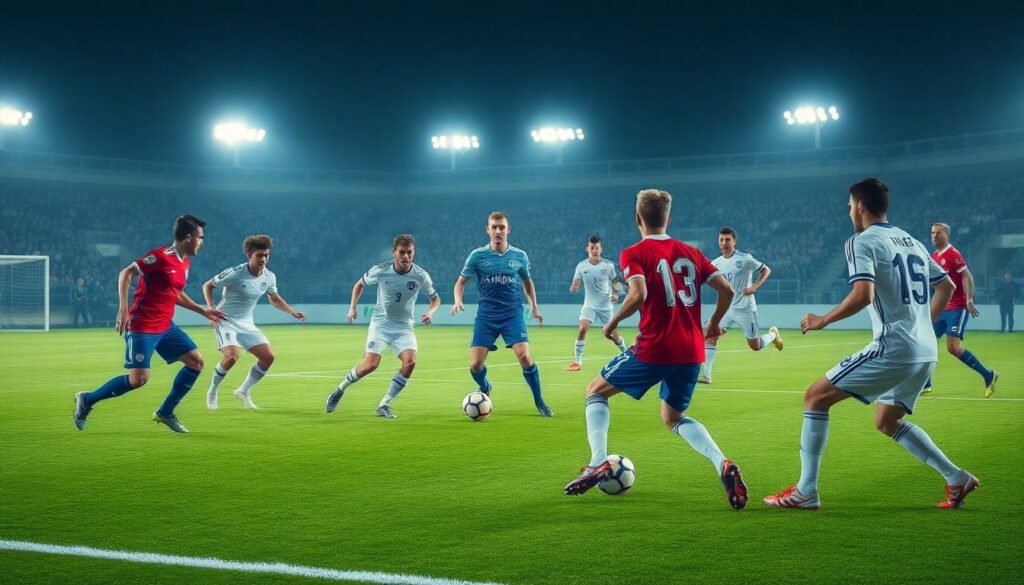
A pure low block for the entire game invites enormous pressure, crosses and set-pieces. It is usually safer to mix compact defending with controlled possession phases, using the ball as a defensive tool to relieve constant siege.
How important is goalkeeper distribution in these fixtures?
Extremely important. Goalkeepers must be comfortable alternating between short build-up to draw out pressure and longer, safer passes when the stadium energy spikes. Poor distribution can feed Turkish momentum and crowd involvement.