The real role of pressing in today’s Süper Lig
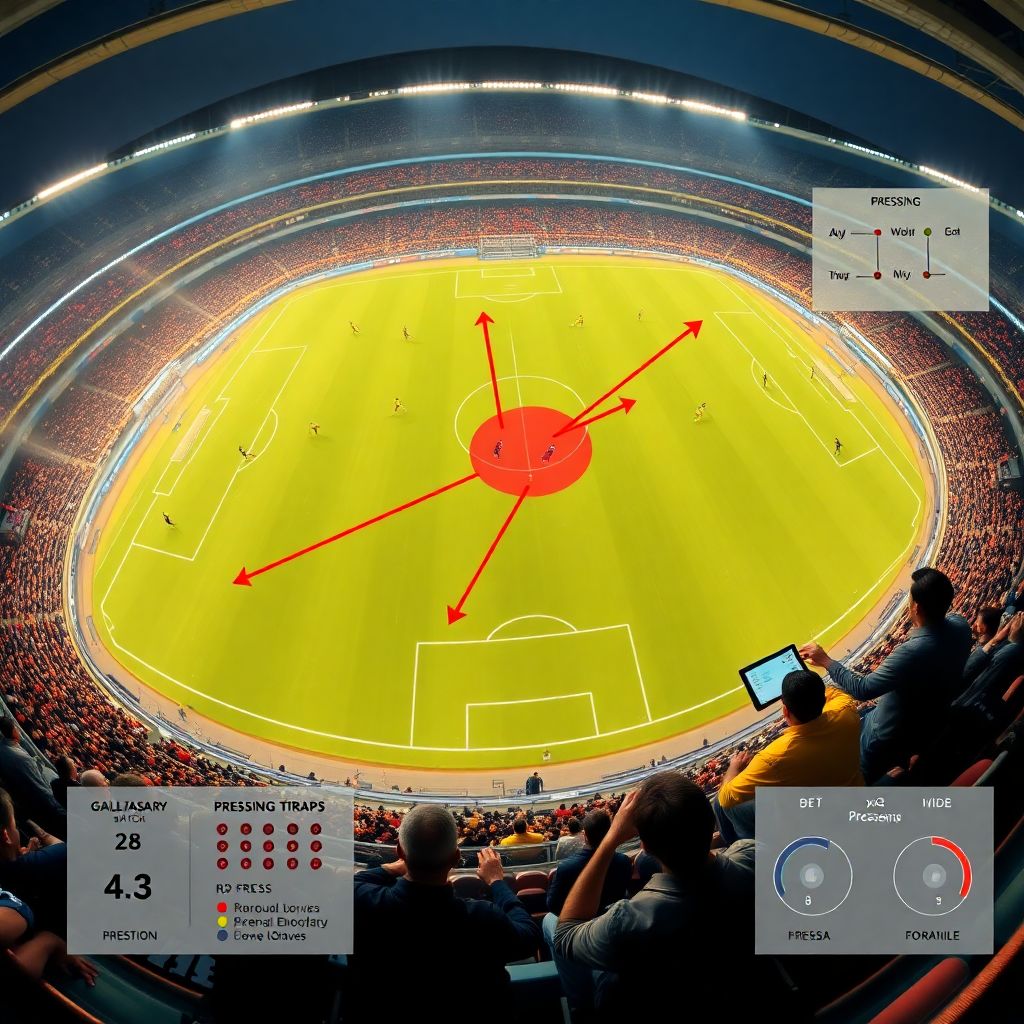
Pressing in the Süper Lig is no longer a trendy add‑on, it’s the entry ticket to competing at the top. When you look at any serious Super Lig tactical analysis pressing and counter pressing always sit near the centre of the discussion, because they shape where the game is played and how quickly you reach the final third. Teams like Galatasaray and Fenerbahçe don’t just “run a lot”; they script pressing triggers, direct opponents into traps and prepare rehearsed outlets for the first pass after winning the ball. Without that structure, running turns into chaos.
Common rookie mistakes in high pressing
Beginners usually copy highlight clips instead of the underlying logic. First, they press man‑to‑man all over the pitch and forget about compactness; one wall‑pass and the whole block is gone. Second, they chase the ball instead of closing passing lanes, so rivals break lines with one vertical pass. Third, they ignore the goalkeeper and centre‑backs as extra pressers, leaving huge gaps behind. In the Süper Lig this is punished fast: a mistimed jump on a wet pitch in Trabzon or Sivas becomes a counter in three touches.
– Typical rookie errors:
– Pressing with no clear trigger or final target
– Wingers jumping out while midfield stays deep
– Back line not stepping up with the press
Real cases: how top clubs fine‑tune pressure
Take Galatasaray’s home games last season: they often started with a mid‑block, then switched to a short, violent high press right after losing the ball in wide zones. That small twist stopped rivals from calmly building from throw‑ins and second balls. Fenerbahçe under aggressive coaches used a similar approach, but with more risk: full‑backs flew high, trusting the “rest defence” of centre‑backs to handle long balls. When this worked, they looked like one of the best high pressing teams in Turkish Super Lig; when distances stretched, transitions against them were brutal.
Counter‑pressing: the first pass is your best defender
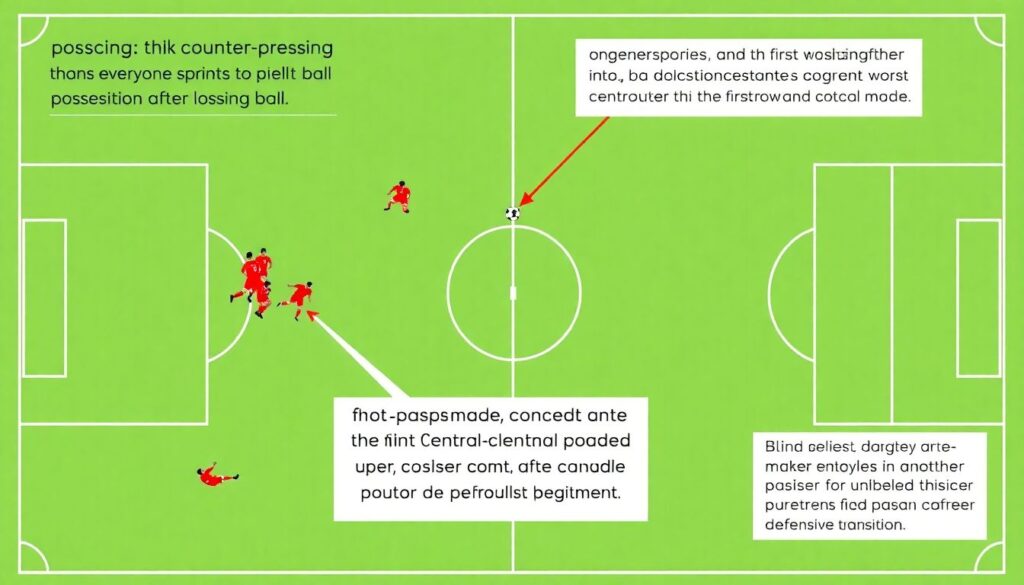
Most beginners think counter‑pressing means “everyone sprint to the ball after losing it”. In reality, the first pass you try to play when you regain possession largely decides if you will have to defend the next transition. If that pass is blind and central, you invite a turnover in the worst spot. Smart Süper Lig sides, like Başakşehir at their peak, used an extra midfielder behind the ball as a safety valve: win it, bounce it back, then switch. That rhythm kills counter‑attacks before they start and reduces emergency defending.
Non‑obvious solutions: pressing less to defend better
One underrated trick is to deliberately press less in certain phases. Some coaches in Turkey have realised that constantly jumping high against three‑at‑the‑back systems only opens space for wing‑backs. Instead, they invite the first pass wide, lock the flank, and then overload with a late striker press from the blindside. This “delayed squeeze” looks passive on TV, but it’s tightly calculated. Against technical sides, pressing the second or third pass, not the first, often forces play into your strongest duels instead of into their best dribblers.
Using numbers: stats that actually matter
Raw running distance tells you almost nothing. If you look at serious Turkish Super Lig pressing stats and team rankings, you’ll notice the best sides combine high PPDA (pressure intensity) in specific zones with low shot volume conceded from counters. That balance is the real indicator. Assistants now clip every pressed action and link it to xG created or prevented. For coaches, this means training plans must connect physical drills, pressing patterns and finishing in one flow, not in isolated blocks spread randomly through the week.
Data‑driven tweaks for coaches and scouts
Clubs are quietly leaning on specialised tools: a Turkish Super Lig data analytics service for coaches and scouts might tag each press by trigger (back‑pass, bad touch, aerial duel) and outcome (turnover, foul, bypassed). When you review a month of games that way, a pattern emerges: maybe your left winger presses too early, or your six doesn’t slide quickly enough. Instead of blaming “lack of intensity”, you fix specific behaviours. For scouts, this data highlights players who press smart, not just those who sprint for the cameras.
– What to monitor in video and data:
– Distance between lines at the moment of press
– Number of players behind the ball when you lose it
– Where regains happen and what follows in three passes
Transitions: attacking within three seconds
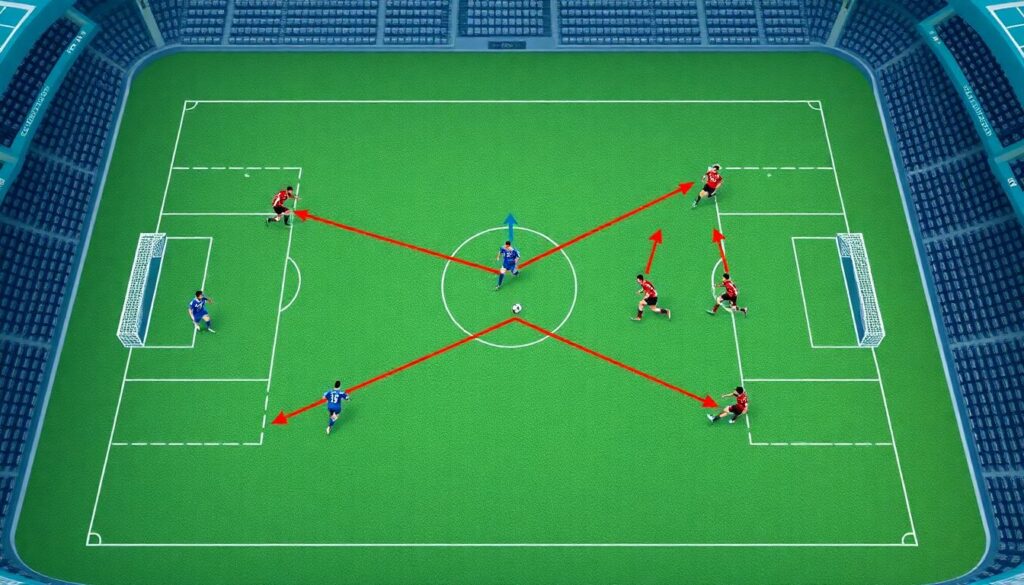
Modern Süper Lig teams train the first three seconds after a regain almost like set pieces. Adana Demirspor under attack‑minded coaches often looked forward immediately: one vertical pass into the striker, runners wide, and a cut‑back. The catch: if the forward can’t hold the ball, you fuel the opponent’s counter‑attack. The sweet spot is recognising when to go straight and when to stabilise with a sideways pass. Young players usually choose the Hollywood ball; pros feel the risky moments and keep the game in a controllable tempo.
Alternative methods for low‑budget sides
Not every club can recruit eleven sprinters. Smaller Süper Lig teams have found value in “zonal ambushes”: they drop into a compact 4‑4‑2, concede harmless passes between centre‑backs, and only explode when the ball enters a pre‑agreed trap zone, such as the half‑space near the touchline. This saves energy and keeps shape. Another low‑cost trick is heavy use of touchline as a “12th defender”: guide play wide with curved runs, then use the line to limit angles so even slower defenders can step in and win duels cleanly.
How pressing shapes predictions and game plans
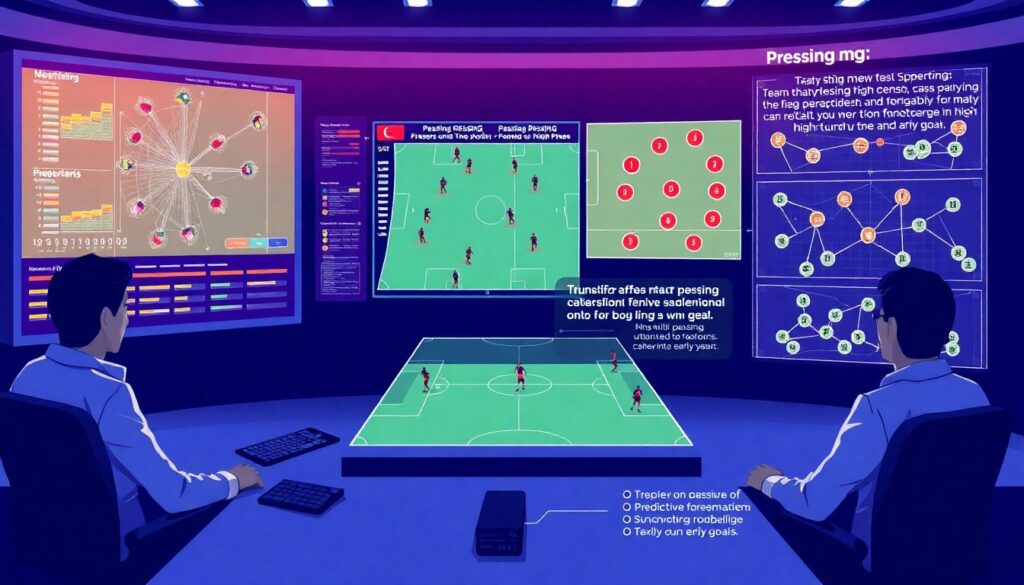
Analysts increasingly build Super Lig match predictions based on pressing tactics rather than just line‑ups or form tables. If one team struggles to play out under pressure and faces an opponent with a synchronised press, the model nudges probabilities towards high‑turnover chances, early goals and more cards. For staff, this influences training focus before a fixture: maybe you emphasise long build‑ups and second balls for one week, then short combinations under pressure in the next. Tactical fit, not just star quality, decides the likely flow of the game.
Pro‑level lifehacks to avoid rookie traps
To step beyond beginner level, treat pressing as a full‑team skill, not a front‑three hobby. Start every tactical session by setting one non‑negotiable rule, like “no press without three‑man support behind the ball”. Film small‑sided games from behind the goal to check vertical compactness frame by frame. Force your striker to call the pressing trigger out loud; if he can’t name it, the press is probably random. And once a week, rehearse a scenario where you intentionally drop off and *don’t* press, just to keep players from chasing out of habit.
Комментарии