When Europe Visits Istanbul: Why Turkish Home Crowds Feel Like a Twelfth Player
From Inönü to Rams Park: How the Myth of Istanbul’s Atmosphere Was Built
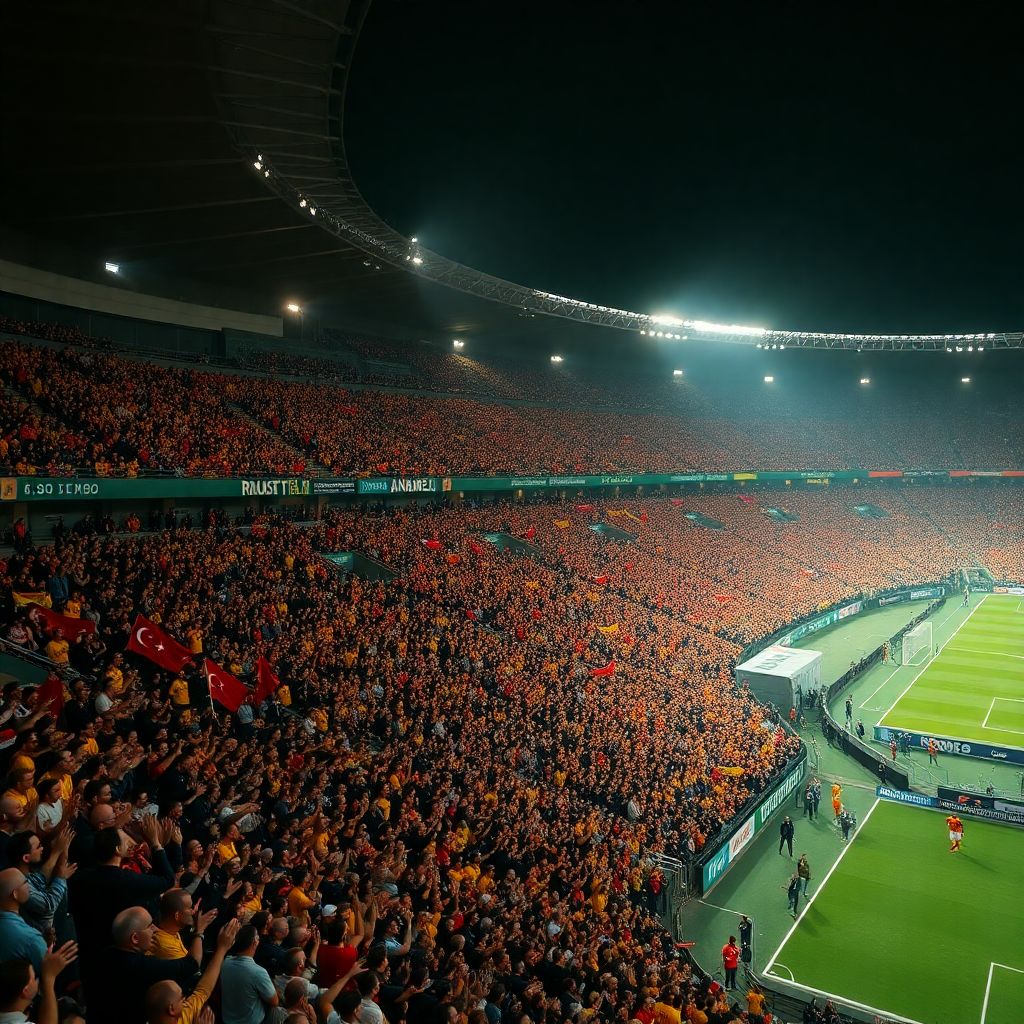
When people talk about hostile away grounds in European football, Istanbul almost always turns up in the first sentence. That reputation didn’t appear out of nowhere. It grew over decades, from the old Ali Sami Yen and Şükrü Saracoğlu to today’s modern arenas like Rams Park and the revamped Beşiktaş stadium on the Bosphorus. In the 1990s and early 2000s, European visitors stepped into atmospheres that felt more like political rallies than sports events: continuous noise, choreographed tifos, and a kind of collective emotional charge that many clubs in Western Europe hadn’t really seen before. This is how the phrase “Welcome to Hell”, born around Galatasaray’s European nights, imprinted itself on the continental football psyche and turned Istanbul away fixtures into a sort of psychological test as much as a tactical one.
Psychological Mechanics: Why Istanbul Crowds Disturb European Visitors
From a sports psychology perspective, the Turkish home advantage is more than just shouting. You have an environment where crowd density, acoustic design of the stadiums, and ultra-group coordination intersect. Chants don’t come in short bursts; they roll for 90 minutes and often start an hour before kick-off, creating a form of sensory overload for visiting players. Studies on crowd noise and decision‑making show that elevated decibel levels can disrupt communication patterns, especially for teams that rely heavily on pre‑structured build‑up cues. In Istanbul, that effect is amplified by choreography, pyrotechnics (now regulated but symbolically important), and intense visual stimuli that prime both home and away players emotionally before the first whistle, often altering their arousal levels and risk tolerance during the match.
Measuring the Edge: Home Advantage and Statistical Trends
If we zoom out and look at numbers from the mid‑1990s up to the mid‑2020s, Turkish big three clubs—Galatasaray, Fenerbahçe, Beşiktaş—have consistently overperformed at home in European competition relative to their away form. While exact figures fluctuate by era and tournament, the pattern is stable: win rates in Istanbul are significantly higher than on the road, and goal differentials swing noticeably in favour of Turkish sides at home. Even when squads are objectively weaker on paper, the home leg in Istanbul tends to neutralise at least part of the talent gap. Analysts who model expected goals (xG) versus actual outcomes regularly point out that foreign teams visiting Istanbul underperform in finishing and passing accuracy, particularly in the first 20–25 minutes, a classic indication of stress and incomplete adaptation to environmental pressure.
Historical Milestones That Cemented the Fear Factor
Several landmark nights helped create the modern narrative of “don’t underestimate Istanbul away”. Galatasaray’s run around the 1999–2001 period, including famous home results against top European visitors, became part of UEFA folklore. Beşiktaş and Fenerbahçe added their own chapters with upset wins and intense knockout ties that turned home legs into emotional events watched across the continent. Over time, these moments formed a collective memory: fans, players, and even commentators began to treat an away leg in Istanbul as a special case, not just another fixture. That expectation alone reinforces the psychological advantage, because European teams arrive primed to “survive the atmosphere”, which subtly shifts their focus from playing their usual game to damage control in the opening phases.
Modern Stadiums, Same Intensity: Architecture Serving Psychology
How New Arenas Amplify Crowd Noise and Emotional Energy
The move into modern, bowl‑style stadiums did not dilute the Turkish advantage; it optimized it. Acoustic engineers and club planners designed these venues to trap sound, making chants echo and layer on top of each other. Steep stands pull supporters closer to the pitch, shrinking the perceived spatial buffer that usually protects players. From a cognitive standpoint, that tighter distance heightens perceived social evaluation—players feel more “observed” and more quickly punished by whistles or rewarded by roars. European teams used to more open, less vertical stadiums sometimes report that the pitch “feels smaller” in Istanbul, even when dimensions are standard. That sensation speaks directly to how architectural design can alter spatial perception and stress levels during high‑stakes Champions League and Europa League fixtures.
Digital Era, Global Audiences and the Amplification Loop
Since around 2015, social media has transformed specific Istanbul nights into viral experiences. Clips of choreographies, decibel readings from derbies, and tunnel footage of away players walking into a wall of sound circulate almost instantly. This creates an anticipation loop: young European players see those videos years before they actually travel, internalising the idea that Istanbul is “different”. By the time they stand in the players’ tunnel, they are not entering a neutral environment but a place already loaded with meaning and expectation. This form of pre‑exposure can shape their mental scripts, making them more cautious, more conservative, or in some cases over‑motivated, all of which deviate from their normal performance routines and subtly increase variance in match outcomes.
Fan Culture, Rituals and the Micro‑Level of Home Advantage
Ultras, Choreographies and Collective Identity in the Stands
Turkish supporter culture is built on strong group identities: ultrà groups coordinate songs, banners, and visual displays with almost military discipline. These rituals are not only for show; they function as psychological tools. For home players, synchronised chanting at high volume reinforces a sense of collective backing and reduces perceived individual responsibility for errors. For opponents, the same effect can feel like being surrounded by a single, unified opponent beyond the eleven players on the pitch. When a full stadium moves as one—clapping, jumping, roaring—it communicates dominance and control, which sports psychologists often label as environmental intimidation. Over 90 minutes that ambience can wear down concentration, especially in defenders and goalkeepers who spend more continuous time facing the stands.
Derby Culture and Its Spill‑Over Into European Nights
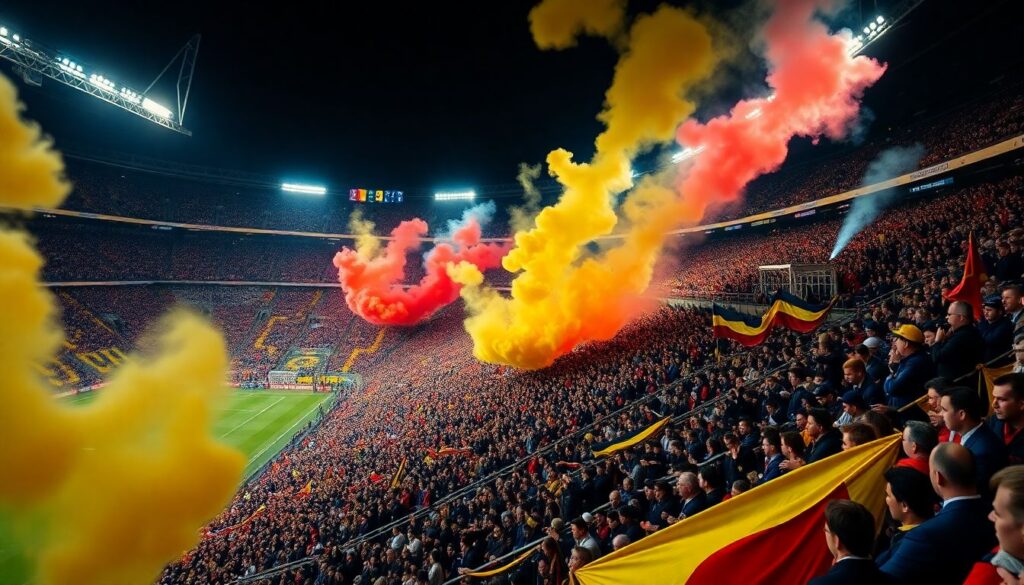
The emotional baseline of Istanbul fans is calibrated by some of the most heated domestic rivalries in world football. The psychological temperature of a Fenerbahçe–Galatasaray or Beşiktaş–Fenerbahçe derby is already extremely high, and this energy spills over into European fixtures. Supporters approach a Champions League group game or a Europa League knockout as another chance to assert the status of Turkish football on an international stage. This sense of representing more than just a club—sometimes a city district, a political stance, or a social identity—loads the event with additional significance. It’s one reason demand for istanbul derby tickets fenerbahce vs galatasaray remains high even among foreign fans: they want to experience the raw emotional climate that then transfers to European matchdays against continental giants.
Economics of Fear: How Atmosphere Becomes a Revenue Stream
Ticketing, Premium Experiences and Dynamic Pricing
The psychological mythology around Istanbul home crowds has direct economic consequences. Clubs monetise high‑profile European nights through dynamic ticket pricing, VIP boxes, and hospitality packages. Visitors searching for tickets galatasaray vs european clubs istanbul quickly learn that pricing reflects not only sporting importance but also the promise of a unique atmosphere. Demand from international fans, football tourists, and corporate clients allows clubs to tier pricing more aggressively for knockout rounds and marquee group games. On the domestic front, football match tickets istanbul turkish super lig encounters against traditional rivals are often bundled with cup or European fixtures, smoothing revenue streams across the calendar while still capitalising on peak emotional demand around specific matchups.
Sports Tourism and Travel Packages Built Around Atmosphere
By 2026, sports tourism agencies have fully recognised that the experience of a Turkish crowd is a product in itself. Many sports travel packages to istanbul football matches now explicitly market the intensity of the stands, not just the quality of football on show. These packages combine accommodation, stadium tours, and guaranteed seat categories aimed at international visitors eager to witness what they’ve seen on broadcasts and social media. As airlines and hotels align promotions with major fixtures, a whole micro‑economy forms around European matchweeks. The city benefits from increased off‑season occupancy, while clubs use this extra attention to reinforce their global branding, merchandise sales, and long‑term international fan acquisition.
Broadcasting, Branding and the Wider Football Industry
Television Rights and the Value of an Unpredictable Environment
Broadcasters love narrative, and Istanbul provides it every time a European heavyweight visits. Shots of flares (where allowed), giant tifos, and the visceral reactions of players under pressure translate into compelling television. Networks use these images in promotion, which in turn helps justify premium rights fees for matches hosted in Turkey. From an industry standpoint, the Istanbul home advantage becomes part of the entertainment package: viewers tune in not only to see whether a big club will advance, but to see how they cope with the cauldron. This perception of volatility and drama is strategically valuable when leagues and confederations negotiate international licensing deals and streaming partnerships for continental competitions.
Venue Reputation and the Hospitality Sector
Outside the stadiums, Istanbul’s hospitality sector has adapted to football demand patterns. Bars, rooftop lounges and sports cafés compete to be ranked among the best places to watch champions league in istanbul, installing giant screens, tailored sound systems, and club‑themed interiors. Matchdays become city‑wide events, where even tourists without tickets can tap into the emotional atmosphere. This spillover helps normalise higher food and beverage pricing during big fixtures and encourages venues to maintain sports‑friendly infrastructure year‑round. In parallel, local tour operators and hotels curate football‑oriented city breaks, guiding visitors from historical districts like Sultanahmet to stadium museums and fan zones, blending cultural tourism with matchday experiences.
Forecasts: How the Home Advantage Might Evolve by 2030
Regulations, Technology and Shifting Competitive Balance
Looking toward the end of the decade, several factors will shape Istanbul’s psychological edge. UEFA safety regulations and technology—such as advanced surveillance and stricter pyrotechnics controls—might slightly tone down certain traditional elements of visual intimidation. At the same time, improvements in pitch‑side communication tools, noise‑cancelling headsets for technical staff, and more standardised pre‑match routines could help visiting teams manage environmental stress better. Yet the core drivers of home advantage—crowd coordination, identity, and narrative—are harder to regulate away. As long as Turkish clubs remain competitive enough to host knockout‑stage fixtures, their stadiums are likely to retain above‑average impact on visiting teams’ performance metrics, even if raw decibel levels plateau due to regulatory ceilings.
Globalisation of Fanbases and Hybrid Atmospheres
Another evolving dimension is the composition of the crowd itself. As Istanbul’s clubs expand their international brand, the stands gradually incorporate more neutral or foreign supporters drawn by reputation rather than lifelong loyalty. This can, in theory, dilute pure home bias. However, there is also a counter‑dynamic: local ultra groups increasingly professionalise their organisation, using social media and fan education to sustain rigorous chanting cultures even in more mixed crowds. By 2030, we may see “hybrid” atmospheres where a core of highly coordinated local fans drive the emotional temperature, while international visitors participate as enthusiastic amplifiers. For the football industry, this blend is ideal: intense but marketable, intimidating on the pitch yet accessible for global audiences and commercial partners.
Practical Impact on Fans and Clubs
What Visiting Supporters and Tourists Should Expect
For neutral fans or tourists planning their first trip, the psychological legend of Istanbul is not just a story—they’ll feel it from the moment they step off the tram near a stadium and hear chants echoing through side streets. Demand for football match tickets, especially during European weeks and classic domestic derbies, regularly outstrips supply. Visitors often end up exploring official club channels or trusted resellers for football match tickets istanbul turkish super lig games as a more accessible alternative when European fixtures sell out. Meanwhile, fan‑friendly infrastructure—signage, safety briefings, multilingual stewards—has improved steadily, allowing newcomers to immerse themselves in the noise without being overwhelmed by logistical stress.
Strategic Lessons for Clubs Across Europe
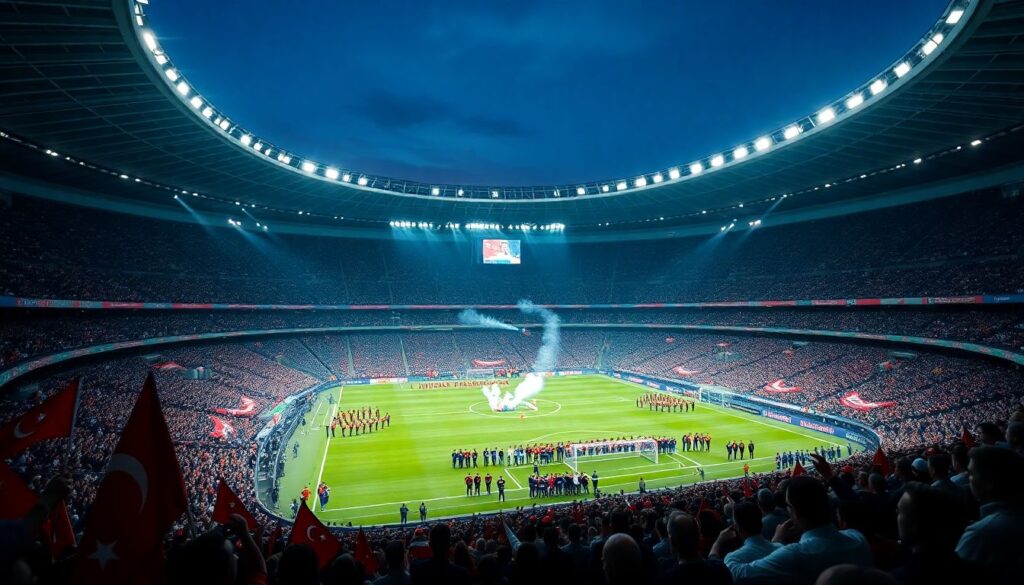
Clubs elsewhere in Europe increasingly study Istanbul as a living case study in engineered home advantage. They analyse how supporter groups coordinate, how clubs sequence pre‑match ceremonies, and how stadium design affects acoustics and sightlines. Some elements are hard to copy—historical rivalries, city identity, and decades of accumulated mythology. But others, like choreographed tifos, drum‑led chanting patterns, and targeted fan education about when to increase noise pressure, are already being adapted in Germany, England, and even parts of Southern Europe. The goal is not to clone Turkish culture but to adopt its core principle: when used intelligently, the crowd is not just background noise, it is a strategic asset that can tilt close games in favour of the home side.
Actionable Takeaways for Different Stakeholders
How to Navigate and Leverage Istanbul’s Psychological Edge
1. Clubs and coaching staffs visiting Istanbul should integrate crowd‑simulation elements into pre‑match preparation—training with artificial noise and rehearsing on‑field communication protocols—to reduce the initial shock of the environment.
2. Local clubs can continue optimising scheduling, pre‑match shows, and supporter coordination to maintain high emotional intensity while aligning with evolving safety regulations and broadcast demands.
3. Travelers planning a football‑centric trip can look for integrated sports travel packages to istanbul football matches, which now frequently bundle secure ticket access, stadium transfers, and guided experiences in traditional fan areas.
When all these layers—history, architecture, culture, economics—interlock, the result is what we see whenever Europe visits Istanbul in 2026: 90 minutes where the match is played by 22 professionals, but decided, at least partly, by tens of thousands of voices shaping the psychological landscape around them.
Комментарии