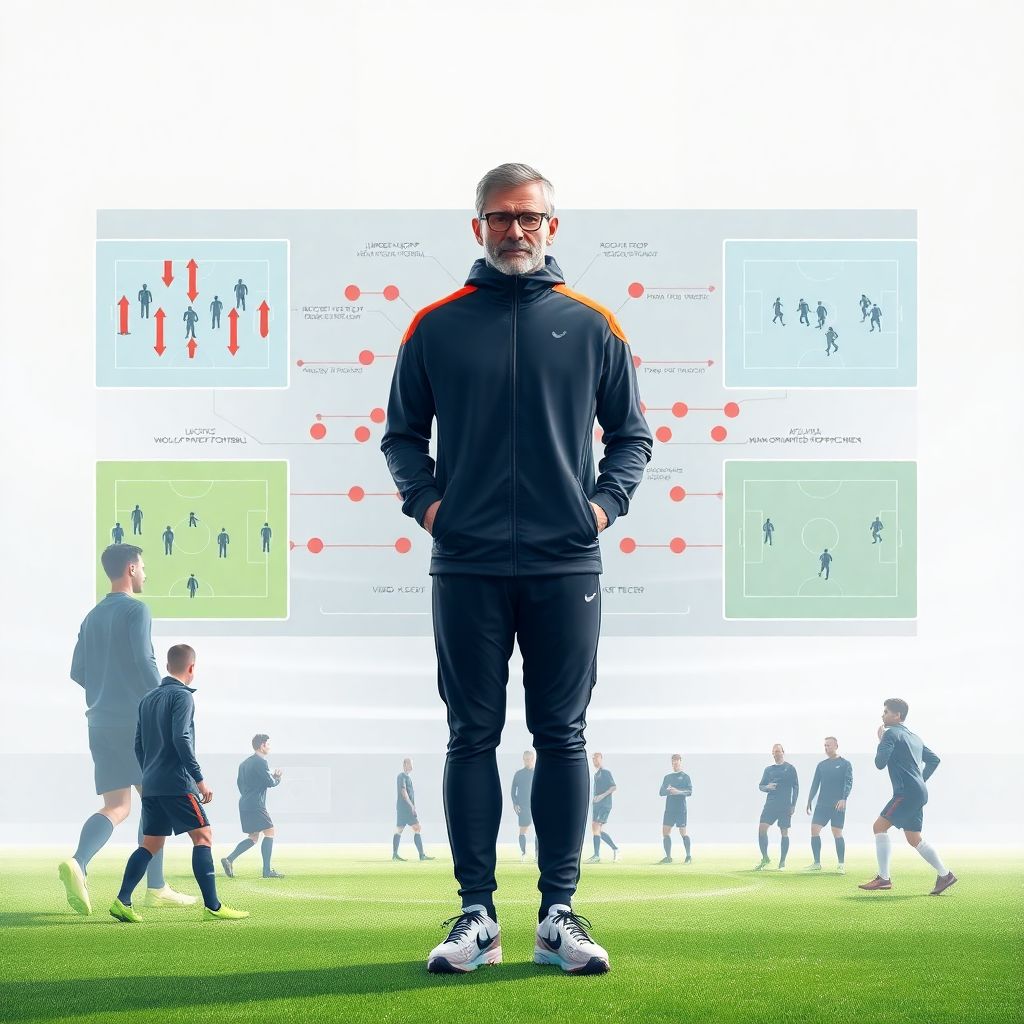
Why Game Models Became the New Superpower
If you talk to modern European coaches today, most of them will start not with formations, but with one thing: the game model. It’s basically a detailed answer to the question “How exactly do we want to win?” – in every phase, against different opponents, with these specific players. Instead of copying a trendy 4‑3‑3, they design a blueprint that connects training sessions, data, and match behavior. That’s why two teams in the same league with similar budgets can look completely different: one presses like crazy, another patiently lures the opponent in. The key? A clear game model that tells players what to see, how to decide, and why their style makes sense, even when the result goes against them for a week or two.
Inspiring Examples: From Whiteboard to Identity
Look at Jürgen Klopp’s Liverpool at their peak. The famous “heavy-metal football” wasn’t just emotion; it was a strict, rehearsed game model: narrow pressing triggers, set rest-defense positions, even patterns for winning second balls. Or take Roberto De Zerbi at Brighton: his build-up isn’t chaos, it’s a deliberate provocation model designed to attract pressure and open space behind the first line. In Germany, Julian Nagelsmann used different structures at Hoffenheim and Leipzig, but the underlying idea stayed consistent: dominate through superior positioning and flexible roles. These coaches proved to players that style is not a luxury; it’s an applied framework that turns individual qualities into a recognizable, repeatable collective behavior.
Real-World Cases: How Coaches Built Their Style Step by Step
One strong example is the rise of Brentford under Thomas Frank, influenced heavily by ideas circulating in football coaching courses Europe wide. Instead of buying “names”, they built a game model around set-piece dominance, smart pressing, and data-driven shot selection. Training drills mirrored exactly those principles: repeated restarts, rehearsed movements for second balls, and clear rules on where to force the opponent. Another case is Gian Piero Gasperini at Atalanta: his aggressive man-oriented pressing and vertical attacks looked risky at first, but over time the squad internalized the rules so deeply that defenders started stepping into midfield almost like playmakers, knowing the cover structure was pre-defined, not improvised in the moment.
Successful Projects: Youth Academies and Smaller Clubs
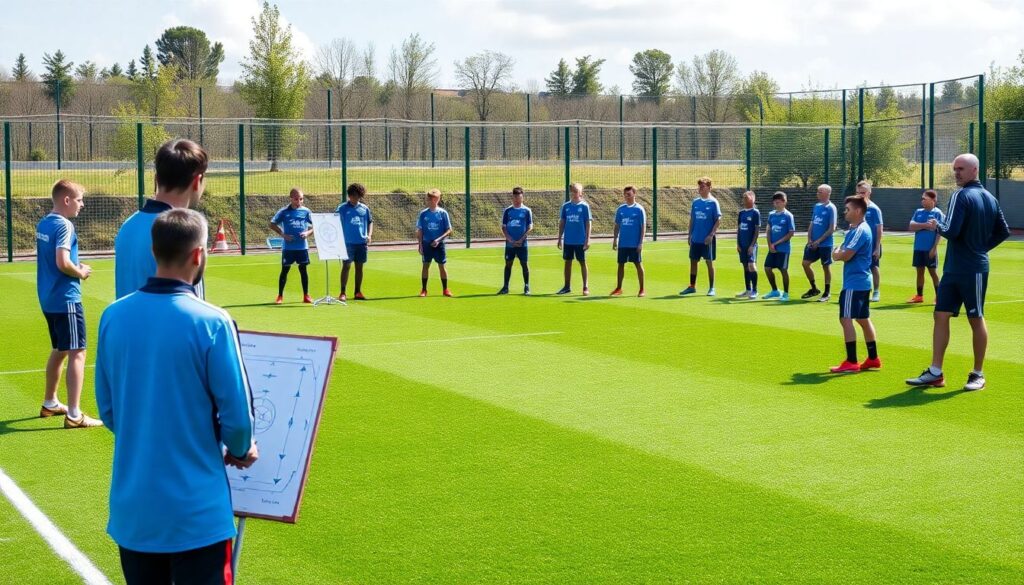
It’s not only top clubs. In Portugal, several academies redefined themselves by anchoring a game model from U13 upwards: building from the back, brave pressing, and constant positional rotations. Coaches used a simple principle: every drill must connect to at least one game-phase behavior. A similar story unfolded in Scandinavia, where a second-division staff built a clear transition-focused model and, within two seasons, became a promotion contender. They relied on video, clear keywords, and small-sided games that repeated the same pressing and counter-attacking patterns. Here the game model acted like a filter: any new player or staff member had to adapt to the shared football language, rather than dragging the club back into old, chaotic habits.
How to Develop Your Own Game Model as a Coach
If you’re mapping out your style, don’t start with fashionable buzzwords; start with your reality. What kind of players do you actually have, and what can they physically and mentally execute over 90 minutes? Write down four chapters: with the ball, against the ball, transitions, and set pieces. For each chapter, define two or three non‑negotiable principles. Then turn them into specific training themes across the week. High‑level courses like a uefa pro license coaching program will push you to formalize this, but you can already begin by filming games, tagging repeating situations, and asking: “Did my principles show up here or not?” Over time, your game model becomes less about theories and more about observable, measurable behaviors.
Resources and Tools to Sharpen Your Tactical Thinking
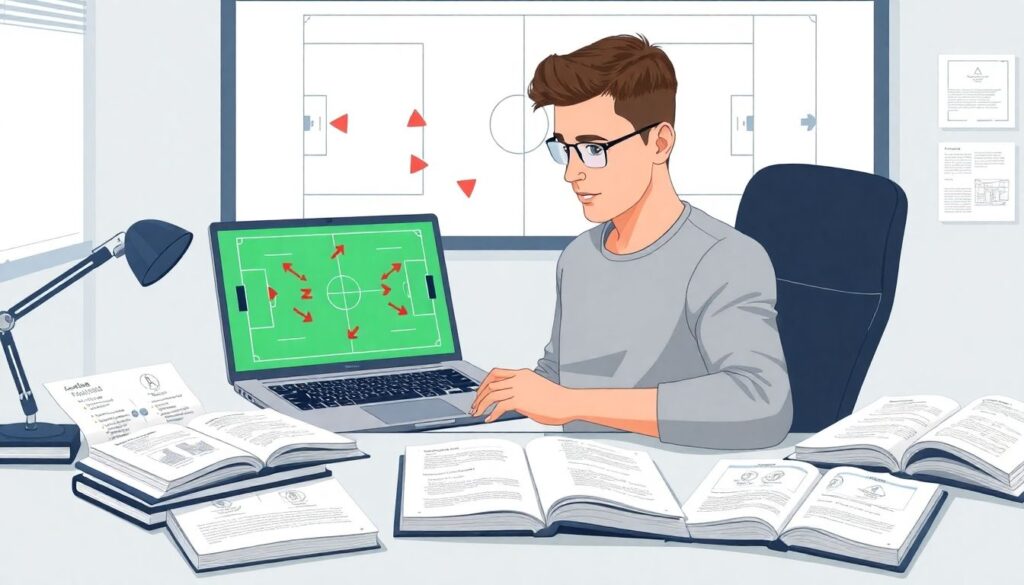
To speed up your learning curve, mix structured education with self-driven study. An online soccer tactics course for coaches can give you a framework for phase-based analysis, while modern football coaching books on game models help you see how top managers translate philosophy into training blocks and match plans. Add technology to the mix: good soccer coaching software for tactical analysis lets you tag phases, track pressing triggers, and build video playlists around your principles. The real magic happens when players get access to those clips and start using the same language: “third-man run”, “cover shadow”, “rest-defense”. That shared vocabulary tightens your game model and turns it from a coach’s document into a living, breathing identity on the pitch.