
Why Set-Piece Science Matters for Turkish Clubs
Across Europe, between a quarter and a third of all goals come from corners, free-kicks and throw-ins, and in tight leagues those extra 8–10 goals per season often decide European spots or relegation battles. Süper Lig clubs still tend to treat restarts as “moments to improvise”, while the big trend in England, Spain and Germany is treating them like mini R&D projects. For Turkish teams, that gap is both a risk and a huge opportunity. If you can turn dead-ball situations into a repeatable weapon, you don’t just score more – you also stabilise performance, because well-drilled patterns work even when form dips or key attackers are missing.
Building a Data-Driven Set-Piece Model
Collecting the Right Data
Before you draw a single routine, you need evidence. That starts with simple tagging: who takes each restart, delivery type, target zone, first contact, shot or not, xG, and outcome. From there, you layer in opponent tendencies: zones they consistently leave free, markers who ball-watch, keepers who rush and get stuck. In practice, this means using performance analysis software for football clubs rather than just re-watching highlights on YouTube. A couple of interns with Excel is not enough; if you want sustainable edges, you need structured databases, agreed tagging standards and a weekly process for reviewing what works and what needs ditching.
Turning Numbers into Routines
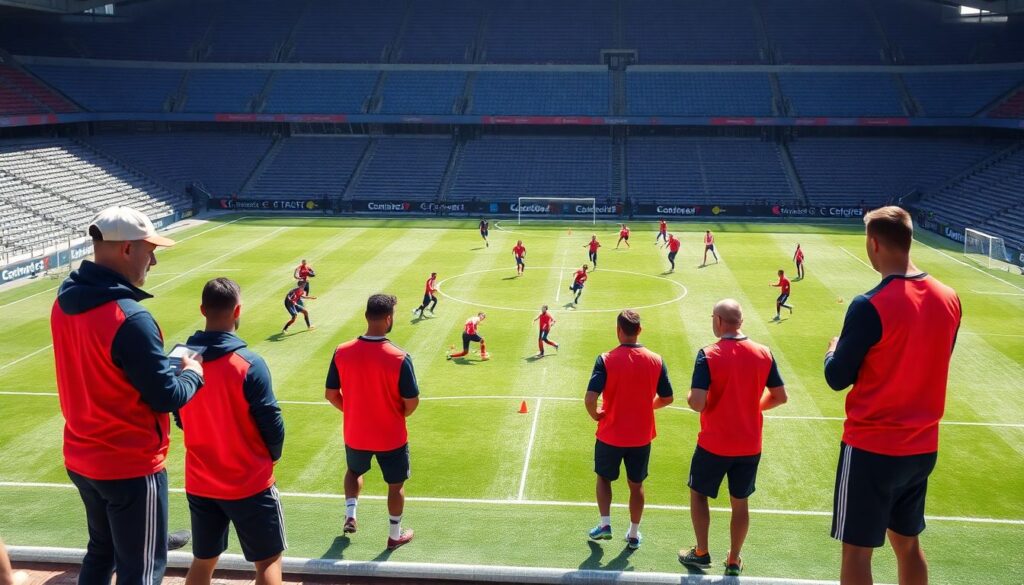
The next step is turning data into simple, trainable patterns. Think in “templates”, not magic plays: one for beating zonal lines, one for isolating your best header, one for drawing out a weak marker. This is where specialised football analytics consultancy for clubs and modern football set piece coaching can really lift the level. Analysts propose high-value zones and triggers; coaches translate that into cues players actually remember under pressure. Keep the language short and visual: “Screen 9”, “Backdoor 2”, “Crowd Keeper”. Each routine gets a clear objective and a quick checklist: who blocks, who distracts, who attacks which space, and who minds the counter.
Training Ground: From Whiteboard to Pitch
Role-Specific Drills
On the training pitch, the biggest mistake is running generic corner drills where everyone just “runs into the box”. Instead, treat restarts like American football plays with defined roles. Your centre-backs, full-backs, forwards and even defensive midfielders must know their starting spots, runs and reactions if the first plan fails. This is essentially soccer set piece tactics training: short, intense blocks focused on timing, screens and physical duels. To make it stick, rotate constraints:
– Limit touches or time to force quick deliveries and decisions
– Start from different crowd-noise levels to simulate pressure
– Alternate “A” and “B” calls at the last second to train adaptability
Decision-Making and Communication
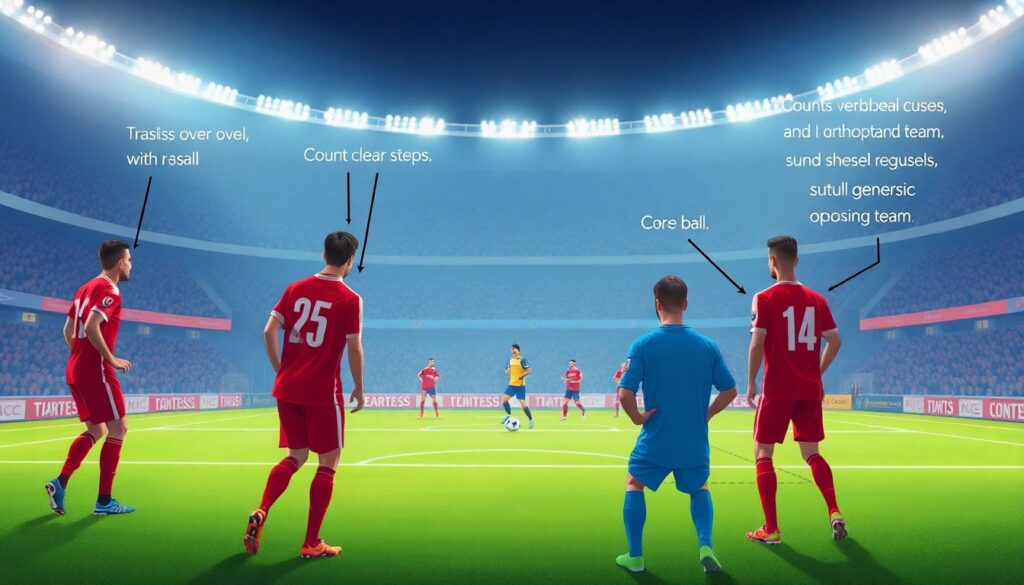
Even the smartest routine dies without communication. Turkish teams often go quiet at restarts, relying on pre-agreed signals players forget in minute 88. Build clear, discreet codes: hand positions, steps away from the ball, verbal cues that sound generic to opponents. Then rehearse them at match tempo. For each key restart zone – attacking corner, deep throw, central free-kick – define who is the “director” and who has override power if they spot a mismatch. Use video of your own sessions to review:
– Was the call made early enough?
– Did everyone recognise the signal?
– Did players have a Plan B once the defence adjusted?
Economic and Strategic Upside
Cost–Benefit for Turkish Clubs
From a budget angle, set-piece optimisation is low-cost, high-impact. You don’t need to outspend rivals on transfers; you need 1–2 staff members with time, plus decent data feeds or set piece analysis services for football clubs that package the insights for you. Compare that to buying a striker who might add five league goals: for the same price as part of his salary, you can build a framework that lifts overall goal output, raises player valuations and improves your league position bonuses. For smaller Anatolian clubs, this is a realistic way to punch above your wage bill; for the Istanbul giants, it’s a route to close the gap on European powerhouses without breaking FFP rules.
Impact on the Turkish Football Industry
If even a handful of Süper Lig sides commit to this long term, it reshapes the local ecosystem. Academies will start teaching restart roles earlier, agents will sell players on their “set-piece utility”, and domestic analysts will specialise instead of heading abroad. Companies providing football set piece coaching, set piece analysis services for football clubs and broader performance tools will see more demand, pushing standards up. Over time, Turkey can become a reference market for applied restart science, not just for passionate atmospheres. The clubs that move first will not only gain points; they’ll define the benchmarks others must chase, and that competitive pressure will lift the whole league.