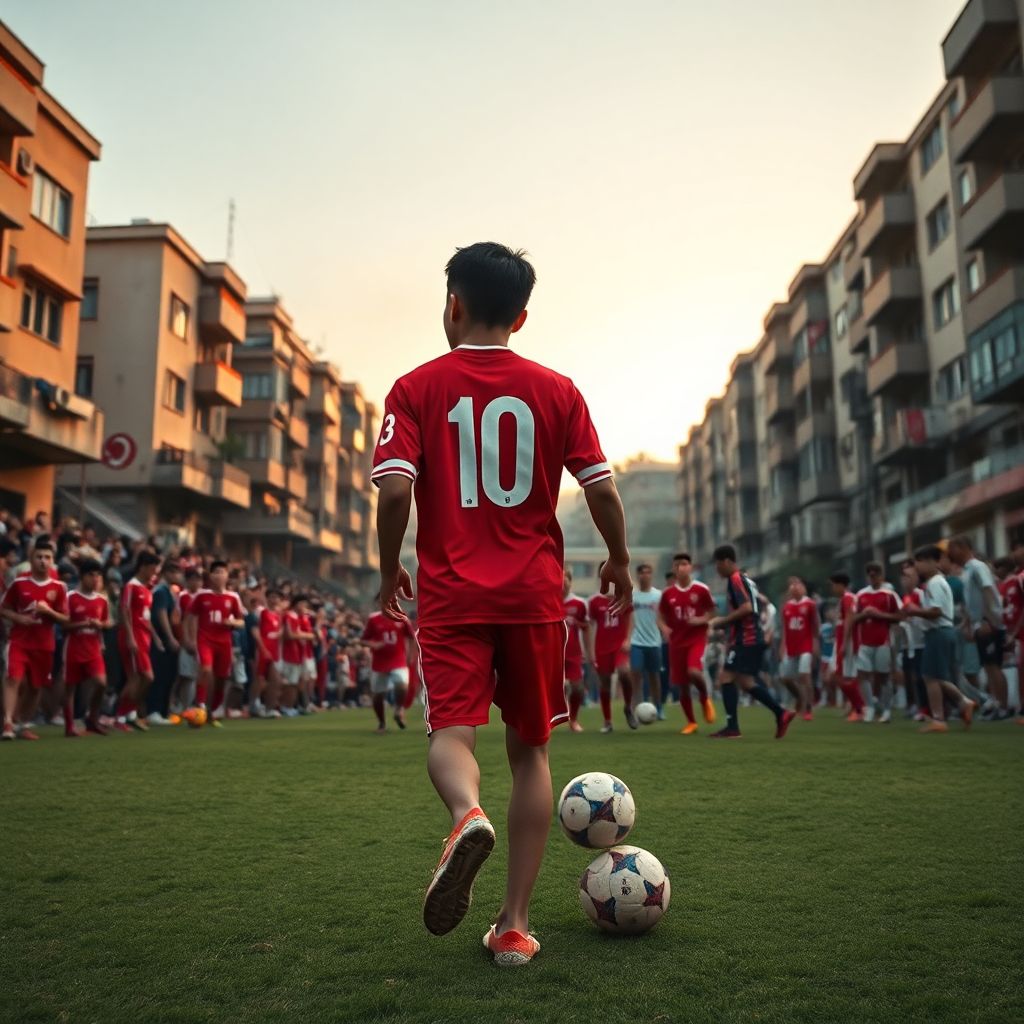
In Turkey, the No.10 shirt has always carried a special kind of electricity. It’s the number kids draw on their backs in schoolyards, the role that promises both responsibility and freedom. But standing in 2026, it’s clear this position is no longer just about silky passes and slow jogs between the lines. The Turkish No.10 has evolved from a classical playmaker who painted the game with a few touches, into a modern creator who presses, sprints, scans, and leads. Understanding this journey is not just football nostalgia; it’s a roadmap for the next generation of players, coaches and even analysts who want to keep Turkish football at the creative edge.
The roots: from street playmakers to tactical brains
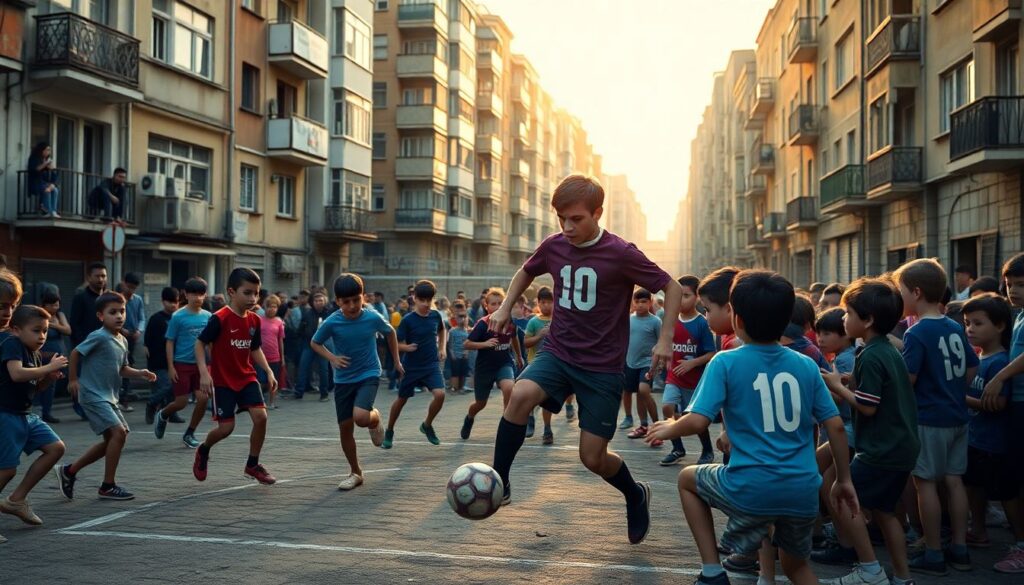
The classic Turkish No.10 grew up on the street and in tight community pitches, not in carefully scripted academies. Vision, first touch and improvisation were shaped by crowded games where you might share a ball with 15 kids. Coaches often built teams around that one gifted “on numara” who could decide a match with a single through ball. Tactically, these playmakers were protected: others ran, they thought. Systems were usually 4‑2‑3‑1 or 4‑3‑1‑2, with the No.10 floating between lines, loosely marked and free from heavy defensive duties. This almost romantic model shaped expectations for decades, even while modern football quietly moved in a more demanding direction.
Inspiring examples who redefined the Turkish No.10
Over time, several Turkish and Turkey‑based No.10s showed that creativity and work rate can coexist. They blended the elegance of old‑school maestros with the intensity of modern pressing. These players didn’t just collect assists; they dictated tempo, led the press and constantly scanned the pitch. Young fans in Istanbul, Trabzon or Izmir started copying not only their tricks, but also their body language before receiving the ball, their habit of checking shoulders, their relentless movement between lines. If you watch highlight reels plus full‑match footage, you notice something important: their genius looks spontaneous, yet it’s supported by hours of repetition, video analysis and position‑specific coaching that earlier generations never had access to.
From artists to hybrid athletes: what changed tactically
The biggest shift came when pressing and data entered Turkish football in full force. Coaches stopped tolerating a “passenger” in midfield, even if he wore the iconic shirt. The modern creator now sprints to close passing lanes, triggers counterpressing and supports full‑backs defensively. At the same time, they attack space more aggressively, making third‑man runs instead of always standing still to receive to feet. Clubs use football analytics software for creative midfielders to study shot‑creating actions, expected assists and pressing efficiency. This data doesn’t replace intuition, but it sharpens it: the No.10 must prove, in numbers, that their risk‑taking actually helps the team over 90 minutes and over a full season.
How to grow into a modern No.10 in 2026
If you dream of wearing the No.10 in Turkey today, you need a wider skill set than playmakers of the past. Technical brilliance is non‑negotiable, but without physical resilience and tactical intelligence you simply won’t last at the top. Training should mix street‑style creativity with structured drills: rondos for quick decisions, small‑sided games under pressure, and sprint‑based conditioning. Mentally, you must embrace responsibility: you are the reference point in possession and the first defender in counterpressing. Even at amateur level, film your games, track your running data and ask for honest feedback. The modern No.10 is basically a curious scientist inside an artist’s body, constantly testing and refining how to create advantages.
– Focus every week on one micro‑skill (weak‑foot passing, scans before receiving, disguised through balls).
– Add interval sprint training so you can press and then immediately receive under fatigue.
– Review video of your matches to spot recurring spaces you miss or occupy too late.
Training grounds of the future: camps and club projects
Across the country, academies and independent coaches are building specialized turkish football playmaker training camps that simulate real Super Lig tempo. In these camps, No.10s learn to receive under contact, play one‑touch combinations and immediately transition into pressing once possession is lost. Some clubs run pilot projects where youth teams use GPS vests and position‑specific metrics even at U‑14 level, teaching kids that creativity must be repeatable, not accidental. Case studies from these projects show a clear pattern: players exposed early to structured scanning drills and decision‑making games adapt much faster to professional demands, and they feel more confident taking risks because they understand where the “safe” zones and timings for risk actually are.
Gear, data and digital classrooms for creators
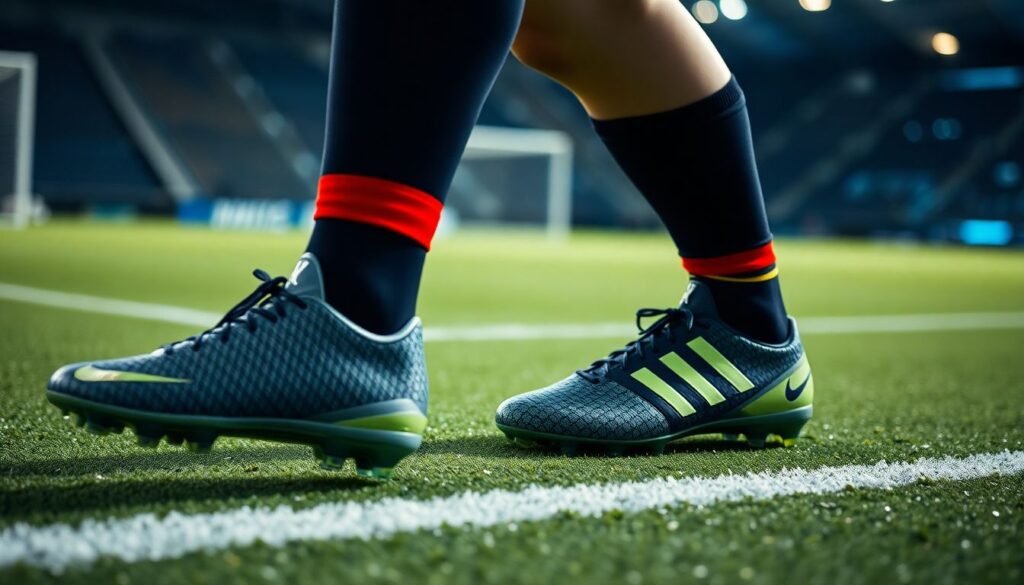
Even the little details matter. Many young playmakers obsess about the best no 10 football boots for playmakers, looking for models that improve touch on firm Turkish pitches and allow quick changes of direction on worn artificial turf. More importantly, digital tools exploded by 2026. There are tailored online courses for football playmakers no 10 role that break down movement patterns, body orientation and passing angles with 3D animations. Amateur and semi‑pro clubs increasingly invest in affordable analysis platforms, using football analytics software for creative midfielders to tag key actions, build personal highlight reels and track long‑term progress. When you combine quality boots, intelligent online learning and real‑match data, you build a self‑coaching environment around the player.
– Use online platforms to study world‑class No.10s and compare your heatmaps with theirs.
– Keep a simple performance diary after matches: decisions you regret, passes you saw but didn’t attempt.
– Rotate boots and surfaces in training so your first touch becomes reliable in any stadium conditions.
Living the No.10 dream from the stands to the pitch
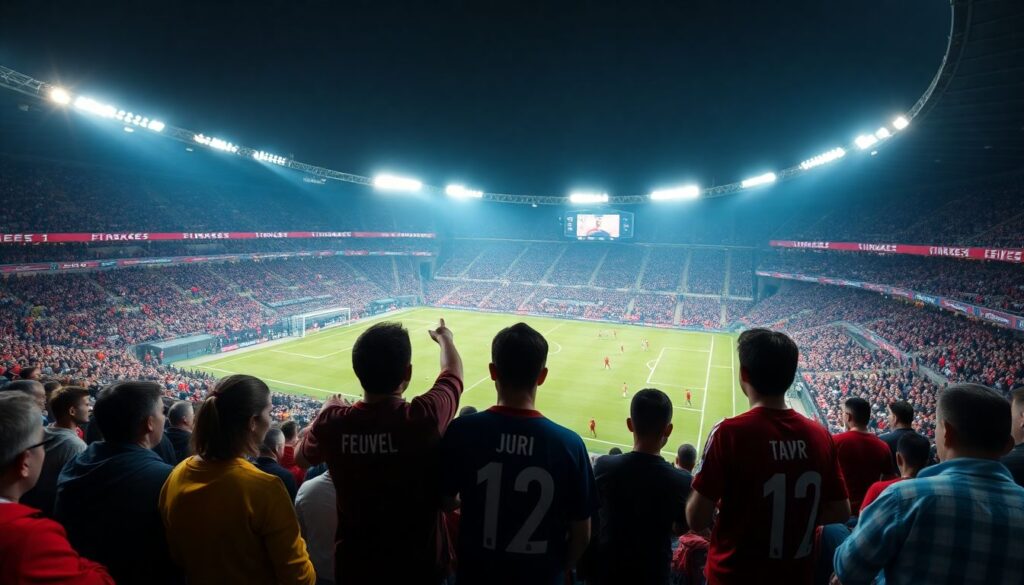
Experiencing elite playmaking live still shapes ambitions in a way YouTube never can. Many youngsters save up for turkish super lig tickets istanbul big matches to watch high‑pressure derbies from the stands, studying how top creators move when they’re off camera on TV. Observing them organize pressing, gesture to team‑mates and react to mistakes is a free masterclass in leadership. Back home, those images can fuel a year of disciplined training. The psychological link is powerful: once you’ve felt the stadium shake after a killer pass, you understand that the No.10 role is not about highlight clips; it’s about carrying the emotional rhythm of thousands of people for 90 minutes, every week.
What’s next: a forecast for Turkish No.10s beyond 2026
Looking ahead from 2026, the pure “luxury” playmaker will almost disappear in Turkey. Instead, we’ll see two main archetypes. First, the hybrid playmaker‑8 who covers huge distances while still delivering final passes. Second, the inverted wide creator, wearing 10 but starting from the flank, drifting inside into classic No.10 zones. Data‑driven coaching will intensify, with academies using AI tools to model decision trees for kids as young as 13. Yet the essence will stay the same: creativity born from chaos. Street football, futsal halls and crowded schoolyards will keep producing daring minds. Those who combine that raw imagination with science, discipline and humility will write the next chapters of the No.10 story in Turkish football.