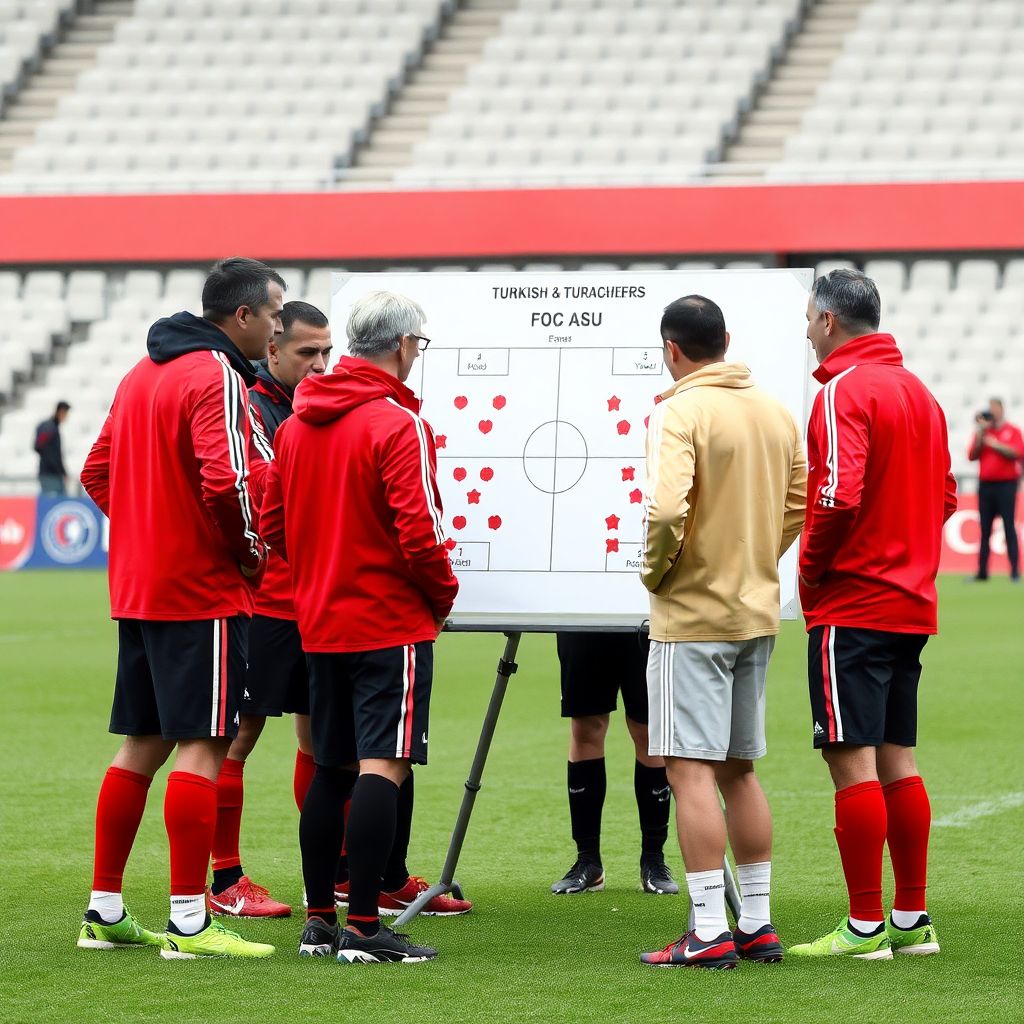
For most teams in Turkey, a hybrid model works best: adopt structured, high-intensity pressing ideas from top European leagues, but scale the height and aggression of the press to Süper Lig tempo, refereeing and squad profiles. Choose your pressing style by league context, player archetypes, and the data you can reliably track.
Pressing at a Glance: Core Differences Between Leagues
- Top European leagues sustain higher collective intensity and more coordinated counterpressing than the Süper Lig.
- The Süper Lig features more transitional chaos and individual duels, demanding adaptable rather than rigid pressing systems.
- Premier League sides often prioritise vertical, high pressing; many Turkish teams favour midblocks with aggressive trap zones.
- Bundesliga and some La Liga teams excel at gegenpressing; Süper Lig clubs more often press selectively after poor opposition touches.
- European squads usually have deeper, fitter rosters to maintain pressing over long seasons; most Turkish squads must manage loads carefully.
- Data coverage for European football pressing tactics analysis is richer, enabling more granular optimisation than in domestic Turkish data sets.
Tactical Philosophies: Gegenpressing, Zonal and Man-Oriented Approaches
When you compare pressing styles between top European leagues and the Süper Lig, choose your base philosophy using these criteria:
- Squad physical profile: High and continuous gegenpressing, common in the Bundesliga or Premier League, needs repeated sprints and fast recovery. If your Süper Lig squad is older or less aerobic, prefer zonal midblocks and shorter pressing bursts.
- Collective tactical IQ: Positional, zonal pressing like many La Liga sides demands strong spacing, cover shadows and communication. In squads with mixed tactical education, a simpler man-oriented press with clear match-ups can be more robust.
- Keeper distribution and back-line passing: In a Premier League vs Turkish Super Lig playing style comparison, back lines in England are usually more press-resistant. Turkish defenders will more often struggle under pressure, so you may exploit higher presses domestically but need more balanced strategies in Europe.
- Opponent build-up style: Deep, short build-up favours coordinated, zonal or mixed presses with curved runs. Direct, long-ball opponents in the Süper Lig often require man-oriented pressing on second balls and vertical compactness rather than elaborate pressing traps.
- Transition philosophy: Gegenpressing suits teams that attack with many players and want immediate regains after loss. If your attacking structure is conservative, a compact midblock built on zonal references may create safer transitions.
- Refereeing and foul tolerance: In some Süper Lig matches, physical contact and tactical fouls are whistled more tightly than in certain European fixtures. Overly aggressive man-oriented pressing can produce dangerous free kicks and cards; zonal schemes help reduce reckless duels.
- Training time and staff expertise: Implementing a complex European-style pressing playbook requires video, positional games and feedback loops. If you lack a large staff, advanced tracking or a tactical analysis subscription European leagues and Super Lig wide, favour a simple rule-based scheme your players can internalise quickly.
- Club identity and recruitment: Clubs branding themselves as intense, modern and proactive can justify investing in high pressing structures. Others, especially with limited scouting networks, may better match local market profiles with flexible midblocks plus targeted gegenpressing zones.
Intensity Metrics: PPDA, Sprint Rates and Distance per Minute
Before selecting a pressing intensity, understand how leagues differ structurally. The table below summarises typical patterns, independent of any one provider’s exact numbers.
| League | Typical Press Type | Indicative PPDA Range (relative) | Typical Triggers | Key Risks |
|---|---|---|---|---|
| Premier League | High, vertical press with frequent counterpressing | Lower PPDA (more aggressive than Süper Lig baseline) | Back-pass to GK, wide CB receiving, poor first touch | Space behind back line, fatigue, exposure to direct pace |
| Bundesliga | Gegenpressing after loss, high or mid press | Low to medium PPDA, big spikes after turnovers | Turnovers in half-spaces, cut-back interceptions | Chaotic transitions, large central spaces if counterpressed and broken |
| La Liga (top teams) | Positional, zonal high press with strong rest defence | Low PPDA for elite sides, more moderate for others | Wide build-up, lateral passes, backwards reset | Over-commitment in wide zones, reliance on positional discipline |
| Serie A (top teams) | Hybrid high press and compact midblock | Medium PPDA, flexible within matches | Predictable patterns, back-to-goal strikers | Risk of being pinned back if first press is broken |
| Süper Lig | Situational high press, aggressive midblock, individual duels | Generally higher PPDA (less consistent high pressing) vs top leagues | Loose balls, bad touches, passes into hot-blooded duel zones | Disjointed shape, fouls in half-spaces, fatigue in second halves |
Now choose an intensity variant that fits your squad and league mix.
| Variant | Who it suits | Pros | Cons | When to choose |
|---|---|---|---|---|
| Ultra-high, continuous press (European elite benchmark) | Deep squads with excellent fitness, ball-playing CBs and a proactive GK | Constant pressure, high turnovers, territorial dominance similar to top European clubs | Demanding physically, punished heavily if broken, hard to sustain in congested Süper Lig calendars | European nights against short-build teams; title-challenging squads with strong rotation options |
| High but controlled press with clear rest defence | Clubs with mobile double pivot and fast centre-backs | Balances aggression and stability; closer to modern Premier League high presses but more manageable | Requires good coordination between lines and a sweeper-keeper profile | Domestic games where you are favourite but face good counterattacking threats |
| Hybrid high press plus compact midblock | Teams with mixed physical levels and solid tactical discipline | Adaptable between European and Süper Lig contexts; reduces fatigue; allows targeted pressing traps | Risk of unclear roles if coaching is imprecise; may look passive when midblock dominates | Squads competing in both Europe and domestically, needing a single flexible model |
| Midblock with intense local counterpressing | Clubs lacking elite sprinters but with aggressive midfielders | Protects space behind, fits many Süper Lig rosters, lowers running demands while still hunting nearby losses | Fewer high regains; cedes initial territory to opponents | Relegation battles or underdog roles in European football pressing tactics analysis scenarios |
| Low block with selective jump-pressing | Physically limited or tactically fragile squads | Simple to coach, minimises big-space defending, suits counterattacking forwards | Low pressing metrics (high PPDA), fewer chances created from pressing, can invite sustained pressure | Short-term stabilisation, away fixtures vs clearly superior European opposition |
Role-based guidance on intensity choices
For head coaches: Anchor your pressing level around your slowest defenders and most fragile presser. If they cannot repeat actions, your overall PPDA will drift up and the system will break under Süper Lig tempo.
For data analysts: Use the best football analytics tools for pressing metrics you can access to track PPDA, defensive distance, and high-regain shots. Even simple event data in Turkey can reveal which intensity band your team naturally sits in.
For scouts: Profile players with proven high-intensity outputs in leagues with similar tempo. A winger dominating PPDA contributions in a slower league may not translate directly to top European intensity standards.
Trigger Moments: How European Leagues and Süper Lig Start the Press
Triggers are where league cultures diverge most evidently. Use clear if-then rules so players can react fast under pressure.
- If you face a European side that insists on short build-up, then trigger your press on backward passes to the goalkeeper and wide centre-backs, mirroring models you see in a football coaching course high pressing systems Europe focused.
- If you play against a Süper Lig opponent with shaky first touches at centre-back, then trigger immediate sprints on heavy touches rather than on pre-defined pass counts.
- If the rival pivot drops between centre-backs to form a back three, then cue the near-side forward to jump while your winger pins the full-back and your eight jumps on the pivot’s receiving lane.
- If the opponent switches from three to two in build-up mid-match, then adjust triggers so your winger presses inside to the near CB and full-back jumps aggressively to their full-back.
- If your team is leading late in a high-stakes domestic match, then reduce primary triggers to only clear errors and sideline traps, sliding towards a midblock to manage fatigue and fouling risk.
- If your bench pressing unit (fresh forwards) enters after 60 minutes, then temporarily expand triggers to include any lofted pass into full-backs, seeking late high regains against tiring Süper Lig defenders.
Persona-focused trigger adjustments
For head coaches: Limit your on-field pressing rules to three core triggers per line (forwards, midfield, back line). Overloading players with ten conditions will dilute reactions, especially in noisy away grounds in Turkey.
For data analysts: Tag video clips according to specific triggers (backward pass, lateral CB pass, heavy touch) and outcome. Over a month, you will see which triggers actually produce regains in your context.
Spatial Structures: High Press, Midblock and Low Block Deployments
Use this simple decision algorithm when choosing where your block starts, especially if you must adapt between European competitions and the Süper Lig.
- Define your risk budget: decide how many big counterattacks you can accept per match. High presses in open European fixtures consume more of this budget than compact midblocks in domestic play.
- Rate your back line’s recovery pace and 1v1 quality on a three-step scale: elite, solid, fragile. Choose high press only if at least two defenders are elite and communication is strong.
- Assess your striker and wingers’ work rate: if they cannot lead multiple pressing waves, shift your default line from high to midblock and focus effort on central traps.
- Check opponent build-up competence: against technically limited Süper Lig teams, raise the line and press goal kicks; against elite European passers, consider midblock plus zonal traps in the half-spaces.
- Map the pitch zones where your best ball-winners operate: if your top presser is a six, design a midblock that funnels play towards him; if it is a winger, structure high presses into wide channels.
- Project schedule and fatigue: in weeks with two or three matches, slide your default shape one band deeper (high to mid, mid to low) to protect your PPDA and sprint numbers from collapsing.
- Review post-match data: if your pressing line keeps drifting back during games in Turkey, treat that as a signal to formalise a deeper block rather than insisting on a theoretical high press.
Player Archetypes: Which Profiles Thrive in Each Pressing Model
Common selection mistakes undermine pressing systems far more than formations do. Avoid these pitfalls when building a style that can work in both European competitions and the Süper Lig.
- Picking wingers based only on dribbling and ignoring their capacity to sprint repeatedly and press diagonally onto centre-backs.
- Using a static, aerially strong striker as the pressing leader; this often works in a low block but collapses any semblance of a coordinated high press.
- Miscasting a slow, positionally smart six into a high counterpress role instead of anchoring a midblock where he can screen and intercept.
- Loading the front line with pure sprinters but lacking at least one forward capable of curving runs to block passing lanes, a key difference visible in many European football pressing tactics analysis reports.
- Ignoring goalkeeper distribution and sweeping skills; a passive keeper forces your defensive line deeper, breaking the compactness needed for top-level high presses.
- Recruiting ball-playing centre-backs from slower leagues without testing whether they can defend large spaces behind in Premier League-like pressing models.
- Underestimating the need for two-way eights who can both arrive in the box and lead counterpressing, particularly when facing positional sides from top European leagues.
- Overvaluing individual duel winners in the Süper Lig while neglecting their tactical discipline, leading to disjointed, foul-heavy pressing rather than collective traps.
- Failing to adapt profiles when switching competitions: players effective in a chaotic domestic press may struggle with the timing and spacing required in structured European matches.
Persona notes for scouts and coaches
For scouts: When compiling reports for a tactical analysis subscription European leagues and Super Lig wide, tag players by pressing role (leader, chaser, cover shadow specialist, second-ball hunter) rather than just by nominal position.
For head coaches: Run small-sided games that reward regains in your target zones. Selection should be informed by who actually wins those duels repeatedly, not only by match status.
Match Outcomes: Turnover Rates, Fouling Patterns and Transition Risks
High, structured pressing inspired by top European leagues is usually best for Turkish clubs aiming to dominate territory and qualify regularly for Europe, while hybrid midblocks with sharp local counterpressing are often best for stabilising mid-table Süper Lig teams. Conservative low blocks with selective pressing are best as short-term solutions or for clear underdogs.
Practical Queries from Coaches and Analysts
How should a Süper Lig club choose between European-style high pressing and a domestic-focused midblock?
Anchor the decision in squad fitness, back-line pace and fixture load. If you lack depth and repeated sprint capacity, adopt a midblock with targeted high pressing phases instead of full European-style intensity.
Which metrics are most realistic to track for pressing in Turkey?
Start with PPDA, defensive actions per minute, and high-regain shot count. Even without advanced tracking, consistent event-based coding provides enough feedback to refine your pressing strategy.
Can a team successfully switch between high press and midblock within one match?
Yes, if cues are crystal clear. Use simple rules tied to game state and fatigue, for example: high press after your own goal kicks, midblock after long defensive sequences.
How do I integrate new signings into an established pressing system?
Teach three basic pressing triggers and their role-specific runs before any complex rotations. Use video from previous clubs to show what must change in their timing and body orientation.
What is the role of a data analyst in improving pressing?
The analyst should quantify pressing intensity, identify effective trigger patterns, and communicate simple, visual insights to staff. Their job is to link numbers to concrete training priorities.
Are generic European pressing models always superior to local Süper Lig habits?
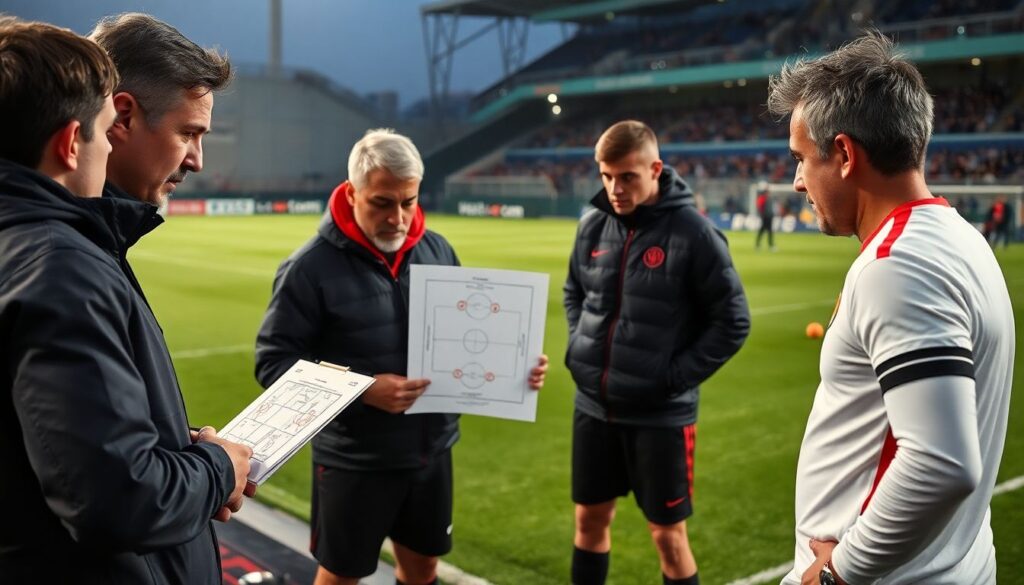
No. Imported models only work when adapted to local refereeing, pitch quality, and player profiles. Often, the best solution is a hybrid: European principles, Turkish pragmatism.
How can coaches learn more about high pressing systems suited to Europe and Turkey?
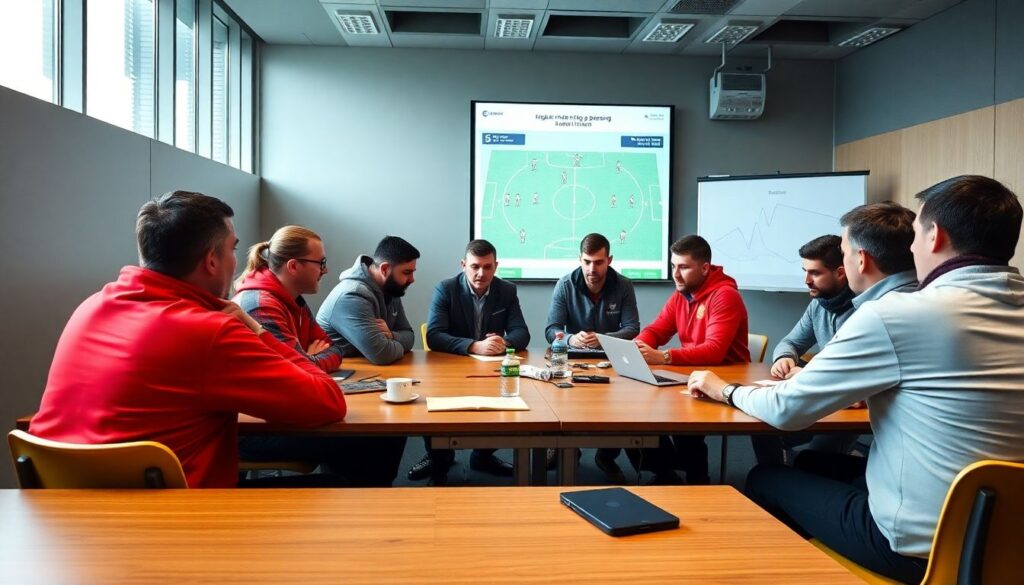
Combine a football coaching course high pressing systems Europe oriented with match analysis of local Süper Lig teams. The blend of theory and local case studies improves transfer to your own squad.