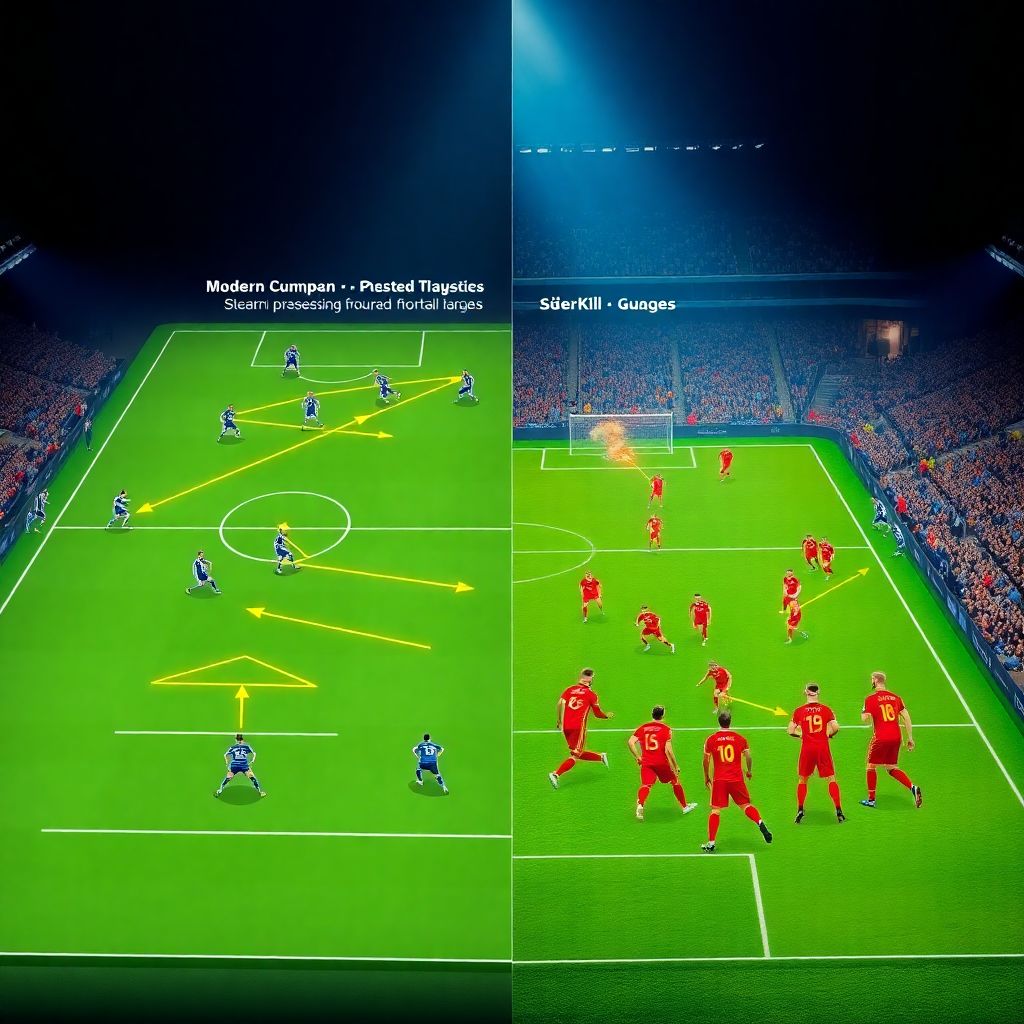
Modern football is split between two big tactical families: keep the ball and suffocate opponents, or attack the space and kill them in transition. Europe leans heavily to the first model, Turkey to the second. If you’re a coach, analyst or even an ambitious fan, understanding this contrast is the shortcut to reading games faster and planning smarter training sessions. Let’s break it down without academic fluff, but with proper tactical depth and practical tips you can apply tomorrow.
Core Principles: Possession vs Transition
Strategic DNA of Possession-Based Football in Europe
European possession-based football is built on control: of tempo, of territory and especially of risk. Teams use short passing, third-man runs, positional rotations and strict spacing to always have at least one free passing lane. In a typical European possession based football tactics analysis, you’ll see terms like “positional play”, “overload-to-isolate” and “rest defence”. The ball moves faster than players; the key is to unbalance the block patiently rather than rush vertical attacks at every opportunity.
Strategic DNA of Transition-Focused Football in Turkey
In Turkey, tempo is a weapon, not something to be neutralized. The typical Turkish transition focused football style explained by local analysts revolves around aggressive counterpressing for 2–4 seconds followed by direct progression: vertical passes, diagonal runs, quickly hitting the last line. Instead of long, sterile possession, Turkish sides often accept chaos if it leads to a high-value chance. Defensive blocks sit a bit deeper, luring opponents in, then launching fast breaks using wide players and a physically dominant striker who can secure first or second balls.
Key Difference Between Possession and Transition Approaches
The fundamental difference between possession football and transition football is where you invest your tactical energy: in preparing the attack before the decisive action, or in maximizing the moment immediately after ball recovery. Possession sides invest in structure: lanes, height, angles, timing. Transition sides invest in triggers: pressing cues, counter channels, vertical lanes. One model reduces randomness by scripting most phases; the other embraces randomness but tries to weaponize the brief, chaotic windows after turnovers when defenses are disorganized.
European Possession-Based Model: Structures and Mechanisms
Positional Play and Space Management
Top European teams organise the pitch into zones and corridors. Each line has rules: full-backs provide width or invert, interiors occupy half-spaces, the pivot controls rest defence. The goal is simple: always have a free man and a safe backward option. In advanced European possession based football tactics analysis, you’ll see focus on staggering between lines, optimal distances (10–18 meters), and timing of third-man support. This creates predictable patterns for your team and unpredictable problems for the opponent.
Rest Defence and Counter-Pressing Control
Possession is not only about attacking; it’s an insurance policy against counters. Rest defence describes how many players you keep behind or around the ball while attacking. European coaches structure the back line plus pivot(s) to control opposition strikers and cut counter lanes before they start. Counterpressing is coordinated around pressing traps: inviting passes into certain zones, then collapsing with synchronized pressure. The priority isn’t always to win the ball, sometimes it’s just to delay so the block can reset.
Expert Tips to Train Possession Structures
To move from theory to actual habits, coaches need constraints-based training rather than just rondos for show. Recommended by elite instructors on football coaching courses possession vs transition tactics, practical drills usually follow a progression:
- Start with position-specific rondos that enforce body orientation and scanning, not just keeping the ball.
- Move to positional games (6v4, 7v5) with clear zones so players internalize spacing, not only passing.
- Finish with phase-of-play exercises linking build-up to rest defence, including what happens after losing the ball.
The crucial coaching detail: demand pre-orientation and communication; possession without information is just sterile circulation.
Turkish Transition-Focused Model: Speed, Chaos, Impact
Pressing Triggers and Verticality
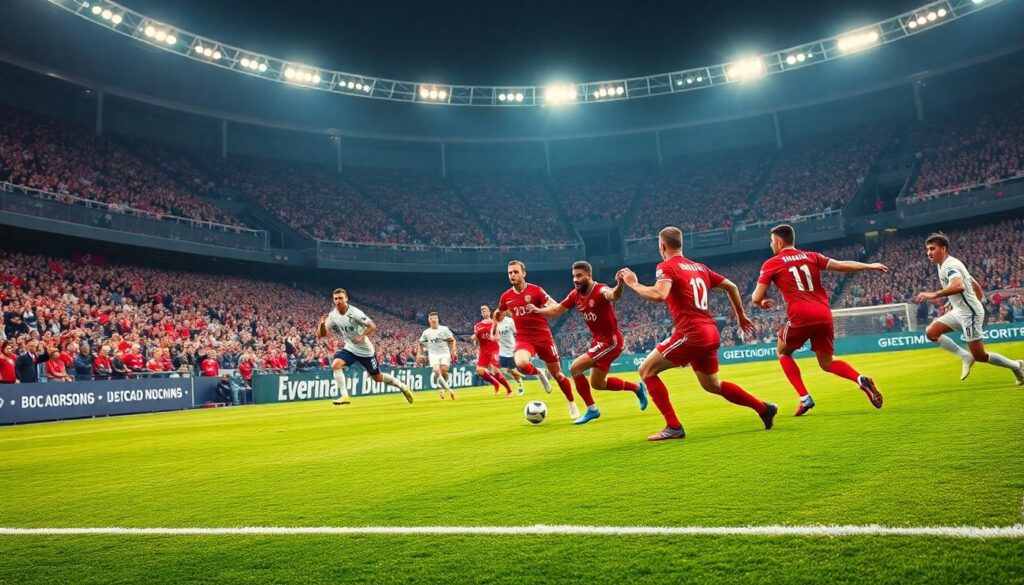
The Turkish game is defined by emotional intensity and crowd-driven momentum, which naturally feeds a transition-based idea. Defensive lines often sit mid-block, waiting for lateral passes or bad touches as cues to jump. Once a trigger appears, at least three players attack the ball and nearest options aggressively. When they win it, the first look is forward. Turkish transition focused football style explained by local coaches prioritizes two principles: attack the space behind the last line within three passes, and flood the penalty area with runners, not passers.
Counterattack Patterns and Player Profiles
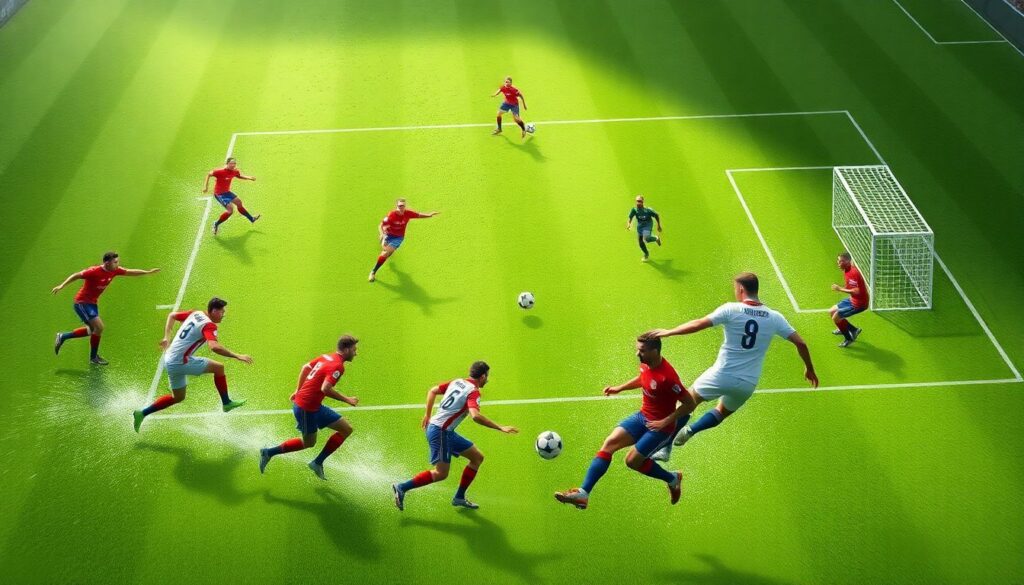
Transition football demands specific profiles: explosive wingers, a striker who can fix the centre-backs, and midfielders who can cover large spaces. Build-up is less structured, but there are clear automations: long diagonal to the winger, inside run from the opposite wide player, late arrival from the 8. Instead of long combos, Turkish sides prioritise high expected goals per attack, even with fewer total attacks. Fitness and repeated sprint ability are non-negotiable; when intensity drops, the whole model collapses defensively.
Expert Tips to Train Transition Efficiency
Specialists working in Turkey recommend designing drills around the “4-second rule”: if you win the ball, decide and execute the vertical action within four seconds. Useful structures include:
- Small-sided games with bonus points for goals scored within 8 seconds of recovery.
- Wave drills: 3v2 or 4v3 counters, immediately followed by a new ball going the other way to train repeat transitions.
- Mid-block compactness exercises where recovery zones and counter channels are pre-defined and repeatedly rehearsed.
Coaches should track “transition conversion rate”: how many recoveries lead to a shot within 10–12 seconds. It’s a better KPI than simple possession percentage.
Comparing European vs Turkish Tactical Ecosystems
Context: Culture, Refereeing and Schedule
Any tactical analysis European vs Turkish football styles has to factor in context. In many European leagues, refereeing is stricter on contact, pitches are better, and calendar density encourages energy management and control. That favours possession, compact blocks and lower volatility. In Turkey, crowd pressure, more lenient physical battles and occasional pitch quality issues skew incentives towards vertical play, second balls and emotional momentum. Tactical models don’t exist in a vacuum; they’re adaptive responses to the competitive environment.
Game States and Risk Management
European possession teams usually manage game states by slowing tempo once they lead, increasing pass volume and controlling zones of loss to minimize transitions against them. In contrast, Turkish sides sometimes keep playing end-to-end even when leading, trusting their attacking quality and goalkeeper rather than deep, passive blocks. This risk-heavy approach can produce spectacular comebacks and collapses. For analysts, tracking how teams modify (or don’t modify) their principles after scoring is often the clearest window into their real tactical identity.
What Each Model Can Learn From the Other
Both styles have exploitable weaknesses: possession teams can become sterile and vulnerable to counters; transition teams can burn out physically and lose control of matches. European staff can borrow Turkish-style aggression in specific game phases, for example using pre-planned 10-minute “high-press windows” after half-time. Turkish coaches, on the other hand, can import basic positional structures in build-up to reduce unforced turnovers and control match rhythm when needed, especially in away games or in European competitions.
Practical Coaching Advice: Blending Possession and Transition
Defining a Clear Tactical Identity
Before copying a model, coaches must answer three practical questions: what are my players good at, how does my league behave, and what are our club’s physical resources? If your squad is small and technically gifted but not extremely athletic, a possession-first model with strong counterpressing may be smarter. If you have pace on the flanks and a powerful striker, leaning into a transition game is logical. Tactical identity should be an honest reflection of player profiles, not just your favourite coach’s philosophy.
Session Design: From Principles to Micro-Cycles
To design an effective weekly cycle, build every session around one dominant principle: space control (possession) or time control (transition). For a possession week, use larger areas, longer passing sequences and strict positional rules. For a transition week, shorten rest intervals, increase intensity and prioritize directional games. Experts who teach on football coaching courses possession vs transition tactics recommend a 60/40 mix: 60% of training aligned with your main model, 40% dedicated to the opposite phase so the team isn’t one-dimensional or predictable.
Communication and Player Education
Players don’t need tactical jargon; they need clear cues. Translate complex concepts into simple if-then rules: “If full-back is high, 6 drops; if we lose the ball in the half-space, nearest three press, rest lock the middle.” Use video to illustrate one principle per clip: either how a European team manipulates a block with circulation, or how a Turkish team punishes a broken structure in three passes. The key is consistency: same vocabulary, same references, repeated until players automatically recognize patterns under pressure.
Metrics and Video Analysis for Both Styles
Key Indicators for Possession Teams
For possession-oriented sides, ball possession percentage is a starting point, not the destination. More relevant KPIs include:
- Progressive passes and receptions between lines per 90 minutes.
- Number of controlled entries into the final third with at least three supporting options.
- Counterpressing efficiency: recoveries within 5 seconds of loss and shots prevented after turnovers.
European analysts often combine these with positional heatmaps to ensure that the team is occupying the right spaces, not just racking up sterile passes in safe zones.
Key Indicators for Transition Teams
Transition teams should obsess over “event density” rather than volume of possession. Use metrics like high-intensity runs per player, counterattacks started per defensive action, and xG per transition. Another underrated metric is “ball recovery height variance”: you want a mix of high and mid recoveries, not just deep clearances. If your physical data shows a steep drop after 60 minutes, your model is unsustainable, and you either need better rotation policies or more controlled phases to reduce chaos.
Building a Comparative Analysis Framework
When conducting a tactical analysis European vs Turkish football styles, structure your work into three layers: strategic (overall model and risk profile), structural (formations, rest defence, pressing heights) and dynamic (how patterns change with scoreline and fatigue). For each layer, tag clips and data separately for possession and transition moments. Over time, you’ll see where your team sits on the spectrum relative to archetypal European possession sides and Turkish transition specialists, and where adjustments offer the best performance gains.
Final Thoughts: Choosing and Evolving Your Model
No coach should dogmatically choose one side of the possession vs transition debate. Modern high-level teams are hybrid organisms: structured enough to control, aggressive enough to exploit chaos. Use European principles to script the stable phases of the game, and Turkish-style transition aggression to dominate the unstable ones. The real skill isn’t memorizing tactical buzzwords; it’s matching your model to your context, teaching it clearly, and refining it continuously with objective data and honest video work.