
Turkish wonderkids are under‑21 players combining above‑average technical level, tactical learning speed and psychological resilience, usually already impacting first‑team or Turkey U21 football prospects. For coaches and recruiters, the key is translating raw talent into reliable projections: consistent metrics, context‑aware video analysis and clear development plans inside the Turkish league and European pathways.
Talent Snapshot: What Defines a Turkish Wonderkid
- Age window: typically 16-20, already competing above their age group and on the radar as Turkish football wonderkids to watch.
- Performance gap: clearly better than peers in 2-3 core skills (e.g., first touch, acceleration, press resistance).
- Transferability: strengths that work in both the Süper Lig’s high‑tempo chaos and more structured European leagues.
- Learning speed: visible improvement every half‑season in decision‑making and game understanding, not just highlight actions.
- Mentality: resilience under pressure, maturity with media and agents, readiness to leave comfort zone when needed.
- Fit to role: profile matches modern positional demands, not only local styles (e.g., inverted full‑back, hybrid 8/10, pressing 9).
Defining ‘Wonderkid’ in the Turkish Context
In the Turkish ecosystem, a wonderkid is not simply a talented teenager. The label is reserved for the best young Turkish football talents who are already shifting match outcomes, attracting concrete interest from higher‑level clubs and showing skills that should survive the jump in intensity abroad.
Practically, clubs and scouts in Turkey look for three things: consistent dominance against older opposition, adaptability to different coaches and systems, and clear headroom for physical and tactical growth. A 17‑year‑old playing reliable Süper Lig minutes under pressure is valued very differently from a 19‑year‑old who only shines in U19 games.
It is also useful to separate a Turkish wonderkid from other prospect types:
| Profile | Typical Age | Main Marker | Practical Implication |
|---|---|---|---|
| Wonderkid | 16-20 | Already impacting senior games, high ceiling | Invest early, structure minutes and protection |
| Solid prospect | 18-21 | Reliable but not yet decisive | Give stable game time, be patient with ceiling |
| Late bloomer | 20-23 | Steep recent improvement curve | Shorter evaluation window, quicker decisions |
For example, when building a shortlist of turkish wonderkids 2025, a club analyst should tag players not only by age and minutes, but also by category in this table, then plan development and contract strategy accordingly.
Quantitative Metrics: How Scouts Measure Potential Before 21
Numbers do not replace live scouting, but they filter which next generation Turkish football stars deserve deeper attention. Key indicators before 21 focus on repeatable actions that scale when tempo and pressure increase.
- Minutes and role at senior level
Track league and cup minutes, starts vs. substitute appearances, positions played. A 19‑year‑old with stable league starts as a central piece carries different weight than a player collecting late‑game cameos. - Contribution per 90 minutes
Use per‑90 metrics instead of totals: goals, assists, xG, xA, key passes, successful dribbles, interceptions and progressive passes. Compare against league averages for the same position and age band. - Ball progression
For defenders and midfielders, measure progressive passes, carries into final third and line‑breaking passes. These show whether actions move the team up the pitch or just circulate the ball safely. - Defensive intensity and efficiency
Pressures, tackles attempted vs. won, interceptions and defensive duels per 90. Combine volume and success rate; a pressing forward with high involvement but poor timing will need different coaching than a selective, efficient presser. - Physical development curve
Monitor sprint frequency, top speed ranges and duel outcomes season by season. The key is growth trend rather than absolute numbers; some Turkey U21 football prospects peak physically later and should not be ruled out too early. - Stability across contexts
Compare metrics in three settings: domestic league, European competitions and national youth teams. Players whose data stays strong when facing stronger opposition usually have more scalable qualities.
Use these numbers as a screening tool: isolate 15-20 players whose profiles stand out, then move to video and live reports. Quantitative filters protect clubs from overreacting to hype or a single highlight‑reel match.
Technical and Tactical Profiles of Top Turkish Prospects
After the data filter, the next layer is understanding the playing profile. The best young Turkish football talents typically fall into a few repeatable archetypes, each needing different development plans.
1. Creative 8/10 with high risk tolerance
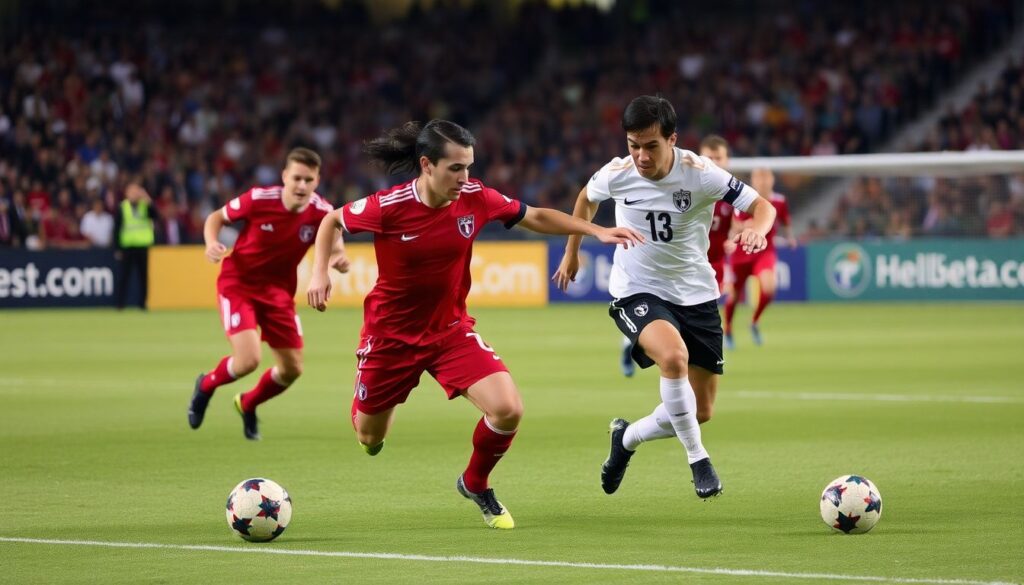
These midfielders combine ball‑carrying, through balls and late runs into the box. They may lose possession more often, but they change games with final‑third decisions.
Practical use: give them structured freedom – defined zones to receive, plus clear pressing tasks out of possession. In video, count not just key passes but also good ideas badly executed; those can be fixed with coaching.
2. Press‑resistant deep midfielder
Comfortable receiving with back to goal, able to turn away from pressure and find the free man with one or two touches.
Practical use: test them under artificial pressure drills and in small‑sided games with limited touches. If they keep solving problems calmly, they can anchor a possession system at Süper Lig level or higher.
3. Explosive wide forward
Usually the most visible type among Turkish football wonderkids to watch: quick, likes 1v1s, carries the ball at speed and attacks the far post.
Practical use: in analysis, separate 1v1 quality (beating the man) from decision‑making after beating the man. If the second part is weak, design finishing and cut‑back patterns around them rather than giving full creative freedom immediately.
4. Ball‑playing central defender
Good anticipation, confident on the ball, proactive stepping into midfield. May still be physically light between 17-19.
Practical use: track how often they break lines with passes or carries. When loaning out, avoid teams that skip build‑up; otherwise this key trait will stagnate.
5. Modern full‑back / wing‑back hybrid
High engines, overlaps and underlaps, decent crossing and inside‑channel combinations, often used as a playmaker from wide zones.
Practical use: test them in two role types – touchline runner and inverted full‑back. Versatility here raises both tactical value and market value.
6. High‑work‑rate pressing 9
Not always the top scorer in youth leagues, but sets the press, links play and creates chaos with off‑ball runs.
Practical use: when judging finishing, look at shot quality and movement rather than raw conversion. Many future elite forwards had below‑average finishing numbers at 18-19 but elite movement patterns.
Career Pathways: Clubs, Academies and Loan Strategies
Career management is where even clear wonderkids can stall. Pathways in Turkey differ between big‑three clubs, Anatolian clubs and early moves abroad. Each option carries concrete benefits and limitations.
Advantages of Common Pathways
- Big‑club academy to first team
Higher training standards, exposure to European competitions, better sports science and facilities, stronger competition in every position. - Anatolian club early breakthrough
Earlier and more stable senior minutes, closer relationships with staff, lower media pressure, room to make and correct mistakes on the pitch. - Early move to mid‑tier European league
Structured development environments, clearer tactical education, exposure to different styles that prepare players for broader markets. - Targeted domestic loans
Minutes at appropriate level while staying under contract with a bigger club, chance to test different roles under different coaches. - Short‑term foreign loans
Useful for adaptation to language, culture and refereeing styles before a permanent transfer.
Constraints and Hidden Downsides
- Big‑club bottleneck
Depth charts can delay breakthroughs; talented 18‑year‑olds may spend key years in U19 or as unused substitutes. - Overexposure and media pressure
Early hype around next generation Turkish football stars can create unrealistic expectations, leading to rushed decisions or fear of making mistakes. - Poorly chosen loans
Loaning a ball‑playing centre‑back to a direct‑play team, or a creative 10 to a deep‑block side, can stall core strengths. - Too early foreign move
Without guaranteed minutes and support, 18‑year‑olds risk two or three lost seasons, which are hard to recover. - Agent‑driven club hopping
Frequent transfers for short‑term salary gains disrupt tactical learning and physical programmes.
Market Dynamics: Valuation, Transfers and Agent Roles
Market perception around turkish wonderkids 2025 is shaped by highlight clips, social media narratives and a few high‑profile transfers. This can generate both overvaluation and missed opportunities.
- Myth: One good season guarantees a top‑five league move
Reality: foreign clubs look for multi‑season consistency, durability and character references. One breakout year should trigger better development planning, not immediate exit at any cost. - Myth: Higher transfer fee always means better player
Fees also reflect contract length, club finances and timing. For internal club decisions, use your own grading scale; price is a market snapshot, not absolute quality. - Myth: Any interest from abroad must be accepted immediately
Wrong timing can reduce long‑term earnings and playing level. Often, one more season of structured minutes in Turkey creates a stronger platform than sitting on a bench abroad. - Common mistake: Agents chosen for fame, not fit
Young players and families sometimes pick agents based on big names. More important are: track record in your position, transparency, and willingness to say “no” to bad offers. - Common mistake: Clubs ignoring resale logic
When signing a young talent, model at least two future transfer windows. A clear plan (extension timing, performance bonuses, sell‑on clauses) protects both club and player.
In practice, smart clubs create internal “value bands” for each age and role, so decisions on Turkish football wonderkids to watch are driven by strategic tiers instead of emotional reactions to external bids.
Risks, Burnout and How to Sustain Long-Term Development
High‑potential players face specific danger zones: overuse, psychological pressure, unstable environments and non‑football distractions. Managing these risks is the difference between a short peak and a 10-15‑year career.
Mini‑case: imagine a 17‑year‑old wide forward breaking through at an Anatolian club. Within a year, he carries the team’s attack, trains almost every day, plays every league and cup match, plus national youth games. Performance flattens, then small injuries appear, and confidence drops.
A sustainable plan for such a player would include:
- Planned workload – cap consecutive 90‑minute games, rotate in easier fixtures, track fatigue markers, and respect off‑season rest.
- Role clarity – limit tactical changes; give a stable position and 2-3 clear tasks with and without the ball.
- Mental support – access to a sports psychologist, media training and a trusted mentor inside the club.
- Life structure – support in education, language learning and financial basics to reduce off‑field chaos.
- Regular review meetings – every 3-4 months, align player, family, club staff and agent around one shared plan instead of conflicting agendas.
When coaches and recruiters build these protections around talent, the label “wonderkid” becomes less of a burden and more of a roadmap for long‑term excellence.
Clarifications and Practical Answers for Coaches and Recruiters
How early should a Turkish talent be promoted to senior training?
Typically once they consistently dominate their own age group and physically cope with older opponents in friendlies. Start with partial sessions and occasional call‑ups, then increase integration as they adapt to tempo and physical duels.
What matters more: youth national team caps or club minutes?
Club minutes at a good competitive level usually matter more. Youth national team caps are helpful for benchmarking but can be influenced by timing, coach preference or injuries around selection windows.
How many games are enough to judge a wonderkid’s real level?
Avoid firm numbers; instead, aim to see the player in at least three different game contexts: dominant games, balanced games and matches where their team suffers. The goal is to understand how they respond to varying pressure and roles.
Should clubs prioritise physical or technical training between 16-18?
Both are critical, but technique under fatigue is the priority. Build physical capacities gradually while ensuring that speed and endurance work never destroys the quality of first touch, passing and decision‑making drills.
What is the most common scouting mistake with Turkish wonderkids?
Overweighting spectacular highlights and underweighting off‑ball behaviour. Many clips show dribbles and goals but hide poor positioning, pressing effort or reaction after losing the ball.
How can smaller Turkish clubs profit from developing wonderkids?
By signing longer initial contracts, offering clear playing‑time plans and negotiating sensible sell‑on clauses instead of chasing maximum fee immediately. A reputation for developing players attracts the next wave of talent.
Is video scouting enough for under‑21 evaluation?
Video is excellent for first assessment, but live views reveal body language, communication, reaction to coaching and real game intensity. Combine both; rely on neither alone for major decisions.