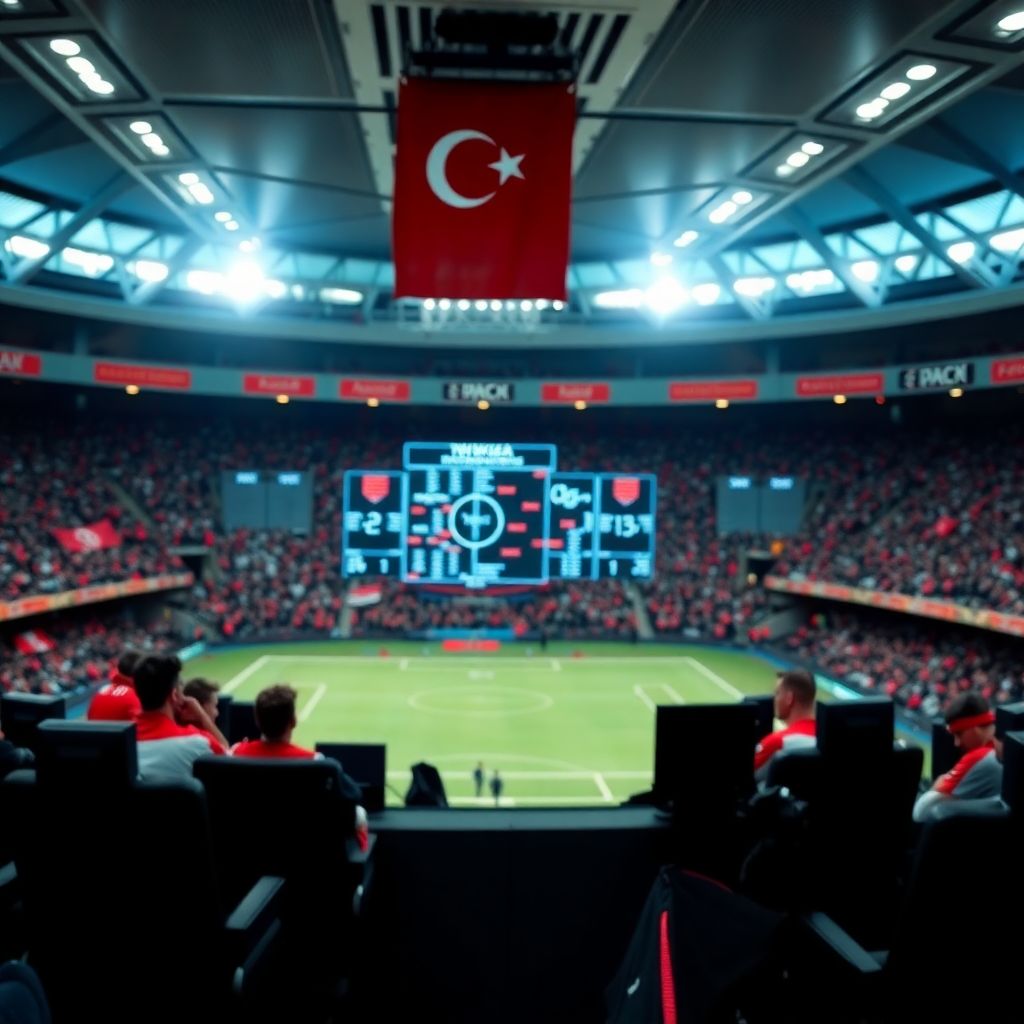
Next-gen managers in Turkish football are tactically flexible coaches who blend modern pressing, structured possession, data, and academy integration with the realities of the Turkish Super Lig. They take safe, incremental steps: adjust principles, not identities overnight; respect club politics and fan culture; and accept limits in squad quality, infrastructure, and patience.
Core Concepts: Who the Next-Gen Managers Are
- They build a clear tactical identity but stay flexible across phases and game states.
- They use Turkish Super Lig tactical analysis and video workflows in daily planning.
- They promote academy players with structured pathways, not random debuts.
- They adopt data and tech while respecting local context and player profiles.
- They collaborate with sporting directors instead of fighting club philosophy.
- They learn through modern football coaching courses in Turkey and global best practice.
- They manage expectations around budgets, fan pressure, and ownership dynamics.
Tactical DNA: What Distinguishes Next-Gen Managers
At definition level, next-gen Turkish managers are coaches who integrate modern positional play, aggressive but controlled pressing, and flexible structures such as 4‑3‑3, 4‑2‑3‑1, or 3‑4‑2‑1, while adapting to local realities. They are not tied to a single formation; they are tied to principles.
In terms of Turkish football managers tactics, their typical profile includes: high-intensity pressing triggers, compact block when energy drops, rehearsed build-up patterns, and clear roles for half-spaces and full-backs. They prepare specific plans for different stadium atmospheres, climates, and pitch conditions across Turkey.
They also accept safety limits. Instead of forcing risky build-up with centre-backs who are uncomfortable under pressure, they phase in changes: first improve rest defence, then add short build, then introduce rotations. Club identity and squad age profile define how fast they can implement their ideal model.
| Aspect | Classic Manager | Next-Gen Manager |
|---|---|---|
| Formation | Rarely changes | Adapts by opponent and game state |
| Game Model | Vague principles | Documented, session-linked principles |
| Risk Management | All‑out attack or deep block | Calibrated risk by phase and zone |
When people search for the best Turkish football coaches 2024, they usually mean these profiles: coaches who can explain their tactical DNA in clear, simple language and show how it appears in both match clips and training exercises.
- Define 3-5 non‑negotiable game principles for your context.
- Adapt shape and height of block without losing those principles.
- Scale tactical risk to your defenders’ technique and keeper’s passing range.
Youth Integration: Pathways from Academy to First Team
Youth integration is where next-gen managers differ the most in practice. They see the academy as a strategic resource, not a PR tool. Instead of occasional cameos, they create clear, safe steps from U17/U19 football to Turkish Super Lig intensity.
- Shared game model: The first team and academy play similar structures, so role demands stay consistent. That way, a U19 left-back already understands pressing triggers and build-up routes before debut.
- Individual development plans: Each talent has a 6-12 month plan: minutes targets, position experiments, and physical benchmarks. This plan balances ambition with the medical data and growth limits of young bodies.
- Staged exposure: Youngsters first train with the first team, then play pre-season, then get controlled league minutes at safe game states (2-0 up, or low-pressure cup matches).
- Loan strategy: When minutes are not realistic, coaches push for targeted loans within Turkey, choosing clubs whose style and facilities match the player’s needs.
- Protection from hype: Communication departments and coaches coordinate messaging to manage media and fan expectations after early success.
- Feedback and review: Monthly meetings with academy staff check whether the pathway still makes sense or needs adjustment.
An example: a coach identifies a U19 inverted winger who fits the first team’s 4‑3‑3. Over one season he moves the player through training exposure, late‑game sub roles, then a starter in cup matches, constantly reviewing physical data and psychological response to pressure.
- Align academy and first-team principles to reduce adaptation shock.
- Use controlled game states for early minutes; avoid high‑risk debuts.
- Review each prospect’s trajectory monthly and adjust loans or roles.
Data and Tech: How Analytics Reshape Match Preparation
Next-gen managers in Turkey treat analytics as a decision-support tool, not a replacement for their eyes. They use data and technology to run a more objective Turkish Super Lig tactical analysis, then convert insights into clear, actionable plans for staff and players.
Typical safe use cases include:
- Opponent scouting dashboards: Analysts tag patterns (pressing triggers, set-piece routines, build-up funnels) and share 3-5 key trends with the staff. The coach filters the output to what the squad can realistically execute.
- Load and wellness monitoring: GPS and wellness apps track intensity and fatigue. Managers adjust session design rather than just cancel training, reducing injury risk without lowering tactical work too much.
- Set-piece libraries: Video and data reveal which zones opponents defend poorly. The coach then designs 2-3 new routines, rather than flooding players with constant changes.
- In-game support: Staff in the stands share live clips to highlight structural problems (e.g., full-back isolation) and propose simple fixes at half-time.
- Recruitment alignment: With sporting directors, they use data profiles to shortlist players whose metrics match the tactical DNA, instead of relying only on highlight videos.
Limitations matter. Data quality can be inconsistent across stadiums, and not every club can afford advanced tools. Young Turkish football managers must avoid overfitting plans to small samples or changing the XI every week only because a metric moved slightly.
- Translate analytics into 3-4 simple coaching points per game.
- Respect data limits; double-check big conclusions with video and training.
- Prioritise tools that staff can maintain long term, not just flashy pilots.
Adaptive Leadership: Managing Diverse Player Profiles
Modern squads in Turkey mix local talents, European imports, and experienced foreigners. Adaptive leadership means the coach adjusts communication, motivation, and role clarity to each profile, while keeping one shared competitive culture. This leadership layer makes the tactical model stick under stress.
Key advantages of adaptive leadership
- Builds trust faster, especially with senior players who influence dressing-room dynamics.
- Transforms tactical instructions into personalised role descriptions, improving execution.
- Reduces conflict between domestic and foreign players by setting transparent standards.
- Supports mental health and confidence for youngsters promoted from the academy.
Structural limitations to respect
- Fan and media pressure may limit how openly a coach can protect underperforming stars.
- Short contracts and frequent staff changes can break continuity in leadership messaging.
- Language barriers restrict tactical nuance; some concepts must be simplified.
- Hierarchy traditions in certain Turkish clubs can resist more collaborative leadership styles.
For example, an incoming coach keeps a veteran centre-back as tactical leader on the pitch, while assigning a young local midfielder as culture carrier for academy graduates. He meets both weekly, aligning them with the game model and keeping the dressing room stable during tactical transition.
- Identify 2-3 internal leaders and align them with your tactical ideas.
- Adapt communication depth to language level without diluting core messages.
- Protect youngsters with clear roles and balanced public messaging.
Interplay with Club Structure: Sporting Directors and Club Philosophy
Next-gen managers rarely work alone. Their success depends on how well they connect their game model to the club’s long-term philosophy and to the sporting director’s recruitment strategy. Misalignment here kills projects faster than any tactical mistake.
Common mistakes and myths include:
- Myth: “A good coach fits everywhere.” In reality, a high-pressing coach may struggle at a club built for deep-block football with slow defenders and tall target forwards.
- Mistake: Ignoring contract cycle reality. Trying to revolutionise style when most squad members have long contracts incompatible with the new model locks the project into compromise.
- Myth: Data recruitment solves everything. If the sporting director buys players only off metrics without discussing role definitions with the coach, line-ups become a puzzle of mismatched profiles.
- Mistake: Overpromising timelines. Telling ownership and fans that transformation will be instant creates panic when early results fluctuate.
- Myth: Copy-pasting European blueprints. Blindly importing foreign models ignores local scheduling, weather, pitches, and financial constraints in Turkey.
Safe practice is to treat the first month as an alignment sprint: define shared principles, recruitment priorities, and realistic short-term objectives. Coaches who understand the club’s political landscape can protect their projects when results dip temporarily.
- Clarify non-negotiable game principles with the sporting director early.
- Plan style change in phases matching the contract and budget reality.
- Translate long-term philosophy into short-term, measurable targets.
Case Studies: Tactical Innovations Driving Results in Turkey
Recent seasons show a number of young Turkish football managers using modern tools and concepts to overperform budgets. While names change every year, patterns repeat: clear principles, realistic risk levels, and smart exploitation of local advantages such as atmosphere and travel fatigue for visitors.
Example scenario inspired by current trends:
A mid-table club with limited resources wants to climb. The coach studies Turkish Super Lig tactical analysis across several seasons and notices big clubs struggle away on smaller, narrower pitches. He introduces a compact 4‑4‑2 diamond at home, with aggressive central pressing and direct vertical passes after regain.
Process in safe, incremental steps:
- Pre-season: Install pressing triggers and rest defence first, keeping build-up simple.
- Early season: Use the diamond mainly at home; play a safer 4‑2‑3‑1 away.
- Winter break: Add structured possession patterns once players show comfort defensively.
In parallel, he invests in staff education through football coaching courses in Turkey, ensuring assistants understand both tactical language and local federation regulations. Over time, the club becomes known for high-intensity home games, turning a structural weakness (small stadium) into a weapon.
- Leverage specific local advantages such as pitch size and travel burden.
- Roll out tactical innovation in phases, starting with defensive stability.
- Invest in staff education to sustain the model beyond one season.
Self-Check: Are You Thinking Like a Next-Gen Manager?
- Can you explain your game model in 5 principles that fit your current squad?
- Do you have documented pathways for at least 3 academy players into the first team?
- Are analytics outputs condensed into a few clear instructions per match?
- Have you aligned leadership roles, club philosophy, and recruitment with your style?
- Do you phase tactical changes to respect risk, resources, and local constraints?
Practical Queries from Coaches and Analysts
How fast should a new manager change the team’s playing style?
In Turkey, it is safer to phase changes over one to three windows. Start with defensive structure and rest defence, then add build-up and pressing details. Rapid, total change often clashes with existing contracts, player profiles, and fan expectations.
What is a realistic use of data for smaller Super Lig clubs?

Focus on three areas: basic performance metrics, simple set-piece analysis, and targeted opponent trends. You do not need complex models; you need reliable data, honest interpretation, and conversion into clear training tasks.
How can a coach balance academy promotion with the pressure for results?
Plan youth minutes by game state and competition. Use cup matches and safe league situations for debuts, keep roles simple, and protect youngsters from media hype. Clear communication with management about the development plan reduces short-term panic.
Do next-gen managers always prefer high pressing and possession?
No. They prefer clarity and efficiency. Some favour high pressing and positional play; others use mid-blocks and fast transitions. What defines them is the ability to justify choices with evidence and adapt to squad strengths, not a single aesthetic.
How important are coaching courses for tactical innovation?
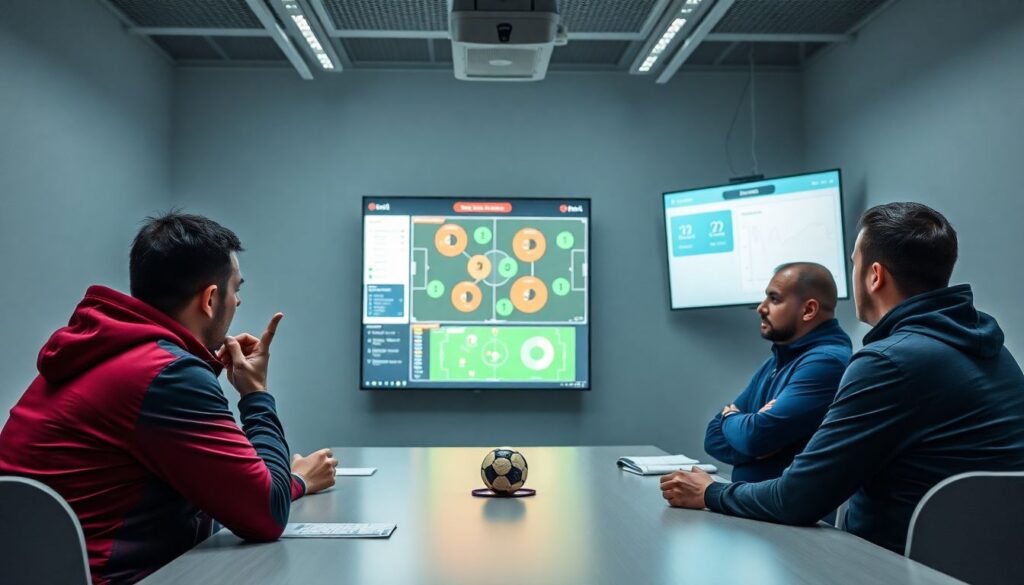
Modern football coaching courses in Turkey provide shared vocabulary, up-to-date tactical frameworks, and exposure to analytics and leadership content. Courses alone are not enough, but they accelerate learning when combined with reflective practice and match analysis.
Can an experienced, older coach still be considered “next-gen”?
Yes, age is not the main factor. A coach becomes next-gen when they adopt modern methods, collaborate with analysts and sporting directors, and stay open to tactical and technological evolution, regardless of birth year.
What is the safest starting point for using technology with players?
Begin with video: short, simple clips of your own team and opponents, linked directly to training drills. Then add GPS and wellness monitoring when staff and players already trust the process and understand the benefits.