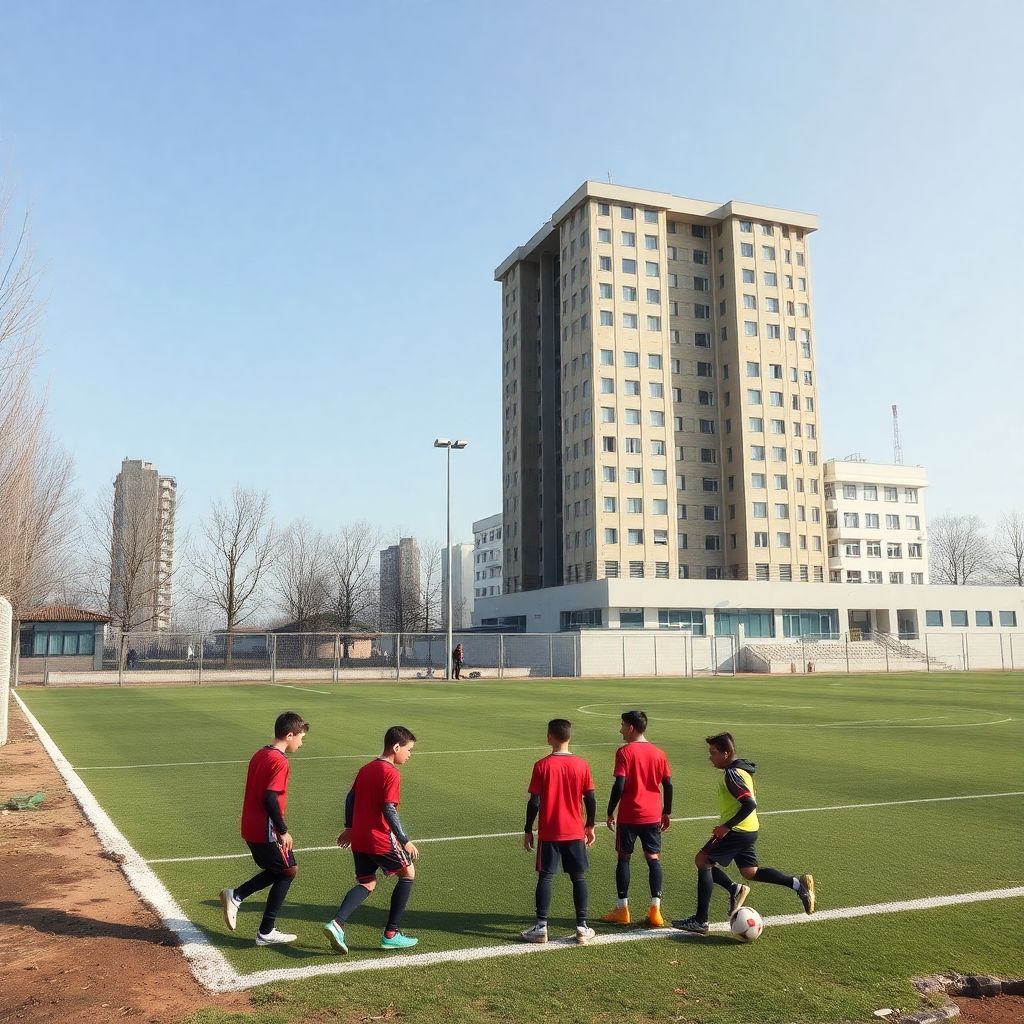
Neither local nor big-club academies are universally better for developing Turkish talent. Local academies usually suit younger, late-maturing or overlooked players who need playing time, confidence and community support. Big-club academies suit early standouts who can handle pressure, competition and relocation. The right choice depends on age, personality, current level and realistic pathway.
Decision Snapshot: Local vs Big-Club Advantages
- Local academies maximise minutes played, touches on the ball and individual attention for most children.
- Big-club systems maximise exposure to elite competition, scouting networks and transfer opportunities.
- Local structures often protect school education and family life better in the early teenage years.
- Big-club academies usually provide superior facilities, medical care and specialist coaching teams.
- Local clubs can be a second chance for late developers cut from big-Club youth teams.
- Big brands like Galatasaray, Fenerbahce and Besiktas add pressure that some players need and others cannot yet handle.
Foundation and Community: Anatomy of Local Academies
When comparing local academies to the best football academies in Turkey, start with the foundation: why the academy exists and who it serves. Use these criteria before deciding to join football academy in Turkey at neighbourhood level or to chase a big badge immediately.
- Coaching stability and philosophy – How long have the head coaches been there? Is the game model clear: possession, pressing, transition? A stable philosophy matters more than the crest on the shirt across turkish football academies.
- Training-to-match ratio – Do younger age groups train frequently with the ball, or mostly play weekend games? Local academies should prioritise repetition, not just results.
- Minutes for everyone – Ask as a parent or player: “How many minutes will my child realistically play here this season?” A local academy’s main competitive edge is guaranteed game time for development.
- Coach-to-player ratio – Local clubs with overloaded squads often promise development but deliver waiting lines. Fewer players per coach usually means more individual feedback and progress.
- Community and travel burden – Can players walk or take a short bus ride to training? Less travel means more time for school, rest and self-practice, especially crucial before age 15.
- Education balance – Does the academy coordinate with schools around exams and key years? Strong local academies protect grades and prevent burnout long before professional soccer academy turkey dreams are realistic.
- Pathway clarity – Is there a clear route from the local team into regional leagues, professional trials or galatasaray fenerbahce besiktas youth academy trials via trusted contacts?
- Club culture and values – Speak to parents and older players: Are coaches patient with mistakes? Do they rotate captains, encourage leadership, and deal fairly with conflicts?
- Financial transparency – Are fees, kits and tournament costs clear? Serious local turkish football academies explain exactly where your money goes and do not over-promise pro contracts.
Infrastructure and Investment: How Big Clubs Operate in Turkey
Big-club structures vary: from branding-focused schools to serious youth academies feeding Super Lig first teams. The table below compares realistic options a Turkish family or player might face.
| Option | Best suited for | Strengths | Limitations | When to choose this path |
|---|---|---|---|---|
| Neighbourhood Local Academy | Beginners, late developers, players up to 13-14 who need confidence and basic habits | Close to home, high playing time, low pressure, easier balance with school and family | Limited exposure, weaker competition, facilities may be basic, fewer specialist coaches | Choose when the player is still exploring football or lacks physical and mental readiness for a big club. |
| Semi-Pro Local Club Academy (Regional League) | Serious teenagers aiming at professional pathways through lower divisions | Competitive matches, realistic step into regional senior football, often strong local identity | Less media attention, fewer scouts from top clubs, sometimes unstable finances | Choose if the player wants a gradual climb, is comfortable being a big fish in a smaller pond. |
| Big-Club Branded Football School | Young players who want contact with a big brand without relocation or full selection pressure | Brand motivation, occasional clinics, some access to better methodology and events | Not always a direct pathway to pro squads, quality can vary between branches | Choose if you want better training than a weak local option, but no immediate move into a pro structure. |
| Official Big-Club Academy (U14-U19) | Top talents already dominating at local level and emotionally ready for strong competition | Best facilities, specialist staff, strong competition, international tournaments, clear route to pro contracts | High pressure, limited minutes for squad players, early deselection risk, tough school balance | Choose once the player proves dominance locally and shows resilience to pressure and criticism. |
| Independent Professional Soccer Academy Turkey | Ambitious players seeking intensive training and networking outside traditional club systems | Individualised plans, contacts with multiple clubs, flexible schedules and trial preparation | Pathway depends on academy credibility, may be expensive, not tied to any single club | Choose when club options are limited, or after release from a big club needing re-launch. |
For many families, the realistic journey across turkish football academies is a combination: starting in a strong neighbourhood or semi-pro local academy, then moving into an official big-club setup or trusted independent organisation once the player consistently dominates current competition.
Technical Development: Coaching, Facilities and Methodologies
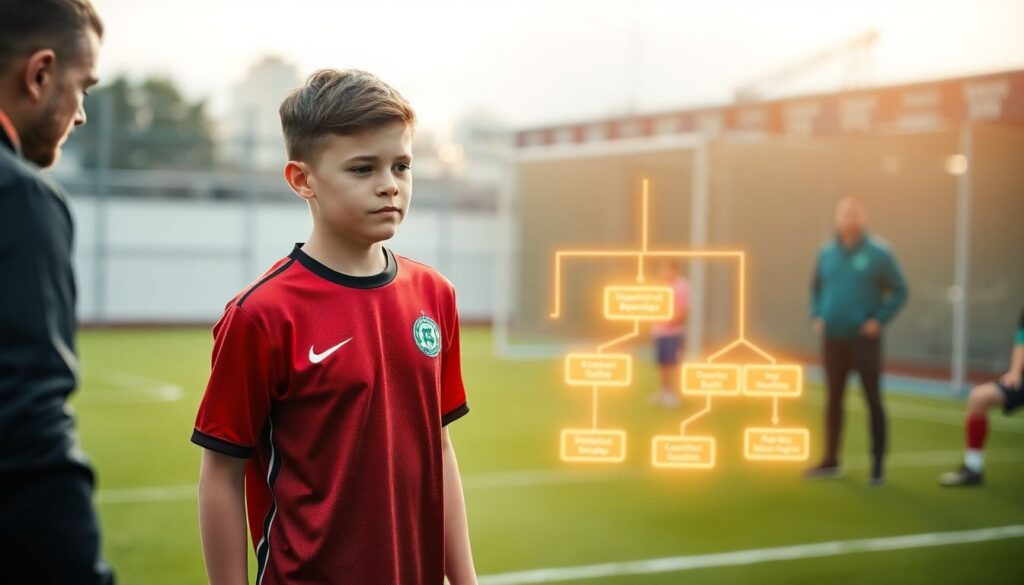
Think in scenarios: if you choose X environment today, what footballer do you likely create in five years? The decision tree below links choices to technical outcomes.
- If the player is technically behind peers but highly motivated, then stay in a local academy with patient coaches, smaller groups and guaranteed minutes. Focus on extra touches, both-foot work and 1v1s before targeting the best football academies in Turkey.
- If the player is already the best in the local league by a clear margin, then trial or train with an official big-club academy where training intensity, tactical detail and physical demands are higher.
- If facilities locally are poor but coaching is excellent, then keep the club, add weekly sessions at an independent professional soccer academy turkey with access to better pitches, gyms and performance testing.
- If coaching quality is inconsistent but facilities are good, then prioritise the best available coach, even at a smaller local club. A skilled, invested coach matters more for development than perfect artificial turf.
- If the player struggles tactically in 11v11 games, then choose an environment with strong video analysis, unit training (defence/midfield/attack) and clear positional roles, which bigger academies often provide.
- If the player lacks physical robustness or suffers frequent small injuries, then look for an academy with fitness coaches, load monitoring and medical staff, more common in big clubs and top independent centres.
- If the player is creative but loses the ball often, then avoid ultra-result-driven coaches at both local and big clubs who punish risk. Seek academies that accept mistakes as part of learning.
Pathways to First Team: Exposure, Loans and Transfer Dynamics
From a club director or agent perspective, the path from academy to first team is a chain of decisions. Use this checklist to compare local academies and big-club systems for a specific player.
- Define the realistic final target: top Super Lig club, stable 1. Lig career, or solid semi-pro while prioritising education. Align expectations with the player’s current level.
- Map current competition: Is the player starting every game and standing out, or rotating? Move up only after clear dominance at the current tier.
- Check exposure channels: Does the academy organise friendlies, tournaments and showcases where scouts from galatasaray fenerbahce besiktas youth academy trials or other clubs attend?
- Evaluate loan and partnership networks: Big clubs often loan players to 1. Lig and 2. Lig sides, while strong semi-pro local clubs may sell players directly upward. Choose the system with proven recent moves.
- Assess contract and registration policies: Are youth players locked into long deals, or free to move? Over-protective contracts can block progression, especially in some smaller clubs.
- Review track record per position: Some academies are famous for producing full-backs or goalkeepers; others develop attacking players better. Match the player’s role to the academy’s history.
- Plan checkpoints: Every season, review whether the player is closer to first-team training, regular senior minutes or only new promises. Adjust club choice if progress stalls for too long.
Player Welfare and Education: Long-Term Development Outside Results
Parents and coaches often focus on badges and facilities and ignore welfare risks. These are common mistakes when navigating turkish football academies at any level.
- Chasing the biggest name too early – Moving a 10-12-year-old far from home for a big club badge can damage school performance, social life and motivation if he or she barely plays.
- Ignoring school and exam periods – Choosing double sessions during critical academic years without coordination with teachers can close university doors and non-football careers.
- Underestimating mental health and pressure – Not every talented child is ready for the expectations inside the best football academies in Turkey; anxiety, loss of joy and burnout are real risks.
- Believing verbal promises instead of written plans – “We will send him to trials” sounds good, but responsible academies show concrete calendars, pathways and examples, not only words.
- Accepting disrespectful coaching – Shouting, humiliation and constant threats of being cut do not equal “professionalism”. They often destroy confidence and creativity, especially in technical players.
- Over-scheduling activities – Combining intense academy training with extra private sessions every day leaves no time for recovery and unstructured play, which are essential for long-term development.
- Neglecting nutrition and sleep – Elite training with poor sleep patterns and fast food habits reduces performance and increases injury risk more than most families realise.
- Keeping parents completely out or too involved – Good systems educate parents, set boundaries, and create healthy support, rather than banning them from everything or letting them direct every decision.
- Staying in a toxic environment out of fear – Remaining in an unhealthy academy “because it is a big name” can be worse than stepping down to a respectful local club where the player can rebuild.
Outcome Metrics: Talent Production, Retention and Impact on the Turkish National Team
Use a simple decision path combining everything above before choosing between local and big-club academies.
- If the player is under 13 and still exploring football → prioritise a good local academy with strong coaching and enjoyment.
- If the player is 13-15 and clearly dominating locally → test yourself in higher-level environments, starting with trials or training weeks at big clubs.
- If the player is 15+ and not yet a starter even in local teams → seek honest assessment, better coaching and realistic goals before chasing big brands.
- If education is a top priority for the family → choose academies (local or big) that formally coordinate with schools and limit travel load.
- If the primary dream is a professional contract above all else → target official big-club academies or credible independent centres with proven transfers.
Overall, strong local academies are usually best for early-stage fundamentals, confidence and education balance, while big-club systems and top private centres are best for high-potential teenagers already excelling in competition. The “best” producer of Turkish talent is the right system for the player’s current stage, personality and realistic ceiling.
Practical Questions Coaches and Parents Ask About Both Systems
At what age should a child move from a local academy to a big-club system?
There is no fixed age, but most players benefit from staying local until they clearly dominate their league and are emotionally ready for selection pressure. For many, this happens between 13 and 16, depending on maturity and position.
How can I evaluate if a local academy is good enough compared to big clubs?
Watch training: are players constantly active, receiving feedback and encouraged to think, or standing in long lines? Speak with parents of older age groups about progression, school balance, and how the club reacts to mistakes and defeats.
Do big-club football schools guarantee entry into the official academy?
No, branded football schools rarely guarantee a pathway, even when they display big logos. Treat them as training centres; ask specifically how many players moved into the official academy in the last few seasons.
What should a player do after being released from a big-club academy?
First, reset confidence at a strong semi-pro local academy or credible independent centre, prioritising minutes and clear feedback. Then, with performance data and video, target new trials instead of immediately giving up or jumping between random clubs.
Is it easier to reach the Turkish national team from big-club academies?
National-team staff naturally watch big clubs more, but many players first prove themselves in smaller teams and then transfer upward. Performance, consistency and adaptability matter more than the academy brand on their first license.
Should goalkeepers and defenders choose different pathways than attackers?
Often yes. Goalkeepers and centre-backs may benefit earlier from big-club structures with specialised coaching, while creative attackers can thrive longer in local environments that allow more freedom and risk-taking before higher-level discipline.
How many training sessions per week are ideal for teenagers?
Ideal frequency depends on recovery, school load and travel time. Focus less on a specific number and more on session quality, consistent attendance, proper sleep and at least one genuine rest day per week.