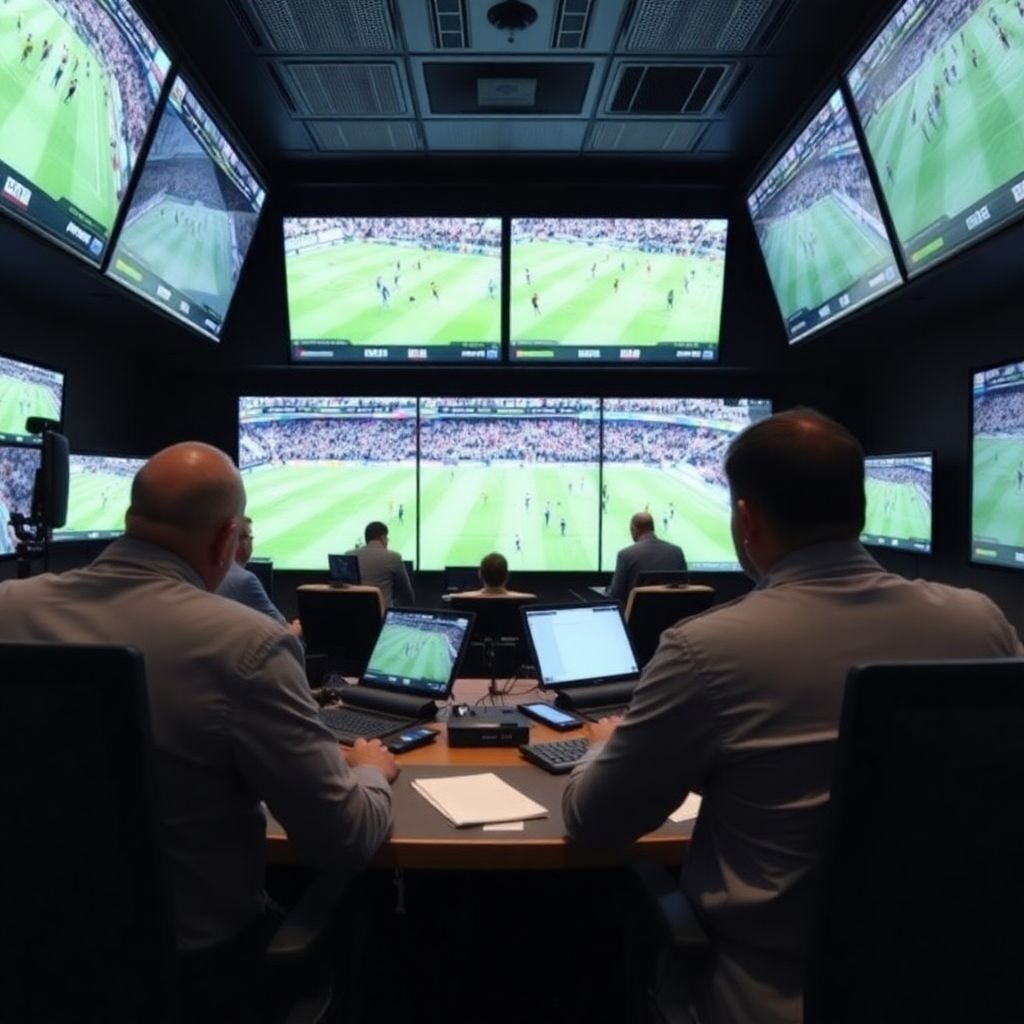
Video Assistant Referee (VAR) has changed football in Turkey and Europe by adding an off‑field team that can help correct clear and obvious errors in key match incidents. It reshaped how referees manage risk, how coaches design tactics, and how players behave in penalty areas and offside situations.
Common Myths About VAR – What Actually Changed
- Myth: VAR re-referees every action. Reality: it is limited to goals, penalties, direct red cards, and mistaken identity, and only for clear and obvious errors.
- Myth: VAR removed all controversy. Reality: it reduced black-and-white mistakes, but subjective fouls and handballs still depend on the referee’s judgement.
- Myth: VAR is identical in every league. Reality: protocols are similar, but communication style, intervention threshold, and calibration quality differ between the Süper Lig, Bundesliga and Premier League.
- Myth: Coaches no longer plan for referee errors. Reality: they now plan for how VAR checks affect pressing, time management and set-piece routines.
- Myth: Players stopped trying to deceive referees. Reality: simulation changed form; players are more careful in the box but still search for contact and angles that look worse on camera.
- Myth: Technology makes decisions alone. Reality: humans still decide when to intervene, how to interpret replays, and whether the on‑field call is a clear error.
Staggered Implementation: How Turkey and Major European Leagues Adopted VAR
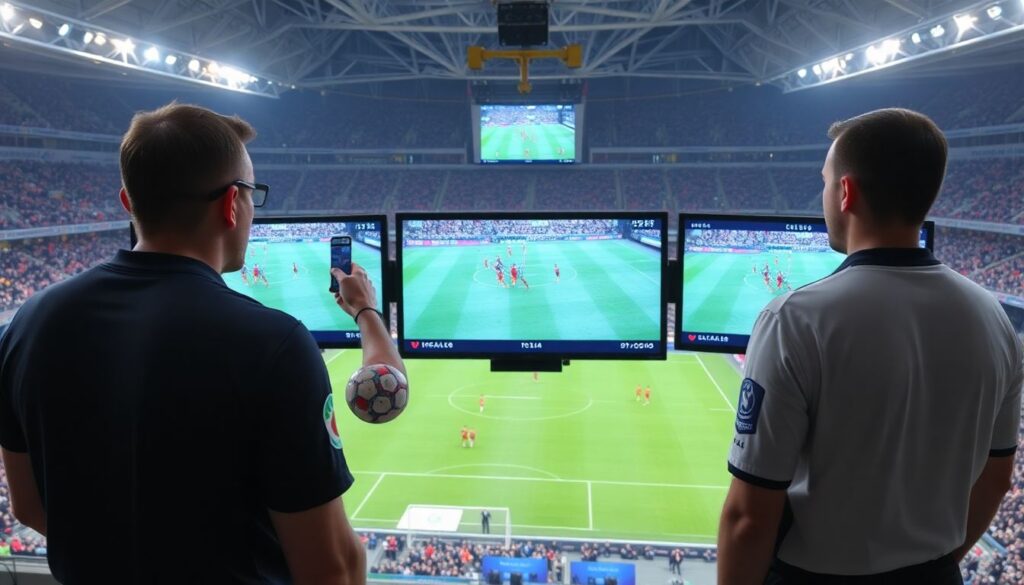
VAR is a system where a team of video match officials supports the on‑field referee using multiple camera angles and replay technology. The scope is narrow by design: goals, penalty decisions, direct red cards and cases of mistaken identity. Everything else remains the responsibility of the referee and assistants on the pitch.
Major European leagues introduced VAR in a staggered way, gradually tightening protocols and improving equipment. Early seasons in Western Europe saw conservative use, frequent communication tests, and a strong focus on calibrating offside lines. Turkey’s Süper Lig followed with its own roll‑out, adapting global guidelines to local refereeing culture and stadium infrastructure.
This staggered introduction created different learning curves. Some leagues invested earlier in high-frame-rate cameras, dedicated VAR rooms and specialist training. Others prioritised consistency of decision-making first, then upgraded technology later. These choices still shape how quickly checks are completed, how often referees go to the monitor, and how comfortable players and coaches feel with the system.
The technology also rippled beyond the pitch. Broadcasters built dedicated feeds, data firms started offering football analytics software with VAR data Europe-wide, and even betting markets began tracking stoppage patterns and overturned decisions. Clubs, meanwhile, had to plan budgets to buy VAR-compatible camera systems for football clubs that wanted training analysis as close as possible to official match conditions.
Refereeing Practice Transformed: Decision Flow, Communication and Review Protocols
- On‑field decision first, VAR second: The referee still makes an initial call. In both Turkey and Europe, VAR can only recommend a review if that call may be a clear and obvious error or a serious missed incident.
- Silent checks on every key incident: After goals, penalty‑area challenges or potential red cards, VAR silently reviews footage while play is stopped or continues. Most checks end without an on‑field review and are never announced to the crowd.
- Communication protocols via headset: VAR describes what is visible, angle by angle, without coaching the referee toward a specific decision. The final verdict belongs to the on‑field referee, who can accept information or choose an on‑field review.
- On‑field review at the monitor: For subjective incidents (fouls, handballs), the referee goes to the pitch‑side screen. In some European leagues, this happens more frequently; in the Süper Lig, practice has evolved from rare early use to a more regular but still selective pattern.
- Objective vs subjective use: Offsides are mostly treated as factual, using calibrated lines. Fouls and handballs depend on context: intensity, arm position, consequence for the opponent. Differences in how much contact is tolerated create the impression that VAR works differently from league to league.
- Time management and added time: VAR checks extend effective match duration. Referees in Europe now add more stoppage time, and Turkish officials increasingly follow, which affects late‑game tactics, substitutions and time‑wasting strategies.
- Post‑match review and referee coaching: Incidents are clipped and analysed by referee departments. Federations, including in Turkey, now use detailed video libraries and even online courses on VAR refereeing and tactics to improve consistency and train newer officials.
Tactical Ripples: How Coaches Rewrote Game Plans Around VAR
VAR changed how coaches manage risk in both the Süper Lig and major European leagues. Because penalties and red cards are more likely to be corrected if missed live, teams pay more attention to behaviours that are easily punished on replay: holding at corners, reckless tackles, and clumsy contact in the box.
- Defending in the penalty area: Coaches train defenders to avoid extended shirt pulls, two‑hand pushes and late swings of the leg. In Turkey, where grappling in the box used to be routine, training sessions now include video clips of VAR penalties so players understand what looks obvious on camera.
- Pressing and counter‑pressing: High presses are still popular in Europe, but players are coached to be cleaner when pressing from behind. A reckless lunge that once drew only a yellow might now be upgraded to red after review, so pressing systems include clear rules for when to back off.
- Attacking runs and offside lines: Forwards in top European leagues have become more precise in timing runs, knowing VAR will punish even small offsides. Turkish teams adapting to this trend make more diagonal and curved runs to stay onside while still attacking the space behind the defence.
- Set‑piece routines: Corners and free kicks involve more blocking and traffic. Coaches re‑design routines to create legal contact that looks natural on replay, and they warn attackers against obvious pushes that VAR will spot, even if the referee’s line of sight is blocked.
- Game management after a goal: Because every goal is automatically checked, some coaches instruct players not to over‑celebrate until kick‑off is confirmed. Substitutions and tactical shifts after scoring are sometimes delayed in both Turkey and Europe until the VAR check is complete.
- Planning for psychological swings: Goals awarded or disallowed after review create emotional swings. Top coaches prepare players for this, building routines to quickly reset focus whether a decision goes for or against them.
Player Behavior and Discipline: Visible Shifts Since VAR Arrival
Players in Turkey and across Europe have adapted to VAR by changing how they defend, appeal and manage their emotions. The most visible changes are in the penalty area and in confrontations around the referee. However, some new behaviours-like surrounding the referee during a check-have emerged in response to the technology.
Benefits for fairness and game control
- Clearer deterrent against obvious fouls and cynical tackles in the box, as players know incidents can be re‑watched in slow motion.
- Reduction in some types of off‑the‑ball violence, especially elbows and stamps, because cameras cover many angles and can expose actions missed live.
- More accurate sanctions for serious foul play and denial of obvious goal‑scoring opportunities, improving competitive balance over a season.
- Better protection for creative players, as repeated rough challenges can now be reviewed and punished more consistently.
- Greater accountability for dissent and abusive language when microphones and cameras capture interactions around the referee.
Limitations and new behavioural challenges
- Players sometimes rely on VAR instead of playing to the whistle, pausing to appeal for handball or offside instead of continuing attacking actions.
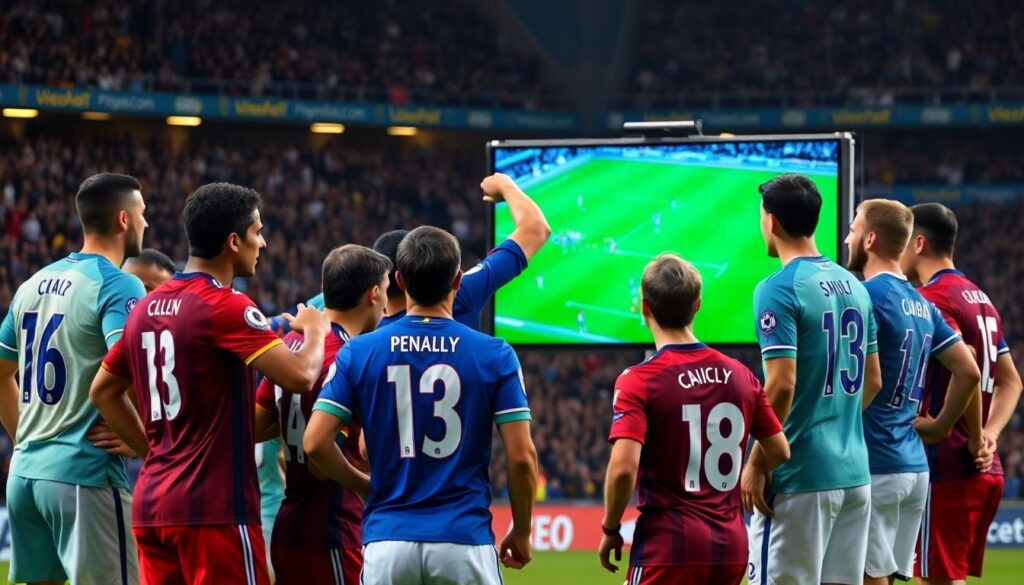
- Groups surrounding the referee during reviews can increase pressure and create confusion for spectators, especially where stadium communication is poor.
- Simulation has evolved: some attackers seek minimal contact that looks worse on slow‑motion replays, hoping to convince VAR to intervene.
- Differences in how handball and contact are interpreted between leagues lead to frustration for players moving between the Süper Lig and other European competitions.
- Longer stoppages during checks can break game rhythm and concentration, affecting players who rely on tempo and flow.
Numbers That Matter: Trends in Penalties, Offsides and Foul Calls
Even without quoting specific figures, consistent patterns have appeared across Turkey and Europe since VAR was introduced. Understanding these trends helps coaches, referees, analysts and even betting markets interpret what VAR actually changed and where popular narratives go wrong.
- Mistake: assuming penalties exploded everywhere in the same way. In some leagues, more penalties are given because obvious fouls are no longer missed; in others, defenders quickly adjusted and penalty counts stabilised. The Süper Lig and top European leagues did not follow an identical curve.
- Mistake: believing offsides became “too precise” only in big competitions. In reality, once calibrated lines exist, small offsides are punished across competitions that use the same technology. Differences lie more in camera quality and operator skill than in written rules.
- Mistake: thinking VAR favours big clubs everywhere. While fans in Turkey, England or Germany often feel big teams benefit, analysis usually shows corrections both for and against major clubs. Perception is driven by the visibility of high‑profile matches.
- Mistake: ignoring how style of play affects VAR statistics. Leagues with more direct play and box entries naturally create more reviewable incidents. Comparing raw counts of VAR interventions between the Süper Lig and possession‑heavy leagues can mislead if tempo and style are not considered.
- Mistake: treating betting markets as proof of bias. Interest in VAR technology in football betting Europe‑wide grew because stoppages and reversals affect live odds, but market shifts reflect trading models, not necessarily systematic refereeing bias.
- Mistake: reading every season‑to‑season change as a rule tweak. Some swings in penalties, offsides or reds come from referee briefings or emphasis, not formal rule changes. Local referee committees in Turkey and in European leagues regularly reset guidelines on what should trigger a VAR intervention.
Comparative Case Studies – Süper Lig Versus Bundesliga and Premier League
A simple way to see VAR’s impact is to compare a typical decision path in the Süper Lig with similar situations in the Bundesliga and Premier League. While the underlying protocol is shared, habits, tolerance levels and communication styles differ enough that coaches and players feel distinct local “cultures of VAR”.
Imagine a penalty‑area tussle at a corner where an attacker goes down claiming a shirt pull:
- Initial call: In Turkey, the referee may initially play on, judging the contact as normal. In the Bundesliga, the same pull might draw a whistle earlier if the defender’s hands clearly restrict movement. In the Premier League, officials often lean toward more physical tolerance.
- VAR check: All three review the same key questions: was there a clear pull, did it have a direct impact, and is it clearly visible on at least one angle? Different camera placements and replay speeds can slightly change how obvious the foul appears.
- Threshold for intervention: In leagues where referee departments stress a high bar for “clear and obvious”, VAR may support the no‑penalty decision. In competitions emphasising stricter protection in the box, the recommendation might be an on‑field review.
- On‑field review outcome: Cultural expectations matter. Süper Lig referees who once avoided overturning colleagues are increasingly confident to change decisions after seeing strong replays. In some European leagues, referees still hesitate to upgrade marginal contact to a penalty if they believe it will be seen as soft.
- Post‑match learning: Clips from these incidents feed back into referee training, club analysis meetings and even fan discussions. Analysts use them in scouting reports, and some Turkish clubs structure staff education around online courses on VAR refereeing and tactics so that technical teams better predict how such incidents will be judged.
This same incident also affects external stakeholders. Analysts working for data firms adjust event tagging, and some bettors track leagues where VAR red cards or penalties are more frequent when choosing the best sportsbooks with VAR live betting Turkey-based or across Europe. Clubs, broadcasters and analysts build integrated workflows where match footage, tracking data and VAR decisions feed into shared databases, increasingly supported by specialised football analytics software with VAR data Europe clubs and media outlets rely on.
Practical Clarifications on VAR Application and Limits
Does VAR check every single foul in a match?
No. VAR only checks incidents related to goals, penalties, direct red cards and mistaken identity. Many fouls in midfield or minor challenges are not reviewable unless they are directly connected to a goal or a potential serious missed incident.
Why does VAR give a penalty for a small shirt pull in one league but not another?
The laws are the same, but referee training and tolerance levels differ. Some leagues instruct officials to punish almost all clear holds in the box, while others accept more physical contact. VAR follows these local guidelines when judging “clear and obvious” errors.
Can VAR change a yellow card into a red card?
Yes, but only for potential direct red card offences. If VAR sees serious foul play or violent conduct that was given as a yellow, it can recommend an on‑field review. The referee can then upgrade to red, keep the yellow, or in rare cases cancel the card.
Why do some VAR checks take much longer than others?
Checks vary with the type of incident, number of camera angles and clarity of evidence. Offside calls with clean angles can be quick, while complex penalty situations with many players, deflections or limited camera coverage take longer to review properly.
Is VAR equipment the same in every stadium in Turkey and Europe?
No. Minimum standards exist, but camera number, placement and quality still differ between stadiums and leagues. Some clubs invest more in broadcast setups and may even buy VAR-compatible camera systems for football clubs to align training analysis with match‑day conditions.
How can clubs and referees keep up to date with evolving VAR interpretation?
Federations publish guidance, run workshops and share video libraries. Many staff also use online courses on VAR refereeing and tactics created by referee departments or independent experts to stay aligned with current interpretations and case studies.
Does VAR affect how data analysts and bettors study matches?
Yes. Analysts tag VAR incidents separately and adjust models to account for additional penalties or red cards. Bettors, especially those using live odds, factor in the time and disruption caused by reviews and may choose markets or providers that price VAR effects better, including the best sportsbooks with VAR live betting Turkey fans follow.