
Data analytics in Turkish football means collecting and interpreting match, training and business data to support better decisions, not to replace coaches. Clubs start with simple tracking and video-tagging, then progress to advanced models. Safe adoption focuses on small pilots, clear questions, staff training and strict awareness of data limits and context.
Core insights on analytics’ impact in Turkish football
- Analytics complements, not replaces, football knowledge and local Süper Lig experience.
- Safe progress starts with small, well-defined projects and reliable data collection.
- Infrastructure and people matter more than any single tool or metric.
- Performance and scouting data reduce bias but cannot remove uncertainty and randomness.
- Over-trusting models or copying foreign benchmarks blindly is a common risk in Turkey.
- Commercial and fan analytics can finance further investment into sporting analytics.
Historical shift: how Turkish clubs moved from intuition to metrics
For many years, most Turkish clubs relied almost entirely on intuition, experience and relationships. Match analysis meant watching broadcast footage, writing notes and discussing impressions. Fitness decisions came from basic tests and the coach's eye. Recruitment depended heavily on agents, highlight videos and reputations built in a few televised games.
As tracking, video and event data became affordable, European clubs started to professionalise football data analytics services for clubs. Turkish sides followed gradually: first the big Istanbul clubs, then ambitious Anatolian teams and finally some TFF academies. At the start, data use was mostly descriptive: running distances, shot counts and simple scouting reports.
Today, leading Süper Lig clubs combine video, GPS, event data and commercial information. Analysts build dashboards, advise on set-pieces, help with opponent preparation and support scouting. Smaller clubs may have one analyst who uses basic sports analytics software for football teams, works closely with the coaching staff and outsources more complex modelling.
A useful way to understand the change is to compare the old "eye-only" approach with the current mixed model:
| Aspect | Traditional intuition-first | Modern intuition + analytics |
|---|---|---|
| Match analysis | Coach impressions after TV replay | Tagged video, metrics, then coach interpretation |
| Fitness | Visual assessment, simple tests | GPS loads, wellness data plus coach judgment |
| Scouting | Agent networks, highlights | Database search, live watching, background checks |
| Decisions | Single decision-maker | Staff discussion, data-supported arguments |
This shift did not happen overnight. It required building trust: showing coaches that analytics can explain why their intuition is right (or occasionally wrong), and proving to boards that data can save or earn money without damaging the club's identity or style.
Data infrastructure and talent: building analytics capabilities in clubs
For sustainable analytics, Turkish clubs need a basic but robust infrastructure and the right people. The sophistication can vary with budget, but the steps are similar from a big Süper Lig contender to a mid-table team or an academy.
-
Capture clean, consistent data
Decide which sources matter: tracking (GPS, optical), event data (passes, shots, duels), medical and wellness, and ticketing or digital behaviour. Ensure the same formats, player IDs and timestamps, so analysts can join sources safely without manual guesswork. -
Store data centrally
Use a shared database or cloud storage instead of scattered Excel files on staff laptops. Even a simple structured folder system with clear naming rules is better than chaos. Centralisation reduces data loss, version conflicts and security risks. -
Choose appropriate tools and platforms
Select software that matches staff skills. For many clubs, user-friendly performance analytics tools for soccer teams and video-tagging platforms are enough to start. Bigger clubs may add custom dashboards, APIs and lightweight coding environments for deeper modelling. -
Define roles and career paths
Clarify who owns what: performance analyst, data scientist, video analyst, recruitment analyst. This also shapes realistic data analysis jobs in football clubs, so good people see a future instead of leaving to other industries or abroad after one season. -
Integrate analysts into football processes
Place analysts in the football department, not in isolation. They should attend training, pre-match and post-match meetings, and recruitment discussions. Safe adoption means they understand football language and context, not only statistics. -
Set clear data governance rules
Agree who can access which data, for what purpose, and how long it is stored. This protects player privacy, complies with local regulations and reduces the risk of leaks before big transfers or derbies.
In practice, a typical Turkish club might start with: one combined video/data analyst, a simple cloud drive, a basic database from a provider and one core dashboard for staff. Over time, as trust and budgets grow, the club can add more sensors, integrate medical systems and build internal tools instead of relying only on vendors.
Performance analytics: measuring physical and technical outputs
Performance analytics focuses on what players and the team actually do on the pitch: physically, technically and tactically. The goal is to manage load, improve decision-making and prepare for opponents, without turning footballers into robots overloaded with numbers.
Common application scenarios in Turkish clubs include:
-
Monitoring training and match loads
GPS and heart-rate data show distance, intensity and high-speed efforts. Staff can flag overloads, adapt sessions or rotate players. For example, a full-back in a congested fixture list might have training loads reduced after high sprint counts in consecutive games. -
Linking physical data to technical execution
Analysts connect speed, fatigue or pressure with pass quality, duels and shots. If a midfielder's passing accuracy drops sharply after a certain distance run, coaches can adjust his role or substitution timing instead of blaming only "focus". -
Opponent analysis and match plans
Using event data and video, staff identify where opponents create chances, how they press and where they leave space. Safe use focuses on 3-5 clear points for players, such as preferred crossing zones or pressing triggers, not twenty complex graphs. -
Post-match reviews for players
Short video clips combined with a few key numbers help players understand feedback. For academy players in Turkey, this often includes simple metrics like duels won, progressive passes and recoveries, tied to 5-10 video examples per match. -
Return-to-play tracking
Medical and performance teams compare a recovering player's loads to his pre-injury baseline. Decisions are guided by both objective data and subjective feedback, reducing re-injury risk without forcing a one-size-fits-all threshold. -
Benchmarking within the squad
Instead of comparing to foreign leagues directly, many Turkish clubs first build internal benchmarks by position and role. This respects the style and pace of the Süper Lig, avoiding unsafe import of unrealistic overseas standards.
The safe boundary in performance analytics is to consider context: pitch quality, weather, tactical role, opponent level and travel. Numbers without this context can create unfair evaluations or poor training choices.
Recruitment and scouting: using models to identify undervalued players
Modern scouting blends human observation with data. Turkish clubs increasingly search across multiple leagues and age groups, using football scouting data platforms for clubs to filter large player pools before committing travel budgets and making offers.
A typical safe workflow might look like this: the recruitment team defines the role (for example, pressing winger), uses a platform to shortlist players by key metrics (pressures, expected goal contribution, age), asks scouts to watch several full matches, checks medical and character information and then involves the head coach for final discussion.
Data-driven scouting mini-scenarios in the Turkish context include:
- A mid-table Süper Lig side searching second divisions in Europe for an aerially strong centre-back whose salary fits local budgets, validating candidates with both numbers and live reports.
- A TFF academy tracking former youth players who left for smaller clubs, using data to spot late developers worth bringing back or monitoring more closely.
Used wisely, analytics can highlight profiles overlooked by traditional networks and reduce emotional bias from one great or terrible live performance. Still, it has clear strengths and weaknesses.
Advantages of data-informed recruitment decisions
- Structured filtering of thousands of players based on the club's tactical and financial needs.
- Ability to compare players across leagues using normalised metrics instead of raw goals or assists.
- Early detection of undervalued younger players before their market price jumps.
- More transparent discussions between sporting director, coach and analysts about why a player fits.
- Better risk management by checking injury histories, playing time trends and workload patterns.
Limits and risks of over-relying on scouting models
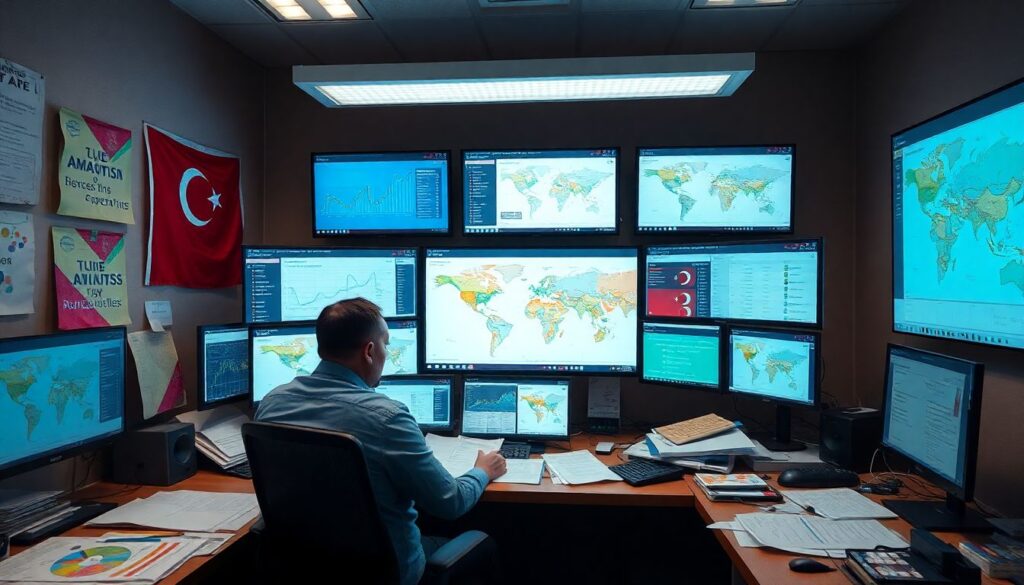
- Data quality gaps in some leagues, especially lower tiers where event and tracking data are incomplete or inconsistent.
- Cultural, language and adaptation factors that no model fully captures, but matter a lot for foreign signings in Turkey.
- Overfitting to favourite metrics (for example, only xG or only duel win-rate) and ignoring the wider game context.
- Pressure from agents, media or fans that can push clubs to ignore data signals at the last minute.
- False confidence from complex models that are not well understood by decision-makers or are built on small samples.
Tactical application: turning data into match plans and in-game adjustments
Tactical analytics is about helping coaches prepare, execute and adjust game plans, using data to support their ideas. Done poorly, it can overload players or create rigid strategies. Done well, it simplifies messages and clarifies priorities.
Common mistakes and myths in Turkish clubs include:
-
Believing data can predict exact match outcomes
Analytics can show probabilities and typical patterns, not guarantee results. Treating models as fortune-tellers leads to overconfidence and disappointment after a single upset or red card. -
Copying foreign tactical templates blindly
Imitating top European clubs without considering Süper Lig tempo, refereeing style or squad profile is risky. Safe use adjusts principles (pressing height, build-up patterns) to local realities and player strengths. -
Flooding players with dashboards and numbers
Players need a few concrete instructions, not full analytical reports. Good practice: the analyst prepares detailed work, then the coach selects two or three data-supported keys to communicate in clear football language. -
Ignoring qualitative information in favour of charts
Body language, dressing-room mood and small tactical tweaks seen on video still matter. Numbers should invite questions (for example, "why are we conceding crosses from this zone?"), not replace staff discussions. -
Using live data without preparation
In-game dashboards are helpful only if staff agree in advance what triggers a change: for example, pressing intensity falling below a certain range or opponents overloading a flank. Otherwise, live stats create noise and panic, not clarity. -
Underestimating communication between analysts and coaches
Misunderstandings appear when analysts present findings in technical language without linking them to the coach's model of play. Investment in shared language and regular meetings is often more important than buying new tools.
Commercial use and fan analytics: revenue, engagement and brand growth
Beyond the pitch, Turkish clubs increasingly use analytics to understand fans, grow revenue and strengthen their brands. This area can deliver quick financial returns that help justify budgets for sporting analytics and staff.
A simplified mini-case from a hypothetical Istanbul club:
- The club aggregates ticketing, merchandising and digital interaction data into one view per fan, using technology similar to sports analytics software for football teams but focused on business metrics.
- Analysts segment fans by behaviour: match-day regulars, international followers, families, ultra groups and casual viewers who only watch big derbies.
- For each segment, marketing creates tailored campaigns: flexible bundles for families, international streaming content, targeted merchandise offers and local community events.
- Data from response rates feeds back into the model, showing which offers work and when to adjust prices or timing.
Safe limits here include respecting privacy regulations, being transparent about data use and avoiding aggressive over-messaging that can damage long-term fan relationships. Well-run projects connect commercial data with on-pitch narratives: tactical content, academy stories and behind-the-scenes analytics, deepening engagement instead of treating fans only as customers.
Practical questions coaches and analysts ask when adopting analytics
How can a Turkish club start using analytics safely with a small budget?
Begin with video analysis and one or two key metrics connected to your game model, such as chance creation or defensive compactness. Use affordable or existing performance analytics tools for soccer teams, focus on accurate data entry, and run small pilots before expanding to more areas.
What skills should we look for when hiring our first analyst?
Prioritise football understanding, clear communication and basic data skills over advanced programming. An analyst who can explain insights to coaches, tag matches, use common football data analytics services for clubs and learn gradually is more valuable at the start than a pure data scientist unfamiliar with the game.
How do we avoid conflicts between the coach and the analyst?
Define roles and decision rights early, and involve the coach in setting analytical questions. Analysts should present options, not orders, and always respect the coach's final decision. Regular joint meetings after matches and during the week help build trust and a shared language.
Can smaller clubs benefit from analytics without big data departments?
Yes. Smaller clubs can use external providers or shared football scouting data platforms for clubs, and concentrate on two or three key decisions: recruitment filters, training load control and simple opponent reports. The main need is discipline and consistency, not a large staff.
How do we measure if analytics projects are actually helping?

Link each project to a clear outcome: fewer muscle injuries, better set-piece conversion, more successful low-cost signings or higher season-ticket renewal. Track these over time, compare to previous seasons and document how data-informed decisions contributed, while remembering that football always includes randomness.
What tools do analysts in Turkish clubs typically use day to day?
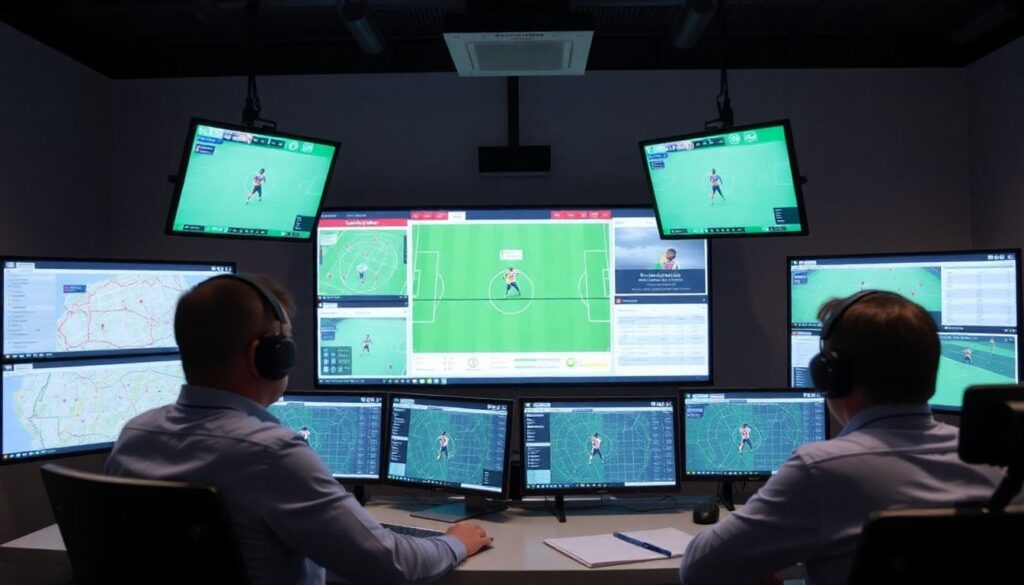
Commonly used tools include video tagging software, event-data platforms, GPS analysis applications and basic BI dashboards. Some clubs add coding environments for custom models, while others prefer ready-made sports analytics software for football teams that integrate different data sources into one interface.
Is it realistic to build a data career inside Turkish clubs?
It is becoming more realistic as clubs professionalise structures and define clearer data analysis jobs in football clubs. Ambitious analysts often combine club work with ongoing education, and some move between performance, recruitment and commercial roles as organisations recognise the value of data literacy.