From marginal pastime to packed stands
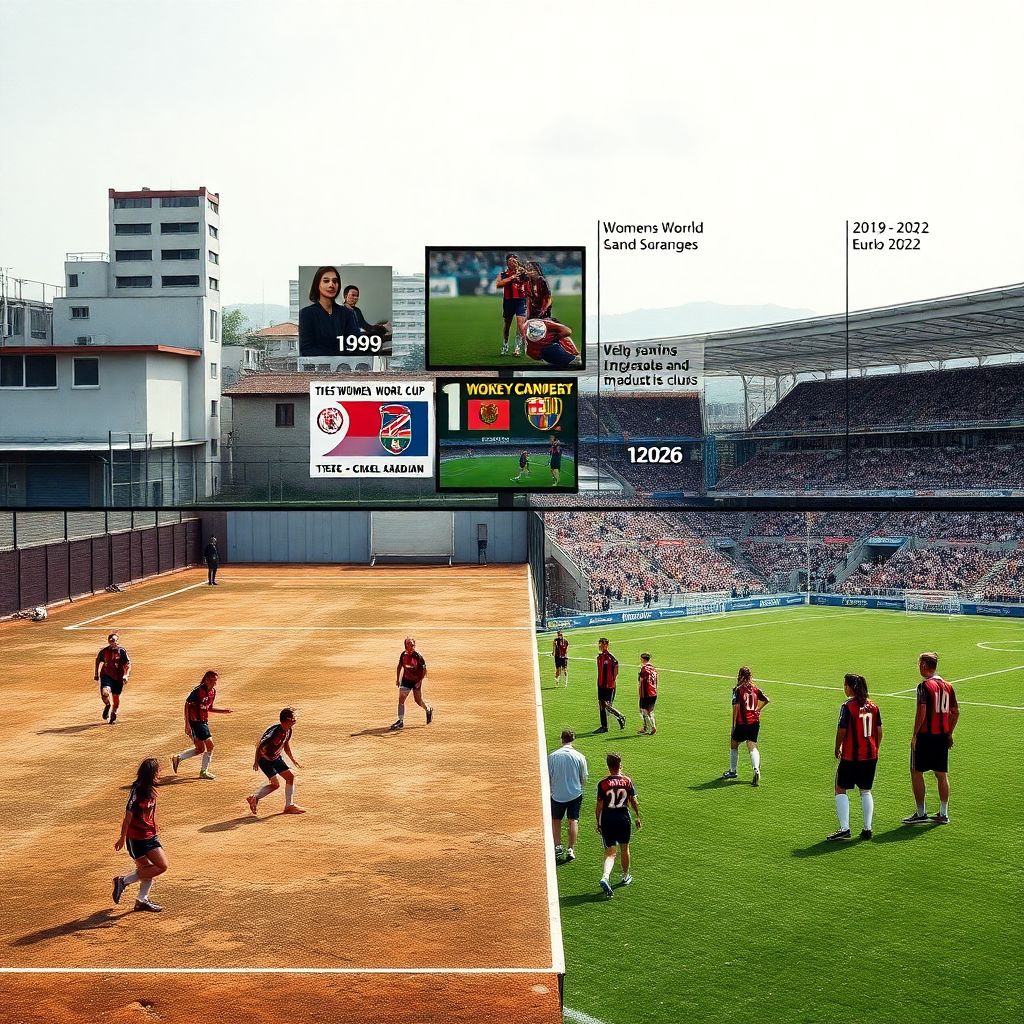
If you looked at women’s football in Turkey and Europe thirty years ago, you’d barely recognise it. In the 1990s most teams trained on leftover pitches, played in front of friends and family, and were almost invisible in the media. In Turkey the first official women’s league appeared in 1994, then repeatedly folded and relaunched, mirroring wider social hesitation. Western Europe moved a bit faster: Scandinavia professionalised earlier, Germany and France built national programmes, and by the 2010s England’s WSL turned into a TV product. The turning point came around the 2019 World Cup and Euro 2022, when sold‑out stadiums and record audiences forced federations and sponsors to treat the women’s game as a serious long‑term asset, not a side project.
Turkey vs Europe: two tempos of development

Today the gap is less about talent and more about structure. In leading countries, women’s clubs are integrated into powerful men’s brands, with shared training centres, medical staff and scouting. In Turkey this is only starting to stabilise: heavyweights like Galatasaray and Fenerbahçe have invested, but budgets remain fragile and youth systems patchy. Fans still struggle to find basic information such as turkey women’s football league fixtures, while in England, Germany or Spain apps provide real‑time data, line‑ups and advanced statistics. Yet Turkey has an advantage too: a very young population, growing urban middle class and a strong school sports culture, which together create a huge pool of potential players and supporters if pathways are organised smartly.
Digital football: help and headaches
Technology quietly rewires the women’s game. GPS vests, video analytics and injury‑prevention algorithms let small staffs work efficiently, crucial for semi‑pro clubs. Affordable cameras and AI‑based tagging mean even second‑tier leagues can clip highlights and share them on social media, making previously invisible players scoutable worldwide. On the fan side, women’s champions league streaming has broken geographic barriers: a teenager in Izmir can follow Barcelona or Lyon on her phone as easily as the men’s Champions League. The downside is dependence on unstable platforms, uneven production quality and burnout risks from constant performance tracking. Tech cuts both ways: it democratises access but may widen gaps between data‑rich superclubs and underfunded local teams who can’t afford even basic infrastructure.
Pathways: from schoolyard to elite academies
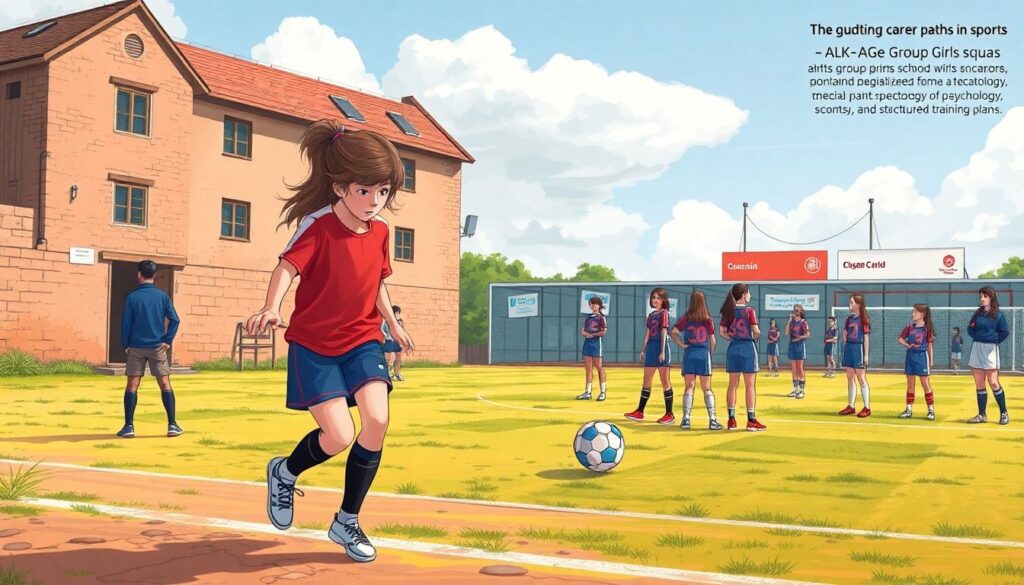
Career paths used to be painfully improvised: a talented girl joined a boys’ team “until it became awkward,” then hoped a nearby club existed. That is changing. In many countries federations now certify age‑group squads, link them to schools and train specialised coaches in female physiology and psychology. The rise of girls football academies in europe is crucial here: they bundle education, nutrition, and mental‑health support into a single system, treating players as long‑term projects, not seasonal labour. Turkey is catching up: big Istanbul clubs are opening U13 and U15 teams for girls, while some universities offer scholarships for female footballers. Still, rural regions and smaller cities lag badly, and without buses, safe facilities and parental buy‑in, early promise often dissolves by late adolescence.
Money, tickets and the business side
Economically, women’s football has left the “charity project” phase and is edging into serious entertainment. European clubs report double‑digit annual growth in attendances, while dynamic pricing for women’s football europe tickets shows that fans are ready to pay more for top‑tier matches, especially derbies and finals. This, in turn, attracts sponsors looking for authentic, less cynical engagement than in saturated men’s football. Brands are experimenting with targeted women’s football sponsorship opportunities europe wide: campaigns about body positivity, STEM careers or social inclusion often resonate more through women’s teams. The challenge is to avoid under‑selling rights; many clubs still bundle women’s inventory into men’s packages for free, losing a chance to build a distinct commercial identity and long‑term financial autonomy.
Practical recommendations for sustainable growth
To turn current momentum into something durable, each stakeholder has homework to do:
1. Clubs should integrate women’s teams into their core strategy, sharing medical, scouting and marketing resources instead of treating them as PR add‑ons.
2. Federations need transparent calendars, minimum salary standards and reliable broadcasting deals so that players and sponsors can plan more than one season ahead.
3. Broadcasters and platforms should invest in consistent production values, not only for big finals but also for regular league games, which build weekly habits.
4. Schools and municipalities must prioritise safe pitches, female‑only time slots and coach education, particularly outside major cities, where attrition is highest.
Trends 2026 and what comes next

By 2026 several trends are clear. First, competitive balance is shifting: mid‑tier European leagues are poaching talent from traditional giants thanks to better living conditions, not only wages. Second, data is reshaping scouting; smaller Turkish sides now use open‑source analytics to spot undervalued players abroad, compressing the knowledge gap. Third, players are more vocal on social issues, influencing not just kit design but club governance and maternity policies. For Turkey, the near future hinges on turning short bursts of success in Europe into stable ecosystems at home. If the country can link schools, local clubs and elite pathways while keeping matches accessible both in stadiums and online, its women’s football scene could become one of the most dynamic in the region.