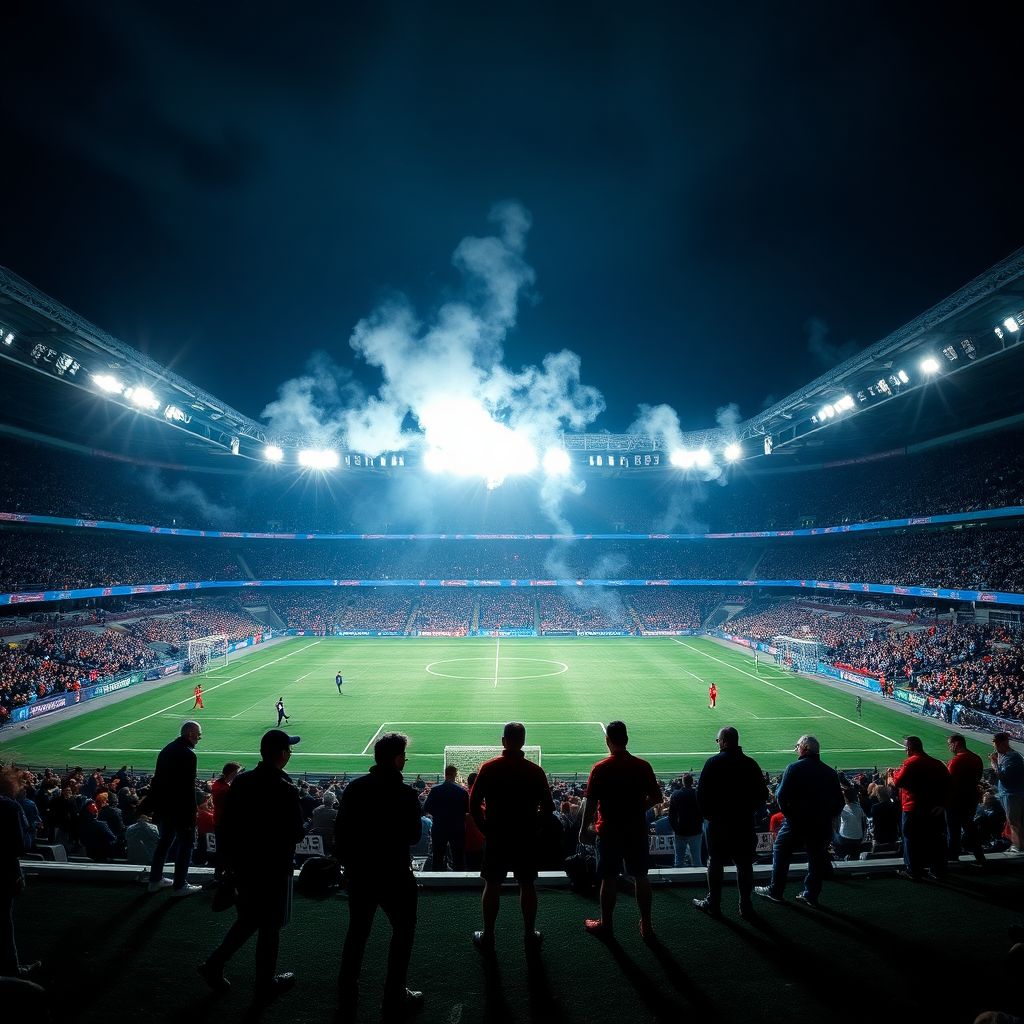
Turkish clubs in European competitions underperform mainly due to a combination of weak financial structures, short‑term transfer policies, tactical mismatch between domestic and continental football, fragile organizational capacity, and mental fragility under pressure. None of these factors alone explains why Turkish teams struggle in Europe; the problem is systemic and interconnected.
Overview of principal shortcomings
- Unbalanced club finances and debt limit sustainable squad building and clash with UEFA regulations.
- Transfer strategies favour short‑term, high‑wage veterans over sellable, peak‑age talent.
- Domestic tactical habits do not translate to the tempo and intensity of European cups.
- Organizational instability, frequent coaching changes and weak academies block long‑term growth.
- Mental resilience and game management often collapse under away pressure and high‑stakes moments.
- Structural issues reduce Turkish Super Lig performance in UEFA Champions League and other tournaments.
Financial foundations: revenue streams, debt and UEFA rules
From a definition perspective, the financial problem is not simply “lack of money”, but the composition, predictability and cost of that money. Turkish clubs depend heavily on matchday, broadcasting tied to domestic success, and short‑term sponsorships, while European peers rely more on diversified, stable income and player trading.
Debt becomes an issue when it is expensive, short‑term, and used to cover ongoing operating losses rather than investment. Many problems of Turkish football in European cups start here: heavy wage bills and transfer instalments leave little room to correct mistakes, and clubs are forced into fire‑sales or further borrowing.
UEFA’s financial regulations (currently club licensing and sustainability rules replacing classic Financial Fair Play) do not punish ambition; they punish structural imbalance. If a club constantly gambles on reaching group stages to pay its bills, one bad season in Europe can trigger a domino effect of cuts, panic buys and coaching changes.
Financially strong clubs treat European revenue as upside, not as a budget necessity. For Turkish clubs in European competitions, group‑stage money is often pre‑spent in the summer, which magnifies sporting risk: an early elimination quickly becomes a financial crisis, feeding back into on‑pitch instability.
Transfer strategy: talent sourcing, sell-to-buy cycle and valuation gaps
The transfer dimension explains a large part of why do Turkish teams struggle in Europe. The issue is less about individual signings and more about the overall cycle: how players are sourced, aged, paid, developed, sold, and replaced within a coherent sporting model.
- Age and resale profile
Top Turkish sides often sign over‑30 stars with limited resale value. This creates short competitive windows, high amortization costs, and no buffer from future sales to reinvest in the squad when results dip. - Sell‑to‑buy discipline
European clubs that punch above their weight operate strict sell‑to‑buy models. Many Turkish teams still see selling key players as a “loss of status” and hold out too long, missing peak valuation, then scrambling to replace them cheaply. - Scouting breadth and data use
Instead of structured scouting networks with data‑backed shortlists, recruitment can be driven by agents, short‑term coaching preferences, or fan pressure. This leads to misfits in style, physical profile and mentality for European football. - Squad balance and role duplication
Transfers are often made for names rather than roles. Clubs end up with multiple similar attackers and too few press‑resistant midfielders or defensively strong full‑backs, profiles that are crucial against top European opponents. - Wage structure and dressing‑room hierarchy
High wages for new foreign arrivals can unbalance the dressing‑room, demotivate existing performers, and reduce flexibility. When form drops, it becomes nearly impossible to move these contracts on. - Integration time and tactical fit
Frequent overhaul windows mean players rarely enjoy stable conditions to integrate. By the time chemistry develops, another coach or sporting director arrives and restarts the process.
Mini-scenarios to apply transfer principles in practice
Directors and coaches can use transfer mechanics to audit and adjust their strategy before the next European season. Below are practical mini‑scenarios relevant to Turkish Super Lig performance in UEFA Champions League and other European tournaments.
- Scenario 1: Age reset before group stages
A club notices its core XI averages over 30 and relies heavily on individual quality. Over two windows, it decides to sell two older stars at the last moment they still have value, and reinvests in three 23-26‑year‑old players with specific roles (ball‑winning 6, box‑to‑box 8, pressing winger) suited to European away games. - Scenario 2: Role‑based recruitment for Europe
After losing multiple away legs, analysis shows the team cannot progress the ball under pressure. Instead of signing another “big name 10”, the sporting director targets a deep‑lying playmaker comfortable under a high press and a full‑back who can invert into midfield, even if they are less glamorous signings domestically. - Scenario 3: Planned sale to fund structural upgrades
The club decides in advance that its standout forward will be sold after a strong season, with clear minimum fee and shortlist prepared. His sale funds not only two replacements, but also modern scouting software and additional analysts, directly supporting how to improve Turkish football clubs in Europe long term.
Tactical mismatch: domestic dominance versus European adaptability
The tactical problem arises when game models that deliver results domestically fail against more intense, structured and tactically flexible European sides. Turkish Super Lig performance in UEFA Champions League and Europa fixtures often exposes gaps in pressing coordination, compactness, and in‑game adaptability.
- High possession, low control
At home, big Turkish teams dominate the ball with many players ahead of it. In Europe, losing the ball in these structures leads to massive transition spaces. Opponents with quick wingers and mobile forwards punish these gaps relentlessly. - Pressing that breaks in the second line
Teams may start with aggressive pressing but lack synchronized movements in midfield. Once the first press is bypassed, the defensive block drops chaotically, neither pressing nor compact “mid‑block”, creating easy half‑spaces for European playmakers. - Set‑piece fragility
Even when open play is balanced, set‑piece defending in European cups can be a weakness: poor marking discipline, late switching, and over‑reliance on individual height rather than collective blocking schemes. - Game‑state management
Leading 1-0 away, many sides fail to adjust their block height and tempo. Instead of controlled compact defending and smart counter‑attacking, they either sink too deep with no outlet, or keep attacking recklessly, exposing transitions. - Mismatch between domestic refereeing and European thresholds
Habits formed in domestic refereeing environments (arguing decisions, tactical fouling thresholds) can quickly backfire with international referees, leading to unnecessary cards and loss of emotional control. - Limited plan B and C
When the initial plan fails, substitutions tend to be “like for like” rather than structural changes (e.g., back three, box midfield, or asymmetric full‑backs). Opponents adjust; Turkish teams often do not, or do so too late.
To reduce these tactical problems of Turkish football in European cups, coaches should test European‑style game models domestically: practising compact mid‑blocks, controlled pressing triggers, and structured set‑piece routines even against weaker Super Lig opponents.
Organizational capacity: coaching stability, scouting and youth integration
Organizational capacity is the club’s ability to make consistent, long‑term football decisions. It includes stability in the coaching position, alignment between board, sporting director and staff, depth of scouting operations, and how effectively the academy supplies first‑team players able to compete in Europe.
Strong organizational capacity does not mean never changing coach or never taking risks. It means that when changes occur, they happen inside a clear strategic framework rather than through emotional swings after a few bad results in European ties.
Structural advantages when the club is well organized
- Coaching appointments follow a defined playing philosophy, so each new coach inherits a squad built for similar principles instead of a tactical “Frankenstein” mix.
- Scouting departments with clear geographic focus and role‑based profiles produce continuous shortlists, reducing agent dependence and panic buys before UEFA registration deadlines.
- Youth integration is planned: academy talents are given targeted minutes domestically so that, by the time European qualifiers arrive, they are physically and mentally ready to contribute.
- Performance analysis and medical teams share data, enabling staff to prepare for specific European opponents and manage travel, recovery and load effectively.
- Board and sporting management understand variance in European knockout football and avoid overreacting to a single unlucky elimination.
Typical constraints holding Turkish clubs back
- Short coaching cycles mean tactical projects are restarted every season; players adapt more to “surviving the next coach” than to mastering a consistent game model.
- Scouting is under‑resourced and reactive; decisions concentrate on players already popular in media rather than undervalued profiles suited to European intensity.
- Academies are seen more as cost centres than as strategic assets, leading to few homegrown players trusted in big games and higher wage bills for imported depth.
- Club politics and election cycles encourage short‑term signings that win votes but do not help in away games in Europe two years later.
- Lack of clarity in roles (coach vs sporting director vs president) slows down critical transfer decisions before UEFA squad registration deadlines.
Mental edge: squad psychology, pressure handling and leadership
The mental component covers how players and staff handle pressure, adversity, hostile atmospheres and momentum swings. Even with solid tactics, fragile psychology can explain sudden collapses in European knockout ties or group matches that seemed under control.
- Mistaking passion for control
Equating emotional intensity with competitive focus leads to over‑aggression, early bookings and loss of clarity in decision‑making when calls go against the team. - Belief in “inevitable” away failures
Repeating narratives about “we always suffer away in Europe” becomes a self‑fulfilling prophecy. Players expect problems instead of preparing specific coping strategies for different stadiums and refereeing styles. - Over‑reliance on one or two leaders
When leadership is concentrated in a few veterans, the team struggles if those players are injured, off‑form or emotionally overwhelmed. Distributed leadership is rarely developed. - Ignoring psychological training
Some clubs still treat mental coaching as a luxury or weakness. In reality, structured work on routines, communication and focus is as trainable as pressing patterns. - Confusing excuses with explanations
Blaming pitch quality, travel or referees after every defeat blocks learning. Constructive debriefs should acknowledge external factors but focus mainly on controllable behaviours and decisions. - Assuming home atmosphere alone will rescue results
Relying on intense home support to “intimidate” opponents can hide tactical and mental flaws. When the atmosphere turns anxious, players unused to self‑regulation can freeze.
Comparative cases: lessons from Turkish teams that over- and under-performed
Looking at contrasting examples helps clarify how financial, tactical and mental elements interact. The question is less “financial, tactical or mental?” and more how misalignment across all three explains chronic underperformance of Turkish clubs in European competitions.
Example of relative over‑performance
A club qualifies for Europe with a modest budget but clear identity: intense pressing, quick vertical attacks, and strong set‑pieces. They sign three undervalued players from smaller leagues, all with strong physical data and tactical discipline. The coach stays for multiple seasons, the core is kept intact, and the team reaches a European group stage and then a knockout round. Financial stability enables them to refuse panic sales; mentally, the group enters each tie with a clear plan and realistic expectations.
Example of chronic under‑performance
Another club spends heavily each summer on aging stars hoping to boost status and coefficient points. There is no aligned sporting director; presidents change, coaches rotate, and the squad becomes a mix of incompatible profiles. Wage bills are high, debt grows, and qualification to group stages is treated as guaranteed income. When elimination comes in qualifying rounds, the financial gap forces rushed sales and short‑term loans. On the pitch, inconsistent tactics and weak mental resilience lead to collapses in second legs, reinforcing the narrative of why do Turkish teams struggle in Europe.
Clubs studying how to improve Turkish football clubs in Europe should benchmark themselves against both types of cases, using concrete indicators: wage‑to‑revenue ratio, average age of starting XI, minutes for academy players, number of coaching changes, and away results across several seasons in European ties.
Practical questions directors and coaches commonly raise
Is the main reason financial, tactical or mental?
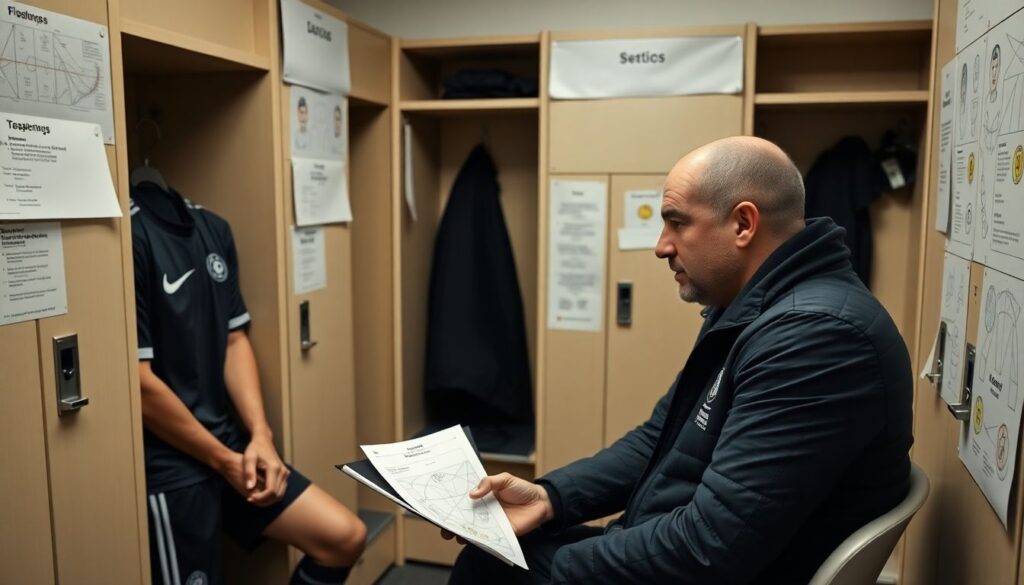
None of these areas alone explains the issue. Most underperforming clubs share financial imbalance, transfer inconsistency, tactical mismatch and mental fragility at the same time. The practical task is to identify which factor is currently the biggest constraint and address it without ignoring the others.
How many years are needed to see improvement in Europe?
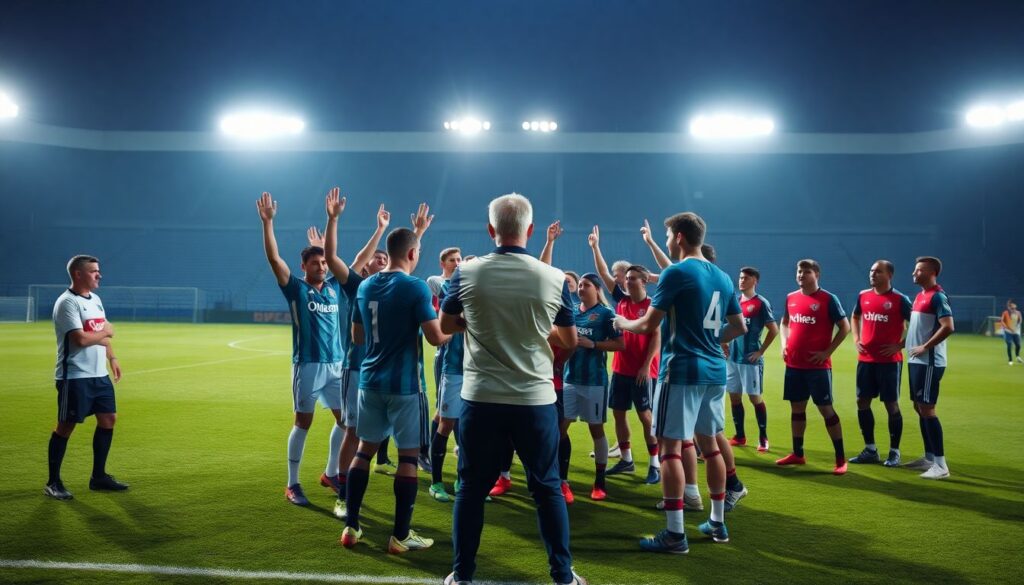
Improvement usually appears within a couple of seasons if the club sets a clear playing identity, stabilises coaching, and makes two or three smart transfer windows. Deep runs may take longer, but signs such as better away performances and fewer chaotic games should come earlier.
What is the first step for a big Turkish club already in debt?
Start with a hard financial and squad audit: identify unsustainable contracts, critical positions, and non‑core costs. Then set a two‑to‑three‑year squad plan that accepts short‑term pain, including selling high‑value players on time, to rebuild a younger, more balanced team.
How can coaches prepare tactically for European away games?
Use domestic matches to rehearse European scenarios: compact mid‑blocks, fast but controlled counters, and detailed set‑piece plans. Analyse specific opponents’ pressing and transitions, not just their formations, and prepare clear communication protocols for when the team is under long spells of pressure.
What role should the academy play in European ambitions?
The academy should supply physically and mentally ready squad players, reducing wage bills and increasing tactical continuity. Homegrown players who understand the club’s game model make it easier to adapt quickly between domestic and European styles without rebuilding the squad every summer.
Do Turkish clubs need foreign sporting directors to improve?
Not necessarily. What matters is competence, clear methodology and authority, not nationality. A sporting director who understands European markets, data‑driven scouting and long‑term squad building can be Turkish or foreign, as long as the club supports their strategy consistently.
How can clubs strengthen players’ mental resilience for Europe?
Integrate mental training into daily work: routines for hostile environments, video‑based debriefs focused on controllable actions, leadership groups inside the squad, and collaboration with sports psychologists. Treat psychological preparation as seriously as physical conditioning and tactical drills.