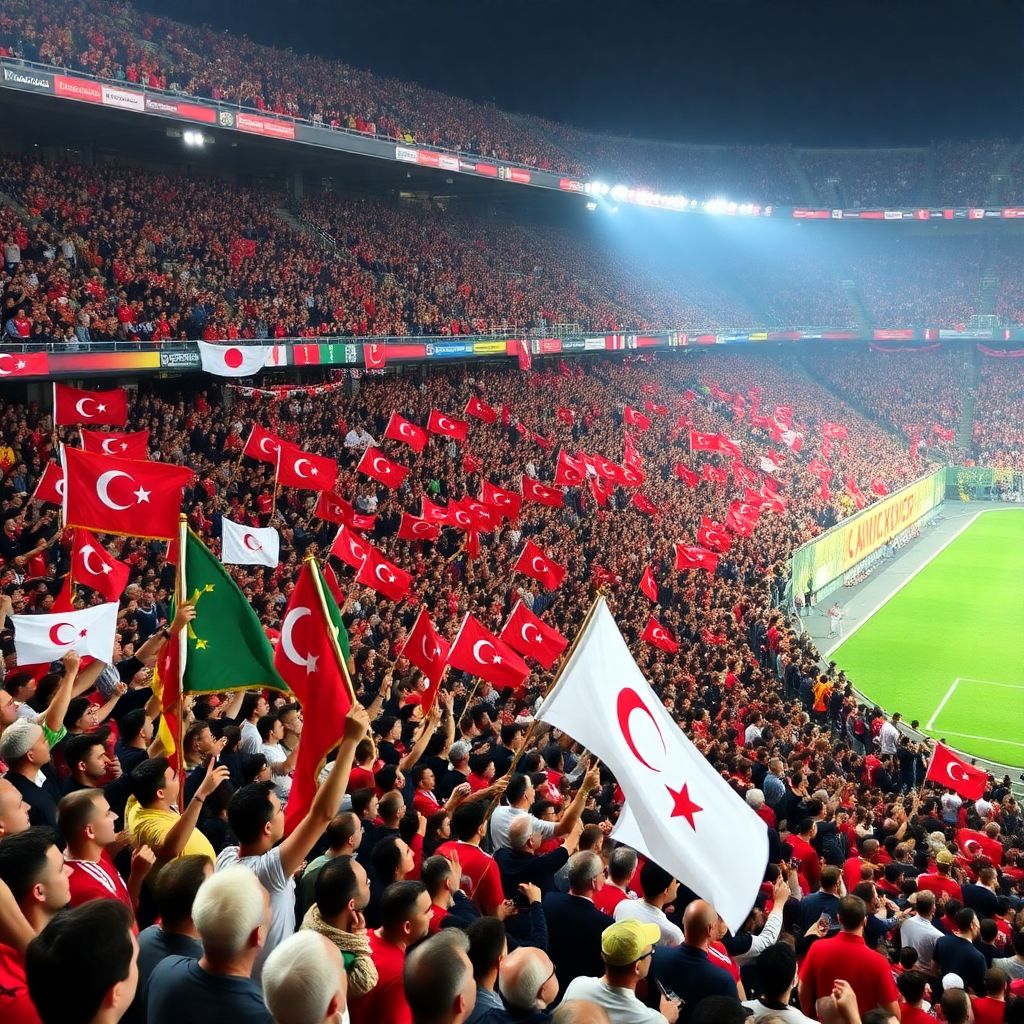
Regional identity in Turkey shapes club culture through city history, class, migration and local politics, influencing chants, colours, rivalries and matchday rituals. Understanding these roots helps visitors choose respectful behaviour on stadium visits, football tours Turkey stadiums experiences, and when buying Super Lig football merchandise online or turkish football clubs tickets.
How Place and Pride Define Turkish Clubs
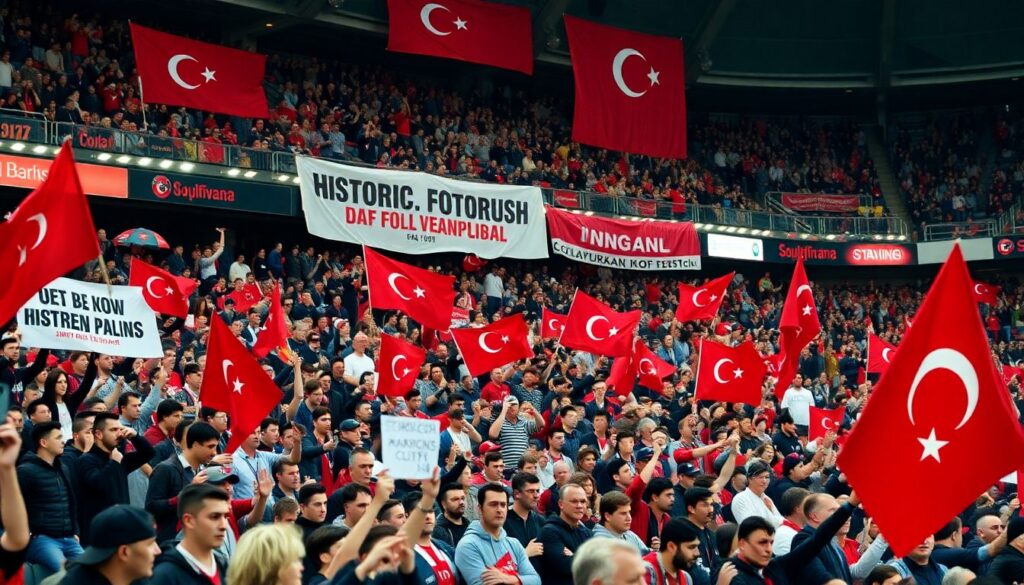
- Turkish clubs are deeply tied to their city, district or even a specific neighbourhood, not just to sporting success.
- Ottoman legacies, workers’ movements and university circles still influence fan identities and rivalries.
- Geography and local economies create contrasting club cultures between Istanbul, Anatolia and coastal cities.
- Ethnic, religious and linguistic elements appear indirectly in fan culture and require sensitive, informed behaviour.
- Migration and diaspora fans expand club reach but can dilute or re-shape local traditions.
- Commercialisation, media narratives and vip hospitality packages turkish super lig change how regional identity is performed and sold.
Historical Roots: Ottoman Legacies and Local Rivalries
Regional identity in Turkish football grew from late Ottoman and early Republican urban life. The first Istanbul clubs formed around specific districts, schools and social circles, so being a supporter linked you to a social world as much as to a team. This pattern spread to Anatolian cities, where clubs came to symbolise local pride against Istanbul’s dominance.
Over time, rivalries embedded themselves in stories about class, education, political leanings and neighbourhood differences. For example, some fan narratives describe contrasts between old commercial elites, port workers or civil servants. Even when these images no longer fully match reality, they still guide chants, banners and stereotypes between fan groups.
Another layer comes from municipal and state policies. In many cities, a single “city club” received public backing, stadium access and media attention, turning local derbies into contests for political as well as sporting prestige. These histories explain why some matches feel like symbolic battles for regional recognition, not just league points.
- Before visiting a derby, learn the basic history of the clubs and what they represent locally.
- Avoid repeating simplified clichés about “rich vs poor” or “religious vs secular” clubs; reality is more mixed.
- When unsure about a rivalry’s sensitivity, ask local fans and follow their guidance on what topics to avoid.
Geography and Economy: How Cities Shape Club Identity
Geography divides Turkish football cultures into overlapping zones. Istanbul’s multi-club ecosystem differs from one-club provincial cities, Black Sea port towns or touristic coastal regions. Climate, urban density and transport shape how fans gather, travel and display symbols, influencing the atmosphere you will experience on matchday.
Local economies also matter. Industrial cities often have clubs linked historically to factories or workers, while port and service cities may lean on maritime, trade or tourism imagery. Economic shifts, such as deindustrialisation or construction booms, alter the supporter base and change which social groups dominate the curva.
- Istanbul vs Anatolia: Istanbul clubs balance global branding with neighbourhood ties; many Anatolian clubs represent the whole province, so criticism of the club can feel like criticism of the city.
- Port and coastal cities: Clubs from Izmir, Trabzon, Antalya and others often use maritime symbols, seafaring chants and references to local food or landscapes.
- Industrial hubs: In cities with strong industrial histories, club culture can feature worker pride, union banners and older songs from factory communities.
- Tourism-driven regions: Matchday experiences are sometimes shaped to fit visitor expectations, especially for football tours Turkey stadiums products, yet local fans may still protect areas of “locals only” expression.
- Transport and access: Where public transport is limited, ultrAs and fan groups often coordinate buses, reinforcing tight in-group relationships and shared identity.
- Before buying turkish football clubs tickets, check whether the club represents a neighbourhood or the whole city; this affects how neutral clothing is perceived.
- Respect local symbols (flags, landmarks, food) that appear in chants and tifos; they are part of economic and geographic pride.
- Use official channels or reputable agencies when booking stadium tours to avoid unsafe or exploitative offers.
Ethnicity, Religion and Language in Fan Culture
Ethnic and regional backgrounds appear subtly in Turkish fan culture, often through music styles, accents, and references to villages or regions of origin. For instance, Black Sea clubs may feature kemençe rhythms and local dances, while Aegean or southeastern clubs reflect different folk traditions in their chants and celebrations.
Religion is present more as a cultural backdrop than as official club policy. Some fan groups coordinate charity events during religious holidays, or use religious phrases as expressions of loyalty and sacrifice, but clubs in the Super Lig generally avoid formal religious branding. Misreading this nuance can lead to over-simplified labels that local supporters reject.
Language is another marker. Standard Turkish dominates stadiums, but dialects, regional sayings and occasional Kurdish, Arabic or other languages appear in songs and banners. These expressions are deeply personal and political for some fans, making them risky to imitate without understanding the context or meaning.
- Regional music and chants: Drums, horns and folk melodies connect the stadium to the surrounding region’s culture; copying them carelessly can feel mocking.
- Religious references: Slogans invoking faith often express resilience, not formal religious positioning; avoid treating a club as a religious organisation.
- Minority languages: Songs or banners in non-majority languages can be sensitive; you should not film or share them without considering potential risks for locals.
- Online discussions: When buying best turkish football club jerseys to buy or discussing clubs in forums, stay away from ethnic or sectarian jokes; they travel badly across regions.
- Do not shout or sing in a language you do not understand just because others do; ask a trusted local to explain lyrics first.
- Avoid linking a club to a single ethnicity or religious group; intra-club diversity is usually high.
- When filming in the stands, be cautious about clearly capturing faces near political or identity-related banners.
Migration, Diaspora Supporters and Urban Change
Internal migration has transformed supporter bases in big cities. Fans bring loyalties from their hometowns, so an Istanbul district bar might host groups for Trabzonspor, Bursaspor or eastern Anatolian clubs. Matchdays then become gatherings of regional diaspora, mixing nostalgia with present-day urban life.
Abroad, Turkish communities in Germany, the Netherlands or the UK form supporter clubs, organise screenings and sell unofficial merchandise. Their identity combines attachment to their city club with their realities as migrants. These diaspora networks amplify club brands and influence what foreign fans see on social media.
Urban renewal also shifts fan geographies. Gentrification can push lower-income supporters away from traditional stadium areas, while new arenas in the outskirts change who can attend easily. This sometimes weakens neighbourhood-based rituals and replaces them with more family-oriented or corporate experiences.
- Advantages of migration-driven support: Clubs gain wider financial and emotional backing; matches become meeting points for different regions; diaspora fans help internationalise the league.
- Advantages of diaspora communities: They promote Turkish football abroad, create safe social spaces around matches and make it easier for foreigners to join viewing events.
- Limitations in big cities: Tensions can arise between “original” local fans and newcomers, especially when space around stadiums becomes contested.
- Limitations abroad: Diaspora narratives may romanticise or freeze club identity, missing recent changes in the home city’s culture and politics.
- When joining a diaspora fan club, ask about both hometown traditions and how they adapt to the host country’s rules.
- Near stadiums, follow local fans’ lead on where it is safe or appropriate for away or neutral supporters to gather.
- Be careful not to speak for “all fans” if your experience is limited to diaspora pubs or expat communities.
Stadiums, Rituals and Local Symbols
Stadiums in Turkey are physical symbols of regional identity. Older grounds often sit close to the city centre, connected to specific districts and street cultures, while newer arenas may feel more generic but offer improved safety and comfort. Each ground has unwritten rules about where different groups sit, chant and display banners.
Rituals include marches to the stadium, pre-match gatherings in certain streets, shared songs before kick-off and specific reactions to goals or controversial referee decisions. Many of these practices are mildly political or class-coded, even if they do not mention politics directly. Outsiders can participate respectfully but should avoid leading or changing rituals.
Local symbols appear on scarves, murals and tifos: bridges in Istanbul, anchors in port cities, mountains, rivers or historic monuments elsewhere. These are not just tourist icons; they show how the club imagines its community. Buying super lig football merchandise online without understanding these symbols can lead to mismatches between image and meaning.
- Myth: all Turkish stadiums are dangerous. Reality: risk levels vary; modern Super Lig stadiums have strong security, but local derbies and lower leagues can be more intense.
- Myth: tourists can behave like locals immediately. Reality: some rituals, insults or gestures carry deep history; copying them without context can offend or escalate tensions.
- Myth: club symbols are just design choices. Reality: colours, animals and landmarks often refer to specific histories of struggle, pride or competition with neighbours.
- When entering a new stadium, observe for one match before actively joining chants or jumping in unison.
- Purchase scarves or jerseys from official or trusted sources, and learn what the symbols represent in local narratives.
- Do not stand on seats, climb fences or film ultras in close-up unless you are certain it is accepted in that section.
Policy, Media and Commercialization Effects on Regional Identity
Government regulations, municipal decisions and federation policies shape which regional identities gain visibility. Stadium bans, pass systems and policing styles influence how fans express dissent or pride. At the same time, broadcast deals and highlight packages decide which songs, tifos and narratives reach the national audience, often simplifying complex local stories.
Commercialisation transforms club culture into products: shirts, scarves, documentaries, social media clips and curated fan zones. vip hospitality packages turkish super lig and branded family sections showcase a “safe” and polished version of fandom targeted at sponsors and international viewers, while more subcultural or oppositional practices stay in the background.
Media narratives can reinforce stereotypes, such as depicting some regions as inherently more “emotional” or “aggressive”. Over time, fans may lean into or resist these characterisations. This feedback loop between policy, media and self-presentation partly explains why the same club can look different on television, in an official store and in its most intense terraces.
Example pattern of influence:
Local policy -> Stadium location & rules
Stadium rules -> Where and how fans can gather
Media coverage -> Which songs & images go national
Club marketing -> Which identities appear in campaigns
Fan response -> New chants, tifos, boycotts or adaptations- Check current stadium regulations (ID cards, away fan rules, pyro bans) before travelling; these can change quickly.
- Treat TV and social media as partial views of club culture, not full reality; ground-level practices are always more diverse.
- Supporters’ groups may boycott certain sponsors or matches; inform yourself before wearing branded items into ultra sections.
Self-Check: Navigating Regional Identity Safely as a Visitor
- Can you briefly describe what your chosen club represents locally (city, class, history) before attending a match?
- Have you checked current safety rules and local advice about derbies, away ends and politically sensitive games?
- Do you know which chants and gestures are safe for outsiders to copy, and which you should only observe?
- Are your jerseys, scarves and colours appropriate for the area you will visit, especially on matchday?
- Do you have a local contact or reliable source to clarify doubts about regional, ethnic or religious sensitivities?
Common Practical Questions About Regional Influence
How should I choose which Turkish club to support without offending locals?
Base your choice on a city or story that genuinely interests you rather than only on trophies. Read about the club’s history and neighbourhood, and avoid switching allegiances based on short-term success, which can be seen as shallow or disrespectful.
Is it safe to buy and wear any Turkish club jersey as a neutral fan?
In most situations it is fine, but some districts are strongly associated with specific clubs. Before wearing colours, especially on derby days, ask locals whether a particular shirt might cause tension in that area or on certain transport routes.
What is the safest way to buy turkish football clubs tickets for a regional derby?
Use official club websites, authorised resellers or reputable agencies. Avoid street scalpers, choose home or neutral sections unless invited by trusted away fans, and always check ID or pass requirements in advance for high-risk matches.
How do regional identities affect stadium tours and neutral visits?
Guided football tours Turkey stadiums usually highlight safe, family-friendly aspects of club culture. Still, respect local memorials, murals and fan areas, and follow instructions about where photography is restricted or which chants are inappropriate for visitors.
Does buying super lig football merchandise online support local fan culture?
Official stores and licensed retailers support clubs financially and indirectly sustain local projects. However, some ultra groups sell their own gear; if you buy it without understanding intra-fan politics, you might appear to back one group against another.
What should I know before choosing vip hospitality packages turkish super lig for a big game?
Hospitality areas are usually separated from ultra sections and present a more controlled, less intense atmosphere. This can be safer for visitors, but you will experience a curated version of club culture rather than street-level regional expressions.
How do I avoid crossing lines with ethnic or religious issues in Turkish stadiums?
Do not initiate political, ethnic or religious chants, and avoid repeating slogans you do not understand. Stay away from provocative banners, and treat all identity-related expressions as sensitive, even if some fans appear relaxed about them.