
Why Set Pieces Now Decide Titles, Not Just Matches
Set pieces used to be treated like a side quest: a few corners from the captain’s notebook, one free-kick routine, и that’s it. Today, in Europe and Turkey, they regularly swing whole title races. When margins between top clubs shrink, an extra 10–12 goals per season from corners and free kicks often becomes the real tiebreaker. Analysts quietly track xG from dead balls, compare it to open play, и видят, что в решающие месяцы именно стандарты приносят победы, когда устают ноги, снижается темп и творчества в атаке становится меньше.
Step 1. See Set Pieces as a Season-Long Scoring System
First shift your mindset: a set piece is not a lottery, but a repeatable scoring system. In tight Turkish Süper Lig races, teams with structured routines routinely outperform rivals with more expensive squads but weaker organisation. In Europe it’s even clearer: clubs with a dedicated set-piece coach can turn mid-table attacking numbers into title-level goal tallies. Treat every corner, throw-in and wide free kick as another chance to apply a trained pattern, not just “cross and hope someone gets a touch”.
How This Plays Out in European Title Races
Look at top leagues: contenders usually sit near the top in set-piece goals for and near the bottom in set-piece goals against. They might not shout about it, но внутри клубов это KPI уровня «выиграем или проиграем сезон». In April and May, when fixtures pile up, teams struggle to create clean chances from open play. Well-drilled routines then become a kind of tactical shortcut to goals. One near-post block or clever screen can be worth as much as a new striker in terms of points gained.
Why It’s So Visible in Turkey
In Turkey, set pieces are even more influential because games often get emotional and chaotic. Refereeing style, intense crowds and slower pitches mean more fouls, more long throws and more stoppages. Чем больше пауз, тем выше ценность структуры. Clubs that survive away trips in hostile stadiums usually defend dead balls with almost obsessive attention. Over a full campaign, preventing three or four late goals from corners can easily decide who lifts the trophy in Istanbul and who settles for a European spot.
Step 2. Build a Simple Set-Piece Game Model
Before you copy routines from a football set piece tactics book, define your own game model. Answer three practical questions: which zones do we want to attack, who are our main aerial threats, and what tempo fits our players’ personality? In Europe some elite teams prefer fast, surprise corners to unsettle organised blocks; in Turkey many sides choose heavier, more physical deliveries to the far post. Your starting point is not fashion, а реальные сильные стороны состава, включая подачу, блоки и подборы.
Offensive Principles That Work at Any Level
Stick to a few clear principles: attack different zones during the game so you’re not predictable, mix inswingers and outswingers, and always plan the second ball. A classic rookie error is to design a beautiful first movement and forget what happens when the ball is half-cleared. Championship-winning sides often score not from the first header but from the rehearsed reactions around the box. When players know exactly who hunts rebounds and who stays for rest defence, confidence in set pieces climbs fast.
Defensive Principles to Avoid “Soft” Goals
On the defensive side, pick your basic scheme—zonal, man-marking or hybrid—and commit to detailing it. Turkish clubs frequently concede “soft” goals because forwards switch off on back-post zones or allow blockers to pin them. In top European teams, every player knows his reference point, starting body position and escape route if he’s screened. A smart rule for any level: if your players can’t explain their job on a corner in one sentence, your system is too complex to survive title-race pressure.
Step 3. Use Data Without Drowning in It
Even in smaller European clubs, coaches now rely on set piece data analysis software for football clubs to track delivery zones, success rates and match-ups. You don’t need a full analytics department, but you do need three numbers: chances created per 10 corners, shots conceded per 10 corners, and goals from rehearsed routines. These metrics reveal if training ground work actually turns into points. In Turkey more teams are adopting similar tools, though often via external analysts working remotely.
Warning: Don’t Chase Numbers Blindly
A classic mistake is to spam “dangerous” zones just because data says they have higher xG, ignoring your actual squad profile. If you don’t have a dominant header, endless inswingers into a crowded six-yard box are just turnovers. Some coaches also copy trends from Europe’s giants without adapting for different refereeing in Turkey, where contact is judged differently. Treat data as headlights, not an autopilot: it shows where value might be, но решение всё равно принимает тренер вместе с игроками.
Step 4. Build a Weekly Training Routine
Title-winning teams weave set pieces into the weekly plan instead of bolting them on the day before a match. A simple structure looks like this: early in the week, introduce or refresh one attacking and one defensive routine; midweek, run it at match tempo under fatigue; near matchday, rehearse only the details and communication. In Turkey, where training weeks can be disrupted by travel and emotion, the discipline to protect this block of work often separates serious title contenders from inconsistent outsiders.
Tips for New Coaches and Amateur Teams
If you’re new, resist the urge to install ten routines at once. Start with two corners and one wide free-kick pattern and master them. A short, focused block of 15–20 minutes per session beats an occasional chaotic half-hour. Explain not just movements but the “why”: players buy in faster when they see how a screen or dummy run opens space for a teammate. Over time you can layer complexity, но база должна работать даже в условиях усталости, шума трибун и нервов.
Using Modern Learning Tools
For coaches without access to big staffs, an online training for football set piece specialists can speed up the learning curve. Many platforms now blend video breakdowns with practical field sessions, allowing you to see how top European and Turkish clubs structure their work. A good football set piece coaching course won’t just hand you routines; it will teach you how to design your own, test them and cut what doesn’t work. That mindset turns a small club into a constantly improving threat on dead balls.
Step 5. Create a Set-Piece Team Inside Your Squad
In successful title runs you often find a mini “department” inside the squad: one or two delivery specialists, three main targets, one screener, plus two or three players who own second-ball zones. Give them responsibility. Some European coaches even hold short, informal huddles with this group before games just to review cues. In Turkey, where emotional momentum can swing quickly, having leaders who can calmly adjust routines during a match is priceless when rivals change marking schemes or bring on extra tall players.
The Role of the Analyst and Specialist Coach

At bigger clubs, the rise of the set piece analyst job football Europe shows how far the game has shifted. These staff members code every corner, document rival habits and propose new routines based on trends. Even if you can’t hire such a role full-time, you can emulate parts of it: assign one assistant to track all dead-ball events, keep a simple video library and review clips with players each week. Small, consistent feedback loops produce the marginal gains that decide tight title races.
Expert Recommendations from Inside Dressing Rooms
Experienced coaches across Europe and Turkey often echo three core recommendations. First, link set-piece plans to your club identity: a pressing side should favour quick, disruptive routines; a possession team might use short corners to keep structure. Second, build repetition without boredom: vary starting shapes while keeping core patterns intact so players stay engaged. Third, invest in communication: captains should know how to switch from Plan A to Plan B on the pitch without waiting for instructions from the touchline.
What Top Players Emphasise
Veteran defenders in title-chasing sides often mention trust as the key. They want clarity: who attacks the ball, who covers the flick-on, who protects the transition. Strikers, on the other hand, emphasise timing and blocking; they know that a half-step advantage created by a legal screen can define a season. Experts also stress recovery: after you concede from a set piece, having a routine debrief process prevents panic changes. Stable principles matter more than ripping everything up after one bad goal.
Common Mistakes That Kill Title Hopes
Several recurring errors repeatedly punish ambitious clubs. One is overcomplicating routines for big derbies, especially in Turkey, where tension is already sky-high; extra layers of choreography often collapse under pressure. Another is ignoring opponent-specific details in European competitions, assuming your “universal” plan will just work. Coaches also sometimes neglect rest defence, sending too many players forward and getting hit by counters. Чем ближе конец сезона, тем дороже каждая такая контратака, особенно в матчах с прямыми конкурентами.
Psychological Traps to Avoid
There’s also a mental side. Teams that concede one messy corner can suddenly “decide” they are bad at set pieces, drop aggression and become passive. Experts advise reframing: treat each dead ball as a fresh duel, backed by a tested system. Another trap is ego—coaches clinging to fancy routines they designed, even when numbers show they don’t work. A title-focused staff is ruthless: if a pattern doesn’t produce shots after several games, it gets replaced, no matter how clever it looked on the tactics board.
Step 6. Plan Across the Whole Season
Thinking over a full campaign, top clubs map their set-piece evolution. Early season is about installing core schemes; mid-season brings opponent-specific tweaks; run-in months are for polishing what already works rather than inventing new tricks. In Turkey winter conditions and heavy pitches increase the value of long throws and direct deliveries, so smart coaches plan for that shift. In European spring, when fixture congestion hits, some sides simplify routines to reduce cognitive load on tired players, keeping execution sharp.
Using External Knowledge Without Copying Blindly
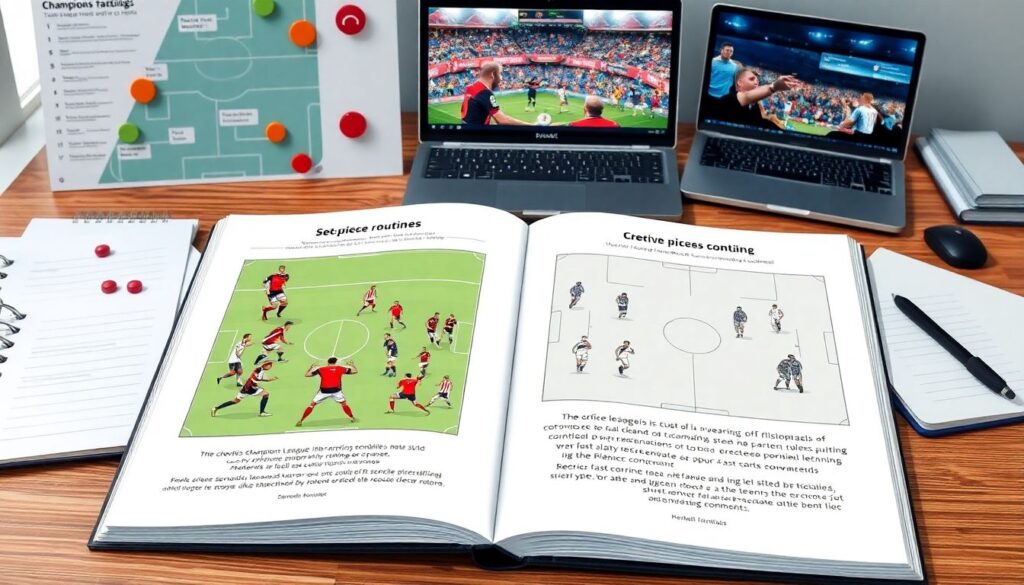
Resources like a well-structured football set piece tactics book can offer fresh ideas, but remember: context is everything. What works for a Champions League giant with six tall players might not suit a mobile, technical squad fighting for the Süper Lig title. Complement books with match footage from leagues similar to yours and, if possible, short workshops or clinics. Many staff members now supplement their work with a targeted football set piece coaching course to stay current on trends without losing their own style.
Continuous Learning for Staff and Players
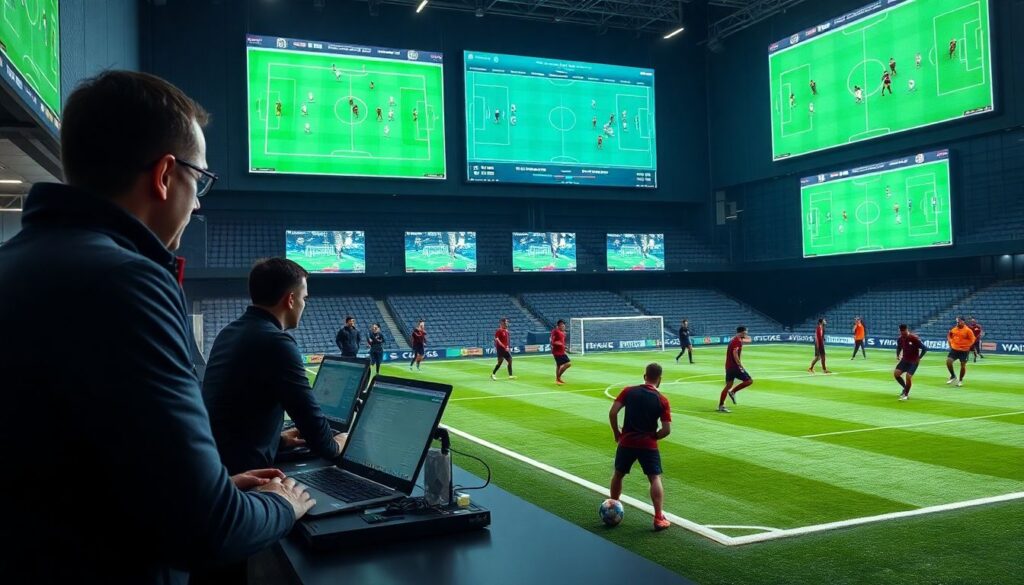
Clubs that consistently fight for titles treat set pieces as an ongoing R&D project. Coaches explore new methods through online training for football set piece specialists, analysts trial micro-adjustments using tracking data, and players contribute on-field feedback about what feels natural. The cycle is simple: design, train, measure, adapt. Whether you’re chasing championships in Europe or Turkey, that loop gradually tilts the fine margins in your favour. Over 34 or 38 games, those margins usually spell the difference between glory and almost.