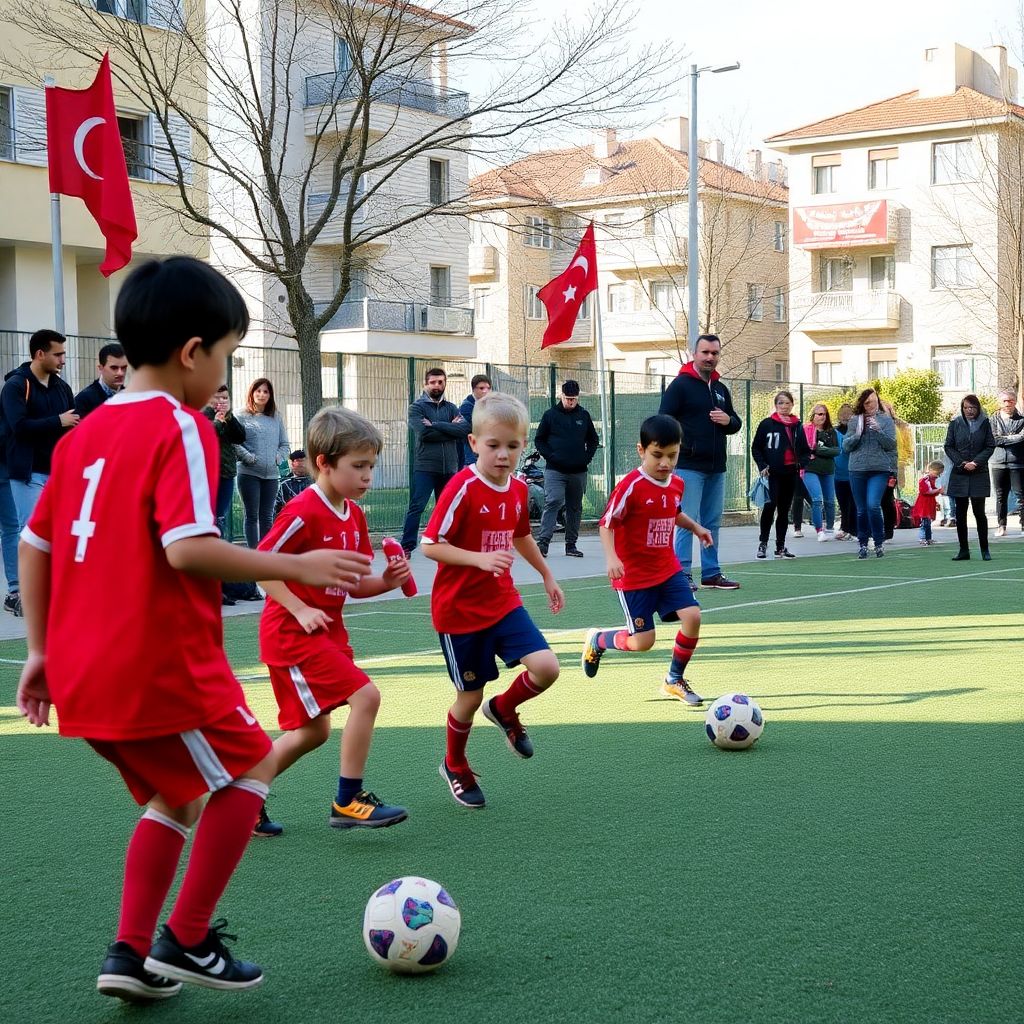
Youth development in Turkey is shifting from unstructured street football towards organized club systems and professional academies. Parents and coaches now need a clear pathway: safe free play, neighborhood clubs, structured trials, and balanced education. This guide explains how to move a child from the street pitch to professional structures without losing creativity or well-being.
Core Shifts in Turkish Youth Football Development
- From informal street games to organized neighborhood clubs and school teams.
- From single-club focus to a pathway that mixes free play, local leagues, and licensed academies.
- From short-term winning to long-term technical and tactical development models.
- From ignoring school to structured dual-career planning with academic support.
- From random scouting to clearer trials and talent ID at professional football training camps Turkey.
- From cost-blind decisions to conscious planning around the real cost of youth football academies in Turkey.
How Street Football Shapes Early Talent and Creativity
Street football in Istanbul, Ankara, Izmir, or smaller Anatolian cities builds creativity, 1v1 skills, and decision-making under pressure. It suits kids from roughly 6-12 who love playing freely with friends.
However, relying only on street games is risky when:
- The child shows above-average talent and needs position-specific coaching.
- There are safety concerns: traffic, poor lighting, aggressive adults, or older players.
- The environment rewards only physicality and fouling, not technique.
- The child has no exposure to basic warm-up, mobility, and injury-prevention routines.
Use street football as a foundation, not a full development plan:
- Encourage mixed-age games for resilience and problem-solving.
- Rotate positions naturally instead of locking kids into one role.
- Limit late-night play and unsafe locations; choose playgrounds or small astro-turf pitches when possible.
- Combine free games with simple ball mastery tasks (e.g., juggling, dribbling patterns) before or after matches.
Community Structures: Neighborhood Clubs and Informal Coaching
Neighborhood clubs in districts like Kadıköy, Beşiktaş, Konak, or Karşıyaka provide the first structured step between street football and professional football academies in Turkey for youth. To use them well, families and coaches need a basic toolkit.
Key requirements and resources:
- Safe local pitch access
- School pitches or municipal astro-turf with lighting and clear rules.
- Reasonable distance from home or school to avoid exhausting travel.
- Licensed or experienced grassroots coaches
- Preferably coaches with TFF grassroots or UEFA C/B licenses.
- Ability to manage mixed-level groups, not just the strongest kids.
- Basic equipment
- Age-appropriate balls, cones, bibs, portable goals.
- First-aid kit and a simple emergency plan shared with parents.
- Supportive club culture
- Emphasis on learning and fun, not only winning district leagues.
- Clear policy against abuse, bullying, and overtraining.
- Transparent cost structure
- Monthly fees, kit costs, and tournament travel explained in writing.
- Awareness that serious pathways later may increase the cost of youth football academies in Turkey.
Informal coaching (e.g., a former semi-pro in the neighborhood) can add value if basic safety is respected and training does not conflict with club sessions.
Transition Pathways: Trials, Scouting, and Local Tournaments
The move from grassroots to professional structures should be gradual and planned. Below is a step-by-step pathway that is realistic and safe for most families in Turkey.
- Audit the current level and motivation
Before asking how to join Turkish football academy systems, honestly assess the child’s age, skill, and enthusiasm. Avoid forcing trials if the child does not enjoy training or struggles in local matches.
- Ask current coaches for a written or verbal evaluation.
- Record 1-2 full games to review decision-making and positioning.
- Stabilize training in a local club
Commit to at least one full season with a neighborhood or amateur club before seeking major moves. This stabilizes habits and exposes the child to different roles and systems.
- Aim for two to three structured sessions per week where possible.
- Maintain street or park games as free-play, not a substitute for training.
- Use local tournaments as scouting windows
District leagues and city tournaments in Istanbul, Izmir, Bursa, or Antalya often attract scouts and academy coaches. Treat these events as learning experiences first, exposure opportunities second.
- Teach the child to handle pressure and focus on team tasks, not impressing scouts.
- Keep a simple video highlight reel from tournaments for later trials.
- Research suitable academies and camps
Identify football academies in Turkey for youth that match the child’s age, position, and level. Do not chase brand names only; consider development track record and education support.
- Compare club-linked academies (e.g., Galatasaray, Fenerbahçe, Trabzonspor) with independent programs like Altınordu.
- Look at seasonal professional football training camps Turkey hosts in Antalya or other hubs for short, intensive exposure.
- Plan and attend trials safely
When attending trials, prioritize health, logistics, and emotional safety. Trials for the best soccer academies in Turkey for kids can be intense; avoid overloading the child with multiple events in a short period.
- Confirm trial details (age group, schedule, equipment) directly with the academy.
- Ensure adequate rest, hydration, and a light pre-trial meal.
- Discuss realistic outcomes: selection, further observation, or feedback for improvement.
- Evaluate offers and total cost
If an academy offers a place, analyze the full package, not only the badge. The cost of youth football academies in Turkey includes hidden elements: travel, kit, extra sessions, and potential boarding.
- Compare training hours, coach qualifications, and match exposure.
- Check how they integrate school education and psychological support.
- Ask for a written contract or agreement and read all conditions carefully.
- Monitor adaptation in the first season
The first year in an academy is critical. Track the child’s happiness, school performance, physical health, and playing minutes. Be ready to adjust if any area declines sharply.
- Schedule regular check-ins with coaches.
- Keep communication open with teachers and the child.
Fast-Track Mode: Condensed Pathway
- Ensure one stable season in a local club with regular training and safe conditions.
- Use local tournaments to record games and gather coach feedback.
- Shortlist 3-5 realistic academies or professional camps that fit your region and budget.
- Attend 1-2 well-planned trials per season, not every available event.
- Reassess each year: development, school, health, and motivation.
The Role of Professional Academies: Curriculum, Facilities, and Outcomes
When a child enters a professional academy, the family should regularly check whether the environment truly supports holistic development. Use this checklist at least once per season.
- Training sessions are structured with a clear theme (e.g., pressing, build-up, finishing), not just endless games or fitness.
- Coaches explain objectives in simple language that the child can repeat and understand.
- Facilities are safe and well-maintained: quality pitches, clean changing rooms, medical support on site or on call.
- Goalkeeping, physical preparation, and injury-prevention support exist and are age-appropriate.
- Match minutes are distributed with development in mind; talented players are challenged but not overplayed.
- There is a written code of conduct covering discipline, social media, and parent behavior.
- Education is clearly integrated: schedules consider school hours and exam periods.
- Communication with parents is regular and respectful, via meetings or reports, not only when problems appear.
- There is a visible pathway from age groups to U19 and senior squads, even if only a small percentage reach first teams.
- The environment protects children from verbal or physical abuse; complaints are taken seriously and acted upon.
Education, Welfare, and Dual-Career Models for Young Players
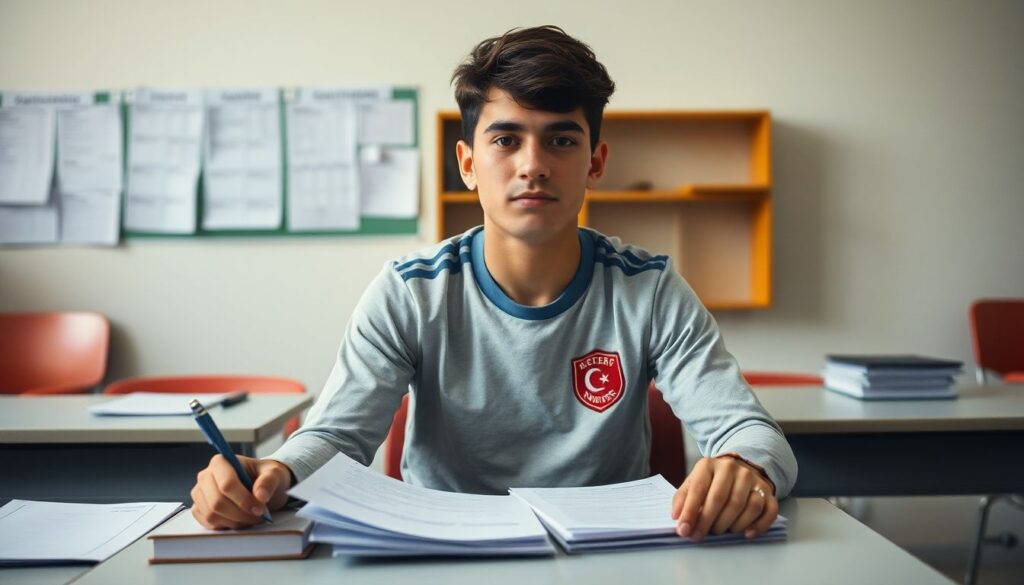
Many promising Turkish players fail not because of talent, but due to poor planning around school, health, and life after football. Avoid these frequent mistakes.
- Ignoring school performance until it collapses under travel and training pressure.
- Choosing an academy purely for prestige without checking academic support or schedules.
- Allowing chronic sleep deprivation from late training, long commutes, and screen time.
- Overloading kids with extra fitness work from social media without coach supervision.
- Neglecting mental health; dismissing anxiety, burnout, or loss of motivation as laziness.
- Letting one family member push the football dream while others quietly oppose it, creating constant tension.
- Failing to discuss realistic Plan B and Plan C options: university, coaching, sports science, or non-sport careers.
- Switching academies every few months chasing more playing time, which disrupts both school and social life.
- Not teaching basic life skills early: time management, nutrition, hydration, and self-care on away trips.
- Ignoring legal and contractual details when signing with agents or private academies.
Policy, Investment, and Future-Proofing Turkish Youth Systems
Families and local coaches cannot change national policy alone, but they can choose development routes that align with long-term trends rather than short-term hype. Consider these alternative or complementary pathways.
- School-based sports programs
Well-run school teams and sports high schools offer a safer balance of education and training for many kids who are not yet ready for full-time academies.
- Regional training centers and municipal projects
City or TFF-backed centers in provinces can reduce travel time and costs while still offering higher-level coaching than typical neighborhood clubs.
- Short-term elite camps instead of early full-time boarding
For younger players, seasonal professional football training camps Turkey runs in hubs like Antalya can provide quality exposure without removing children from their family and school environment too early.
- Blended models with online education
For older teens in strong academies, flexible or online schooling can protect academic progress while maintaining intensive training schedules.
Practical Answers for Coaches, Parents, and Practitioners
What age is reasonable to move from street football to a club environment?
Many children benefit from joining a neighborhood club between 8 and 11, when they can follow instructions and enjoy team structure. Earlier or later can also work; the key signals are consistent interest, basic ball control, and emotional readiness.
How many training sessions per week are safe for a youth player?
This depends on age and recovery, but most school-age kids cope well with two to four structured sessions plus some free play. Watch for chronic fatigue, recurring pain, or slipping school performance as signs that the workload is too high.
How should families evaluate the cost of a youth academy offer?
Look beyond the headline fee to include travel, kit, camps, and possible boarding. Compare total annual cost with training quality, education support, and realistic chances of progression instead of assuming the most expensive option is automatically better.
Do short professional camps really help with scouting and development?
High-quality camps with good coaches can accelerate learning and provide exposure, especially if they link to established clubs. However, they should complement, not replace, long-term club training and must be spaced out to avoid fatigue and financial stress.
What if my child is not selected at a big-club trial?
A negative answer at one moment does not define long-term potential. Ask for feedback, return to club training with clear goals, and consider smaller academies or different positions rather than immediately giving up or relentlessly repeating trials.
Can a player still succeed if they start organized football later?
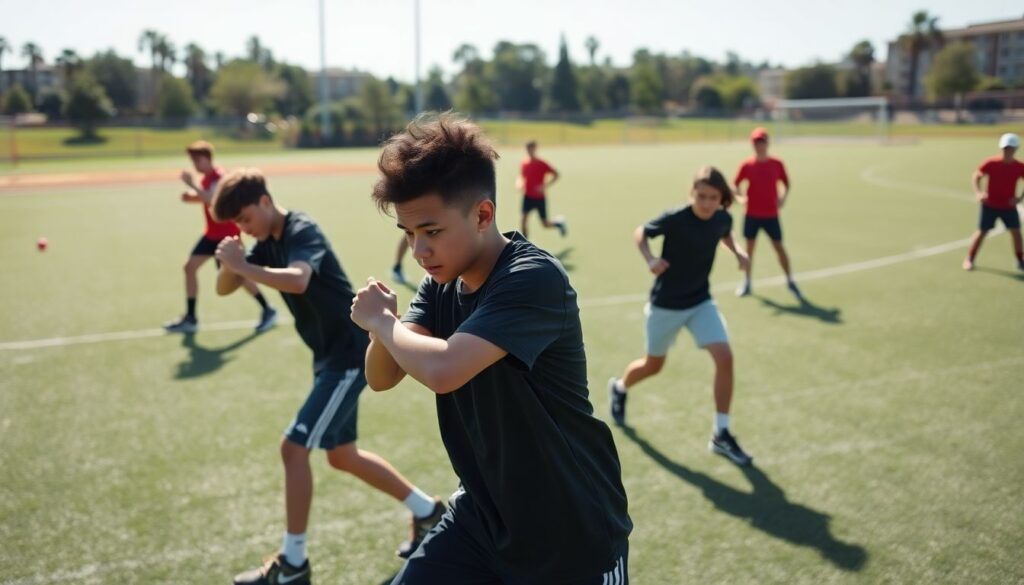
Yes, particularly if they built coordination and creativity in other sports or street games. Starting at 12-14 requires focused technical work and good physical preparation, but disciplined late starters can still reach strong levels.
How involved should parents be in training and matches?
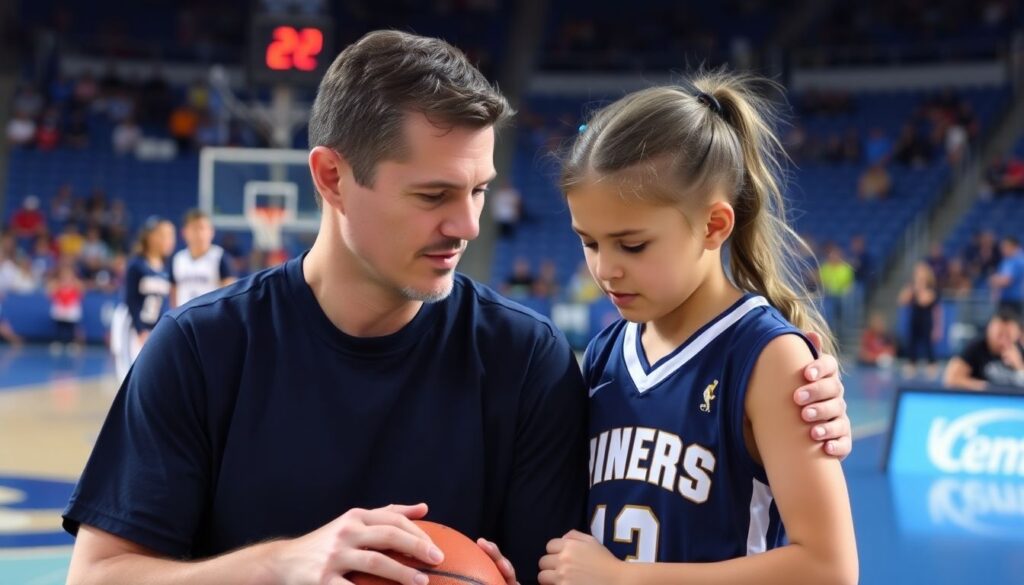
Support logistics, health, and emotional stability, but avoid coaching from the sideline. Respect the coach’s role, focus on effort and learning in post-match talks, and never pressure the child based on comparisons with peers.