Why Turkish derbies feel different from anything else
If you’ve ever stumbled on a Turkish game while zapping through channels and thought, “Why is everyone losing their mind over a league match?”, you’ve probably seen a derby. Galatasaray vs Fenerbahce, Besiktas vs Fenerbahce, Galatasaray vs Besiktas — these are not just fixtures, they’re social events, identity battles and collective therapy sessions rolled into 90 minutes. The intensity isn’t an accident: it’s built out of psychology, city history, politics, class conflict and a fan culture that treats matchday like a sacred ritual rather than a hobby.
A city split in two: geography as destiny

Istanbul is uniquely placed to create football chaos. One city, two continents, three giant clubs. Fenerbahce traditionally represents the Asian side of the city, while Galatasaray and Besiktas grew up on the European side, and this geographic split quietly feeds the rivalry. Supporting a club becomes a statement about where you come from, how you grew up and which side of the Bosphorus you feel you belong to. When you add in historical differences in social class, education and political leanings, each derby instantly turns into a compressed version of Istanbul’s social map — played out in chants, banners and, sometimes, red cards.
Identity, tribes and the psychology of “us vs them”
Sports psychologists love Turkish derbies because they’re a textbook case of social identity theory. In simple terms, humans need groups — “us” — and, by extension, “them.” In Istanbul, club identity is so strong that many fans say “we have a match today” as if they’re on the pitch. It’s not unusual to find three generations of the same family carrying the same scarf, and for some, switching clubs is seen as morally worse than changing jobs, cities or even political parties. That emotional investment means a win isn’t just three points; it’s proof that “our people” are superior, even if only for a week.
Case study: The 2012 Galatasaray vs Fenerbahce title decider
One of the clearest examples of derby psychology happened in May 2012. Galatasaray only needed a draw against Fenerbahce — in Fenerbahce’s own stadium — to win the league. For Fenerbahce fans, the idea that their bitter rival might celebrate a title on their turf was unbearable. Police prepared for days, security checks were doubled, even helicopters were monitoring. The match ended 0–0, Galatasaray were champions, and the players tried to celebrate on the pitch. Fenerbahce supporters responded with objects thrown from the stands, clashes with security and a suffocating noise of anger and frustration. It wasn’t just disappointment; it was a collective emotional breakdown rooted in years of rivalry and the idea that “this must never happen here.”
How history weaponises every encounter
The historical record of each derby becomes psychological ammunition. Old scorelines are not forgotten; they’re re-used as chants, banners and memes. Fenerbahce fans still joke about Galatasaray’s European losses when they want to cut deep, while Galatasaray supporters fire back with reminders of their UEFA Cup and Super Cup trophies. When fans hunt for turkish derby tickets galatasaray vs fenerbahce, they’re not just buying access to a game, they’re paying to sit inside a living archive of grudges, reversals and little humiliations stored for decades. Every foul, every controversial call is filtered through this history, making it almost impossible for anyone — players, coaches, referees — to stay emotionally neutral.
The role of atmosphere: sound, sight and sensory overload
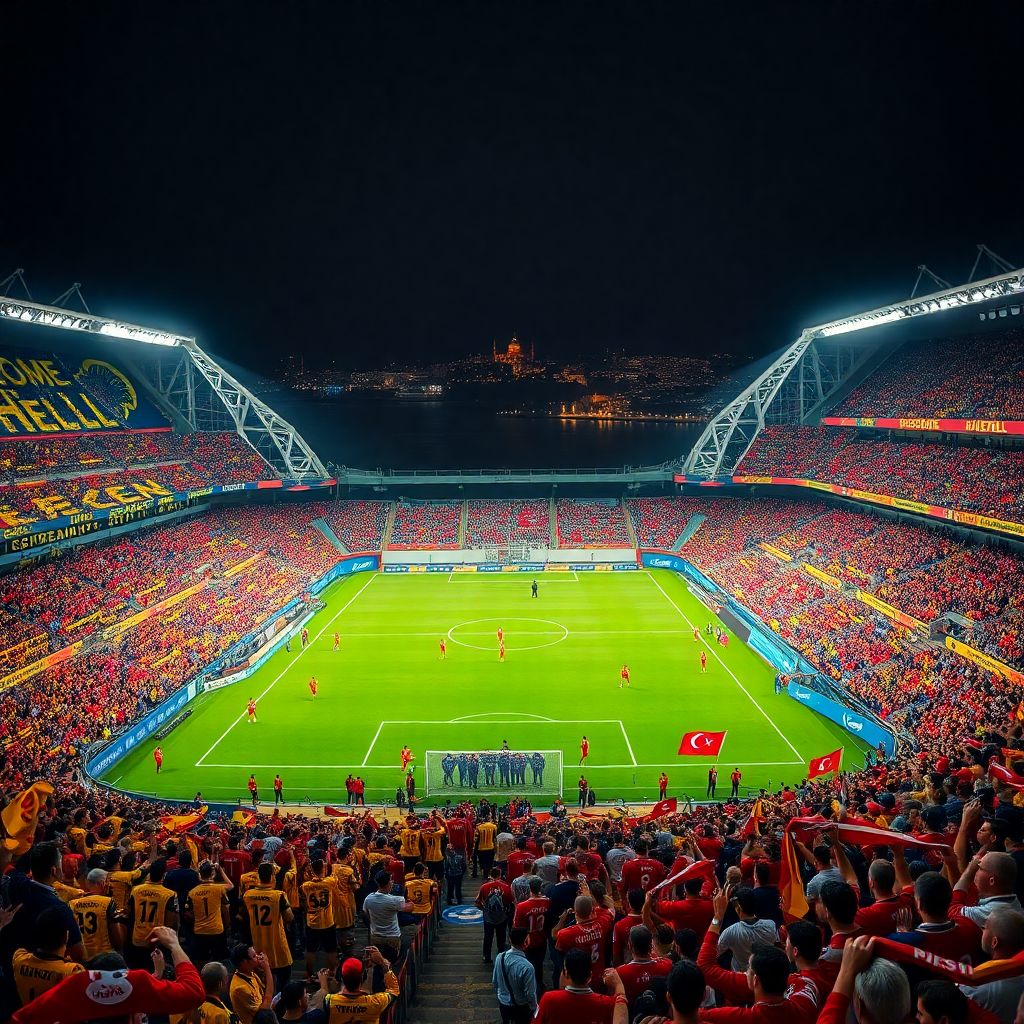
Turkish stadiums take atmosphere seriously. Crowd noise levels regularly reach the kind of decibels you’d expect near an airport runway. Flares, banners, choreographies, drumming and coordinated songs turn the whole arena into a single living organism. For visiting players, especially newcomers, it can feel like stepping into a pressure cooker. There are countless stories of foreign players saying their first Istanbul derby was the loudest and most intimidating match of their careers, more intense than Champions League nights elsewhere. This is why you see premium offers like super lig derby hospitality packages istanbul aimed at fans who want to experience the noise and colour, but from a safer and more comfortable bubble — almost like wildlife watching from a protected jeep.
Case study: The 2013 “Welcome to Hell” revival
The phrase “Welcome to Hell” started in the 1990s when Galatasaray fans used it to intimidate English clubs visiting Istanbul. In 2013, during another hot derby period, Galatasaray supporters revived that old identity with coordinated displays: huge banners, torches, and a pre‑planned sound choreography that started 45 minutes before kickoff and never dropped. Players later said the warm-up already felt like the match itself. From a psychological point of view, the idea is clear: overload the opponent’s senses to shrink their decision-making capacity and make them play faster, riskier, more emotional football — exactly what a home team wants in a chaotic derby.
Why players lose control: stress, hormones and “derby brain”
On the pitch, derbies create a kind of temporary altered state. Elevated cortisol and adrenaline levels push players into “fight or flight” mode. They tackle harder, react faster, but also complain more, argue with referees and make rash choices. Coaches try to prepare their squads with video analysis, mental training and clear tactical plans, but even the best preparation can collapse after a single controversial decision or a rough foul. Psychologists sometimes call this “derby brain” — when the emotional load of the rivalry overrides the rational, trained part of the player’s thinking. That’s why derbies so often have red cards, touchline confrontations and chaotic last‑minute goals.
Case study: The 2018 Fenerbahce vs Besiktas cup chaos
In April 2018, during a Turkish Cup derby between Fenerbahce and Besiktas, the psychological tension boiled over in a very literal way. After several heated incidents, Besiktas coach Şenol Güneş was hit in the head by an object thrown from the stands and needed medical stitches. The match was abandoned amid total confusion. What started as a tense tactical battle ended as a public example of crowd behaviour gone wrong. The federation had to decide whether to replay the game, award it by default or punish the clubs. This case is often referenced by security specialists as a warning: once a derby atmosphere tips past a certain point, it’s extremely hard to stop a small minority from crossing dangerous lines.
How fans prepare mentally for derby day
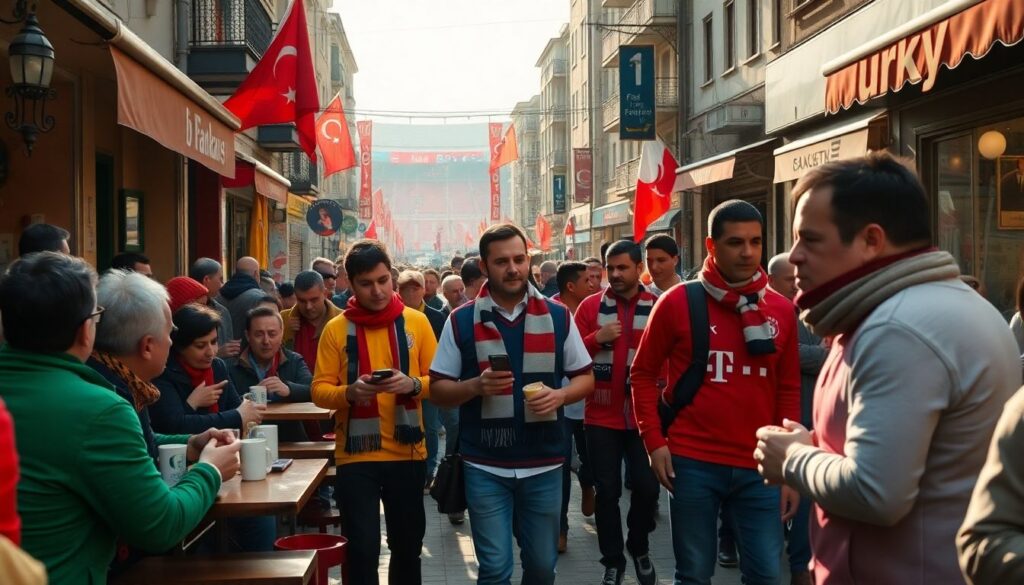
For many Turkish fans, derby day isn’t a 90‑minute event, it’s a full‑day ritual. People wake up earlier, meet friends for breakfast, polish their rituals — lucky jerseys, scarves, routes they always walk to the stadium. Social media becomes a battlefield of memes, predictions and subtle psychological warfare. Younger fans obsessively read line‑ups, form guides and even search for the best betting sites for turkish football derbies to compare odds and expert analysis, trying to make sense of their own feelings through numbers. All of this builds anticipation, and with anticipation comes anxiety. The more a fan invests emotionally before kickoff, the more explosive their reaction will be after the final whistle.
Planning a derby trip: how to experience the intensity safely
If you’re thinking about travelling to Istanbul for a match, you’re not alone: demand for an istanbul football derby travel package grows every season. Done right, the experience is unforgettable in a good way. Done badly, it can be stressful. The key is to understand that you’re entering a charged environment shaped by decades of rivalry, and you need a plan — not just a ticket and a scarf. It’s completely possible to enjoy the match, soak up the electricity in the air, and still stay out of any trouble if you prepare with the same seriousness that locals bring to derby day.
- Buy tickets through official club channels, trusted resellers or verified super lig derby hospitality packages istanbul providers, especially if you’re not familiar with local ticket rules and fan card systems.
- Stay in areas that match the stadium you’re visiting and avoid marching with hardcore ultras if you don’t know their group culture or chants.
- Arrive early, follow police and steward instructions, and leave with the main crowd rather than wandering alone around tense streets near the stands.
Where and how to watch Turkish derbies from abroad
Not everyone can fly to Istanbul, but the global curiosity is huge, so broadcasts have improved a lot. If you’re searching where to watch turkish super lig derbies live streaming, you’ll usually find a mix of official league partners, regional sports networks and licensed digital platforms. The advantage of streaming is that you can focus on the sound and visuals: listening to the crowd roar after a foul or a borderline offside will give you a taste of how quick emotions swing in these games. For a deeper sense of atmosphere, watch with headphones and pay special attention to how the noise changes with each phase of play — it’s almost like a live emotional barometer for the stadium.
- Choose legal streaming services — they usually have better camera work, more crowd microphones and less lag, which matters in frantic derby moments.
- Watch pre‑ and post‑match shows with local analysts or ex‑players; they’ll explain references to past controversies that foreign commentators might skip.
- Follow fan accounts of both teams on social media during the game to see how each side “reads” the same incident completely differently.
Derby rituals: songs, symbols and shared myths
Every big Turkish club has its own musical and visual language, but derbies amplify those elements to a higher level. Certain songs are only sung against specific rivals, certain banners are saved for decisive matches. Fans coordinate choreography weeks in advance, fund huge displays out of their own pockets and rehearse songs in supporter bars. From a psychological angle, these rituals serve two roles: they bond the in‑group (“we’re in this together”) and they send a clear message to the out‑group (“you’re in our house now”). Symbols like eagles, lions and canaries become highly charged totems; to outsiders they’re mascots, but to locals they’re emotional anchors.
What science says about crowd behaviour in Turkish derbies
Research on football crowds shows that noise and density increase emotional contagion — people copy each other’s reactions faster, whether it’s joy or anger. Turkish derbies, with their packed stands and non‑stop chanting, create ideal conditions for this contagion. When one stand starts booing a referee, the rest often follows within seconds. The crucial detail is that most participants are not violent; they’re simply caught in a high‑energy system that nudges them toward more extreme displays of emotion, both positive and negative. Understanding this helps explain why the same stadium that feels like pure celebration after a last‑minute winner can feel like a storm cloud after a controversial defeat.
Case study: Foreign fans’ first derby shock
A common real‑world pattern: a group of neutral tourists books an Istanbul derby because they love football and heard the atmosphere is “crazy.” They might choose a mid‑range istanbul football derby travel package that includes tickets, a guide and transport. At the stadium, two things usually surprise them. First, the sheer coordination — thousands of people chanting in unison, no breaks, no phones in the air during key songs. Second, the intensity of reactions: every decision is celebrated or protested as if it were a World Cup final. Interviews with such visitors often include lines like, “I’ve been to El Clásico or Premier League derbies, but this felt more personal, almost like the city itself was playing.” That feeling — that the match is bigger than football — is exactly what makes Turkish derbies stand out.
Practical tips for reading the psychology while you watch
If you want to go beyond just enjoying the spectacle and actually “read” the psychological game within the game, focus on a few cues. First, watch how players behave in the opening 10 minutes: over‑aggressive fouls or constant complaining often signal that the emotional load is winning over the game plan. Second, look at the benches: when coaches spend more time arguing with the fourth official than adjusting tactics, you’re seeing derby pressure at work. Third, listen to how the crowd reacts to their own mistakes; harsh whistling after a missed pass can quickly raise anxiety in players and lead to even more errors.
- Track how body language changes after goals — slumped shoulders or frantic gestures show which team is losing psychological control.
- Notice how long arguments with referees last; extended protests usually mean the team is shifting focus from performance to perceived injustice.
- Check how the atmosphere shifts if a fan favourite is substituted; a wrong call here can turn the crowd partly against their own coach.
Why betting, business and tourism all feed the intensity
Modern derbies are not just about fans and players; they’re also about money, media and tourism. Broadcasters build entire weekends around match coverage. Tourism agencies create bundles, from simple match‑ticket combos to luxury super lig derby hospitality packages istanbul deals with hotel, transport and guided city tours. Betting companies push special markets, and fans who use the best betting sites for turkish football derbies add another layer of emotion: financial risk. All of this attention increases pressure on players and coaches, who know millions are watching, brands are attached and careers can swing based on these results. The commercial spotlight doesn’t create the rivalry, but it certainly turns up the volume.
So, why are Turkish derbies among the most intense in the world?
Put simply, Turkish derbies sit at the intersection of geography, history, psychology and culture. A city divided across two continents, clubs rooted in different social stories, fan identities passed down like heirlooms, and a football culture that equates passion with total emotional investment. The atmosphere isn’t just loud; it’s meaningful for the people making the noise. Add global broadcasting, travel demand, commercial packages and high‑stakes league positions, and those 90 minutes become something much larger than a match. Whether you watch from a packed stand in Istanbul or via a carefully chosen live stream at home, you’re not just seeing a game — you’re watching a living, noisy, unpredictable piece of urban history play itself out in real time.