
Why Number 10s Still Matter in the Süper Lig
The modern game keeps trying to “kill” the classic playmaker, but the Süper Lig stubbornly refuses to let the number 10 disappear. Turkish football culture loves players who can decide a match with one pass, so even when tactics shift to 4‑3‑3 or false nines, coaches still sneak a creator between the lines. That’s why debates about who is the best number 10 in Turkish Super Lig never really stop: fans judge them not only by goals and assists, but by how they control the rhythm, unlock deep blocks and handle pressure in chaotic matches where emotions run high and spaces open and close in a heartbeat.
Historical Background: From Luxury to Engine Room
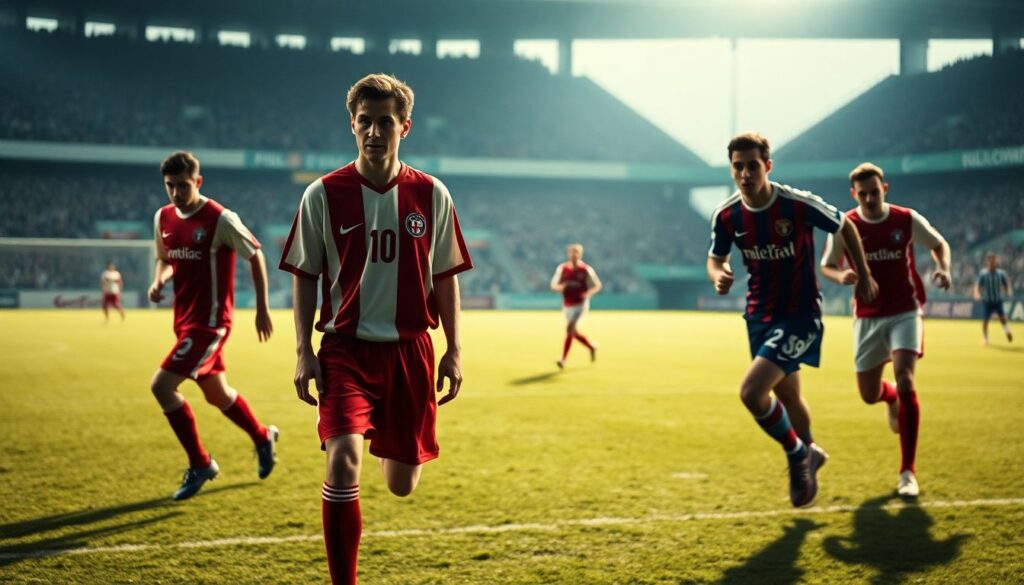
Back in the 90s and early 2000s, the classic Süper Lig number 10 was a luxury: little defending, lots of freedom, and the team built around him. The job was simple on paper—“just create”—while others did the dirty work. Over time, though, pressing intensity and physical demands grew. Attacking midfielders had to run more, press smarter and understand defensive structures. As clubs improved scouting and data, the best playmakers in Super Lig were no longer just artists; they became decision-makers expected to read the game like a coach and adjust to different opponents every week.
How Data Changed the Role
With tracking systems and video, coaches started using Super Lig attacking midfielders stats and analysis to judge far more than highlights. They care about progressive passes, expected assists, pressure regains, receptions between the lines and how often a number 10 turns under pressure instead of playing safe backwards. This shift made it easier to compare styles and build Super Lig playmaker rankings and performance analysis that go beyond “he looks good on the ball.” Now, if you want to survive as a 10, you must prove your value both on camera and in the spreadsheet.
Basic Principles of a Great Playmaker
At the core, a modern Süper Lig playmaker needs three things: scanning, timing and risk control. Scanning is simple to describe, hard to do: constantly checking shoulders before the ball arrives. In tight Turkish stadiums, where pressure and noise are intense, that habit lets the number 10 receive on the half-turn instead of panicking with a back-pass. Timing is about when to accelerate and when to slow the game: sometimes the best action is to keep the ball one more touch to pull a defender out. Risk control is choosing moments to attempt the killer pass instead of forcing it every time you get the ball.
To make it practical, think of the job like this: you connect lines under stress. When your center-backs and holding midfielder are pressed, you offer a passing angle, secure the first touch and immediately point where the next pass should go. The top number 10 players in Super Lig 2024 are very good at “coaching with their hands” during games, constantly giving cues. They don’t wait to receive in perfect pockets; they shift horizontally, drag markers and use simple wall passes to free themselves. The magic ball into the box usually comes after two or three simple but smart actions.
Checklist for Training a Number 10
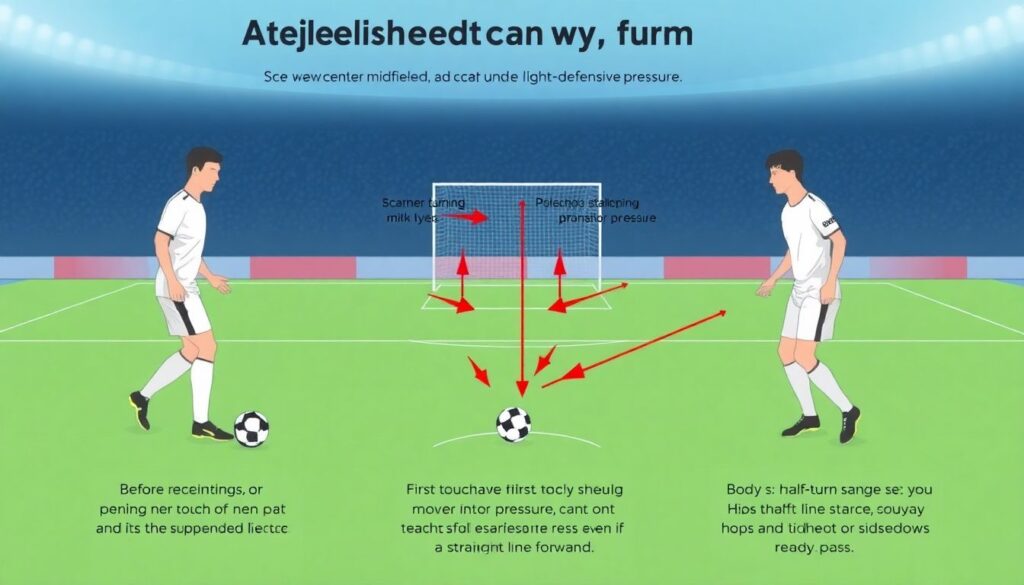
If you’re a coach or player, you can break the role into concrete tasks:
1. Before receiving: scan 2–3 times, identify nearest pressure, plan your next pass.
2. First touch: open up toward the far side, never into pressure, even if it looks more direct.
3. Body shape: stay half-turned, ready to play forward or sideways without extra touches.
4. Decision: ask, “Can I break a line safely?” If yes, play forward; if no, keep and circulate.
5. Without the ball: move into the “blind spot” between opponents, not into already-occupied lanes.
Practical Examples from the Süper Lig
Watch any serious build-up in Istanbul or Anatolia and you’ll see the same pattern: center-back to pivot, pivot to 10 between the lines, then a quick release to the winger or overlapping full-back. A good number 10 makes that middle pass safe by showing at the exact moment the pivot is about to be pressed. In practical terms, he doesn’t hide behind opponents; he times a small diagonal step to pop into the passer’s vision. That small movement is often the real difference between losing the ball in front of your box and launching a dangerous attack.
When analysts compare the best playmakers in Super Lig, they often highlight sequences rather than isolated passes. For example, a 10 drops slightly deeper to form a triangle, bounces a one-touch pass to escape pressure, then sprints into the next pocket to receive again on the turn. The final assist is only the tip of this chain. If you’re trying to study Super Lig playmaker rankings and performance analysis, pause the video before the “wow” moment and look at the previous 5–10 seconds—how the 10 moved, who he dragged, and how he created a gap for teammates to exploit.
Applying These Ideas in Your Own Game
You don’t need elite talent to copy the habits of top number 10 players in Super Lig 2024. In training, set up small-sided games where your only job is to receive between cones acting as defenders, then play forward within two touches. Use constraints: one-touch finish after your pass, or goals that count double if started by a pass breaking the middle line. This forces you to value positioning and body orientation more than flashy dribbling. Over time, you’ll notice that opponents start tracking you more closely—a good sign that you’re influencing the game like a real playmaker.
Common Misconceptions About Number 10s
One big myth is that a number 10 must be a dribbling artist who constantly beats two or three players. In the modern Süper Lig, that usually slows the game and allows defenses to reset. The truly effective creators often dribble only when it changes a line: one sharp touch past a defender to open a lane, not endless stepovers. Another misconception is that physicality doesn’t matter. In reality, core strength, balance and endurance decide whether you can hold your ground between aggressive centre-backs and defensive midfielders over 90 minutes.
Another trap is judging the role purely on goals and assists. Super Lig attacking midfielders stats and analysis show that some of the most valuable 10s are “pre-assist” machines: they play the pass that breaks the structure, after which the winger records the official assist. So when you wonder who is the best number 10 in Turkish Super Lig, don’t just check the top scorers list. Look at how often a player receives under pressure, how frequently he turns forward, and how many dangerous possessions start at his feet. That’s where the real value of a playmaker lives.
Conclusion: Turning Vision into Repeatable Habits
A great Süper Lig playmaker isn’t a magician who relies on inspiration; he’s a specialist in repeatable good decisions under stress. Scanning, smart movement, body orientation, and controlled risk make creativity reliable instead of random. If you focus your training on those small habits, your “vision” will naturally look better, because you’ll constantly be in better positions to use it. In a league that still worships the number 10 shirt, mastering these details is the most direct route from “talented midfielder” to genuine on-field director.