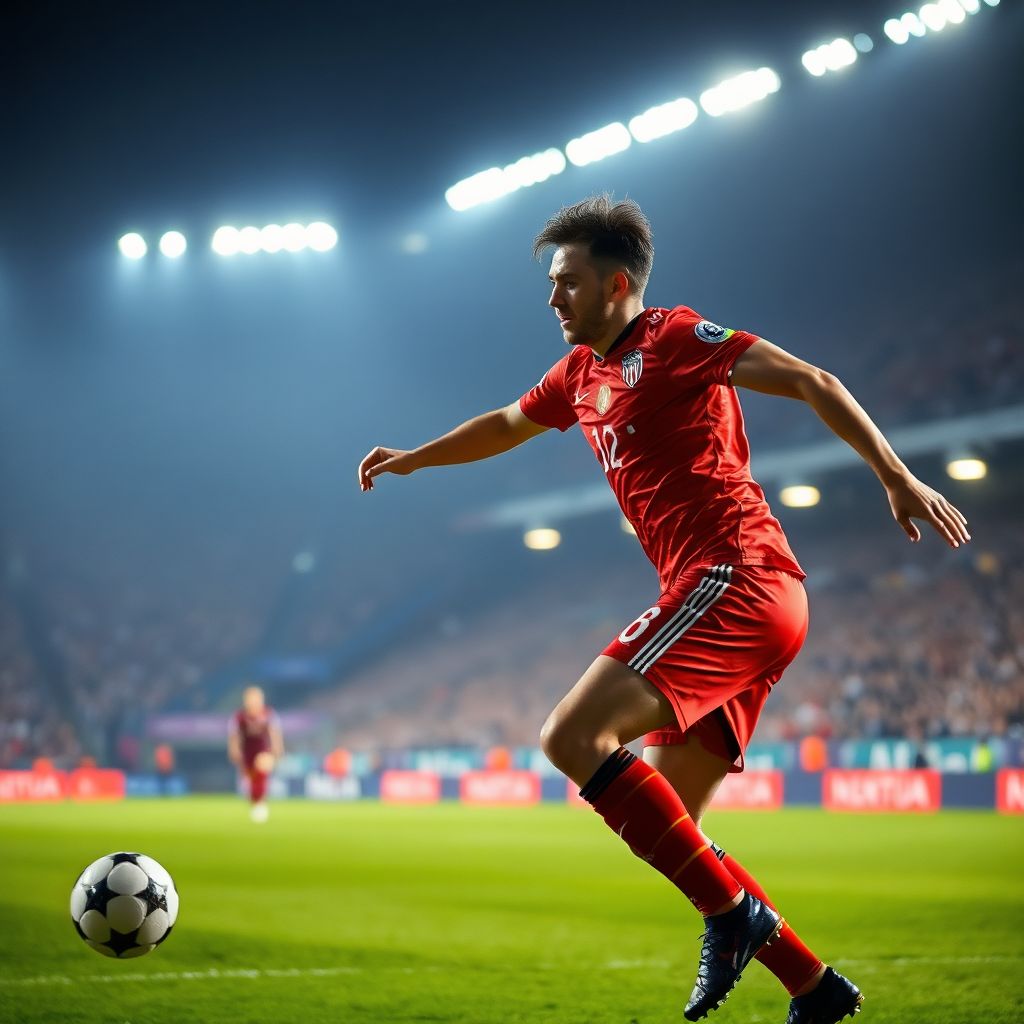
The No.10 in the Süper Lig has evolved from a free luxury playmaker into a hard‑working, multidimensional creator who presses, runs beyond the striker and links wide overloads. Understanding this evolution helps coaches avoid common mistakes: overprotecting the No.10, ignoring defensive tasks, misusing data, and copying foreign tactical trends without context.
Core shifts defining the No.10 in Turkey’s top flight
- From static, central “enganche” to mobile creator connecting half-spaces, wings and striker.
- Foreign coaches imported pressing, counter‑press and positional play demands on the No.10.
- Hybrid roles emerged: false nine, interior No.8/10 and wide playmaker.
- Data shifted evaluation from goals only to chance creation and off‑ball work.
- Youth academies now train attacking midfielders to press and adapt to multiple systems.
- Transfer and wage structures no longer allow a “luxury” No.10 who only attacks.
Early archetypes: traditional playmakers in the Süper Lig
Historically, the Süper Lig No.10 was a classic playmaker positioned between the lines, given maximum freedom and minimal defensive duties. Most teams built their attack around him: deep midfielder wins the ball, passes centrally, the No.10 turns and feeds wide players or the striker.
In many big clubs, this role was filled by foreign stars with outstanding technique and set‑piece quality. Their heatmap was narrow and central, mainly in the zone between opponent midfield and defence. The team adapted to them: two holding midfielders protected transitions, full‑backs overlapped cautiously and pressing started only after the halfway line.
Common mistakes from this era still show up in modern coaching. First, some teams still “freeze” structure to keep the No.10 comfortable, reducing collective intensity. Second, they accept long defensive phases with ten men behind the ball and the No.10 resting instead of pressing. This becomes a clear weakness against high‑tempo, pressing opponents.
To avoid repeating these errors today, coaches must define strict reference points: what the No.10 does when the ball is lost, how he helps cover the pivot, and which pressing triggers he follows. Even when a player is one of the best number 10 players in the super lig technically, he cannot be exempt from these basic tasks.
Foreign influences and formation trends reshaping creativity
The modern Süper Lig No.10 is shaped heavily by foreign coaches, imported systems and European competition. Several tactical currents have gradually redefined the position.
- 4‑2‑3‑1 with pressing No.10
European‑experienced coaches demanded that the central attacking midfielder initiate the press on the opposition pivot or centre‑backs. Instead of waiting for passes, he closes lanes and controls pressing direction, often forcing play to the touchline for wingers to trap. - 4‑3‑3 with advanced interior
Here, the “No.10” is really an attack‑minded No.8 operating in the half‑space. Heatmaps show diagonal movement: from the interior lane into wide zones and runs into the box, rather than staying between the lines centrally. - Double‑No.10 structures
Some Süper Lig sides used twin creators behind a lone striker, usually one right‑footed on the left half‑space and one left‑footed on the right. This facilitated diagonal through‑balls and opened switch‑of‑play options. - False nine experiments
With inspirations from European giants, coaches dropped the striker and pushed the No.10 higher as a false nine. The “10” would drop between centre‑backs and midfielders to overload, while wingers attacked depth like strikers. - Inside playmaker from the wing
Some classic No.10s were moved wide and asked to drift inside, allowing full‑backs to provide width. This preserved their creative influence but increased physical demands and tracking responsibilities. - Pressing‑orientated 4‑4‑2 diamond
In a diamond, the tip acts as an aggressive presser and transition threat, not only as a passer. He coordinates jumps with two strikers and covers opposition pivot spaces.
For coaches, a frequent mistake is to copy these models without matching player profiles. Installing a 4‑3‑3 interior role for a slow, ball‑to‑feet No.10 will simply push your best player into crowds and long recovery runs. Prevent this by doing a basic role‑profile check: pace, run volume, first‑touch under pressure and willingness to press.
Clubs and analysts in Turkey increasingly rely on data products, such as a super lig playmaker stats and analysis subscription, to see how their No.10 behaves in these systems compared to league averages. Used correctly, this helps select formations that fit actual tendencies instead of idealised images of the player.
From classic #10 to hybrid: false nine and interior midfield variants
The biggest tactical evolution is the rise of hybrids: players who look like a No.10 on the ball but occupy multiple lines and roles across a game. In the Süper Lig this has taken three main shapes.
- False nine creator
The No.10 starts as a striker but continually drops into midfield. Typical pattern: he receives between the lines, lays off one‑touch to an advancing midfielder, then spins behind the defence as wingers attack half‑spaces. This suits technically gifted but not overly physical players. - Box‑arriving interior No.8/10
In a 4‑3‑3, the “No.10” often begins deeper and arrives late into the box. Heatmaps show a big presence in build‑up on one side plus repeated surges into the penalty area. Common chains: centre‑back → pivot → interior → winger → cutback to the arriving interior. - Wide playmaker drifting inside
Here the nominal winger acts as a No.10 from the half‑space. Receives on the touchline, carries diagonally inside, then releases overlapping full‑backs or slides through‑balls to the striker. This configuration is common when teams want an extra midfielder without officially changing the formation. - Second striker link‑man
The No.10 plays off a target man, staying closer to goal but frequently dropping into pockets around the holding midfielder. He combines quick wall‑passes and third‑man runs, aiming to get in behind on flick‑ons or lay‑offs.
Mismanaging this hybridisation causes two typical issues: zones become overloaded with similar players, and defensive coverage collapses on the far side. For example, playing a false nine plus an interior No.8/10 on the same side can leave your pivot isolated when possession is lost.
To prevent this, design clear vertical staggering rules. Only one of the striker/No.10/interior trio drops at a time; one stays to threaten depth; one provides width or half‑space presence. In match preparation, walk players through 3-4 key rotations that they can repeat under pressure.
This is also where education matters: super lig tactical analysis courses for attacking midfielders often break down these hybrid roles using local match footage, allowing players and coaches to see when rotations create overloads and when they only generate confusion.
Pressing, counter-press and defensive duties added to the role
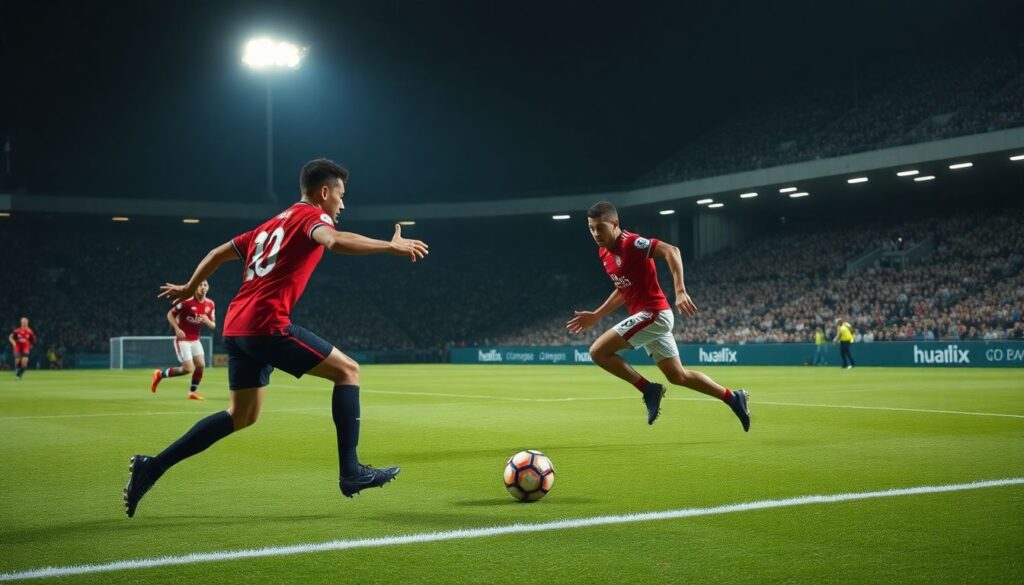
Before looking at advantages and limitations, it helps to translate the modern No.10 role into game‑day scenarios. Below are mini‑scenes that illustrate how pressing and counter‑pressing changed expectations on this position.
Scenario 1 – High press trigger: Opposition centre‑back receives facing his own goal. The No.10 instantly jumps, curving his run to block the pass into the pivot. Winger squeezes inside, full‑back steps up. If the centre‑back plays wide, the touchline trap activates; if he plays long, your centre‑backs attack the aerial ball.
Scenario 2 – Counter‑press after loss: Your right‑back crosses low, the ball is cleared into the central zone. The No.10, positioned at the top of the box, reacts first: he steps toward the receiver, blocks the forward passing lane and forces a sideways pass while your midfield line pushes up 10-15 metres.
Scenario 3 – Mid‑block compactness: In a 4‑4‑1‑1 mid‑block, the No.10 screens the pivot and maintains distances with the striker. His main job is not winning tackles but forcing opponent circulation wide, buying time for the block to shift as a unit.
Benefits of adding defensive layers to the No.10
- Enables coordinated high or mid‑press without leaving the opposition pivot free.
- Improves counter‑pressing, allowing the team to sustain attacks and repeat waves of pressure.
- Reduces physical load on holding midfielders, who no longer defend large central spaces alone.
- Makes it easier to compete in Europe, where opponents punish passive central pressing.
- Increases squad flexibility: same player can operate as No.10, second striker or attacking No.8.
Constraints and frequent coaching mistakes

- Overloading the No.10 with tasks: Expecting him to be primary presser, main creator and constant box runner leads to fatigue and late‑game technical errors. Prevent this by prioritising two main responsibilities per phase (with‑ball, against‑ball, transitions).
- Unclear pressing cues: If the No.10 is unsure when to jump, the entire pressing scheme breaks. Define 2-3 simple triggers (back‑pass to centre‑back, poor opponent first‑touch, lateral pass into full‑back) and rehearse them.
- Punishing creativity for defensive risk: Some coaches overreact to a single failed counter‑press and restrict the No.10 from risky passes. Separate evaluation: technical risk in attack is acceptable; laziness in recovery is not.
- Misaligned distances to striker: When the No.10 presses too deep away from the striker, the block stretches and easy vertical passes appear. Use video and pitch markings to fix 8-12 metre vertical distances in your out‑of‑possession shape.
- Inefficient substitutions: Replacing a tired pressing No.10 with a “luxury” profile late in games often breaks compactness. If you add a fresh creator, adjust the press or bring fresh legs behind him as well.
Quantifying creativity: metrics, match data and scouting indicators
As data use grows, many coaches, scouts and even bettors use metrics to evaluate the Süper Lig No.10. Used well, this supports better decisions; used poorly, it creates myths. Several recurring mistakes are easy to avoid.
- Focusing on goals and assists only
A No.10 with few goals might still be elite at progressing the ball or creating pre‑assist passes. Limiting evaluation to final actions ignores his role in the build‑up. Correct this by tracking progressive passes, key passes and passes into the box. - Ignoring pressing and counter‑press output
Some evaluations do not include defensive metrics, so a “lazy” creator can look equal to a high‑work‑rate one. At minimum, monitor pressures per 90, recoveries in the final third and counter‑pressing actions following own team ball loss. - Misreading heatmaps
Coaches often see a central red zone and conclude the No.10 is “involved”. But if his touches cluster far from goal or only near the centre circle, he might be dropping too deep and weakening presence around the box. Combine heatmaps with reception zones on the half‑spaces and edge of the area. - Overestimating long‑shot impact
No.10s who shoot frequently from distance can inflate “shots per 90” but reduce team efficiency. Use shot location maps to separate high‑value box entries from speculative efforts. - Not comparing to role peers
Comparing your No.10 to a winger or deep playmaker creates misleading standards. Instead, benchmark him against similar Süper Lig roles using tools such as a super lig playmaker stats and analysis subscription, making sure filters match position, side and tactical usage.
For fans and punters, the same logic applies. Many super lig betting tips on number 10 assist and goal markets rely on raw output, but smarter models consider usage patterns: set‑piece duties, penalties, average position and involvement in counter‑attacks. Understanding role context protects you from overreacting to one hot or cold streak.
Even merchandising reflects perception: when supporters buy super lig number 10 jerseys online, they generally choose players with visible final‑third actions. Clubs can use deeper data to communicate less obvious contributions, helping fans appreciate pressing, progression and chance creation that are not always captured by simple highlight reels.
Talent pipelines: clubs, coaches and development practices producing modern creators
The final piece of the evolution is development. Turkish clubs and coaches increasingly design training to produce adaptable, hard‑working creators rather than pure luxury No.10s. A short, practical case helps show how to avoid common academy errors.
Mini‑case: converting a classic youth No.10 into a modern hybrid
- Initial profile
Youth player: dominant in U17s, always central, excellent first touch and through‑ball, weak pressing and low sprint volume. Staff fear he will struggle when intensity rises in senior Süper Lig matches. - Target role definition
Staff decide to prepare him for a half‑space interior/No.10 role: responsible for pressing the pivot, making late box runs and connecting with the winger. Clear metrics are set: minimum high‑intensity runs per half, pressing actions in the opposition half and receptions between lines. - Training programme (pseudo‑code style)
Session structure: 1. Warm‑up with repeated short accelerations and decelerations in tight spaces. 2. 4v4+2 rondos: No.10 is always one of the neutrals, but must counter‑press for 3 seconds after loss. 3. Positional game 6v6+3: No.10 restricted to half‑space and zone between lines. 4. Finishing waves: winger cross or cutback, No.10 arrives late from edge of box. 5. Video review: 5-7 clips highlighting pressing triggers and late box entries. - Game‑model integration
In friendly matches, coaches communicate one specific focus per game: e.g. “today we measure only your reaction in the first 5 seconds after loss”. By isolating one behaviour at a time, they avoid overloading the player mentally while gradually building a complete profile. - Preventing developmental mistakes
Common errors include protecting the talented No.10 from physical work, letting him “walk” in transition, or constantly building the team around him in youth categories. Correcting this requires consistent messages from U15 to U19: creativity is non‑negotiable, but so is intensity and defensive awareness.
Over time, this approach produces attacking midfielders who can function as No.10, interior, second striker or even false nine. They understand not only how to receive and create, but also how their role changes when the ball is lost, which is essential for the modern Süper Lig environment.
Practical tactical clarifications and common doubts
Can I still use a pure, free No.10 in the Süper Lig today?
Only in very specific contexts: if your team dominates the ball, protects him with two defensive midfielders and defends deeper. Even then, you risk being exposed in high‑tempo games, so you should gradually add simple pressing and counter‑press duties to his role.
How do I quickly check if my No.10 is playing too deep?
Look at where he receives most passes: if many are behind your pivot instead of between the lines, he is dropping excessively. In live coaching, a practical cue is whether he is regularly standing on the same vertical line as your holding midfielder.
What is the easiest in‑game tweak when my No.10 is being marked out?
Use simple rotations: move him to the half‑space, ask the winger to come inside, or briefly push him higher as a second striker or false nine. The goal is to change the reference point for his marker without rewriting the entire game model mid‑match.
How much pressing can I realistically demand from an older star No.10?
You can demand intensity in short, clearly defined phases rather than constant sprints. For example, ask him to press aggressively only after back‑passes or within the first seconds after your team loses the ball, while teammates cover larger distances around him.
Which data should I track first if I have limited analysis resources?
Start with three basics: progressive passes, key passes and pressures in the opposition half. These simple metrics already show whether your No.10 moves the ball forward, creates chances and contributes to collective pressing, without needing complex models or large analysis staffs.
Is it risky to move a talented youth No.10 to the wing?
It is only risky if you leave him isolated and stop using him in central combinations. If training and match plans include regular inside movements and combinations with the striker and interior midfielders, this change can actually extend his future tactical options.
How do fan expectations around the No.10 affect coaching decisions?
Fans often expect the No.10 to produce constant highlights, especially when they buy super lig number 10 jerseys online and follow social media clips. Coaches must balance this by explaining and showing the player’s off‑ball contributions through video, so creative freedom and work rate stay compatible.