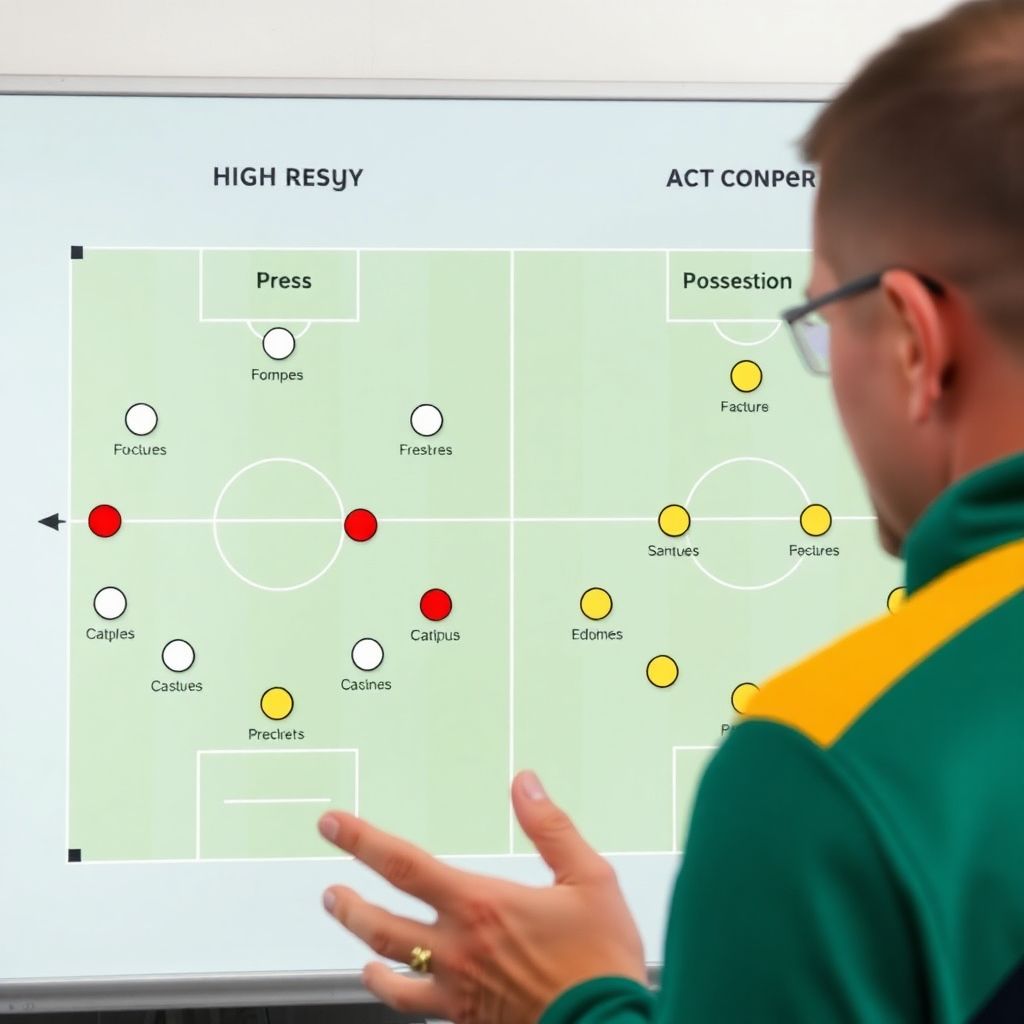
For most Süper Lig clubs, a flexible hybrid is best: press aggressively in selected zones and phases, then protect leads with compact, simple possession. High-budget, deep-squad contenders can sustain more pressing; resource-limited or older squads gain stability from possession. The right choice comes from an honest audit of players, staff, context and risk appetite.
Tactical synopsis: pressing versus possession for Süper Lig
- High pressing suits athletic, deep squads who can rotate heavily and accept more chaotic, transition-heavy matches.
- Possession structures favour technically clean, tactically mature players and clubs seeking long-term identity and academy alignment.
- Mid-table Süper Lig sides often benefit most from a pragmatic pressing-possession hybrid, adjusted by game state and opponent.
- In hostile away fixtures, controlled possession and mid-block defending are usually safer than all-out pressure.
- Super lig data driven tactics analysis service providers can quantify when your press stops working and when to shift style.
- The comparative metrics table for pressing vs possession helps frame which KPIs really matter for your club profile.
Club archetypes: which Süper Lig teams naturally suit high press
Start by matching your club archetype before deciding between high pressing and possession. This is the core of any serious turkish super lig tactics analysis or football analytics consulting for turkish super lig clubs.
- Squad athleticism: repeated sprints, high distances and intensity across the front six.
- Squad depth: number of interchangeable players per line without major quality drop.
- Age profile: peak-age core (roughly early to late twenties) versus ageing or very young squads.
- Technical security: first touch, press resistance and passing reliability under pressure.
- Coach profile: experience training pressing traps, rest-defence, or possession automatisms.
- Club stability: board patience, media pressure and tolerance for short-term variance.
- Home/away split: atmosphere advantage at home, difficulty controlling hostile away environments.
- Budget and medical setup: ability to cope with injury risk from high-intensity running.
- Academy output: type of players produced and their tactical education.
Map these criteria to common Süper Lig archetypes, then fine-tune style.
Title contenders with big crowds and deep squads
- Use high pressing at home to dominate territory and energy.
- Adopt controlled mid-block and possession phases away in Europe-heavy weeks.
- Rotate early to keep pressing intensity stable across the season.
Provincial overachievers aiming for top half
- Press selectively on triggers (back passes, poor-footed centre-backs).
- Keep a compact 4-4-2/4-2-3-1 mid-block as default.
- Invest training time into set-pieces and fast transitional attacks.
Relegation-threatened, resource-limited squads
- Avoid full-field high press; focus on low to mid-block compaction.
- Use simple build-up patterns and safer long balls to zones, not aimless clearances.
- Target pressing bursts only after restarts and throw-ins in opponent half.
Youth-focused clubs with high energy but little experience
- Use a structured high press with clear roles to channel their running.
- Protect them with conservative rest-defence and double pivots behind the press.
- Drip-feed possession concepts so they learn when to slow the game.
Newly promoted sides with mixed squads
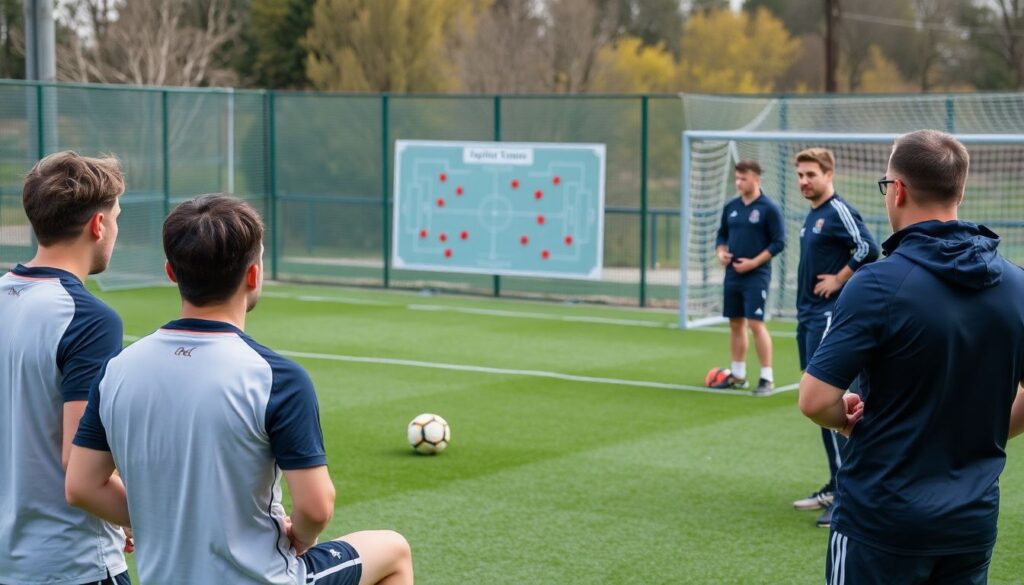
- Begin with compact mid-block, then add pressing layers as confidence grows.
- Adopt direct-possession hybrids: secure second balls, then combine.
- Choose pressing vs possession game plans opponent-by-opponent, not dogmatically.
Possession architectures: tactical setups, youth pathways and ball progression
This section compares possession and hybrid structures clubs can adopt. It also shows where pressing vs possession football advantages overlap rather than conflict. Use these options as a menu when searching for the best football tactics for super lig clubs with your current squad and academy output.
| Variant | Suited for | Pros | Cons | When to choose |
|---|---|---|---|---|
| Direct-possession hybrid (4-2-3-1) | Mid-table clubs with mixed technical levels and one strong target forward. | Balances risk; simple roles; easy to layer pressing triggers; works with partial rebuilds. | Can become predictable; relies heavily on the target forward and number 10. | Use when you need stability now but want a path towards fuller possession later. |
| Positional play 4-3-3 | Technically strong squads and academies producing ball-playing midfielders and inverted wingers. | Excellent spacing; clear passing lanes; supports both pressing and rest-defence structures. | Requires time and coaching detail; early results may fluctuate under pressure. | Adopt when board supports a multi-year identity and academy alignment. |
| 3-4-3 build-up with wing-backs | Clubs with attacking full-backs, three capable centre-backs, and strong fitness. | Superb width; facilitates overloads; flexible rest-defence; smooth transition to back four when needed. | Wing-backs must have huge engines; spacing collapses if they tire or get injured. | Choose when your biggest weapons are wide players and you want both possession and counters. |
| Low-risk 4-4-2/4-4-1-1 | Relegation battlers with limited technicians but disciplined runners. | Simple structure; compactness; easy to drill; protects central areas. | Build-up can be primitive; struggles to chase games if you fall behind early. | Use when survival is priority one and variance must be minimised. |
| Double-pivot 4-2-3-1 with inverted full-back | Clubs with at least one press-resistant pivot and creative 10. | Strong central control; smooth rest-defence; good platform for controlled pressing. | Can be vulnerable to wide overloads; demands intelligent full-back and pivots. | Choose when facing strong pressing opponents and you want secure exits under pressure. |
When planning youth pathways, align academy systems with one or two of these models so players can step seamlessly into the first team rather than relearning structures.
Resource audit: squad makeup, budgets and infrastructure that enable each style
Turn the abstract comparison into a practical decision framework using simple "if…, then…" rules.
- If your wage bill and bench depth are high, then lean into a more intense pressing component because you can rotate and maintain energy across three competitions.
- If your core starters must play almost every minute, then reduce full-field pressing and prioritise compact possession phases to protect their physical output.
- If your centre-backs and pivots are calm under pressure, then invest tactical time into structured build-up and progressive possession rather than long clearances.
- If your defenders panic when facing the ball, then protect them with a deeper block, clearer clear-out zones, and safer, rehearsed long passing patterns.
- If your academy consistently produces mobile wingers and forwards, then maintain a pressing identity so those players have a clear route to minutes.
- If your data and video staff are strong, then support coaches with a super lig data driven tactics analysis service or internal process that flags fatigue, pressing drop-offs and risky zones.
- If your medical and conditioning departments are understaffed, then be conservative with pressing demands and use more strategic, situational pressure.
- If board patience is low and results pressure is extreme, then favour simpler, lower-variance models like stable mid-blocks and clear, repeatable possession patterns.
Game-state decision tree: when to press, hold, or transition during matches
Use this game-state checklist on the touchline to adjust between pressing and possession without panic.
- Scoreline check: If you are leading, lower your defensive line slightly and prioritise controlled possession exits; if trailing, increase pressing height but keep rest-defence intact.
- Energy check: If two or more key pressers show obvious fatigue, drop to a mid-block and press on narrower triggers rather than full-pitch pressure.
- Opponent comfort: If their centre-backs pass freely, step line of engagement higher; if their 6 escapes too often, switch to man-oriented pressure on the pivot.
- Field zones: If you keep losing the ball in your own third, simplify build-up and go longer; if you dominate territory, use more structured possession to run the clock.
- Substitution window: Before bringing on fresh runners, plan one or two coordinated high-press waves immediately after subs to change momentum.
- Weather and pitch: On heavy or poor pitches, delay pressing triggers and avoid risky short passes; favour territory, set-plays and second balls.
- Discipline status: With a red card risk or multiple yellows in the press line, reduce aggressive jumping and focus on compactness and delayed pressure.
Operational changes: training, scouting and substitution plans per philosophy
Common operational mistakes can ruin even well-chosen tactics. This is where football analytics consulting for turkish super lig clubs often finds quick, high-impact fixes.
- Misaligned recruitment: Signing slow centre-backs while insisting on a high line and aggressive press, or technical but slow pivots while playing only in transitions.
- One-speed training: Running only high-intensity pressing drills or only slow-possession rondos instead of mixing both game speeds and transition moments.
- Ignoring rest-defence: Training build-up patterns without rehearsing where the back line and pivots stand when attacks break down.
- Random substitutions: Making changes only by position or reputation, not by the pressing and possession roles that are collapsing in real time.
- No opponent-specific plans: Copy-pasting the same pressing height or build-up against every rival regardless of their strengths and weaknesses.
- Over-complicating language: Teaching players abstract tactical jargon instead of simple, repeatable rules and pitch references.
- Skipping video feedback: Failing to show players short clips of good and bad pressing waves or possession sequences from recent matches.
- Poor set-piece integration: Designing an open-play style that ignores how your pressing or possession choices affect set-piece starting positions.
- Unclear leadership roles: Not assigning who calls pressing triggers, who slows the game, and who decides when to switch plan mid-match.
- Short-term panic: Abandoning a broadly suitable style after a few bad results instead of adjusting specific, measurable behaviours.
Measuring success: key metrics, expected outputs and a comparative table
- If your squad is young, athletic and deep → start from a pressing identity, add possession patterns as they mature.
- If your squad is technically strong but shallow → build a possession-first model with selective pressing triggers.
- If you are a mid-table mixing pot → adopt the direct-possession hybrid and adjust press height week to week.
- If survival is the only aim → stay compact, use low-risk possession, and press mainly after set-pieces.
Use the following comparative table as a neutral lens on pressing vs possession outcomes in the Süper Lig context.
| Aspect | High-pressing oriented style | Possession-oriented style |
|---|---|---|
| Match control profile | Controls chaos and territory through ball recoveries in advanced areas. | Controls tempo and rhythm through sustained passing sequences. |
| Squad requirements | High athleticism, depth, robust medical and rotation policy. | Technical security, tactical maturity, strong build-up spine. |
| Risk profile | Higher variance; vulnerable if first press is broken or energy drops. | Lower variance; vulnerable to counter-attacks and pressing traps. |
| Development impact | Accelerates growth of runners and forwards who thrive in transitions. | Develops press-resistant defenders and midfielders valued in wider markets. |
| Best fit club archetypes | Title contenders, youth-heavy squads, clubs with strong fitness departments. | Technically rich mid-table clubs, stability-focused boards, relegation battlers. |
| Coaching and analysis needs | Detailed pressing triggers, sprint-load monitoring, turn-over analysis. | Pattern coaching, structure under pressure, long-possession chance creation. |
In summary, pressing is usually "best" for ambitious, athletic, well-resourced Süper Lig clubs who can live with volatility and rotate aggressively, while possession becomes "best" for technically strong or resource-limited teams seeking stability. The optimal answer for your club comes from honest profiling, resource audits, and continuous monitoring using modern turkish super lig tactics analysis tools.
Coaching dilemmas resolved: concise answers for common tactical choices
How do I pick between a pressing or possession identity for my Süper Lig squad?
Start with a resource and squad audit: age, depth, athleticism, technical level and board patience. If you can rotate and run, bias towards pressing; if you rely on a small, technical core, bias towards possession with targeted pressing triggers.
Can a mid-table Süper Lig club realistically play full positional play football?
Yes, but only with time, aligned recruitment and academy work. Use a direct-possession hybrid first, then evolve towards positional play as you sign and develop players who can handle those demands.
How often should I change pressing height during a match?
Not constantly, but at clear moments: after goals, at half-time, and around pre-planned substitution windows. Players need stable reference points; link changes to clear signals and game-state shifts.
Is it risky to mix pressing and low-block tactics within one season?
It is manageable if principles stay consistent. Teach a shared language of compactness, distances and roles so players understand both behaviours as variations, not separate systems.
What metrics should I track to judge if my pressing style works?
Monitor where you regain the ball, how many shots and chances follow turnovers, and whether your pressing intensity collapses late in halves. Combine video with simple data trends rather than relying on one number.
What metrics show whether my possession game is improving?
Look at progression into the final third, quality of chances after long possessions, and how rarely you lose the ball in your own third. Pure possession percentage without context can mislead.
When is it worth paying for external tactical or analytics consulting?
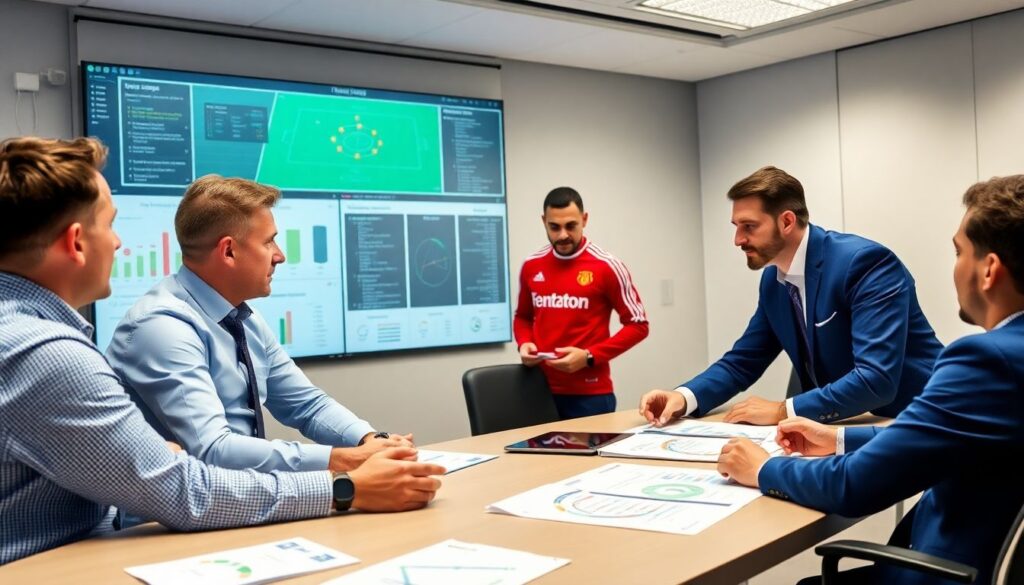
Bring in specialists when changing head coach, shifting club identity, or rebuilding recruitment. External analysts can sanity-check assumptions and benchmark you against best football tactics for super lig clubs in similar situations.