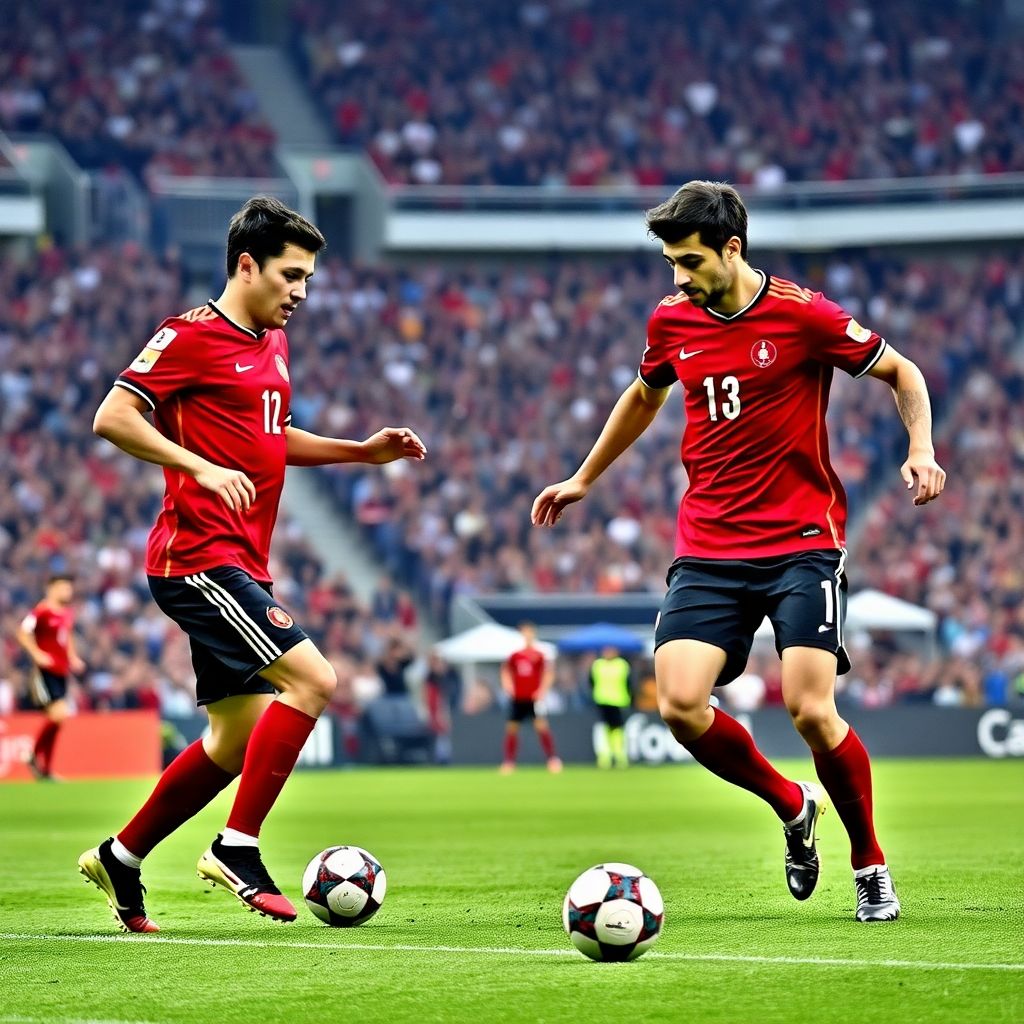
The new generation of Turkish defenders are centre-backs who can defend aggressively yet also build play under pressure. They replace old-school stoppers focused only on duels and clearances with ball-playing centre-backs who scan, pass through lines and manage high defensive lines, reshaping both club and Turkey national team defenders analysis.
Defining the Shift in Turkish Centre-Back Philosophy
- If you want to compete in Europe, then your Turkish centre-backs must handle build-up, not just clear danger.
- If a defender can receive under pressure and play forward, then his role in Turkish defenders transfer market value rises significantly.
- If your line defends high, then centre-backs must sprint backwards well, not just win aerial duels.
- If an academy develops modern defenders, then it must treat them as first attackers in possession, not only last stoppers.
- If you are writing a turkish football talents scouting report, then you must rate scanning and decision-making alongside tackles and interceptions.
- If a coach wants structure, then build possession patterns around centre-backs instead of bypassing them.
Historical profile: Traditional Turkish stoppers and their responsibilities
Historically, Turkish centre-backs were defined as “stoppers”: aggressive, strong in duels, focused on destroying play. Their job description was narrow: win first and second balls, dominate crosses, protect the box, and clear long. Ball circulation was largely someone else’s duty.
Typical traits were bravery, heading power, and one‑v‑one defending in deep areas. On the ball they usually preferred long clearances or safe passes to the nearest midfielder or full-back. If they were pressed, then the instinct was to play long, not to invite and break the press.
Structurally, most teams defended deeper with compact blocks. If the opposition had the ball, then Turkish stoppers tucked close to the goalkeeper, staying near the penalty spot. They rarely defended in huge spaces behind them, so speed and turning ability were less valued than strength and positional discipline.
In that environment, if a young defender showed composure in possession, then it was considered a bonus, not a requirement. As a result, several generations of players arrived in senior football with elite defensive instincts but limited tools for modern possession-based systems.
Tactical drivers: why Turkish clubs now prefer ball-playing centre-backs
The move towards ball-playing profiles comes from a set of tactical and economic drivers that reshape recruitment and training priorities.
- If you play a high press, then you need centre-backs who can defend big spaces behind them and pass through the first pressing line to stabilise possession.
- If your build-up starts from the goalkeeper, then centre-backs must receive facing pressure, adjust their body shape, and connect vertical passes into midfield instead of forcing long balls.
- If opponents sit in medium or low blocks, then ball-playing defenders are crucial to attract pressure and create free players between the lines by carrying or splitting passes.
- If your club wants to increase turkish defenders transfer market value, then developing centre-backs who fit European positional-play models becomes a strategic asset.
- If you use inverted full-backs and a single pivot, then centre-backs must read rotations and cover wide spaces, demanding better orientation and circulation skills.
- If the best turkish centre backs 2024 are already comfortable in top-5 leagues, then domestic clubs must match those standards to avoid losing tactical ground in continental competitions.
Application mini-scenarios for tactical drivers
If your team struggles to escape a high press, then design rondos and positional games where centre-backs are the main outlets, forcing them to find line-breaking passes. If your problem is conceding counters after set-pieces, then rehearse rest-defence structures with ball-playing centre-backs steering the block’s height and compactness.
Attributes of the new generation: technical, physical and cognitive benchmarks
Modern Turkish centre-backs are defined by specific technical traits linked to possession and circulation.
- If a defender can play driven vertical passes into the striker’s feet, then he turns from a safety-first player into a launchpad for attacks.
- If he is comfortable receiving on the back foot, then he can open his body and play to the opposite side, breaking the first press.
- If he can carry the ball forward 10-20 metres, then he forces midfielders to decide between pressing him or holding their man, creating free players.
Physically, the bar is also different.
- If the line sits high, then acceleration over the first 5-10 metres and the ability to turn quickly become more important than pure height.
- If centre-backs are asked to defend wide in transition, then agility and lateral quickness matter alongside strength in duels.
Cognitively, scanning and anticipation are now non-negotiable.
- If a centre-back scans before receiving, then he can choose whether to play one-touch, carry, or reset, instead of reacting late and panicking.
- If his communication is constant, then he coordinates the line, triggers offsides, and guides midfield pressing cues.
- If he reads through-balls early, then he can adjust his covering angle and avoid desperate last-ditch tackles.
Game scenarios where new attributes matter most
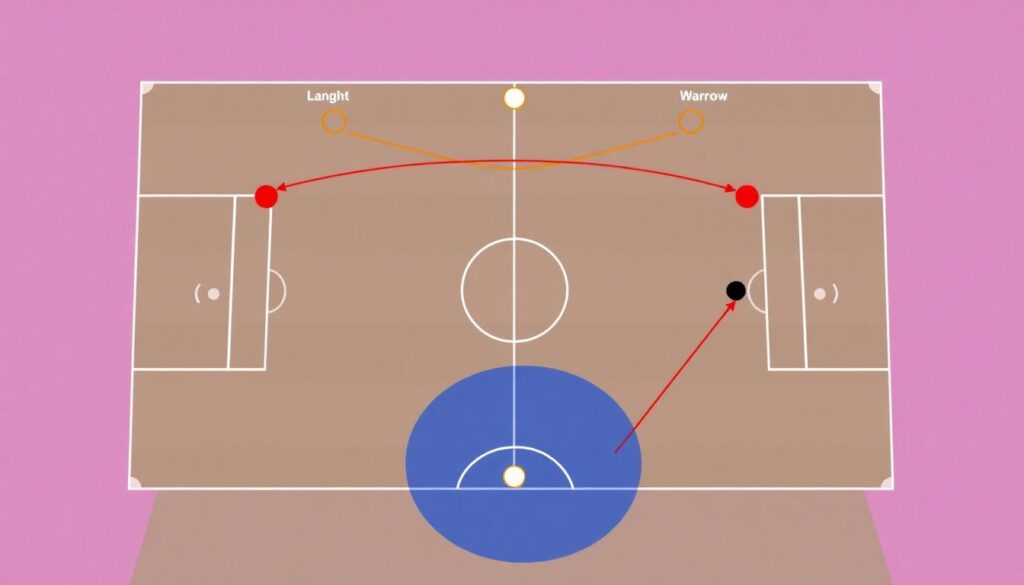
If your opponent defends with a narrow front two, then the centre-back must step into midfield with the ball and commit one of them to open a diagonal lane. If opponents overload one flank, then the far-side centre-back must switch play with pace and accuracy to exploit the weak side.
If your team leads late in the match but wants to keep the ball, then ball-playing defenders recycle possession calmly under light pressure instead of clearing, turning defence into controlled game management.
Academy reforms and coaching methods producing modern defenders
Turkish academies have started to adapt their processes so that “ball-playing” is built into a defender’s identity from early ages.
Training and methodological advantages
- If centre-backs are included in every build-up drill from U12 upwards, then receiving and passing under pressure become automatic by senior level.
- If coaches use positional games where defenders are outnumbered, then youngsters learn to scan quicker and play with fewer touches.
- If match analysis clips highlight positive risk-taking (progressive passes, carries), then defenders feel encouraged rather than punished for constructive decisions.
- If academies benchmark against young turkish defenders to watch in Europe, then they align their training with external demands, not only domestic habits.
Structural limitations and current gaps
- If youth coaches still judge defenders mainly on avoiding mistakes, then players become conservative and stop attempting progressive actions.
- If pitches and facilities are poor, then practising controlled build-up under realistic pressure becomes difficult.
- If smaller clubs must prioritise short-term results, then academy centre-backs may be rushed into senior football before mastering ball-playing skills.
- If data and video analysis resources remain limited, then detailed individual feedback for defenders is harder to deliver consistently.
Practical training implications
If you run an academy, then structure every session so that centre-backs touch the ball often in constrained spaces. If you coach a youth team, then alternate days focusing on 1v1 and aerial defending with days dedicated to build-up, scanning and decision games under time pressure.
Squad-level transition: implementing possession-based centre-back roles
Changing from old-school stoppers to ball-playing centre-backs is a squad-wide tactical project, not just a transfer decision.
- If you sign a ball-playing defender but keep a goalkeeper who is weak with his feet, then your build-up will still break under pressure.
- If your full-backs stay very deep, then centre-backs will always be pressed 2v2 and struggle to find safe angles.
- If midfielders hide behind markers, then even the best passer at centre-back will be forced into long, hopeful balls.
- If you demand a high line without synchronised pressing from the front, then centre-backs will be constantly exposed to direct passes in behind.
- If you change the back-line profile but not your defensive transitions work, then turnovers will still produce chaotic, open situations.
Common mistakes and myths in the transition
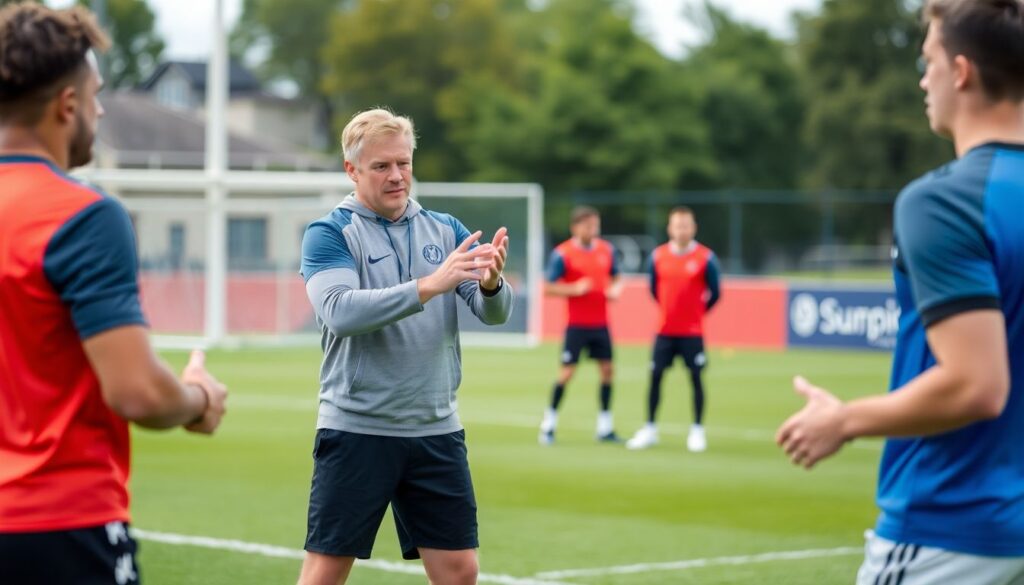
- If you think “ball-playing” means careless risk, then you will misread the objective; the goal is smart progression, not flashy passes.
- If you assume taller stoppers cannot adapt, then you may ignore players who can improve with targeted passing and scanning drills.
- If you copy a European giant’s structure blindly, then your squad may suffer because physical and technical profiles are not identical.
- If you only judge defenders by mistakes on the ball, then you will bench players who actually increase your team’s control and reduce total defending volume.
- If you ignore turkey national team defenders analysis trends, then your system might clash with how players are used internationally, hurting their adaptation and confidence.
Step-by-step squad implementation guidelines
- If your team is used to low blocks, then raise the defensive line gradually while pairing one experienced stopper with a more progressive centre-back.
- If training time is limited, then prioritise clear build-up patterns (e.g., 2+3 or 3+2 structures) so centre-backs always know their first two passing options.
- If senior players resist new roles, then use video of successful Turkish and European models to show how modern defenders enhance the whole team.
Concrete case studies: players and teams illustrating the evolution
Specific players and team models show how the transformation looks in practice and where young prospects fit.
If you compare veteran stoppers from a decade ago with the best turkish centre backs 2024, then you notice clear differences: modern players step into midfield more, break lines with passes, and are trusted as initiators in every attack phase.
In several Süper Lig clubs, if the first phase of build-up fails, then the issue is now more likely positional spacing than a lack of technical capacity at centre-back. This shift reflects deliberate recruiting and development aligned with modern possession principles.
For scouts compiling a turkish football talents scouting report, the profile has changed as well. If a prospect defends well but panics when pressed, then he is now rated lower than a slightly less dominant defender who can organise build-up and execute basic progressive passes.
Finally, if you track young turkish defenders to watch breaking through in both domestic and European leagues, then you consistently see the same pattern: comfort on the ball, acceleration in big spaces, and strong game intelligence, supported by academies that have moved away from purely “stopper” education.
Practical concerns, selection criteria and common tactical misconceptions
How should a Turkish club prioritise attributes when signing a new centre-back?
If you want immediate defensive stability, then prioritise positioning and duels but do not ignore basic passing under pressure. If your project is long-term, then give more weight to scanning, decision-making and progressive passing, even if defensive timing still needs refinement.
Can a traditional stopper be retrained as a ball-playing centre-back?
If the player has at least decent first touch and short passing, then you can upgrade him with structured rondos, positional games and video feedback. If he refuses to receive under pressure or lacks composure entirely, then the ceiling is limited and role adaptation will be partial.
What training tools best improve centre-backs’ composure on the ball?
If your defenders struggle against presses, then use small-sided games with touch limits and fixed build-up patterns to force them to make early decisions. If their issue is fear of mistakes, then create constraint-based drills where risk-taking in safe zones is explicitly rewarded.
How do you balance risk and safety in build-up with new-style defenders?
If you face high pressing, then define clear “green” zones for progressive passes and “red” zones where immediate safety is preferred. If your opponent drops deep, then allow centre-backs more freedom to carry and combine, because the transition risk is lower.
Do ball-playing centre-backs automatically solve build-up problems?
If your team’s spacing and rotations are poor, then even elite ball-playing defenders will struggle to find options. Build-up quality relies on whole-team structure; centre-backs are facilitators, not magicians.
How should national team usage differ from club usage for modern Turkish defenders?
If the national team has limited training time, then simplify patterns and keep players in roles similar to their clubs. If a defender plays in a very different system abroad, then staff must adjust instructions to his strengths rather than forcing a domestic template.
Is it a mistake to pair two very similar ball-playing centre-backs?
If both read the game well and communicate, then pairing them can raise your possession ceiling. Problems arise only if neither is comfortable defending large spaces or taking command vocally; in that case, pair one progressive profile with a more conservative organiser.