Step 1: Understand how social media rewired football fandom
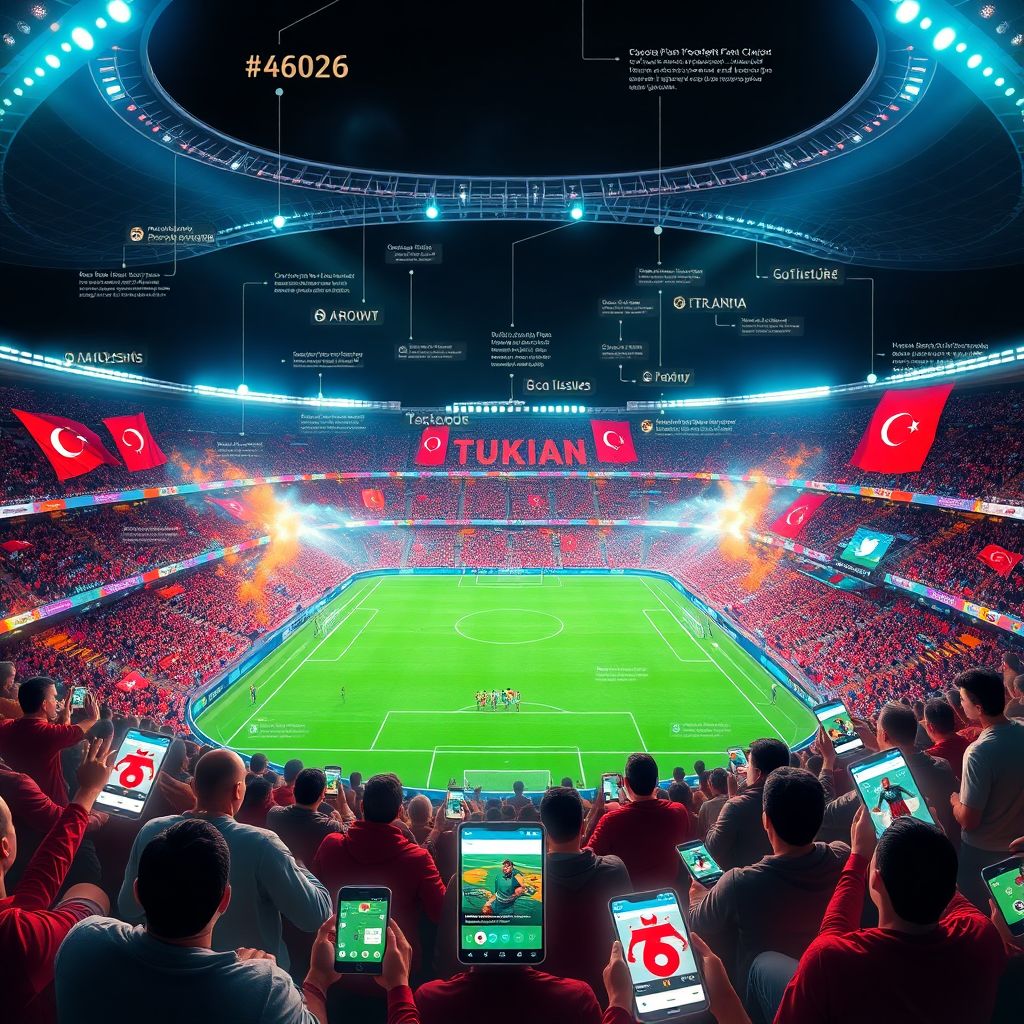
If you follow Turkish or European football in 2026, you’re not just “watching matches” anymore – you’re plugged into a 24/7 attention economy built around clubs, players and influencers. Social platforms have turned fan culture from a mostly local, stadium‑centric phenomenon into a hyper‑networked, real‑time interaction layer.
Long story short:
– Before social media, fan identity was driven by stadium attendance, fanzines, TV, radio and local communities.
– Now it’s driven by timelines, algorithms, notifications and live streams.
This doesn’t mean traditional culture vanished. Ultras, fan groups and city rivalries are still core. But they now coexist with a parallel digital layer: memes, live Twitter Spaces, TikTok edits, Instagram Reels from the curva, Discord servers, fan token communities and creator‑driven watch‑along streams.
In practice, that means three structural shifts:
– Geography matters less (a Fenerbahçe fan in Berlin can be more “plugged in” than a neighbor of the stadium who isn’t online).
– Time zones blur (Asian fans follow late‑night European fixtures in real time via clips and live commentary).
– Access barriers drop (you don’t need a season ticket to have a voice; you just need a social handle and some reach).
If you’re analyzing fan culture today, you’re really analyzing how social architectures and recommendation algorithms intersect with football identities.
—
Step 2: See what’s unique about Turkish fan culture online
Turkish football online is its own high‑voltage ecosystem. Stadium atmospheres for Galatasaray, Fenerbahçe, Beşiktaş and Trabzonspor were legendary long before social media; platforms simply gave that intensity a digital amplifier.
The phrase “turkish football fan engagement social media” isn’t just a marketing buzzword – it describes a real data pattern: exceptionally high volume of posts during and after matches, rapid viral spread of chants turned into clips, and intense participation in polls, spaces and comment threads. Club‑related hashtags regularly trend not only in Turkey but across Europe during big derbies.
Key traits of Turkish online fandom:
– High emotional amplitude: big spikes of euphoria and rage around key events, refereeing decisions or transfer rumors.
– Strong “digital choreography”: coordinated hashtag campaigns, mass reporting of rival content, organized banner and tifo leaks.
– Deep integration with local politics and media narratives, which increases the virality (and sometimes toxicity) of debates.
For clubs, this is both an asset and a potential hazard. The energy fuels global visibility but can easily turn into organized online backlash when expectations aren’t met.
—
Step 3: How European clubs turned social media into infrastructure

Across the continent, european football clubs social media strategy has shifted from “post a few photos after matches” to operating as full‑stack content studios. By 2026, top clubs manage their digital presence like media-tech companies:
– Dedicated in‑house content teams (video editors, motion designers, community managers, data analysts).
– Multi‑platform distribution (TikTok, Instagram, X, YouTube, Twitch, Snapchat, plus regional platforms).
– Data‑driven experimentation (A/B testing formats, thumbnails, posting times, and call‑to‑action wording).
For mid‑tier clubs, social channels have become a competitive equalizer. They may not match elite clubs on transfer budgets, but they can punch above their weight in global visibility through clever storytelling, behind‑the‑scenes footage and localized content (e.g. Japanese‑language feeds for a new signing from the J‑League).
The key shift: social platforms are no longer just communication tools; they’re part of the club’s core business stack, directly affecting sponsorship valuations, merchandising revenue and international fan acquisition.
—
Step 4: From “audience” to “co‑creator” – what’s changing for fans
Social media transformed fans from passive recipients to active nodes in the content supply chain. Every fan with a smartphone can:
– Clip a goal from a TV screen,
– Add commentary or edits,
– Push it into their network faster than official broadcasters.
This turns fan culture into a participatory production environment. Memes, reaction videos, fan analysis threads, chant compilations and tactical breakdowns by amateurs circulate alongside official content from clubs and leagues.
Short but important:
This co‑creation dynamic means fans aren’t just consuming the narrative; they’re rewriting it in real time. Clubs that ignore this lose narrative control. Clubs that embrace it gain a global swarm of micro‑ambassadors reinforcing their brand story.
—
Step 5: The marketing engine – how clubs monetize attention
When you hear football social media marketing in 2026, think of a layered funnel rather than random posts: awareness → engagement → conversion → retention.
Clubs use social feeds to:
– Drive traffic to e‑commerce (shirts, limited drops, collectibles).
– Upsell tickets, memberships and streaming passes.
– Activate sponsorship integrations (branded content, AR filters, “presented by” segments).
– Collect first‑party data (email, preferences, location) via sign‑ups and gated content.
Instead of just pushing “BUY NOW”, high‑performing campaigns wrap commercial messages inside:
– Storylines (e.g. “follow the academy kid’s journey to the first team”).
– Seasonal arcs (derby weeks, European nights, rivalry narratives).
– Cultural hooks (music collabs, crossovers with gaming or streetwear).
The net effect on fan culture is subtle but real: consumer behavior and emotional loyalty get tightly interwoven. Being a “real fan” increasingly overlaps with participating in digital campaigns, buying drops, or engaging with branded content.
—
Step 6: Platforms, tools and the hidden tech stack
Under the surface of every big club account is an entire technology layer. Sports fan engagement platforms for football clubs integrate several functions in one environment:
– Content scheduling and cross‑posting across platforms.
– Social listening (monitoring mentions, sentiment, emerging topics).
– Fan segmentation (local vs global, age, language, spending behavior).
– Campaign analytics (engagement rate, click‑through, conversion).
On top of that, clubs use:
– CRM systems to connect social IDs with ticketing and store behavior.
– Marketing automation to trigger emails or push notifications based on social interactions.
– Creators and influencers as external “distribution nodes” to reach young audiences who barely watch linear TV.
For fans, this means your like, comment or share is not just a casual gesture; it’s a signal that gets captured, scored and sometimes fed back into personalization engines that decide what you see next.
—
Step 7: Turkish vs European patterns – convergence and friction
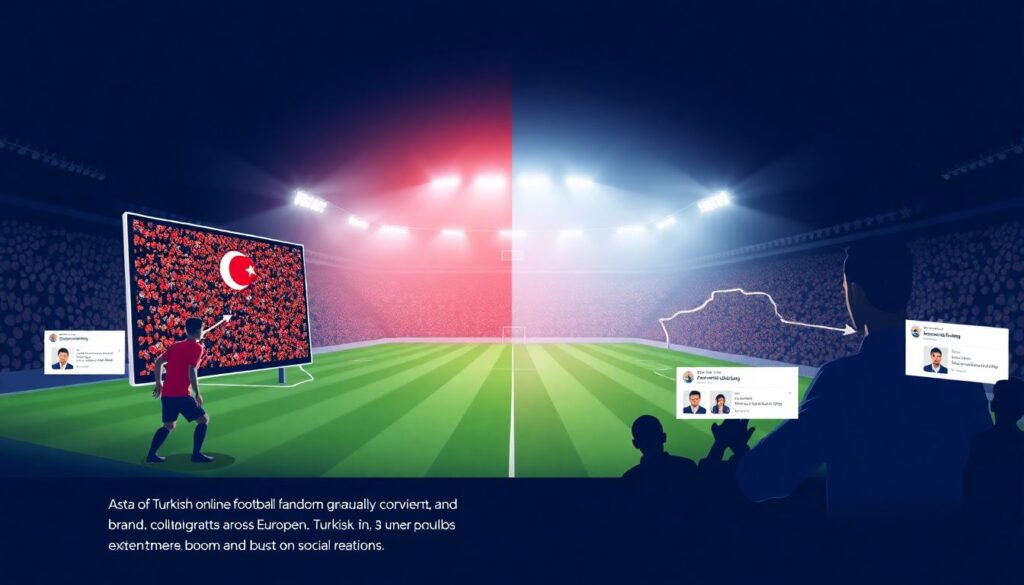
Turkish online fandom is gradually converging with broader European patterns (multi‑platform content, polished video, brand collaborations), but some asymmetries persist:
Longer observation, shorter conclusion:
– Turkish clubs tend to experience more extreme boom‑and‑bust sentiment cycles on social channels, correlated with weekly results and refereeing controversies.
– Several Western European clubs place more emphasis on “safe” lifestyle content, family‑friendly narratives and corporate sponsor integration, which sometimes feels sterile to hardcore fans.
– Fan‑driven accounts in Turkey often challenge official club narratives more aggressively, especially around governance, ultras relations and board decisions.
This creates a feedback loop: clubs adjust their tone to manage volatility, but if they over‑sanitize, hardcore communities migrate to closed spaces (WhatsApp, Telegram, Discord) where discourse becomes even less controlled.
—
Step 8: Typical mistakes clubs and fans are making online
Even in 2026, both sides repeat the same structural errors.
Common club‑side mistakes:
– Treating social feeds as press release channels instead of dialog spaces.
– Over‑focusing on global reach while neglecting local language and culture.
– Reacting late to crises, allowing narratives to be set by rival fans or hostile media.
– Over‑reliance on short‑term engagement bait (controversial captions, click‑driven polls) that damage long‑term trust.
Common fan‑side pitfalls:
– Sharing unverified transfer “news” that originates from click‑farm accounts.
– Participating in pile‑ons against players, referees or journalists, normalizing harassment.
– Confusing algorithmic visibility with importance (assuming whatever trends must be “what all fans think”).
– KEY WARNING for both sides:
– Algorithms reward intensity, not accuracy. The loudest or angriest content often gets boosted first.
– Archival memory is permanent. Deleted posts may persist via screenshots and mirrors.
– Legal exposure around hate speech, match‑fixing allegations and defamation is increasing; federations and clubs now monitor social spaces more systematically.
Being aware of these structural biases is a basic literacy requirement for anyone operating in football’s digital sphere.
—
Step 9: Practical tips for beginners entering digital fan culture
If you’re new to this ecosystem—whether as a fan, a small club admin or a freelance creator—start methodically instead of just posting at random.
For new fans:
– Pick a few reliable accounts (official club, credible journalists, established fan communities) and observe for a while before joining debates.
– Use lists or curated feeds to separate serious analysis from pure banter.
– Cross‑check rumors; don’t share transfer stories based solely on one low‑credibility handle.
For small clubs or local fan groups:
– Define your primary audience: locals, diaspora, or global neutrals? Your tone, language and posting times should follow that decision.
– Start with one or two core platforms you can handle consistently instead of copying big‑club multi‑channel setups.
– Use simple metrics (engagement rate, saves, shares, link clicks) rather than vanity metrics like total follower count.
– Beginner‑friendly content formats that usually work:
– Short match‑day routines (arrival at the stadium, chants, tifos).
– Player‑focused micro‑stories (academy progress, community events).
– Educational snippets (club history, rivalries explained, stadium traditions).
The goal at the beginning is not “viral”. It’s recognizable voice + consistent output.
—
Step 10: How professional social media management is changing clubs
As competition for attention intensifies, more organizations are outsourcing parts of their workflow. That’s where social media management services for football teams come in: agencies that specialize in content production, media buying, moderation and analytics for sports entities.
By 2026, several trends are clear:
– Smaller European and Turkish clubs are pooling resources via shared agencies that manage multiple teams.
– Specialized agencies offer match‑day “war rooms” with real‑time clipping, copywriting and crisis monitoring.
– AI‑assisted tools help generate multilingual captions, basic match reports and highlight reels at scale, while human editors handle nuance and cultural sensitivity.
This professionalization raises the floor of content quality across leagues. At the same time, it introduces a certain homogenization risk—feeds start to look similar if everyone uses the same playbook. Clubs that maintain a distinct voice or embrace local humor and traditions stand out in this environment.
—
Step 11: Emerging technologies reshaping fan culture (2024–2026)
The last two seasons have accelerated some experimental layers on top of “classic” social media:
– AI‑generated personalization
Fans increasingly see personalized highlight feeds (favorite players, preferred camera angles, commentary in chosen tone) generated on the fly. This fragments the “shared experience” of watching the same broadcast.
– Mixed‑reality match experiences
AR filters overlay live stats, player speed and xG data on your phone during matches. VR watch‑parties allow fans from Istanbul, London and Jakarta to share a virtual stand, complete with synchronized chants.
– Tokenized fan programs (post‑hype phase)
After the speculative boom and backlash around fan tokens and NFTs, some clubs kept a leaner, utility‑driven model: token‑gated polls with real (if limited) impact, early access to tickets, or exclusive digital meet‑and‑greets.
For culture, these tools create multiple “layers of fandom”:
– Broadcast‑only fans (minimal digital interaction).
– Social‑native fans (heavy on timelines, memes, debates).
– Immersive tech fans (VR/AR, tokenized communities, gamified loyalty apps).
Each layer has different expectations about access, responsiveness and influence.
—
Step 12: Risks and ethical pressure points
As social and tech layers deepen, risks multiply alongside opportunities.
Main structural risks:
– Hyper‑polarization: algorithms surface conflict; derby weeks become digital battlegrounds with real‑world spillover.
– Harassment and player burnout: DMs and comments expose players to abuse; some clubs now employ digital well‑being coaches.
– Data exploitation: fan behavior is heavily tracked, often without meaningful consent or transparency.
– Red flags to watch:
– Anonymous accounts inciting violence or hate under the guise of “banter”.
– Coordinated brigades targeting referees, minority players or journalists.
– Over‑gamification of loyalty, where supporting a club is reduced to transactions and “engagement points”.
Regulators in Europe and Turkey are slowly tightening content, betting and data rules around football. Expect stricter enforcement around gambling promos targeted at minors, deepfake clips, and monetized rumor accounts pretending to be journalists.
—
Step 13: Forecast for 2026–2030 – where this is heading
Looking ahead from 2026, several trajectories in Turkish and European football fan culture are reasonably clear:
1. Deeper localization within global reach
Clubs will maintain global channels but invest more in region‑specific feeds (language, cultural references, local influencers). For Turkish clubs chasing foreign markets and European giants courting Turkey’s huge fanbase, tailored localization will be standard, not optional.
2. From follower counts to owned communities
Over‑reliance on big platforms is risky. Expect more clubs and fan groups to:
– Build proprietary apps and community portals.
– Run private spaces (Discord, Slack‑like tools) with verified membership.
– Use newsletter‑style models to keep direct contact outside algorithmic feeds.
3. AI‑enhanced moderation and narrative management
With volumes too high for manual work, AI tools will flag abusive content, detect coordinated brigading and map sentiment shifts in near real time. Clubs that treat this as strategic intelligence—not just PR cleanup—will adapt faster to fan expectations.
4. Greater fan influence on governance—via digital pressure
Coordinated online campaigns already push back on bad ownerships, ticket hikes or controversial sponsorships. By 2030, well‑organized digital communities, especially in Turkey’s politically charged environment, will increasingly affect:
– Board decisions on coaches and sporting directors.
– Kit designs and badge changes.
– Stadium policies and match‑day pricing.
5. Stronger regulatory and platform intervention
Expect:
– Tighter betting promotion rules around football content.
– Stricter policies from platforms on hate speech during matches and derbies.
– Case law around defamation and deepfakes impacting fan accounts and creators.
Short version: fan culture will be more data‑driven, more mediated by algorithms and tools, but also more capable of collective action.
—
Step 14: How to navigate the next wave as a fan or club
If you’re a fan, creator or club representative in 2026, a sustainable approach looks like this:
– Assume permanence: post like everything can be replayed in a courtroom or a job interview.
– Build depth, not just noise: long‑term credibility outperforms short‑term virality.
– Balance passion with literacy: know how algorithms work, where your data goes, and what kinds of content you’re amplifying.
For clubs and fan groups, the strategic priority is alignment:
Your online behavior, content and partnerships should reflect the culture you actually want in your stands and communities—five years from now, not just today’s matchday. Social media is no longer a mirror of fan culture; it’s one of the main tools shaping what that culture becomes.