
Why Foreign Players Matter More Than Ever
The Süper Lig you watch today is nothing like the one from ten years ago. The wave of Turkish Super Lig foreign players has quietly but firmly rewritten how teams press, build from the back and even manage the game psychologically. Instead of pure chaos and long balls, you now see Spanish-style positional play mixed with South American flair and African physicality. This blend doesn’t just look pretty; it changes how Turkish coaches train, how academies shape kids and even what kind of players smaller clubs try to sell abroad. To actually use these changes, you have to treat the league as a live “laboratory”, not just weekend entertainment.
Necessary Tools: How to Actually Study the Change
Digital tools for watching and rewinding
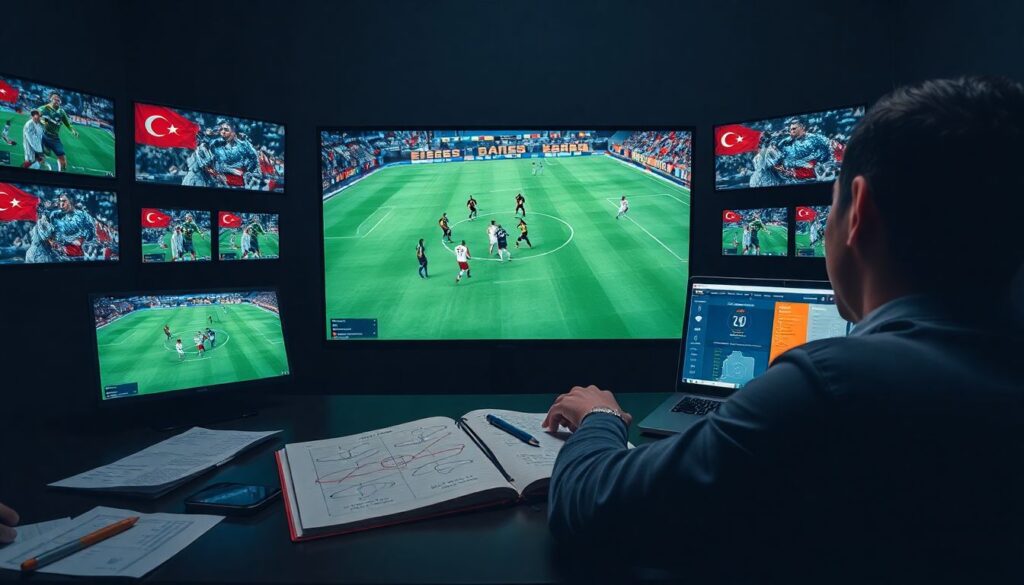
If you want to understand how foreign players are transforming the Süper Lig’s playing style, you need more than highlights on social media. Start with a stable source of Turkish Super Lig live streaming so you can pause, rewind and rewatch sequences, not just goals. Add a basic notetaking setup: a spreadsheet, or even a simple notebook where you log pressing triggers, build-up patterns and set-piece ideas. If you coach, analytic platforms like Wyscout or InStat are ideal, but even free extended highlights on YouTube help you track how often a team uses overloads, third-man runs or inverted full-backs introduced by foreign signings.
Old-school tools that still work
Don’t underestimate pen and paper. Draw simple pitch diagrams and freeze specific situations: for instance, how a Brazilian winger receives between the lines and drags two defenders inside, creating space for an overlapping Turkish full-back. Mark down which foreign players dictate tempo, who organizes the press, who constantly scans before receiving. Over time you’ll build a personal “catalogue” of behaviors that you can adapt to your team or training sessions. This method is slower than reading Turkish Super Lig transfer news, but it turns you from a passive viewer into someone who understands the mechanisms behind the style shift.
Step-by-Step: How Foreigners Reshape the League on the Pitch
Step 1: Spot the tactical roles foreigners tend to take

When you watch a game, start by identifying where foreign players usually appear. In many clubs, imported players fill creative and high-impact roles: playmakers, ball-playing centre-backs, mobile number eights and clinical forwards. The best foreign players in Turkish Super Lig often become the “on-field coaches”, guiding pressing height, tempo changes and set-piece routines. Pay attention to how they communicate with local teammates: simple gestures, pointing, even slowing the play down with one touch. This micro-management from experienced foreigners is one of the biggest reasons the Süper Lig’s style looks more structured and less random than in the past.
Step 2: Track changes in build-up and pressing
Next phase: focus on the first pass from the back. Many teams that sign technically secure foreign centre-backs or deep-lying midfielders suddenly start building from the goalkeeper, instead of launching it long. Watch how these players open their body, invite pressure and then break lines with sharp passes. Defensively, notice how imported forwards or wingers initiate coordinated pressing, curving their runs to block passing lanes rather than just chasing the ball. Over several matches you’ll see patterns: after a backward pass the whole block jumps, or after a wide trap they funnel the ball into a specific zone. This is style transformation in real time, and you can copy elements into your own training.
Step 3: Observe game management and mentality shifts
Another key layer is mentality. Many Turkish Super Lig foreign players arrive from leagues where managing a 1–0 lead is an art. They slow the tempo with short passes, draw cheap fouls, and push the line up five meters to squeeze space. Take note of how foreign captains or veterans react after conceding: instead of emotional chaos, they often demand two or three calm passes to reset. This influences local teammates and gradually changes the “emotional DNA” of the team. If you coach, you can design drills that simulate these situations: “protect the lead for five minutes” or “respond to conceding by keeping the ball for ten passes”, mirroring behaviors you observe in these players.
Working Within Turkish Super Lig Foreign Player Rules
Step 4: Use the limit as a design tool, not a constraint
Clubs must juggle squad building around Turkish Super Lig foreign player rules, which means they can’t just fill every position with imports. Treat this like a puzzle: which positions bring the biggest tactical upgrade if filled by foreigners? Often it’s spine roles: goalkeeper, central defender, deep midfielder, playmaker or nine. On your notepad, map how teams distribute their foreign slots and which areas of the pitch instantly look more controlled or creative. This helps coaches and analysts decide where to invest, and even helps fans understand why a club keeps betting on foreign centre-backs instead of yet another winger. The rule, used smartly, forces clarity of tactical priorities.
Step 5: Connect transfer news with tactical evolution
Instead of browsing Turkish Super Lig transfer news just to see big names, link each signing to how the team might play. If a club signs a left-footed ball-playing centre-back from Spain, expect more short build-up and diagonal switches. A dynamic box-to-box midfielder from France hints at higher pressing and more transitions. Log your predictions, then verify them during the first five matchdays. You’ll quickly sharpen your ability to read how each newcomer might tweak pressing systems, spacing and chance creation. For staff members in smaller clubs, this habit becomes a free scouting school: you learn what types of profiles actually move the tactical needle in this league.
Practical Applications for Coaches, Analysts and Ambitious Fans
Turning observations into training drills
Once you’ve collected enough examples, translate them into concrete exercises. See a foreign playmaker constantly finding pockets between the lines? Build a rondo where your number ten must receive on the half-turn under passive pressure, then progress the ball. Noticed how a foreign winger always attacks the far post when the opposite side crosses? Turn that into a finishing drill with strict starting positions. By borrowing behaviors from foreign role models, you gradually bake modern Süper Lig habits into your grassroots or amateur team, instead of relying on outdated “kick and rush” ideas that no longer match the league’s reality.
Scouting templates inspired by foreign influence
Analysts can go further and create simple scouting templates based on what works for imported players. Define 4–5 must-have traits per role: for example, a foreign six should scan before every reception, play vertical passes under pressure and protect space rather than just tackling. When you evaluate local players, grade them against these standards. Over time, your club starts producing homegrown players who behave like the successful foreigners you’ve studied. This is exactly how stylistic revolutions stick: not only by signing stars, but by letting their habits spread through the entire football ecosystem, from academies to amateur pitches.
Troubleshooting: When Foreign Influence Doesn’t Click
Common tactical mismatches
Sometimes, a big foreign signing arrives and the playing style doesn’t improve at all. Usually it’s a mismatch problem. You might bring in a possession-oriented midfielder into a team that refuses to build from the back, or a pressing monster into a low-block side. When you see this on screen, freeze the play and ask: is the team structure supporting this player’s strengths? If the answer is no, you’ve found the root cause. For coaches, the fix is to adjust one or two collective habits—like pushing the defensive line higher or bringing a full-back inside—so your foreign key man is no longer fighting the system.
Integrating communication and culture
Another stumbling block is communication. A tactically brilliant foreign centre-back is useless if full-backs don’t understand his cues. During matches, watch for confusion: hands raised in frustration, late offside lines, players pointing and shouting after simple actions. That’s your clue that the “tactical language” hasn’t synced. The remedy is surprisingly practical: set shared verbal triggers in training (“up”, “squeeze”, “rest”) and repeat them relentlessly. Even as an amateur coach, you can copy this from Süper Lig teams where foreigners and locals coordinate well. Over a few weeks, those borrowed habits turn your back line from a group of strangers into a compact, modern unit.
Filtering hype and staying realistic
Finally, don’t let big names cloud your judgment. Some signings look spectacular in headlines but add little to playing style. Compare pre- and post-arrival metrics: does the team press higher, keep more possession in the final third, concede fewer counterattacks? If nothing changes, the “style impact” is close to zero, no matter how famous the player is. Use your notes, video rewatches and even basic data from public sites to test your impressions. This disciplined approach helps you separate real transformation from marketing noise and makes your understanding of foreign influence on the Süper Lig far more grounded and useful in practice.
Using Foreign-Led Evolution to Level Up Your Own Game
From spectator to student of the game
If you combine steady watching, simple tools and a bit of structure, you’ll see the Süper Lig differently. Turkish Super Lig foreign players stop being just “imports” and turn into living case studies in pressing, build-up and game management. Whether you’re a youth coach stealing drills, an analyst sharpening your eye or just a curious fan with a notebook, you can treat every weekend as a free masterclass. Over time you’ll recognize patterns faster than the commentary does, anticipate tactical tweaks after each window and even predict which foreigners will genuinely shape the league’s style long before the headlines catch up.