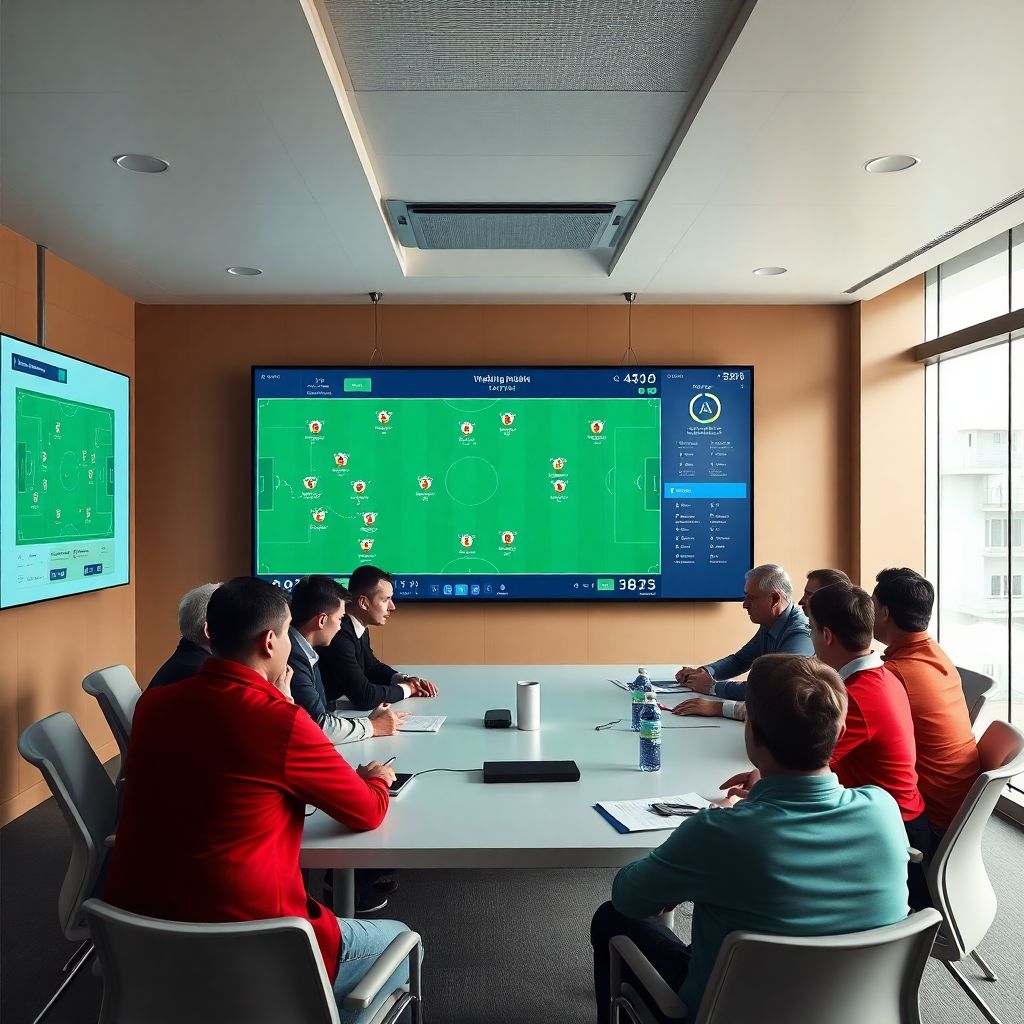
Turkish academy systems can compete with Europe’s elite by concentrating resources on coaching quality, aligned game models, and long term player development, while upgrading talent ID, data use, and international links. Rather than copying big clubs, each football academy Turkey should choose a clear model with realistic standards, measurable KPIs, and consistent execution.
Competitive snapshot for Turkish academy systems
- Focus less on short term match results and more on individual player growth across several seasons.
- Standardise a national game model so turkey youth football development programs teach similar principles.
- Invest in coach education and mentoring before large construction projects.
- Use simple performance data and video to track each player rather than only staff opinion.
- Build clear bridges from youth to senior teams, including loans and B squads.
- Target partnerships with european clubs for methodology exchange, not just transfer deals.
- Position the best football academies in Turkey as regional hubs that support smaller local centres.
Current landscape: Turkish academies versus Europe’s elite
When comparing academy systems in Turkey with european leaders, use a clear set of evaluation criteria that guides investment, staffing, and partnerships.
- Game model and playing philosophy: Is there a documented, age based style of play that all teams follow, or does every coach improvise separately?
- Coach pathway and education: Do coaches receive structured training, mentoring, and progression routes inside each professional soccer academy Turkey, or are they hired mainly through connections?
- Talent identification and coverage: How well does the club scout outside big cities and traditional regions, and how diverse is the player intake profile?
- Player development plans: Does each player have an individual plan with technical, tactical, physical, and mental goals, tracked across multiple seasons?
- Use of data and sports science: Are training loads, growth, and injury risks monitored in a basic, consistent way, or handled informally?
- Facilities and daily training environment: Does the academy provide safe pitches, recovery spaces, and learning areas that support frequent, high quality sessions?
- Pathway to first team or europe: Are there clear, realistic routes into senior squads, including turkish football academy trials for europe through partner clubs or tournaments?
- Governance and long term vision: Is the academy managed with written policies, stable leadership, and transparent budgets, or dependent on short term club politics?
- Community and education links: How well does the academy integrate with schools, families, and local communities, including academic support for players?
Talent identification and youth development pipelines: gaps and opportunities
The following comparative decision style table maps different talent pipeline models to typical outcomes and focus metrics, helping clubs choose a realistic structure.
| Variant | Best suited for | Main advantages | Main limitations | When to choose | Likely outcome and KPI focus |
|---|---|---|---|---|---|
| Centralised club academy hub | Traditional clubs in major cities aiming to become the best football academies in Turkey |
|
|
When the club can attract talent from wide areas and sustain a full time academy structure |
|
| Regional satellite network | Clubs wanting better geographic reach without fully relocating all players |
|
|
When regions are large and travel to the main football academy Turkey base is difficult for young players |
|
| School integrated academy programs | Municipalities, private schools, or clubs prioritising dual career and education |
|
|
When the region lacks strong club infrastructure but has motivated schools and municipalities |
|
| Private professional soccer academy partnerships | Independent academies or clubs seeking fast improvements with limited internal staff |
|
|
When local demand for structured turkey youth football development programs is high but club resources are modest |
|
| Hybrid pathway with european partner club | Ambitious clubs targeting turkish football academy trials for europe and export of elite talent |
|
|
When the club already has a solid internal program and seeks higher level benchmarking |
|
Coaching quality, methodology and continuous education
Improving coaching quality is the fastest competitive lever, but priorities differ by starting point. Use these scenario based guidelines.
- If the academy has many enthusiastic but inexperienced coaches, then prioritise a simple club curriculum, regular in house workshops, and observation visits to a nearby reference academy instead of expensive foreign trips.
- If the club already employs licensed coaches without a shared philosophy, then appoint a head of methodology who defines a game model, session library, and weekly cycle that all teams must follow, monitored by periodic session audits.
- If budgets are limited yet expectations are high, then select a small group of lead coaches for intensive development, have them mentor colleagues, and focus investment on video feedback tools rather than broad but shallow course spending.
- If the aim is to match top european methodological standards, then build a multi year coach education plan that integrates external licences, online learning, internal mentoring, and regular collaborative planning between academy and first team staff.
- If staff turnover is frequent due to club politics, then document all training standards, session templates, and player reports so that knowledge survives beyond individual coaches.
Across all scenarios, define coach related KPIs such as observed session quality, adherence to the game model, player feedback on learning, and the progression of players between age groups without performance drops.
Facilities, sports science and performance analytics
To upgrade facilities and support services without wasting funds, follow this staged checklist.
- Clarify the desired training volume per week for each age group, then assess whether current pitches, lighting, and scheduling can support that load without overuse.
- Ensure basic safety and maintenance first, including playing surface quality, clean changing areas, and reliable medical support for all academy sessions and matches.
- Add simple monitoring routines before advanced technology, such as wellness questions, manual training logs, and visual growth checks for younger players.
- Introduce entry level performance analytics through consistent video recording, tagging of key actions, and short reports for players and coaches.
- Only after these basics work, consider higher level tools such as tracking systems or specialised lab testing, aligned with clear questions the staff want to answer.
- Train at least one staff member as the internal coordinator for sports science and data so that information from tests, GPS, and video leads to concrete training decisions.
- Review sports science policies each season, checking whether they reduce soft tissue injuries, keep players available for selection, and support long term development rather than short term overload.
Funding structures, governance and international partnerships
Many promising academy projects in Turkey lose momentum due to avoidable strategic errors. Be aware of these typical pitfalls.
- Launching large construction projects without securing sustainable operating budgets for staff, travel, and maintenance.
- Changing academy directors frequently, which resets long term plans and confuses staff and families.
- Failing to ring fence academy funds, making youth development vulnerable to first team transfer pressures.
- Signing partnership agreements with foreign clubs that focus only on brand use and short visits, without deep methodological work.
- Overpromising turkish football academy trials for europe to families, which damages trust when opportunities do not materialise.
- Ignoring governance basics such as transparent selection policies, clear codes of conduct, and documented safeguarding procedures.
- Not measuring academy outcomes, so boards cannot see the return on investment from youth development compared with short term transfers.
- Spreading resources thinly across many age groups instead of building a strong core in a few critical phases and expanding gradually.
- Relying on individual sponsors or political figures without creating diversified, resilient funding streams.
Implementation roadmap: scalable reforms, metrics and quick wins
- If resources are limited, prioritise coach education, a simple club curriculum, and basic data use before expanding facilities or teams.
- If resources are moderate, add regional satellites or school partnerships, formal sports science routines, and at least one stable international partner.
- If resources are strong, aim for a full academy hub, hybrid european partnerships, and a structured pathway that regularly integrates academy graduates into the first team.
For community focused clubs, school integrated programs and regional satellites can be the best first step. For ambitious professional clubs, a centralised hub supported by satellites and european partners is usually strongest. For independent investors, private professional soccer academy Turkey partnerships offer a rapid, flexible route while a longer term internal structure is built.
Common implementation concerns and short solutions
How can a small provincial club start competing with bigger academies?
Focus on coach quality, clear selection policies, and strong relationships with local schools. Build one or two age groups to high standards before expanding, and use regional tournaments to benchmark progress rather than chasing prestige events immediately.
What is the fastest visible improvement parents and players will notice?
Structured, enjoyable training sessions with clear learning goals make an immediate difference. Combine this with regular feedback to players, simple physical screening, and transparent selection decisions, and perceived professionalism rises quickly even without major facility upgrades.
How should an academy choose a european partner club?
Look for alignment in philosophy, realistic expectations, and commitment to staff development instead of just badge use. Visit the partner’s academy, discuss concrete joint projects, and agree measurable outcomes such as shared curricula or recurring staff exchanges.
What can be done if facilities are poor and unlikely to improve soon?
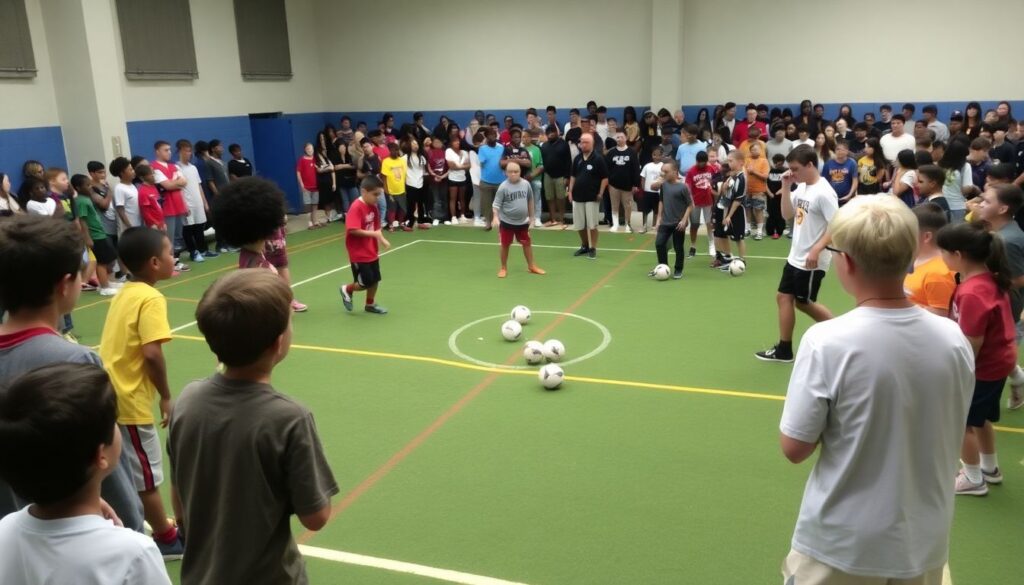
Maximise organisation, safety, and pitch usage planning, then focus heavily on technical work, game understanding, and decision making. Use school gyms, community spaces, and small sided games to maintain training frequency while lobbying for gradual facility upgrades.
How do academies keep their best players from leaving too early?
Provide clear individual development plans, honest communication with families, and visible promotion of local players into older squads and senior teams. If transfers happen, negotiate fair conditions and maintain positive relationships for future cooperation.
How can data and video be used without a dedicated analyst?

Start with simple match recordings and short clips for team meetings, then track a few basic indicators aligned with the club game model. Train one coach to coordinate this process and keep the workload manageable.
What is a realistic time horizon to see academy reforms pay off?
Expect quick cultural shifts within a single season and tangible player development improvements over several seasons. Plan communication with the board and community around this timeline so pressure remains constructive.