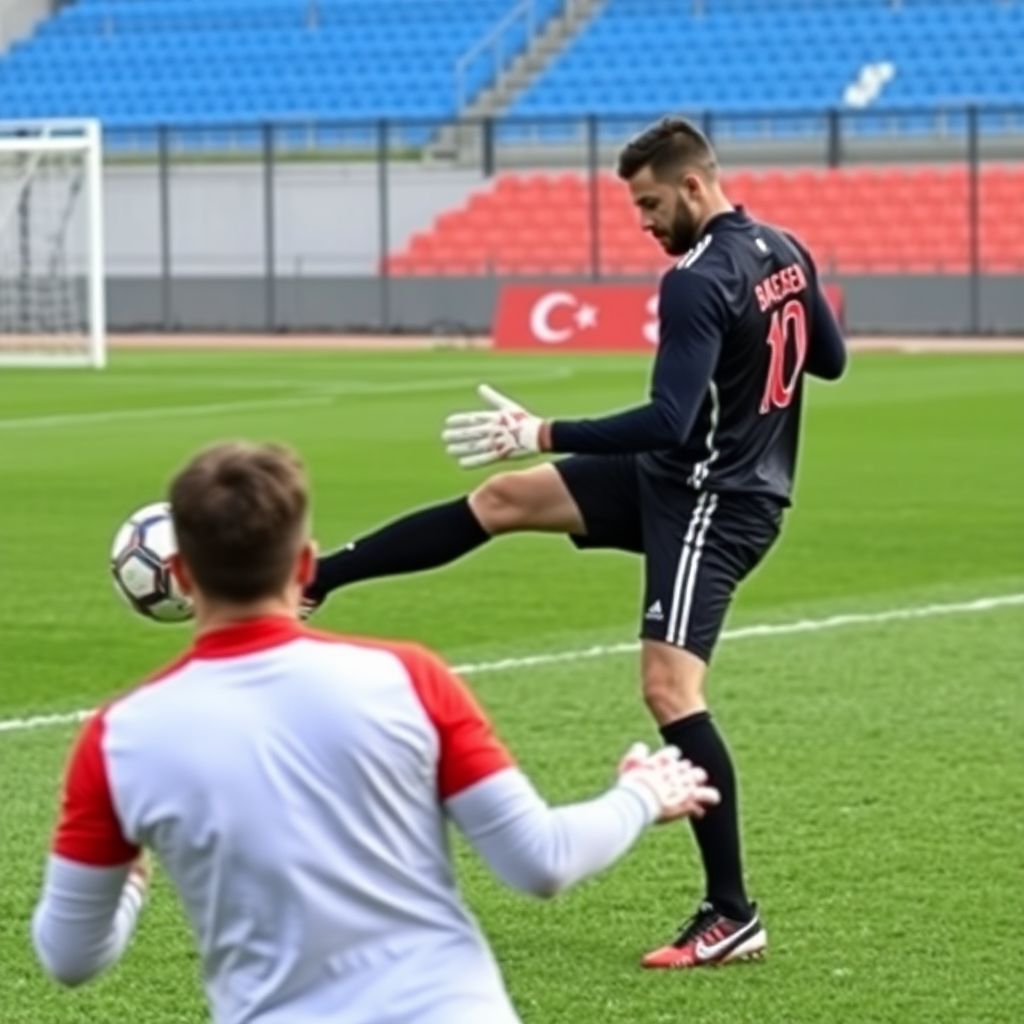
Modern goalkeepers in Turkey and Europe are evolving from pure shot-stoppers into active playmakers who start attacks, control space behind the defence, and support pressing. This shift demands better footwork, passing, and game reading, plus changes in coaching, data use, and even how clubs buy equipment and design training environments.
Core Shifts in the Goalkeeper Role
- From line-based shot-stopping to proactive control of depth and space.
- From long, hopeful clearances to structured short and mid-range build-up passing.
- From individual reflex focus to integration with team pressing and rest-defence.
- From generic fitness to position-specific footwork and decision-speed training.
- From coach intuition to video, data and football goalkeeper analytics software for clubs.
- From late conversion of tall players to early, holistic development in academies.
Traditional Shot-Stoppers in Turkish Football: Origins and Characteristics
Traditionally, Turkish goalkeepers were judged mainly on reflexes, bravery in one‑v‑one situations, and high-ball dominance. The role was defined as protecting the goal-line, claiming crosses, and kicking the ball as far as possible under pressure. Passing quality or participation in build-up rarely influenced selection.
This approach grew out of direct, transition-heavy football where centre-backs and central midfielders took almost all responsibility for first passes. Training reflected this: long sets of shot-stopping drills, high-volume diving exercises, and basic distribution work focused on power, not precision or decision-making.
Culturally, supporters, media and even many coaches in Turkey evaluated keepers through visible moments: big saves, penalties, and spectacular dives. A goalkeeper could be praised for thirty clearances into the stands while never being asked to break the first press with a calm pass between lines.
In European leagues, especially in northern and central Europe, the evolution started earlier, but there were also long periods where most keepers were similar shot-stoppers. Only when possession-based systems spread did the gap between classic Turkish profiles and modern playmaking goalkeepers become obvious and strategically important.
Tactical Drivers Behind the Transition to Playmaking Goalkeepers
The move toward playmaking goalkeepers is driven by concrete tactical needs rather than fashion. Coaches in Turkey and across Europe realised the team was effectively playing with ten men in possession when the keeper stayed glued to the line and only cleared long. Several recurring game situations forced a rethink.
- Breaking the first press. High-pressing opponents lock centre-backs and pivots. A goalkeeper stepping higher and passing accurately adds an extra free man, helping the team escape pressure and advance with control.
- Creating numerical superiority. In build-up, using the keeper creates 3‑v‑2 or 4‑v‑3 advantages against pressing forwards. This lets full-backs and midfielders position higher, which is crucial for teams that want to dominate the ball.
- Controlling depth against long balls. A proactive goalkeeper sweeping behind a high line allows defenders to stay compact and aggressive. Without this, Turkish teams playing in Europe often dropped too deep, losing control of midfield.
- Starting fast counter-attacks. Quick, accurate throws and passes after regaining the ball can exploit disorganised opponents. This requires vision and distribution quality, not just long kicks.
- Supporting rest-defence structure. When the team attacks with many players, the keeper’s starting position helps cover through-balls and loose clearances, stabilising transitions and reducing counters conceded.
- Aligning with data-driven decisions. Video and data show that safe short passes with good structure can be less risky than random clearances. Clubs using analysis tools adjusted tactics, forcing keepers to adapt.
Technical and Physical Adaptations: Footwork, Passing and Positioning
Modern goalkeepers must upgrade their footwork from simple shuffle steps to multi-directional, low, fast movement. Drills now combine small, quick steps with immediate passing actions, simulating playing under pressure. A keeper who moves well can align shoulders, open body angle, and pass cleanly even in tight spaces.
In passing, the basic toolkit expands: inside-foot passes to centre-backs, clipped balls to full-backs, firm ground passes into pivots, and driven switches to the far side. Training should include passing patterns with defenders and midfielders, not isolated long-kick repetitions. Buying suitable boots and balls matters as much as choosing the right gloves; when you use a goalkeeper kits and equipment shop online, think about ball touch and grip, not only visual design.
Positioning changes most clearly. Instead of standing on the six-yard line, the keeper adjusts height based on ball location, team shape and opponent runs. In possession, the starting spot is often outside the box, creating better passing angles. Out of possession, the keeper matches the defensive line, ready to sweep long balls behind.
A simple tactical diagram to visualise this: imagine a back four on the edge of the centre circle when the team attacks. Draw the keeper five to eight metres behind them, almost as a spare centre-back, with passing lines from the keeper to each defender and the holding midfielder. This triangle-plus-one gives multiple safe options under pressure.
Finally, physical work changes: less focus on pure maximal strength, more on repeated accelerations over five to ten metres, quick direction changes, and the ability to move forward, then back, without losing balance. Recovery routines must consider higher running volume because proactive keepers cover more distance than traditional shot-stoppers.
Coaching Practices and Youth Development in Turkey and Europe
Coaching in Turkey and Europe is slowly adjusting, but there are still big differences between academies, pro clubs and private services. For families and semi-pro players, this creates many choices: from local schools to the best goalkeeper training camps in Europe. The key is knowing what to look for in modern goalkeeper development.
Practical strengths and opportunities in current coaching
- More academies integrate keepers into team rondos and build-up games, instead of isolating them for the whole session.
- Clubs increasingly send coaches to professional goalkeeper coaching courses turkey offers through federations and private providers, bringing more structured methodologies back to local environments.
- Video analysis is becoming normal, even in youth teams, helping keepers review decisions, not just saves.
- Short residential camps in Europe expose Turkish keepers to different tactical demands, especially higher defensive lines and intense pressing.
Limitations and gaps still holding keepers back
- Many programmes still devote most time to shot-stopping and very little to passing under pressure or scanning before receiving.
- Keeper coaches and team coaches often plan separately, so the goalkeeper’s build-up role is unclear or inconsistent from match to match.
- Youth selection often prioritises height over coordination, decision-making and confidence with the ball.
- Families choosing goalkeeper gloves europe buy online or booking camps focus on brand names instead of checking whether the environment supports modern, playmaking skills.
Profiles and Comparisons: Pivotal Turkish and European Case Studies
It helps to compare typical profiles rather than only famous names. Many older Turkish keepers were excellent on the line, strong in crowds, and emotional leaders, but uncomfortable receiving back-passes under pressure. In contrast, younger generations in Europe often grow up treating the ball like an outfield player from early ages.
Broadly, think of three profile types: a classic Turkish shot-stopper who excels in penalty-box chaos; a transitional profile who is reliable with short passes but still prefers safety first; and a fully modern playmaker-keeper who regularly breaks lines and dominates space behind a high defence. Each type demands different coaching priorities and carries different risks.
A simple comparison: the classic keeper might clear long 80-90% of the time, rarely trying central passes; the transitional keeper mixes short and long options based on pressure; the playmaking keeper uses short passes as default and only goes long with clear targets. Mistakes are more visible for the last type, so mental resilience and clear team principles are crucial.
Common mistakes and myths around these case studies include:
- Believing that good feet automatically mean weak shot-stopping; in reality, many top keepers balance both with good training structure.
- Copying high-profile European keepers’ aggressive positioning without adjusting for local league tempo, pitch quality or defensive line height.
- Assuming any young keeper who can juggle or dribble is ready to build from the back under real pressing pressure.
- Underestimating equipment and environment: even when you use a goalkeeper gloves and equipment shop online, you must consider weather, pitch type and ball speed instead of choosing the flashiest model.
- Ignoring that European academies rely heavily on integrated team exercises, not only advanced gadgets or reputation.
Measuring the Change: Metrics, Data and Team-Structure Implications
To make the evolution practical, coaches and clubs must measure goalkeeper contribution beyond saves. Simple, repeatable metrics show whether a keeper is really functioning as a playmaker or just attempting risky passes. This is where good tracking habits and even basic football goalkeeper analytics software for clubs become powerful tools.
Useful metrics include pass completion under pressure (passes made when pressed by an opponent), progressive passes (balls that move the team significantly forward), and defensive actions outside the box (how often the keeper sweeps behind the line). Add average starting position in different phases to understand how high or deep the keeper plays.
A short example: a Turkish second-division club decides to modernise. They track over ten matches and see their goalkeeper’s pass completion under pressure rise, progressive passes increase, and defensive actions outside the box climb. At the same time, the team’s overall long clearances drop because the keeper now connects consistently with centre-backs and pivots.
This data then shapes team structure: centre-backs are encouraged to split wider, the pivot shows more often, and full-backs push higher. Training games set constraints like “goal can only be scored after the keeper is involved in build-up”. Even when staff simply watch video and collect numbers in a spreadsheet, the process builds shared understanding between goalkeeper coach and head coach.
Actionable checklist for implementing the modern goalkeeper role
- Define 2-3 clear build-up patterns that start with the keeper and rehearse them every week with the full back line.
- Dedicate part of each session to passing under pressure, not only to classic shot-stopping drills.
- Track at least three metrics: pass completion under pressure, progressive passes, and defensive actions outside the box.
- Choose camps and courses based on content, not logo: review best goalkeeper training camps in Europe or professional goalkeeper coaching courses turkey providers with a focus on playmaking skills.
- When you use a goalkeeper kits and equipment shop online, select gloves, boots and balls that support confident distribution and safe sweeper actions, not just style.
Practical Questions About Modern Goalkeeper Responsibilities
How can an amateur goalkeeper in Turkey start playing more like a modern playmaker?
Begin by improving first touch and short passing with teammates, not alone. Ask your coach to include you in rondos and build-up games, and slowly increase your starting position when your team has controlled possession.
What daily training habit most improves a keeper’s passing under pressure?
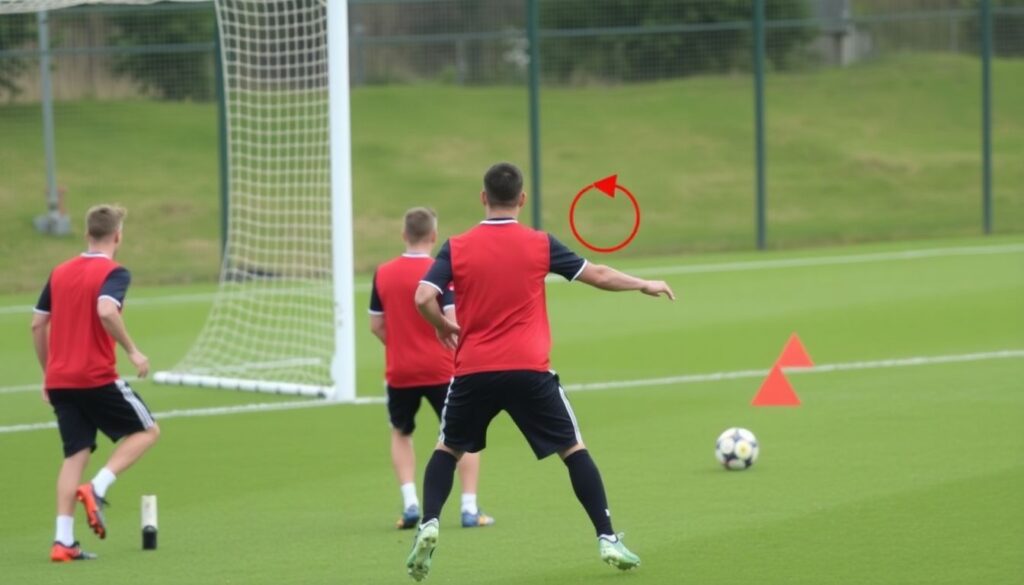
Use small-sided games where you always receive facing your own goal with an opponent pressing. Focus on scanning before the ball arrives and playing first- or second-touch passes to pre-agreed targets.
Do I need expensive technology to analyse my goalkeeper performances?
No. Start with simple video from behind the goal and a basic spreadsheet. Count passes under pressure, progressive passes and sweeper actions, then adjust your training using those numbers.
How should youth coaches in Turkey balance shot-stopping and foot skills?
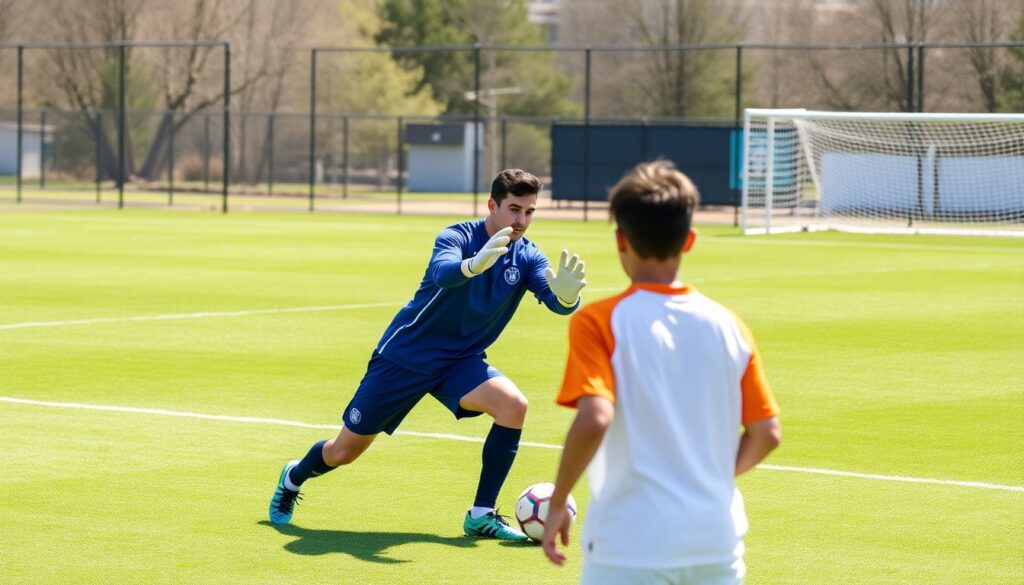
Split sessions so keepers always do some classic work (handling, diving, high balls) and some integrated play with the team. Prioritise decision-making quality over spectacular saves or long kicks.
What equipment choices help a modern goalkeeper most?
Choose boots that allow secure planting and precise passing, and gloves that grip well in local conditions. When using a goalkeeper kits and equipment shop online, read technical descriptions and reviews, not only look at colours.
Are European-style high lines always suitable for Turkish leagues?
Not always. Pitch quality, referee style and opponent tactics matter. Raise your defensive line and goalkeeper starting position gradually while monitoring chances conceded from long balls.