
From street football to stardom in Turkey usually means growing up on concrete pitches, being spotted in local tournaments, joining a club academy, then breaking into the Süper Lig and sometimes Europe. Limited resources are common, so creativity, community support, and alternative training methods matter as much as early talent.
How These Players Overcame Early Barriers
- They used streets, school yards, and empty plots as free training grounds instead of formal facilities.
- They joined neighborhood tournaments where scouts from local clubs quietly watched future prospects.
- They copied moves from TV and, later, online clips of the best turkish footballers of all time.
- They relied on volunteer coaches, older brothers, and amateur trainers when families could not afford academies.
- They moved step by step: district team, local club, academy, Süper Lig, then famous turkish football players in europe.
- They treated every friendly match as an exam, knowing one good game could change their career path.
Roots: Street Football Cultures in Turkish Neighborhoods
Street football in Turkey is a spontaneous, informal game played on concrete, dust, or artificial mini-pitches squeezed between apartment blocks. Goals are usually made from stones or school bags; teams form and change quickly, and age differences are ignored if the talent is obvious.
This culture shapes decision-making and technical skills. Players like Arda Turan, who grew up in Bayrampaşa in Istanbul, or Cengiz Ünder from Sındırgı, developed quick feet and close control because streets forced them to play in tight spaces under pressure. Many turkish football players success stories start exactly on such uneven surfaces.
Street football also builds resilience. Games do not stop for bad weather, hard tackles, or unfair calls. For young players from working-class districts, football is both entertainment and an escape. Before any academy badge, the identity is clear: a street player who refuses to leave the pitch.
- Use any safe open space as a “pitch” when formal facilities are unavailable.
- Prioritize small-sided games that force quick decisions and close control.
- Treat street matches seriously; build habits of discipline even in informal settings.
Talent Discovery: From Informal Games to Professional Scouting
Transforming street talent into a professional path in Turkey usually depends on how quickly a player becomes visible beyond the neighborhood. Visibility often starts with school tournaments, district competitions, and local amateur clubs that feed the professional academies of Istanbul, Ankara, Izmir, and Anatolian teams.
- School and district tournaments: Physical education teachers suggest promising players to district youth teams. Many turkish football talents to watch were first noticed in these simple events.
- Amateur clubs and weekend leagues: Local clubs in Istanbul or Anatolia organize youth leagues where Süper Lig scouts regularly appear. A player like Burak Yılmaz went through local setups before joining bigger clubs.
- Big club schools and satellite academies: Galatasaray, Fenerbahçe, Beşiktaş, and Trabzonspor run football schools that act as extended scouting networks, filtering thousands of kids into smaller elite groups.
- Regional selection camps: The Turkish Football Federation organizes camps where coaches compare talents from different cities, a crucial step for players from smaller towns.
- Informal recommendations and networks: Former players, local coaches, and even referees call scouts when they see someone special in a street tournament.
- Media and digital clips: Nowadays, short highlight videos from youth tournaments or even a documentary about turkish football players can increase attention around a specific youngster.
For families with limited money, targeting nearby amateur clubs and school competitions is the most realistic first step. Travel to major cities often comes later, once a clear invitation arrives from a known academy.
- Compete in every serious school and district tournament available.
- Join a stable local club that regularly participates in organized leagues.
- Keep simple video clips of matches to share with coaches and scouts when opportunities appear.
Training Against the Odds: Improvised Drills, Coaches, and Mentors
Many well-known Turkish players built their base skills without perfect pitches or private trainers. Nuri Şahin, raised in Lüdenscheid but representing Turkey, grew up splitting time between school, street games, and structured youth sessions, showing how informal repetition plus basic coaching can combine effectively.
In Turkey, improvised training is common: using building walls for passing, staircases for stamina, and street lamps for late-evening juggling practice. Players like Emre Belözoğlu and Hamit Altıntop often mention long hours spent repeating the same basic moves, not fancy drills. For youths with limited resources, consistency matters far more than equipment.
Mentorship is another hidden resource. Older players in the mahalle, retired amateurs, or school coaches act as unofficial advisors. They share stories of the best turkish footballers of all time and show how those stars trained when they were unknown kids, proving that extra discipline is possible even without paid academies.
- Use walls, stairs, and simple cones or plastic bottles to build technical drills.
- Ask older, more experienced players for feedback and small corrections weekly.
- Focus on repeating a few essential skills daily instead of chasing complex exercises.
Breakthrough Moments: Defining Matches and Academy Calls
Breakthrough moments are usually a mix of preparation and timing. Arda Turan’s rise from Galatasaray’s youth system to the first team included specific matches where his creativity and bravery against stronger opponents convinced coaches to fast-track him. One standout performance in a youth derby can radically shift internal evaluations.
Similarly, Cengiz Ünder’s move from Altınordu to Başakşehir and then to Europe followed a sequence of key games where he showed he could decide results under pressure. For many, these breakthroughs arrive in youth league finals, regional tournaments, or friendly games against bigger clubs, where scouts can compare talents directly on the same pitch.
Advantages of Breakthrough Performances

- Accelerate promotion from youth teams to reserve or first teams.
- Attract interest from multiple clubs, giving the player choices instead of a single path.
- Build confidence and a reputation as a “big-game” player able to handle pressure.
Limitations and Risks of Relying on Big Moments
- One good match can be overvalued; long-term consistency still decides career length.
- Players may chase highlights instead of making the right decisions for the team.
- Pressure from sudden attention can distract from daily training and development.
- Prepare for every match as if a key scout is watching, regardless of competition level.
- Focus on team contribution and decision-making, not only on spectacular actions.
- After a big performance, return quickly to normal training routines and habits.
Adapting Abroad: Transitioning into European Clubs and Systems
When Turkish players move to Europe, they face new tactical demands, faster tempo, and a different football culture. Famous turkish football players in europe like Hakan Şükür, Hamit Altıntop, and Nuri Şahin each needed time to adjust to training intensity, nutrition, and discipline in Germany, Italy, or Spain.
Many mistakes and myths repeat across generations. Youngsters imagine that reaching a big European club means the hard part is over, but in reality, internal competition is even tougher. Misreading this environment can lead to short contracts and early returns home.
- Myth: Technique is enough.
Reality: European coaches demand tactical discipline, pressing, and positional intelligence, not only flair learned in street football. - Myth: Language is secondary.
Reality: Players who learn the local language quickly understand instructions, tactics, and dressing-room culture far better. - Myth: Training methods are similar to Turkey.
Reality: Load management, GPS tracking, and video analysis change how, when, and how long players work. - Mistake: Sticking only with Turkish friends abroad.
Consequence: Slower integration into the team and limited trust from foreign teammates and staff. - Mistake: Ignoring nutrition and recovery routines.
Consequence: Preventable injuries and fatigue that reduce chances to impress in training.
- Study the tactical style and culture of any European club before signing.
- Invest early in language learning and off-pitch integration to earn trust.
- Follow club nutrition and recovery plans strictly, especially in the first season.
Legacy and Influence: What Their Journeys Mean for Future Generations
Stories of Turkish players who rose from street games to elite clubs now function as a roadmap for younger kids. When a child in Gaziantep or Izmir watches turkish football players success stories or a new documentary about turkish football players, the message is simple: your neighborhood is a starting point, not a ceiling.
Consider this short case-style pattern many careers share:
street_games()
  -> local_school_team()
  -> amateur_club()
  -> big_city_academy()
  -> super_lig_debut()
  -> european_transfer()
Each arrow hides years of repetition, setbacks, and small improvements. Stars become role models, showing how limited resources can be balanced by creativity and relentless practice. Their visibility also helps coaches and scouts search more actively in smaller cities, widening the pool of turkish football talents to watch.
- Study real career paths of Turkish players rather than relying on myths of overnight success.
- Use local role models to motivate consistent effort in training and school.
- Share knowledge and opportunities with younger players to continue the cycle.
Self-Check: Are You Using These Lessons in Your Own Journey?
- Do you train regularly using whatever safe space and simple equipment you have right now?
- Are you entering school, district, or amateur competitions where real scouts might watch?
- Have you asked an experienced coach or older player to mentor and correct you?
- Are you preparing for both football demands and life skills like language and discipline?
- Do you treat every match as a potential breakthrough without losing focus on long-term consistency?
Practical Questions About the Path from Streets to Pros
Can a player from a small Turkish town really reach a top European club?
Yes, but it usually requires moving step by step: local team, regional competitions, a stronger academy in a bigger city, then Süper Lig, and only after that Europe. Scouts now watch more regions than before, so consistent performance matters more than birthplace.
How important is joining a big Istanbul club at a young age?
It helps, but it is not the only route. Many professionals came through Anatolian clubs before moving to giants like Galatasaray or Fenerbahçe. Regular minutes and good coaching at 14-18 can be more valuable than a famous badge without playing time.
What should families do if they cannot afford academy fees or travel?
Focus on free or low-cost options: school teams, municipal sports programs, and nearby amateur clubs. Build a record of match experience, then use simple video clips and recommendations from teachers or local coaches to reach bigger clubs when the time is right.
Is street football still useful now that academies are more professional?
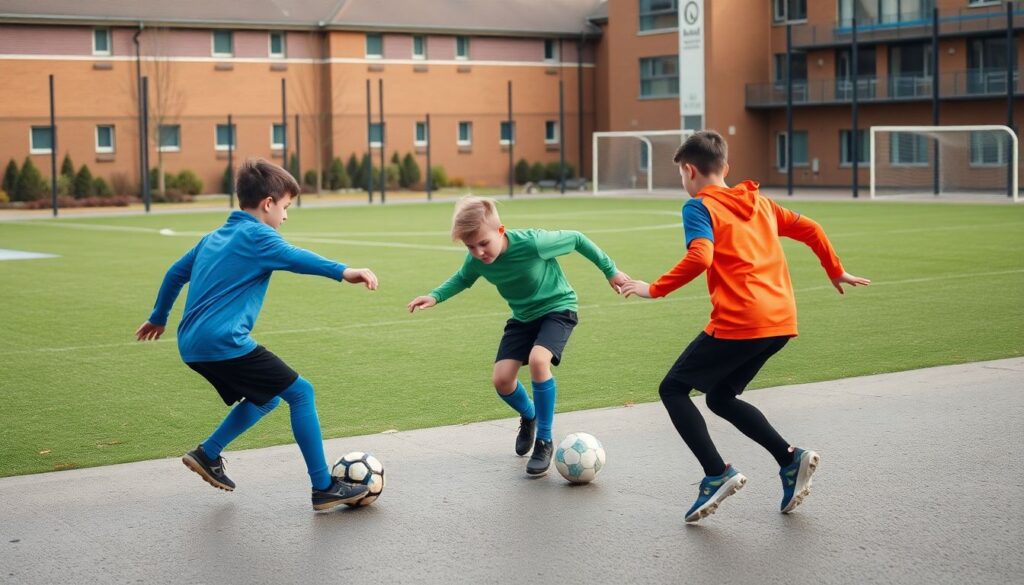
Yes, as long as safety is respected. Street or small-sided games develop creativity, quick decisions, and ball mastery. The ideal mix is both: unstructured play for flair plus structured academy training for tactics, fitness, and discipline.
How can a young player get noticed without personal connections?
Consistently perform well in competitive matches, not just friendlies. Make sure coaches enter your team into official tournaments and leagues. A short, honest highlight video and a clear training history also help when contacting clubs or attending open trials.
What age is too late to start taking football seriously?
Starting after early childhood reduces time to master technical skills, but teenagers can still progress with focused, daily work. The key is honest evaluation: if a player begins later, they must train smarter, make good club choices, and develop strong physical and mental habits quickly.
Should young players copy the style of a specific Turkish star?
Studying a role model is useful, especially someone in a similar position, but complete imitation is risky. Every player has different physical and mental strengths, so it is better to learn principles from stars and then adapt them to your own profile.