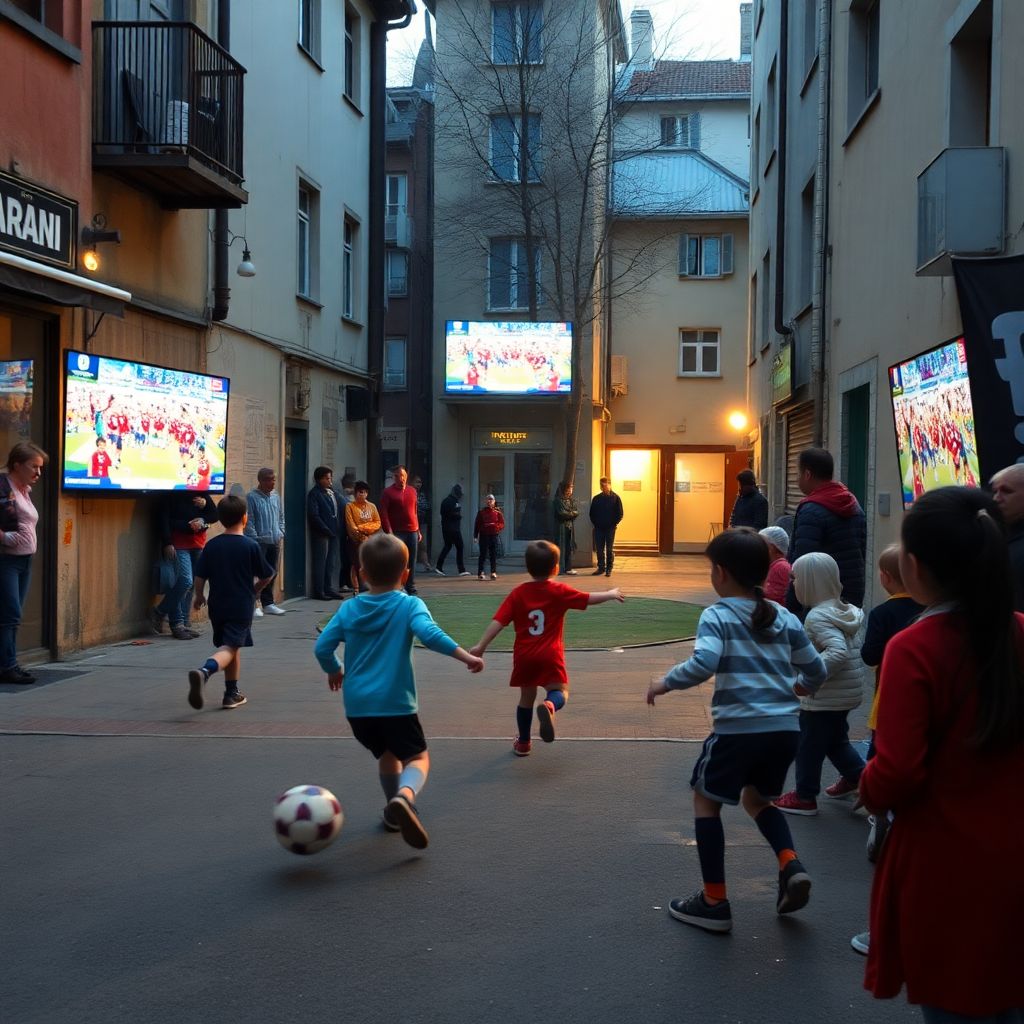
Growing up with football in Turkey means learning the game everywhere: on tight streets, schoolyards, small pitches, and in front of noisy televisions on derby days. It blends play, family loyalty, local identity, and ambition, shaping how children move from informal street matches toward organized clubs and stadium culture.
Essence of the Game in Turkish Childhood
- Football is a daily social language, not only an organized sport.
- Street play and small informal pitches build creativity and resilience.
- Family and neighborhood loyalties transfer directly into club allegiance.
- School teams and academies formalize dreams that begin on the street.
- Matchday rituals and Turkish football fans culture teach belonging and rules.
- Urban change and digital media now reshape access and role models.
Persistent Myths About Football Upbringing in Turkey
Many people imagine football culture in Turkey as either pure chaos on the streets or pure professionalism in big club academies. Reality sits in between: an everyday ecosystem where informal and formal environments constantly overlap and feed each other.
Myth one: street football in Turkey only teaches bad habits and aggression. In practice, it is where children learn to negotiate space, manage conflict without adults, invent rules, and adapt to uneven surfaces. These skills later support positional sense, balance, and game intelligence in more structured settings.
Myth two: you must enter a big club academy very early or your chance is lost. Turkish football history and traditions show many players who moved later from local teams, school tournaments, or municipal clubs once they developed basic technique and discipline. Early exposure helps, but late bloomers are common.
Myth three: being a fan of a big club automatically harms objectivity and development. For children growing up with football in Turkey, strong club allegiance can be a motivation engine, not only a bias. The practical issue is not the emotion itself but whether parents and coaches can separate support for a badge from pressure on the child.
Practical implications: do not romanticize the street or demonize the academy. Map how each child actually spends their football week: unstructured play, school sport, club training, watching matches, and social media. Then strengthen whichever part is missing instead of trying to replace the others.
Neighborhood Pitch: Street Football as Social Schooling
Street and small neighborhood pitches act as an everyday classroom where children internalize unwritten rules of football and community. This layer of football culture in Turkey is crucial for social and emotional learning, not just for tricks and technical flair.
-
Self-organization without adults
Kids pick teams, set match length, decide fouls, and resolve disputes. This trains leadership, negotiation, and emotional control that no drill can fully simulate. Encourage your child to take responsibility in these games, not only to participate. -
Creative problem-solving in tight spaces
Cars, walls, and uneven ground force quick decisions, first touch quality, and improvisation. Many attacking instincts in Turkish players come from this environment. Support street play with simple ground rules for safety rather than banning it entirely. -
Inclusive age and skill mixing
Older kids protect or test younger ones, and weaker players learn by copying stronger ones. This creates natural mentoring that formal teams cannot always provide. Ask children what they learn from older players instead of only asking about results. -
Conflict, fairness, and informal justice
Arguments about handballs, penalties, or who plays next teach basic justice and compromise. Parents should resist the urge to interfere in every disagreement and instead discuss later how the child handled the situation. -
Micro-identity and local pride
Teams form by street, school, or building; victories create small legends. These micro-identities later connect with larger club identities in stadiums. Use this pride to promote respect for other neighborhoods rather than rivalry that becomes hostile. -
Low-cost, high-frequency practice
Even when families cannot pay club fees, daily street play keeps the ball at a child’s feet. Combine this with simple home routines such as wall passes or juggling to convert casual play into consistent skill growth.
Family Networks, Club Allegiance and Local Identity
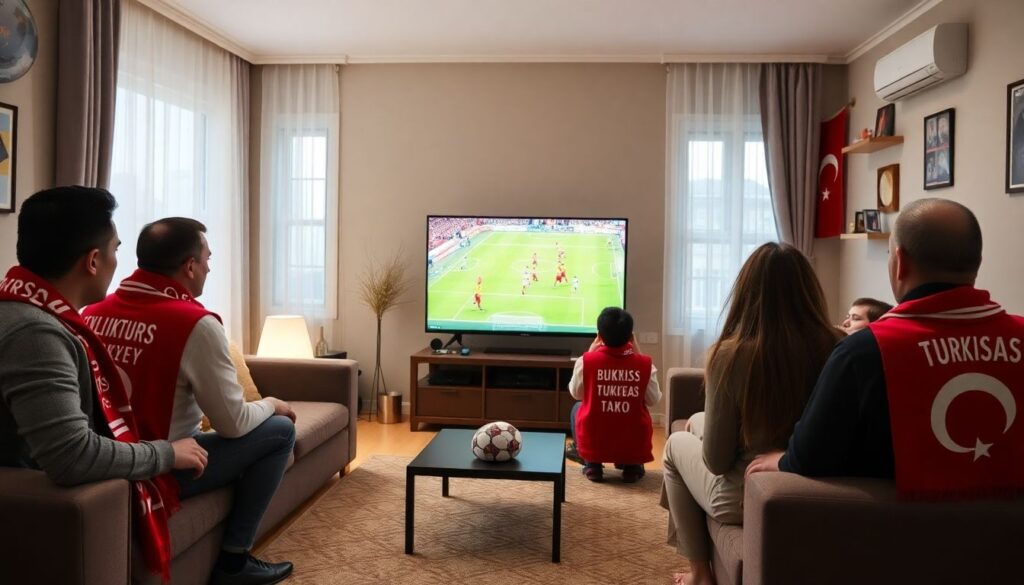
Family habits strongly shape how a child experiences Turkish football fans culture. Understanding these patterns helps parents and coaches use emotion constructively instead of letting it create toxic pressure or exclusion.
-
Derby households and emotional education
In homes where big derbies stop everything, children learn early how adults express disappointment, anger, and joy. Parents can model healthy reactions by separating criticism of a match from respect for players and opponents. -
Uncle, cousin and neighbor networks
Many registrations to local clubs happen because an older relative already plays or knows a coach. These social bridges are valuable, but they can also hide talented kids whose families have no such connections. Coaches should actively scout school and street games, not only known families. -
Local club as community anchor
District or village clubs often serve as a shared symbol, especially outside big cities. Children wearing that shirt feel they represent their area. Parents can support this by attending matches together and helping with small tasks such as transport or equipment, reinforcing belonging. -
Mixed allegiances: local vs big three
A child may support a giant club on television and a small local team in person. This is not confusion but a healthy layering of identity. Use big club heroes as inspiration while reminding the child that their immediate team deserves the same respect and effort. -
Cultural values transmitted through football talk
Discussions about fairness, loyalty, and hard work often appear first through match debates at home. Adults can consciously use these moments to connect behaviors seen on the pitch with school, friendship, and responsibility. -
Migration stories and new roots
Families who moved from another region sometimes keep their original club while their children adopt the local one. Accept this dual identity and turn it into a bridge to talk about history, city differences, and respect for diverse backgrounds in the squad.
From Schoolyards to Academies: Formal Talent Routes
Structure matters once a child shows consistent interest. The pathway usually moves from physical education classes and school competitions to municipal programs, local clubs, and finally more selective academies. Each layer adds organization and expectations while narrowing opportunities.
Advantages of Structured Football Pathways
- Regular training schedules build discipline, physical conditioning, and technical repetition.
- Qualified coaches can correct harmful movement patterns and teach basic tactics safely.
- Matches against varied opponents reveal strengths and weaknesses more clearly than only street play.
- Medical checks, insurance, and safer facilities reduce avoidable risks, especially for growing bodies.
- Being part of a school or club team supports time management, teamwork, and planning skills useful beyond football.
Limitations and Common Pitfalls of Formal Routes
- Overemphasis on short-term results can limit creativity, especially in younger age groups.
- Selection often favors early-maturing children, making late bloomers feel excluded or inferior.
- Training schedules can conflict with schoolwork and family time if not coordinated carefully.
- High expectations built by uniforms and badges may increase pressure and fear of failure.
- Access to quality academies is unequal, with many talented children living far from strong infrastructures.
Practical takeaway: do not rush. For most children, balanced participation in school sport, local clubs, and free play is more valuable than an early jump into the most prestigious academy.
Matchday Rituals, Superstitions and Community Traditions
Turkish football history and traditions are rich in rituals: lucky jerseys, pre-match meals, specific seats in front of the television or in the stadium, and chants repeated over generations. These habits make football emotionally powerful, but they also create misunderstandings when adults forget that children interpret signals very literally.
-
Believing rituals create performance instead of preparation
Wearing lucky socks or entering the pitch with a specific foot can be fun, but it must not replace proper sleep, hydration, and warm-up. Teach kids that routines support focus; they do not magically decide the result. -
Overdramatizing defeats in front of children
When adults shout, break objects, or insult players after a loss, kids may learn that losing is a catastrophe. Model disappointment as a normal part of sport, and use calm debriefs to talk about effort and learning. -
Hostile chanting framed as passion
Aggressive language in stadiums or living rooms can be presented as tradition. Children who copy it may carry the same hostility to school and local pitches. Clarify that supporting passionately does not require humiliating others. -
Excluding girls and younger siblings from match rituals
Treating matchdays as a male-only event limits who feels football belongs to them. Make simple adjustments: rotate who chooses snacks, explain rules patiently, and invite all children to share the experience. -
Confusing fanaticism with loyalty
Blind loyalty to a club, no matter what, can make children think critical thinking is betrayal. Encourage them to admire effort and fair play, not only colors and trophies.
Practical implication: use matchdays as a training ground for emotional regulation, respect, and inclusion, not only as entertainment.
Modern Pressures: Urban Change, Media Influence and Inclusion
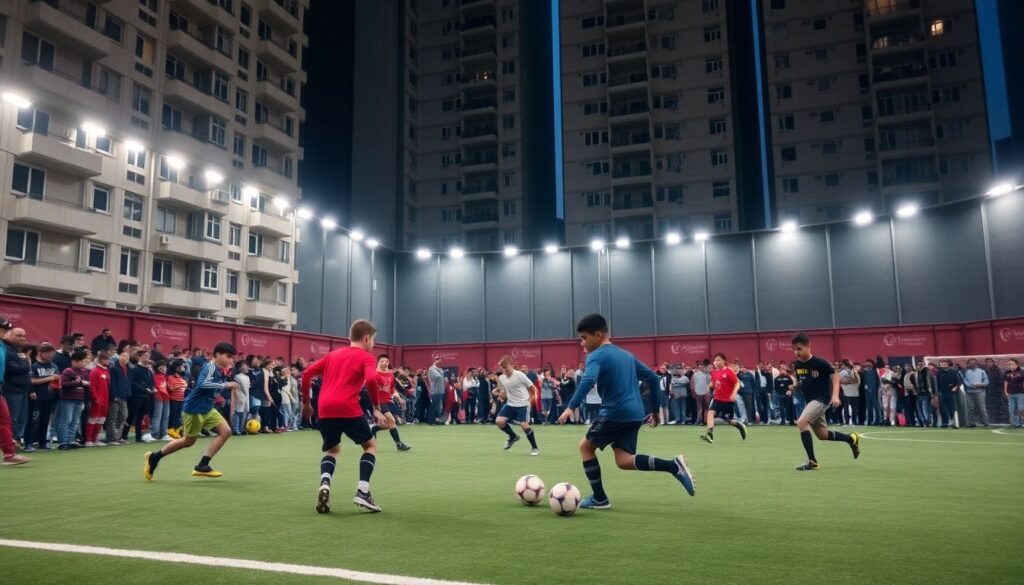
Urbanization, traffic, and dense living spaces have reduced free areas for street football in Turkey, pushing more play into indoor pitches and organized settings. At the same time, social media and global broadcasting expose children to foreign leagues and stars, changing their dreams and benchmarks.
Digital content can inspire skill learning but also create unrealistic expectations that every talented child must reach professional level. Inclusion remains a challenge: girls, children with disabilities, and those from low-income neighborhoods often face structural barriers to facilities, equipment, and safe play spaces.
A simple practical scenario illustrates how families can adapt modern conditions while protecting the core benefits of growing up with football in Turkey:
- Map one week: note when the child plays freely, trains formally, watches matches, and uses football-related media.
- Identify gaps: maybe no free play, no physical education, or no social games with mixed ages or genders.
- Adjust environment: schedule regular small-sided games with neighbors, negotiate safe times and places, or share transport with other parents to municipal pitches.
- Guide media use: for every highlight video watched, add a short, focused practice outside, such as wall passes or ball control drills.
- Promote inclusion: invite girls and less experienced kids into casual games, and support community initiatives that open access to facilities.
Used consciously, modern tools and city infrastructures can extend, not replace, the deep community roots of football culture in Turkey.
Concise Practical Guidance for Parents, Coaches and Organizers
How can parents balance education and football ambitions?
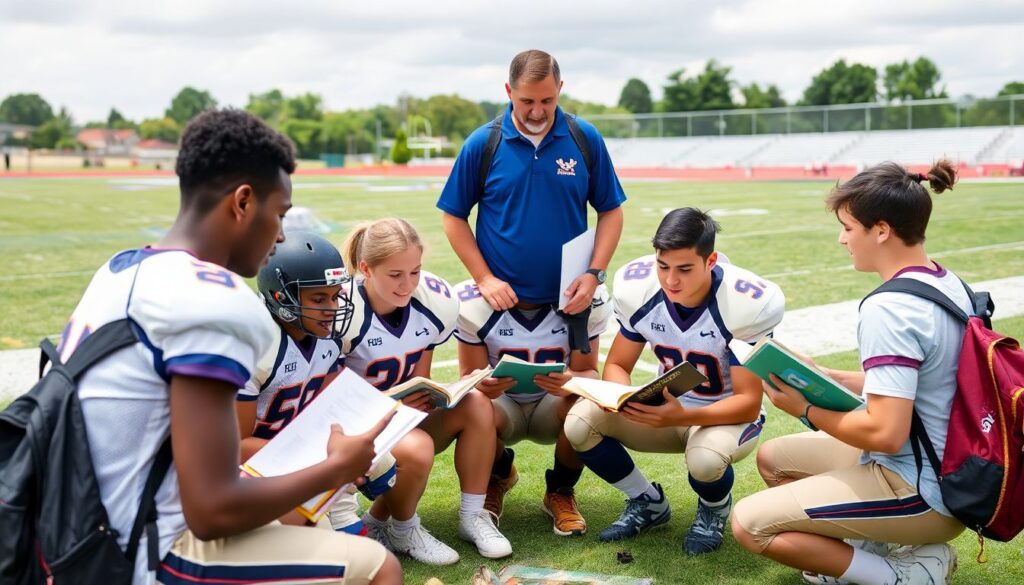
Treat football as a complement, not an enemy, of school. Agree on minimum study routines before or after training, and involve coaches so they know exam periods and can adapt expectations temporarily.
What age is reasonable to start in a club or academy?
Informal play can start as early as the child enjoys it safely. Club environments often become productive when children can follow basic instructions and concentrate for a full session, which typically happens in primary school years.
How should coaches use street-style creativity in structured training?
Design small-sided games and free-play blocks inside training where risks and improvisation are encouraged. Then connect those creative moments to simple tactical principles so players know when and where to try them.
What can organizers do to support safer neighborhood play?
Work with local authorities to open schoolyards after hours, mark small pitches, add basic lighting, and create community schedules that prioritize youth play hours over adult rentals.
How can families reduce negative fan influence on children?
Set clear rules about language during matches, avoid insulting players or rivals, and use post-match conversations to focus on effort, teamwork, and sportsmanship rather than only on winning or referee decisions.
How should children handle pressure from relatives who are passionate fans?
Encourage them to express their own preferences calmly and remind relatives that support should be about the child’s enjoyment and growth, not about a club’s reputation.
What role does watching matches live or on TV play in learning?
Watching football is useful if it is active, not passive. Ask children what positions they observe, how teams press or defend, and which decisions they would copy in their own games.