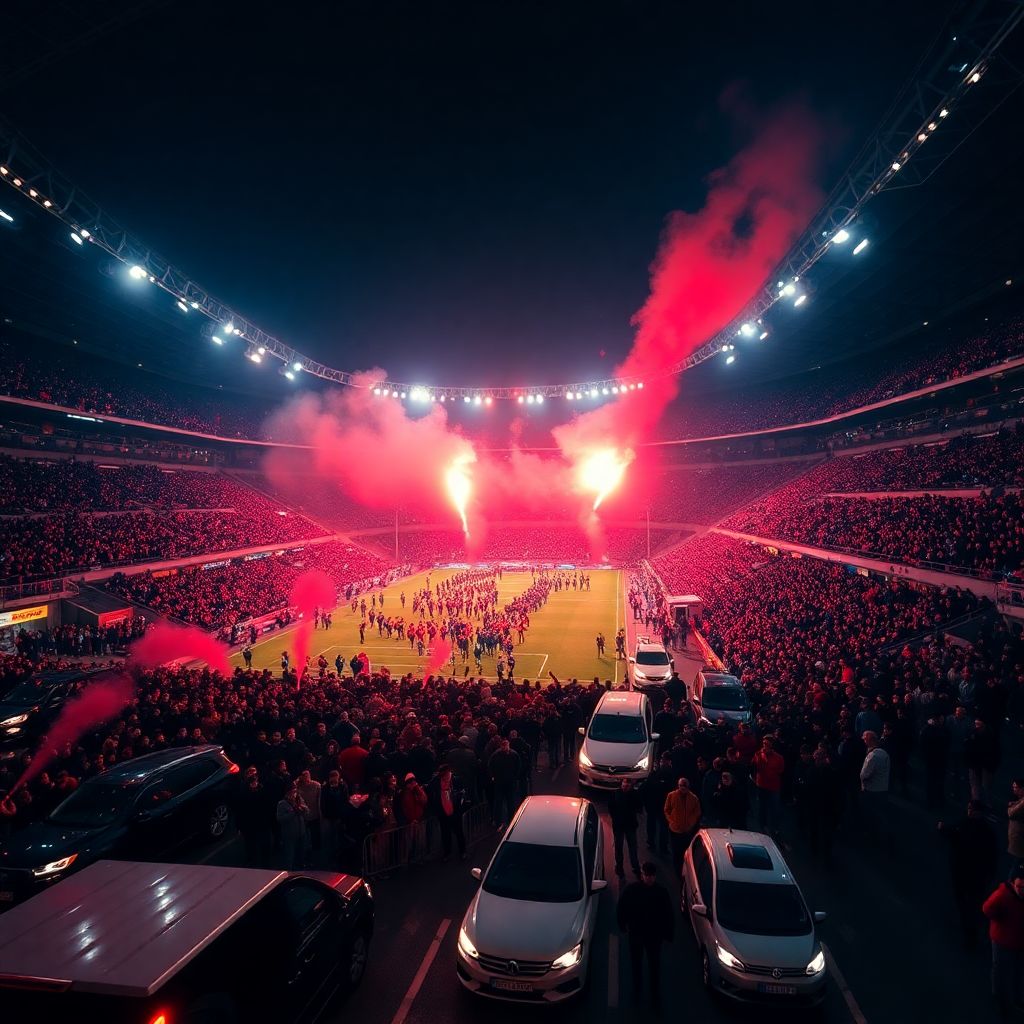
Istanbul is one of Europe’s most intimidating away destinations because football is woven into city identity, three giant clubs share fierce rivalries, and modern stadiums amplify continuous noise. Add heavy traffic, complex logistics, intense policing and choreographed fan displays, and visiting teams face both football and non‑football pressure from arrival to departure.
Why Istanbul Feels Like a High-Risk Away Venue
- Three mega-clubs in one city create layered rivalries and permanent tension around big games.
- New stadium designs trap and magnify sound, making instructions and composure harder for visitors.
- Logistical friction – traffic, two continents, unfamiliar neighbourhoods – increases fatigue and stress.
- Highly organised ultras coordinate choreography, noise, and psychological pressure on opponents.
- Derbies and European nights attract heavier policing and stricter control, which visiting squads must navigate.
- Weather swings, late kick-offs, and variable pitch conditions make tactical adaptation essential.
- Budget constraints can magnify all these factors if clubs cut corners on travel, hotels, or preparation.
Historical and Cultural Roots of Intense Home Support
To understand why Istanbul has become one of Europe’s most intimidating away destinations, start with how deeply football is embedded in local identity. Galatasaray, Fenerbahçe and Beşiktaş are not just clubs; they function as social markers of neighbourhood, family history and even political outlook for many residents.
The city’s long tradition of derbies, especially Galatasaray-Fenerbahçe, has normalised extremely high emotional stakes. Generations have grown up with stories of legendary comebacks, hostile atmospheres and hostile away trips. This narrative feeds the expectation that a home crowd must actively influence the result, not just watch it.
European nights have strengthened this culture. Iconic Istanbul comebacks and major finals hosted in the city have built a reputation that local fans are proud to defend. For many supporters, intimidating visiting sides is part of protecting the city’s football status in Europe, not merely backing their own team.
The result is a culture where singing, choreographies, and sustained noise are obligations rather than options. When visiting clubs look for champions league istanbul tickets or plan for European ties, they are buying into this history of intentional, organised home advantage, not a neutral stage.
Stadium Environments: Acoustics, Layouts, and Crowd Dynamics
Istanbul’s major stadiums are built and managed to maximise the sense of pressure on visiting teams. Several design and operational choices contribute directly to the intimidating feeling.
- Steep stands and proximity to the pitch
Short distances between stands and touchlines make noise feel close and personal. Even routine touches are loudly judged, and substitutes warming up are constantly within earshot of vocal groups. - Roof structures that trap sound
Continuous singing becomes a physical presence as roofs reflect and concentrate volume. Communication between defenders and goalkeepers often breaks down, forcing teams to fall back on pre-planned signals. - Dedicated ultra sections
Behind-goal sections host the most coordinated groups, who set the tempo for the rest of the stadium. Drums, megaphones and pre-arranged chants ensure there are no quiet periods that visiting sides can use to reset. - Away-fan positioning
Away sections are usually placed high or in corners, heavily segregated. This reduces visual and acoustic support for visitors and lets home fans surround them from multiple sides. - Lighting, pyrotechnic culture and visuals
Large banners, coordinated colours and sometimes pyrotechnics make the pitch feel like a stage controlled by home supporters. Players can feel visually isolated if their team colours are drowned out by a sea of home scarves and flags. - Matchday sound management
Club media teams and PA systems actively build atmosphere before kick-off with club songs, highlight reels and coordinated chants, priming the stadium well before teams emerge.
For visiting fans using istanbul football away days packages, these stadium characteristics are often a selling point. For players and staff, they are risk factors that must be planned for: non-verbal communication, standard set-play calls, and mental rehearsal of noise are no longer optional extras.
Travel, Accommodation and Matchday Logistics for Visiting Teams
Istanbul’s layout, traffic and scale can drain visiting squads before they even reach the stadium. The city straddles two continents, with major bridges and tunnels acting as potential choke points on matchday. Incorrect hotel or training-ground choices can double transfer times and cut into rest and recovery.
Clubs with large budgets often use bespoke istanbul football travel package from uk providers or in-house logistics teams to handle charter flights, private terminal access, and controlled coach routes. Smaller clubs, or national teams with limited support staff, need more realistic, resource-aware options.
Common logistical scenarios for visiting teams
- Short-notice European tie with minimal staff
A club qualifies unexpectedly and scrambles arrangements. Instead of a fully tailored package, they may rely on a standard travel agency plus club staff. In this case:- Prioritise a hotel with easy access to both airport and stadium over luxury extras.
- Contact the host club early for recommended routes and estimated transfer times.
- Schedule a light activation session at a nearby facility instead of a full training-ground visit across the city.
- Weekend league game squeezed between European fixtures
Fatigue and time pressure are high. To protect players:- Choose flights that align with usual sleep patterns rather than saving small amounts of money.
- Limit media and sponsor events on arrival day.
- Use staff to pre-check stadium routes and dressing-room layout while players stay at the hotel.
- Budget-conscious national team assignment
Federations sometimes book standard group hotels rather than the best hotels near istanbul football stadiums. When budgets are tight:- Focus on quiet floors and guaranteed meeting spaces rather than brand name.
- Negotiate flexible meal times with the hotel to match kick-off and training.
- Use public mapping tools and local federation contacts to cross-check travel times at matchday hours.
- Fan travel linked to team logistics
When a club sells istanbul football away days packages directly to supporters, operations are intertwined. Coordinating fan coaches or charter flights with the team’s movements can ease policing demands and reduce delays around the stadium. - High-demand European fixture
For matches driving demand for champions league istanbul tickets, accommodation and transport options near stadiums fill up early. Clubs should secure block bookings well in advance, even if they must release some rooms later.
Across all scenarios, limited-resource teams gain the most by investing in information rather than luxury: accurate maps, reliable local contacts, and briefed drivers can offset many disadvantages caused by budget or staffing gaps.
Security Landscape: Policing, Rivalries, and Incident Patterns
Security in Istanbul is heavily shaped by club rivalries and the city’s status as a major European host for high-profile games. Police forces are practiced at managing derbies and European nights, but visiting teams must understand both the strengths and limits of this system.
Strengths of the existing security approach
- Experienced matchday commanders who regularly handle high-tension events, including Istanbul derbies and continental fixtures.
- Structured communication channels between host clubs, police and visiting sides regarding escort timings, routes and dressing-room zones.
- Clear segregation of home and away supporters, especially for high-risk games such as those generating intense demand for istanbul derby tickets galatasaray fenerbahce.
- Use of CCTV, entrance searches and controlled perimeters around stadiums to limit prohibited items.
- Capability to adjust resource levels quickly when European fixtures or finals significantly raise risk profiles.
Limitations and practical challenges for visiting teams
- Heavy security presence can itself feel intimidating to players and staff, particularly during escorted transfers and tunnel movements.
- Crowd-management decisions are optimised for public safety, not team comfort; this can mean extended waiting times on buses or in holding areas.
- Language barriers may slow real-time problem solving if clubs have not arranged interpreters or bilingual liaisons.
- Lower-budget teams might lack dedicated security officers to interact effectively with police and stewards.
- Spontaneous fan gatherings near team hotels can be hard to predict, especially when local supporters seek autographs from star players.
Teams with limited resources can mitigate these challenges by appointing one staff member as a de facto security coordinator, tasked with consolidating all contact details, escort times and stadium maps into a single, simple briefing document for the squad.
Environmental and Tactical Factors: Pitch, Weather, and Scheduling
Beyond culture and security, environmental details make Istanbul away days uniquely challenging. Weather can turn quickly between warm, humid conditions and cold, rainy evenings. Late kick-offs typical for European competitions interact with local traffic and fan patterns in ways visiting teams often misjudge.
Common misconceptions and avoidable mistakes
- Assuming all Istanbul pitches play the same
Grass length, watering patterns and sub-surface firmness can vary between stadiums. Teams that rely heavily on short passing should rehearse contingency plans for slightly slower or more uneven surfaces rather than expecting perfect similarity. - Underestimating humidity and air quality
Evening humidity can affect perceived effort and breathing, especially for players with limited experience in coastal megacities. Conditioning staff should adapt warm-ups and hydration protocols instead of running a standard pre-match routine. - Mis-timing pre-match meals
Late local kick-offs combined with long bus transfers can throw off nutrition schedules. Clubs on tight budgets may lean on generic hotel meal times, but need to renegotiate if necessary to align with performance windows. - Expecting quiet build-up around the hotel
Some teams choose central hotels for convenience, only to find themselves surrounded by nightlife and traffic noise. When the very best hotels near istanbul football stadiums are not affordable, a simple, less central but quieter property may be a better tactical choice. - Overloading players with fear-based briefings
Sharing horror stories about intimidating atmospheres can backfire. Staff should balance realism with practical coping strategies, emphasising controllable factors rather than amplifying anxiety. - Ignoring recovery logistics
Post-match, slow stadium exits and airport transfers can extend the day. Without planning for late meals, stretching space and sleep support, recovery for the next fixture suffers more than necessary.
Preparation Playbook: Practical Measures for Coaches and Staff
Turning concept into practice means translating Istanbul’s specific risks into concrete actions, including low-cost options for clubs with limited budgets. The following checklist can be adapted by professional teams, federations and even organised supporter groups planning combined trips.
Compact preparation checklist for Istanbul away matches
- Map the journey in realistic matchday conditions
- Use local kick-off time and typical rush-hour windows to estimate travel from airport to hotel and hotel to stadium.
- If budget allows, coordinate with providers of istanbul football travel package from uk or similar services for updated routing advice.
- On limited resources, rely on local federation guidance and test drives by staff or trusted drivers the day before the match.
- Design a communication plan for noise
- Agree simple hand signals for pressing triggers, set-pieces and formation shifts.
- Run at least one training session with artificial crowd noise so players experience communication limits.
- Use visual aids (brief tactical cards, pre-agreed touchline signals) as back-ups when verbal instructions fail.
- Tailor mental preparation to the Istanbul context
- Show players short, focused clips of Istanbul atmospheres along with examples of teams coping well, not just suffering.
- Encourage routines that anchor players – specific warm-up timings, breathing techniques, and clear first-15-minute game plans.
- For lower-league or youth players on their first major trip, assign senior mentors to check in individually.
- Align security and welfare responsibilities
- Nominate a single staff member to own all contact with police, stewards and club security.
- Prepare a concise one-page brief with escort times, entry gates, dressing-room locations and emergency contacts.
- Share this brief with players and essential staff only, reducing confusion and rumour.
- Optimise accommodation within budget
- If top-tier business hotels are unaffordable, prioritise quiet location, blackout curtains and flexible catering over brand prestige.
- Coordinate with any club-run istanbul football away days packages so team and fan operations do not clash in reception or lifts.
- Visit or virtually inspect candidate hotels; pay attention to meeting rooms, gym access and coach parking more than decor.
- Plan for recovery before departure
- Pack portable recovery tools – foam rollers, bands, basic nutrition – in case stadium or hotel facilities fall short.
- Schedule a short, structured recovery block immediately after full-time before media duties expand.
- Adjust travel home to allow at least some sleep in line with players’ usual rhythms when possible.
Mini-scenario: applying the playbook on a tight budget
Imagine a mid-table European club drawn away to Istanbul. The budget does not cover private charters or five-star hotels. Staff choose a clean, mid-range hotel slightly outside the nightlife zones, secure early dinner flexibility, and rehearse sign-based communication twice before travel.
They run one video session on Istanbul atmospheres, highlighting calm responses from experienced teams. A single coordinator handles all security liaison. Travel is timed to avoid peak traffic, even if that means arriving earlier at the stadium. The result is not luxury, but controlled, predictable conditions in a famously unpredictable city.
Operational Clarifications for Visiting Teams
How early should a visiting team arrive in Istanbul before a high-profile match?
Arriving at least one full day before the game is advisable, allowing time for one stadium visit or light training plus adaptation to local traffic patterns. Clubs with tighter budgets should still avoid same-day arrival, as delays across the city can easily disrupt pre-match routines.
Is it essential to stay in a hotel very close to the stadium?
Not necessarily. Many teams prefer quieter areas with reliable transfer routes over immediate stadium proximity. A 20-40 minute predictable coach ride can be better than a short but congested journey from a central, noisy location.
How should staff brief players on security measures without creating anxiety?
Focus on practical instructions: where to be, when to move, who to follow. Emphasise that escorts, searches and visible police are routine and designed to protect them. Avoid dramatic language and keep briefings short, specific and evidence-based.
Do visiting clubs need to coordinate with local fan travel or tour packages?
If the club sells or endorses istanbul football away days packages, coordination helps. Aligning team and supporter schedules can simplify police planning and reduce bottlenecks around the stadium. If fans travel independently, basic communication about meeting points and timings is still useful.
What is the best way to manage ticketing for supporters at big Istanbul matches?
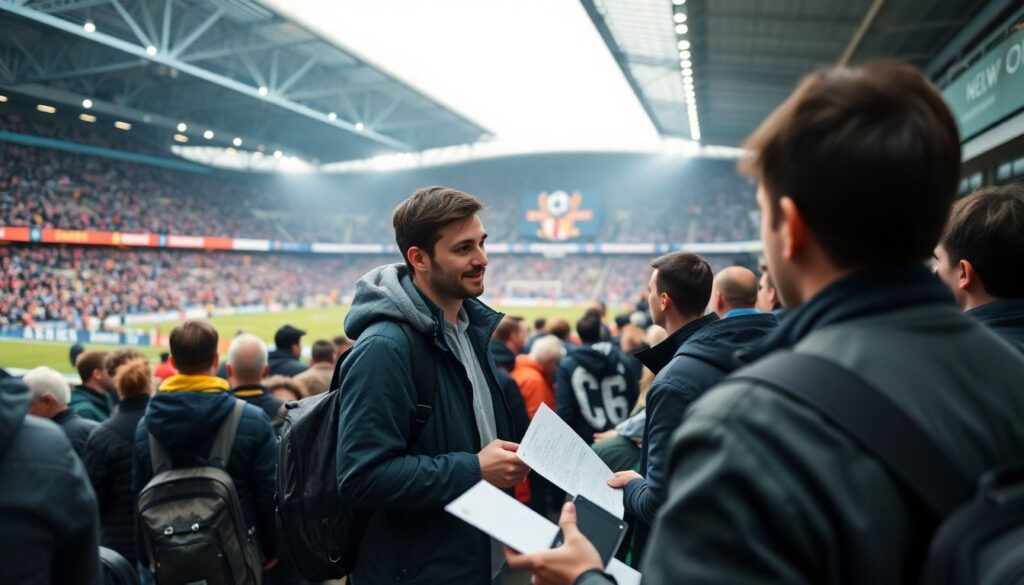
Work closely with the host club’s ticket office to define away allocations, entry gates and ID requirements. For high-demand games, including istanbul derby tickets galatasaray fenerbahce, provide clear guidance early on documentation, collection points and any local regulations affecting away fans.
How can smaller clubs simulate Istanbul’s atmosphere in training?
Use speakers or recorded crowd noise during tactical drills, enforce communication limits in selected exercises and rehearse hand-signal systems. Even basic tools can familiarise players with the feeling of shouting without always being heard.
Are organised city tours compatible with serious match preparation?
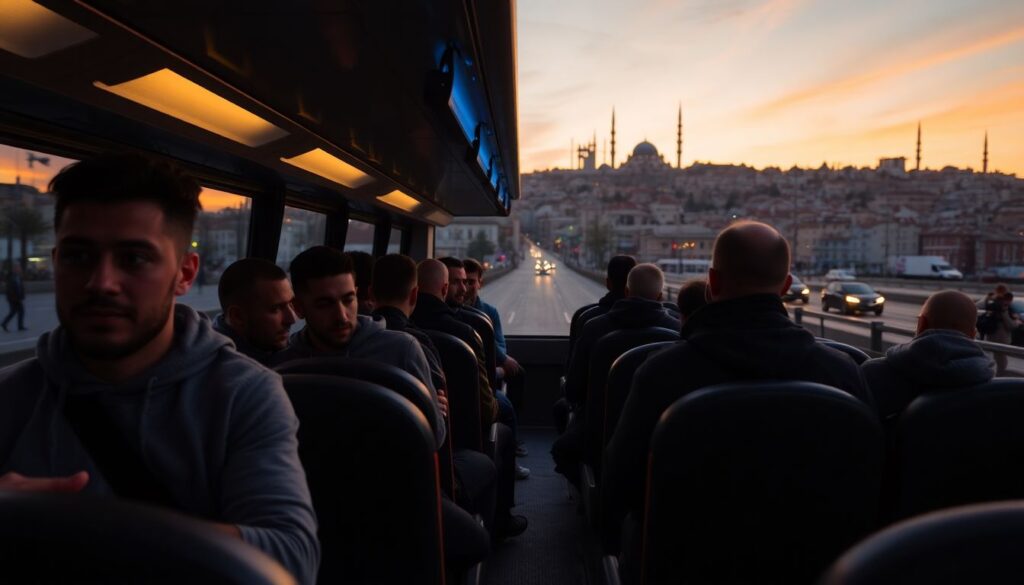
They can be, if scheduled carefully on arrival day or post-match. Combining football with sightseeing is common for fans using champions league istanbul tickets, but for players and staff, tours must not cut into rest, tactical meetings or established pre-match routines.