
Why Manager Profiles Matter More Than Ever
If you want to really understand the Süper Lig and not just skim highlights, you have to start with the people on the touchline. Manager profiles are like a shortcut into how games will actually look: tempo, risk level, pressing style, even how a team reacts to conceding early. When you put Okan Buruk, Abdullah Avcı, and a coach like José Mourinho at Fenerbahçe side by side, their choices about structure, substitutions and game management reveal patterns that are far more stable than individual player form. That is why any serious Super Lig manager tactics analysis starts from the bench, not the pitch.
Necessary Tools For Comparing Top Coaches
Data, Video, And Context – Your Core Toolkit
To compare the strategies of the best Super Lig coaches 2024, you do not need a club-level analytics department, but you do need a minimal setup and some discipline. At the basic level this means reliable access to full match replays, not just extended highlights; a stats platform with pressing, possession and shot data; and a simple note‑taking system where you log recurring patterns such as build‑up shapes or pressing triggers. You also need contextual sources: pre‑ and post‑match interviews, injury reports and fixture congestion, so you do not mislabel a rotation-heavy lineup as a radical tactical shift when it is really just squad management driven by the calendar.
Building A Simple Framework For Observation
Once you have your tools, the most useful “software” is a mental checklist. Before each game, note the nominal formation, typical shape in possession, and how the team defends the first phase. Then pay attention to things that are harder to see on casual viewing, like where the full-backs receive the ball, how often midfielders rotate positions, and how the back line adjusts when facing two strikers. Over a run of five to ten matches, these observations turn into patterns that define a manager’s profile: Buruk’s flexible width, Avcı’s risk‑averse rest defense, or Mourinho’s tendency to overprotect central zones. The key is consistency in what you are watching for.
Step‑By‑Step Process: From Match To Manager Profile
Step 1: Start With A Baseline Game Plan
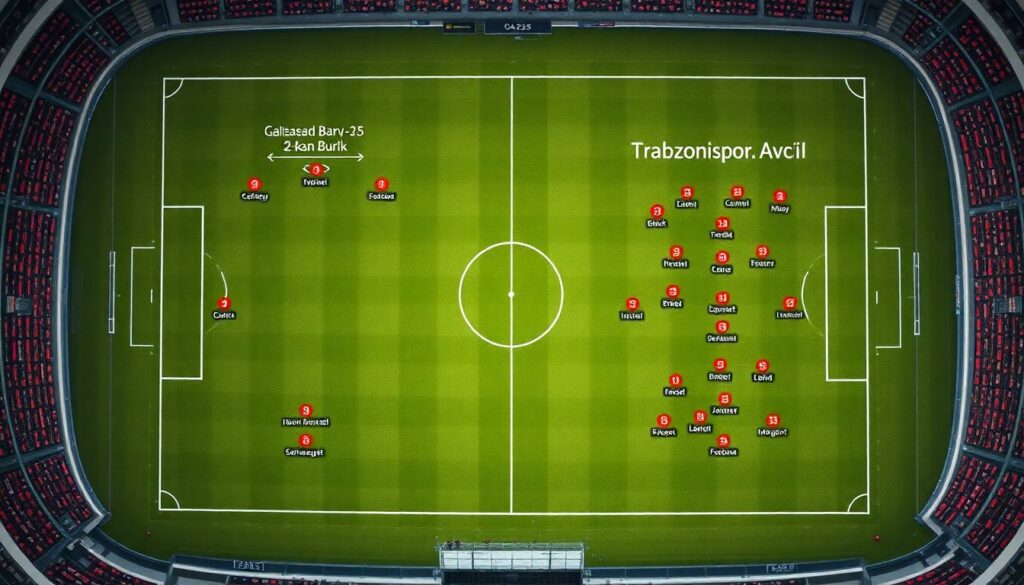
Take a representative match for each top coach and treat it as your reference point. For Galatasaray under Okan Buruk, you will usually see a 4‑2‑3‑1 that becomes a 2‑3‑5 in possession, with one full‑back inverting and the other overlapping. For Abdullah Avcı’s Trabzonspor, the baseline is more conservative: clearer 4‑2‑3‑1 or 4‑1‑4‑1, slower build‑up, and more emphasis on not losing control in central areas. With Mourinho’s Fenerbahçe, focus on how he sets his defensive block height and what he is willing to concede on the wings. Freeze the game every few minutes and sketch positions in your notes; this converts the flow of play into a structural map you can compare across games.
Step 2: Track Adjustments During Different Game States
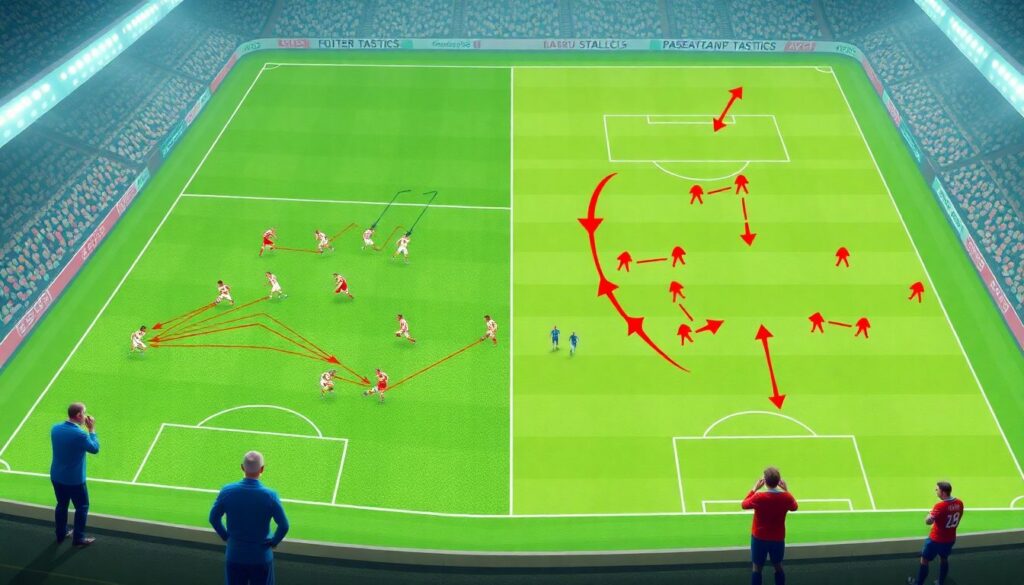
A single static picture does not describe a manager. Watch what happens when the team leads, trails, or plays with ten men. Buruk tends to double down on attacking width when chasing the game, pushing both full‑backs high and tolerating more open transitions. Avcı often reacts to a lead by tightening distances between lines, accepting less possession to keep his block compact. Mourinho usually prefers to control the rhythm with slower restarts and positional fouls that break momentum. By logging substitutions, positional tweaks and time‑wasting or tempo‑raising behaviors, you see not just the preferred style but the risk profile and in‑game management tendencies of each coach.
Step 3: Connect Player Roles To Coaching Ideas
Next, move from shape to roles. Ask why a certain midfielder is used as a deep playmaker instead of a box‑to‑box runner, or why a winger keeps drifting into half‑spaces rather than hugging the touchline. In many matches you will notice that Buruk’s tens and wingers interchange frequently to overload one side, while Avcı keeps roles more defined to protect his structure. Mourinho’s forwards, on the other hand, often have very clear defensive tasks, screening passes into the opposition pivot. When you see selection choices through this lens, you stop treating line‑ups as lists of names and start reading them as tactical sentences written by the manager.
Using Profiles For Betting, Predictions And Previews
From Tactics To Edges: How To Apply Your Insights
The bridge from theory to practice is using these profiles to read upcoming fixtures. When you look for Super Lig matches preview and odds, the market will broadly price in recent form and injuries, but it often underestimates stylistic clashes. For example, a pressing‑heavy Buruk side facing a deep, compact Avcı team creates a specific game script: territorial dominance versus counter‑attacks, high corner counts, potential for late chaos if one side chases. Your job is to anticipate how coaches will react to that script. Do they stick to principles or compromise? Those answers allow you to question default narratives and spot mispriced totals, handicap lines or goal‑scorer props.
Predictions That Go Beyond Form Tables
When you build Turkish Super Lig predictions and analysis around manager tendencies instead of just recent results, you naturally avoid some common traps. A team in a mini‑slump under a stable coach who is not changing his structure might simply be suffering from variance in finishing; their underlying chance creation stays strong. Conversely, short winning streaks built on unsustainable defending and goalkeeper heroics, while the coach keeps conceding space in dangerous zones, ring alarm bells. Here, the manager profile gives you a lens to judge whether current performances fit or contradict his established blueprint, which matters more than the last two scorelines.
Why Most Beginner Betting Angles Fail
Many newcomers dive straight into Super Lig betting tips today, chasing “locks” based on star forwards, social media narratives or simplistic home‑away splits. They rarely ask how a particular coach sets up against low blocks, or what happens when his side goes ahead early. As a result, they overbet big‑name clubs even when stylistic matchups are awkward, ignore weather or pitch conditions that punish possession‑heavy managers, and underestimate mid‑table sides whose coaches specialize in targeted game plans against stronger opponents. Understanding the strategic comfort zone of each manager turns those vague hunches into structured opinions you can actually test and refine.
Troubleshooting: Common Mistakes In Manager Analysis
Mistake 1: Confusing One‑Off Plans With Core Philosophy
One of the biggest rookie errors is overreacting to a single surprise game plan. A coach might use a back three in a derby to protect his full‑backs against specific wingers, and suddenly people label him a “back‑three coach”. To avoid this, always ask whether a change repeats in similar contexts. Does Buruk shift shape only in away European ties? Does Avcı use an extra midfielder every time he faces a pressing monster? Until a pattern survives at least a handful of comparable matches, treat it as an adaptation, not a new identity. Otherwise your manager profiles will swing wildly week to week and become useless.
Mistake 2: Ignoring Personnel Limitations
Another frequent mistake is judging a coach’s ideas without respecting his squad’s constraints. A manager might clearly want to build from the back, but with an error‑prone goalkeeper and centre‑backs who panic under pressure, he is forced to go long more often than his philosophy suggests. Beginners then file him away as “route‑one and basic”. When injuries clear or new signings arrive, the entire style shifts and their conclusions collapse. Good Super Lig manager tactics analysis separates what the coach is trying to do from what the roster currently allows, which means tracking recruitment, academy promotions and the fitness of key tactical pieces, not just formations.
Mistake 3: Overfitting For Betting And Forecasts
When people start using manager profiles for wagers, they often lean too hard on tiny samples. Two low‑scoring derbies in bad weather become “this fixture is always under 2.5”, and a week of red cards turns into a story about a supposedly reckless coach. To keep your Super Lig betting tips today grounded, ask whether your angle would still make sense if you removed the most extreme recent result. Blend long‑term manager tendencies with current squad form and scheduling spots; do not let one chaotic 4–4 skew your view of what a risk‑averse coach like Avcı normally aims for in high‑stakes games.
Mistake 4: Forgetting Psychological And Political Pressures
Finally, many analysts treat managers as if they coach in a vacuum, especially in the emotionally charged Turkish environment. Pressure from boards, fans and media can push a normally cautious coach into bolder line‑ups, or force a development‑minded manager to prioritize short‑term results. When building your own Turkish Super Lig predictions and analysis, include off‑pitch context: contract situations, recent controversies, and even comments in press conferences that hint at tactical shifts. This helps you avoid misreading forced compromises as philosophical U‑turns and keeps your profiles aligned with the actual incentives driving decisions in that specific week.
Putting It All Together
If you stick to a simple process—collecting data and video, mapping structures, tracking game‑state adjustments and translating them into manager profiles—you quickly move past surface‑level debates about “attacking” versus “defensive” coaches. You start seeing why Buruk’s aggressive width, Avcı’s cautious spacing and Mourinho’s control‑oriented pragmatism generate very different match patterns even against the same opponents. Over time, this makes your Super Lig matches preview and odds reading far sharper, because you can anticipate how those styles collide instead of guessing from form alone. The key is patience: repeat your framework season after season, refine it, and let the patterns do the talking.