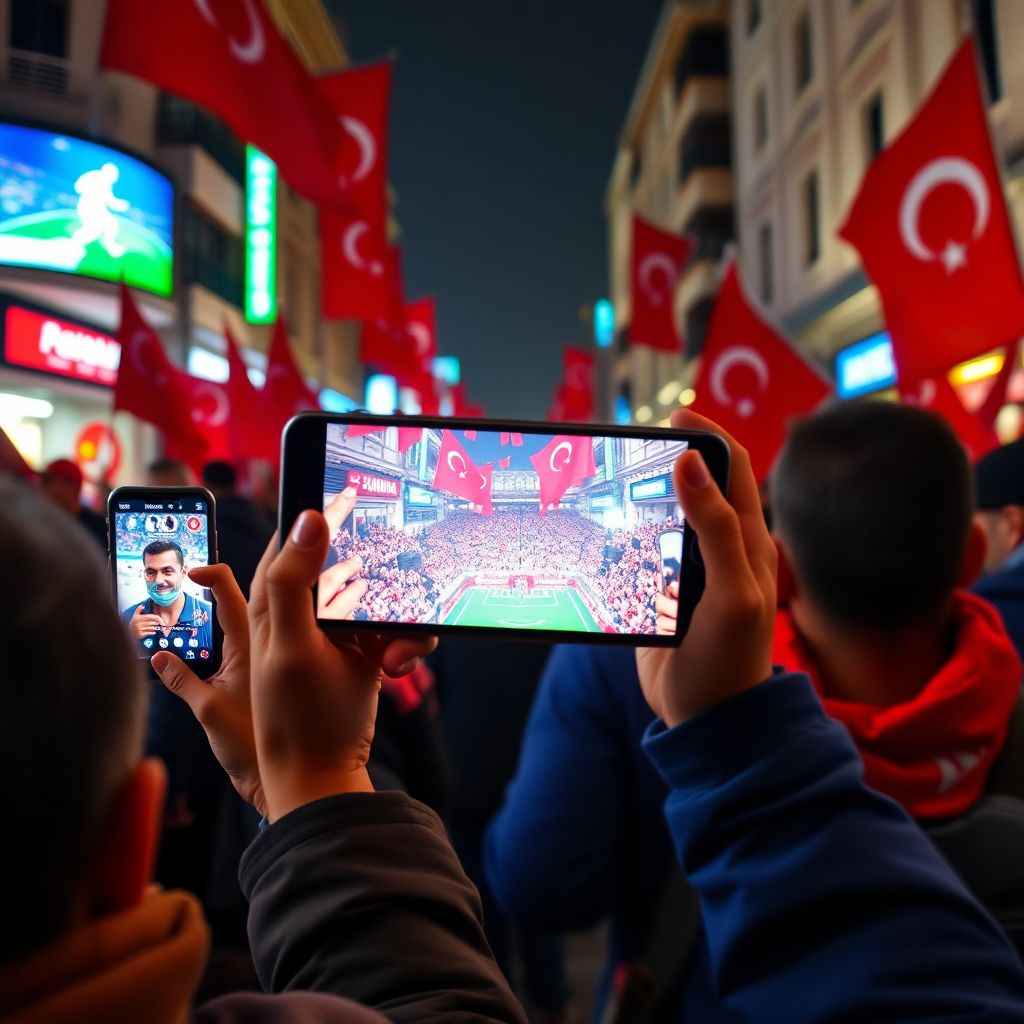
Social media and fan culture in Turkey now define how football stories are created, spread and remembered. Narratives move from TV studios to phones, from official club statements to fan memes, fan-cam edits and influencer threads. Clubs that understand this and work with, not against, online communities gain lasting narrative power.
At-a-glance implications for Turkish football narratives
- Match stories start on the pitch but are framed on Twitter, Instagram, YouTube and TikTok within minutes.
- Ultras, micro-influencers and meme pages often set the tone before traditional media reacts.
- Clubs that integrate turkish football social media marketing with offline culture shape more consistent narratives.
- Conflicts between official statements and fan-led storylines quickly become reputation risks.
- Unchecked misinformation deepens polarization between fan groups and regions.
- Clear moderation rules and transparent communication reduce crisis escalations.
Digital Fan Identity: How Social Media Reconfigures Club Allegiance
Digital fan identity is the way supporters present, negotiate and perform their club loyalty through online platforms. In Turkey this sits on top of strong city, neighborhood and family identities. A fan might inherit Galatasaray from family, but express that loyalty mainly through Twitter threads, Instagram stories and YouTube comments.
Social media lowers the barrier to visible fandom. A teenager in Gaziantep can become a leading Fenerbahçe voice on TikTok without ever visiting Kadıköy. Allegiance becomes less about physical presence and more about constant content: reactions, memes, live-tweeting VAR calls, editing fan-cams, joining Spaces after derbies.
This shift changes how clubs should think about a football fan engagement strategy turkey wide. Instead of assuming that “real fans” are only season-ticket holders, smart clubs design layered journeys: lurker, commenter, creator, community leader. Digital identity makes it possible to move fans along that journey with targeted content, not just ticket offers.
Suggested visual: funnel graphic mapping levels of digital fan identity from casual viewer to community leader, annotated with Turkish platform examples (Twitter spaces, Instagram Reels, Telegram groups).
- Map where your fans express identity most (Twitter, Instagram, TikTok, YouTube, Discord, Telegram).
- Define at least three digital fan “levels” and what content each level needs weekly.
- Audit your profiles: do they speak to online-first fans or only to stadium-goers?
- Align any turkey football club digital branding services you buy with these identity levels.
From Ultras to Influencers: New Actors Driving Storylines
Traditional ultras groups, local fan associations and TV pundits are no longer the only storytellers. Today, narrative power in Turkish football is distributed across multiple actor types, each with their own incentives and audiences.
- Ultra groups and choreo leaders – Still define in-stadium atmosphere and offline culture. Their banners and chants become instantly shareable content; one creative tifo can dominate timelines all weekend.
- Club-affiliated media teams – The in-house cameras, editors and copywriters who package training clips, tunnel content and player interviews. They now compete directly with independent creators for reach and credibility.
- Independent fan creators – YouTubers, podcasters, Twitter tacticians and meme accounts that post every day, not only on matchdays. They can quickly turn into kingmakers or critics when a transfer, coach or board decision looks weak.
- Influencers outside football – Music, gaming or lifestyle creators who drop into football topics. Influencer marketing for football fans in turkey often works best when these cross-over voices reshape club stories for new audiences.
- Journalists and data analysts – Thread-based analysts on Twitter and newsletter writers who provide stats, tactical maps and transfer rumor verification. Their framing can calm or escalate narratives after controversial decisions.
- Social media agency for sports clubs in turkey – External teams that design campaigns, manage crises and coordinate paid content with influencers. When aligned with club culture, they can amplify authentic voices instead of replacing them.
Suggested visual: ecosystem diagram showing information flow between ultras, club media, influencers, agencies and mainstream TV.
- List your top 20 non-official accounts that regularly shape narratives about your club.
- Clarify engagement rules: what can you share, like, repost or publicly disagree with?
- Build a small creator council (3-7 people) for early feedback on campaigns and statements.
Memes, Hashtags and Viral Matches: Mechanics of Narrative Spread
In Turkey, narrative spread often begins with a single clip, phrase or image: a manager’s press-conference line, a defensive mistake, a referee’s gesture. Within minutes, fans cut, caption and remix it into memes tailored to their own club rivalry logic, pushing it across platforms with shared hashtags.
turkish football social media marketing teams that understand these mechanics do not fight memes; they prepare flexible assets and reactive templates. They know which hashtags their community naturally uses on matchdays, how watch parties and bar screenings affect posting peaks, and which matches are likely to go viral beyond domestic audiences.
- Matchday hashtags – Pre-agreed club or fan tags that centralize conversation (#GSvFB style tags, club slogans). They help analysts and agencies quickly track sentiment spikes around key events.
- Instant reaction clips – Short vertical videos of goals, celebrations and controversy, optimized for TikTok and Instagram. When posted within minutes, they frame the “official” first take before rival memes dominate.
- Running joke memes – Recurring formats tied to a club’s identity, such as comebacks, last-minute goals or “crisis” jokes. These create continuity between seasons and transfer windows.
- Cross-platform cascades – A narrative that starts in a Telegram group, surfaces on Twitter, then becomes a YouTube rant and finally a TV debate topic. Each hop adds exaggeration or simplification.
- Highlight packaging for global audiences – English-captioned clips and threads that bring Turkish storylines to neutral fans. This is where turkey football club digital branding services can add real value.
Suggested visual: timeline showing a controversial penalty incident turning into clips, memes, threads, then TV discussion over 24 hours.
- Define your default matchday hashtag set and publish it consistently.
- Prepare 5-10 meme-ready templates that your design team can update in minutes.
- Assign one person to monitor cross-platform cascades and flag potential crises early.
Club Communications vs. Fan Narratives: Alignment and Conflict
Official club channels aim for control, stability and positive framing. Fan narratives are emotional, fast and often contradictory. When these two logics align, clubs enjoy strong advocacy; when they clash, every statement can look manipulative or out of touch.
Clubs that treat fans only as a “target audience” for announcements quickly lose narrative control. In contrast, organizations that co-create content with trusted fan voices, and loop in creators during crises, can absorb shocks better. This is where a thoughtful football fan engagement strategy turkey-wide becomes a risk management tool, not only a marketing tactic.
Where club narratives add value
- Providing verified, timely information on injuries, transfers and disciplinary decisions.
- Offering behind-the-scenes access fans cannot get elsewhere (training, travel, locker room rituals).
- Framing long-term projects (youth academy, women’s team, stadium plans) beyond single bad results.
- Coordinating charitable campaigns and community initiatives with clear impact storytelling.
Where club narratives often break
- Overly defensive statements after referee decisions, which fans read as excuses.
- Late or vague responses to scandals, allowing rumors to dominate.
- Ignoring or blocking critical creators, which pushes them into opposition roles.
- Copy-paste posts across platforms without adapting tone to fan expectations.
Suggested visual: two-column comparison of “club voice” vs “fan voice” during a derby defeat.
- Define escalation rules: when does a fan narrative require an official response and in what format?
- Run quarterly roundtables with creators, ultras reps and agency partners to test messaging.
- Create a rapid-response guide with do’s and don’ts for admins during heated moments.
Misinformation, Polarization and the Ethics of Online Fandom
Intense rivalries and political overlays make Turkish football especially vulnerable to misinformation and harassment. Anonymous accounts can spread fake quotes, edited videos or baseless transfer “news” that fits existing biases. Once these stories take hold in fan echo chambers, corrections reach fewer people than the original rumor.
- Myth: “If we ignore fake news, it dies by itself.” In reality, coordinated misinformation needs targeted correction: clear statements, visible fact-check threads and media partners willing to carry clarifications.
- Myth: “Toxic engagement is still engagement.” Allowing hate speech, doxxing or targeted harassment may spike numbers short term, but it damages sponsorships, player mental health and community trust.
- Myth: “Screenshots are proof.” Edited screenshots and out-of-context clips are common; clubs and fans must learn basic verification: source checking, timestamp checks, cross-platform searches.
- Myth: “Bots don’t matter in football.” Coordinated bot or sock-puppet networks can push hashtags and shape perceived consensus during board elections or coach debates.
- Myth: “Ethics is only about legal boundaries.” Many harmful behaviors are legal but unethical: pile-ons at youth players, sexist abuse of women analysts, xenophobic chants amplified online.
Suggested visual: infographic categorizing misinformation types (fake quotes, deepfakes, context stripping) with simple verification steps.
- Publish a public code of conduct that covers both stadium and digital spaces.
- Train social teams to recognize common manipulation patterns and escalate suspicious content.
- Partner with at least one independent outlet that regularly debunks viral football rumors.
Policy, Moderation and the Future of Football Discourse in Turkey
The future of Turkish football narratives will be shaped as much by moderation rules as by tactics or transfers. Platforms tighten policies, governments introduce new regulations, and clubs experiment with banning abusive accounts from stadiums based on online behavior.
Simple internal “pseudo-code” for moderation decisions helps admins act fast and consistently. For example:
if content includes hate_speech or doxxing:
    remove_post()
    ban_account(duration="permanent")
elif content includes aggressive but non-abusive criticism:
    keep_post()
    monitor_for_escalation()
else:
    keep_post()
As clubs work with a social media agency for sports clubs in turkey or in-house teams, they need transparent moderation logs, clear appeals processes and regular reviews of edge cases. Without this, accusations of censorship can become their own toxic narrative.
Suggested visual: flowchart of moderation decisions from report to action and appeal.
- Document a simple three-level moderation policy and publish a public-facing summary.
- Review a random sample of moderated posts monthly with cross-functional staff.
- Include moderation performance (response times, reversals) in agency and staff KPIs.
Self-checklist for clubs, agencies and creators in Turkey
- Can you name the five non-official accounts that most influence your club’s narrative each week?
- Do you have pre-approved assets and guidelines for the first hour after big wins or crises?
- Is your turkish football social media marketing plan aligned with clear ethics and moderation rules?
- Have you integrated influencer marketing for football fans in turkey into long-term storytelling, not just one-off campaigns?
- Do you regularly gather fan feedback on whether official communication feels authentic and timely?
Practical queries from fans and analysts
How exactly do memes change the story of a match in Turkey?
Memes select one emotion or moment and exaggerate it until it becomes the “official” fan memory. A single defensive error or referee call can overshadow ninety minutes of play, because jokes and edits about that scene are easier to share than balanced analysis.
What should a mid-table Turkish club prioritize first on social media?
Start with consistent matchday coverage, clear information and one or two recurring content formats fans can rely on. Then build relationships with local creators and fan groups before investing in larger turkey football club digital branding services or paid campaigns.
How can independent creators avoid being co-opted by clubs?
Be transparent with your audience about any collaboration or sponsorship. Keep some content formats explicitly independent and maintain the right to criticize decisions, even when you work with a club or agency on limited projects.
Is it worth hiring a specialist agency for a smaller fan base?
Working with a social media agency for sports clubs in turkey makes sense if they understand your culture and can train your in-house staff. For smaller clubs, short, focused projects and capacity-building may be more effective than long, expensive retainers.
How can fans help reduce misinformation in Turkish football spaces?
Pause before sharing emotionally charged posts, especially screenshots and quotes without links. Ask for sources, share credible corrections and avoid amplifying obvious trolling, even to criticize it.
What platforms matter most right now for younger Turkish fans?
YouTube, TikTok and Instagram dominate everyday consumption, while Twitter remains the key arena for live commentary and arguments. A good football fan engagement strategy turkey wide will treat these platforms as a connected ecosystem, not as separate silos.
How should clubs react to hostile but non-abusive criticism online?
In most cases, leave it visible and listen. Use recurring themes in criticism as input for communication, fan Q&A sessions or content explaining decisions, instead of trying to delete or argue with every harsh comment.