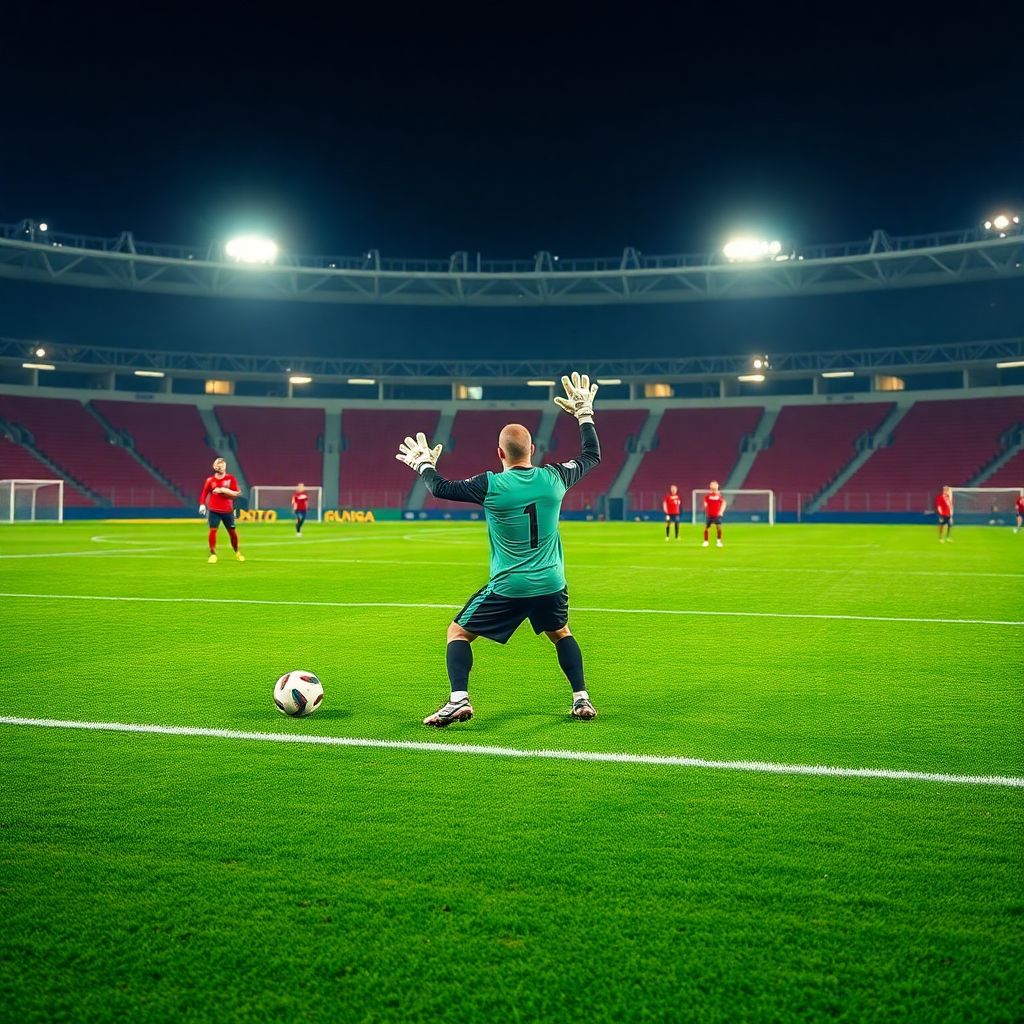
Modern goalkeepers in Turkey and Europe must act as shot‑stoppers, first playmakers and defensive leaders. To adapt safely, build solid basic technique, then add structured drills for distribution, pressing situations, conditioning and video feedback. This guide gives practical, field-tested steps and small-session templates suitable for intermediate keepers and coaches.
Essential Tactical Highlights for Modern Goalkeepers
- Train as a playmaker: improve first touch, passing range and decision speed, not just reflex saves.
- Use realistic, game-like drills to connect shot-stopping with distribution under pressure.
- Design playing-from-the-back routines with clear triggers and pre-agreed passing patterns.
- Prepare for high press with angle control, compact lines and loud, early communication.
- Balance gym work, mobility and mental routines to stay explosive yet injury-resilient.
- Integrate video, simple metrics and feedback loops into weekly goalkeeper microcycles.
From Sweeper to Playmaker: The Evolution of Goalkeeping in Turkey and Europe
Modern keepers in the Süper Lig and European leagues are expected to start attacks, defend space behind the line, and handle the ball under pressure like an extra outfield player. In many modern goalkeeper training programs for clubs, the keeper is treated as the first midfielder in possession.
This evolution suits goalkeepers who already have solid basic handling and are comfortable with the ball at their feet. If a keeper still struggles with simple catches, low dives or basic positioning, do not jump straight into risky high-line or complex build-up patterns; reinforce fundamentals first to avoid preventable goals and confidence loss.
In Turkey, traditional academies often emphasised reaction saves and crosses; top European models added structured work on body shape, scanning and passing under pressure. The most effective Turkish setups now blend both: classic shot-stopping plus modern, playmaker-style tasks within team-tactical sessions.
Core Techniques: Modern Shot-Stopping, Footwork and Distribution Drills
Before copying elite keepers, secure the right tools and conditions:
- Quality pitch or flat artificial surface, with safe, well-checked goals.
- At least 6-8 balls, cones, mini-manes or poles, and a few small goals.
- Appropriate goalkeeper gloves for modern keepers, designed for both catching and controlled parries.
- Basic gym access or bodyweight area for strength and mobility routines.
- Tripod or stable phone camera for filming sessions and matches.
For equipment, many players buy pro goalkeeper equipment online Europe wide to access higher-end gloves, compression wear and base layers at better prices. Combine that with local expertise from the best goalkeeper coaching clinics in Turkey, where coaches understand regional style, climate and fixture demands.
Core technical session template (60-75 minutes, 2-3 times per week):
- Footwork and handling warm-up (10-15 min) – short shuffles, forward/backward steps, catching at different heights, no diving yet.
- Shot-stopping blocks (20-25 min) – low/high saves, near/far shots, always including recovery to feet and set position.
- Distribution under light pressure (15-20 min) – passes with both feet, throws and half-volleys into target zones.
- Integrated game actions (10-15 min) – small-sided games where keeper must decide when to catch, punch or play quickly.
Out-Building Strategies: Practical Routines for Playing from the Back
Use this step-by-step structure to train safe, effective play from the back that fits both Turkish and European match rhythms.
-
Establish clear build-up zones and roles – Mark out three horizontal lanes (left, centre, right) and two build-up lines (inside box and just outside).
- Explain to centre-backs and full-backs where their first positions should be on goal kicks and back-passes.
- Agree a simple code: for example, one word for playing short, another for going long or switching sides.
-
Rehearse unopposed passing patterns – Start without opponents to focus on mechanics and timing.
- Drill 1: GK to CB, CB back to GK, GK to opposite CB, then to full-back; repeat on both sides.
- Drill 2: GK plays to full-back, full-back inside to pivot, pivot returns to GK or switches side.
-
Add passive pressure and scanning habits – Ask 1-2 players to move but not tackle.
- Keeper must scan at least twice (before receiving, before passing) and use two touches maximum.
- Coach calls out which lane is “closed” so the keeper learns to avoid blocked options.
-
Introduce realistic pressing opponents – Use 3v2 or 4v3 overloads so the build-up team has one free player.
- Example: GK + 2 CBs + pivot versus 2-3 pressers; objective is to play through, round or over the press into a mini-goal.
- Reward calm choices: playing back to GK when safe is good, not a mistake.
-
Create decision rules for long versus short – Define clear, safe triggers that even youth keepers understand.
- Play long if: both CBs are tightly marked, pivot is covered, or the nearest presser is within one step when the ball arrives.
- Play short if: at least one CB or full-back is clearly free, body open to the field, and you can pass on first or second touch.
-
Integrate with full team tactics – Move from isolated goalkeeper drills to 10v10 or 11v11 scenarios.
- Ask the head coach to design a “build-up phase” block in team training where the GK’s decision-making is a key focus.
- Use the same commands and hand signals in training and official matches, to reduce confusion.
Fast-Track Mode: Simple Routine for Playing from the Back
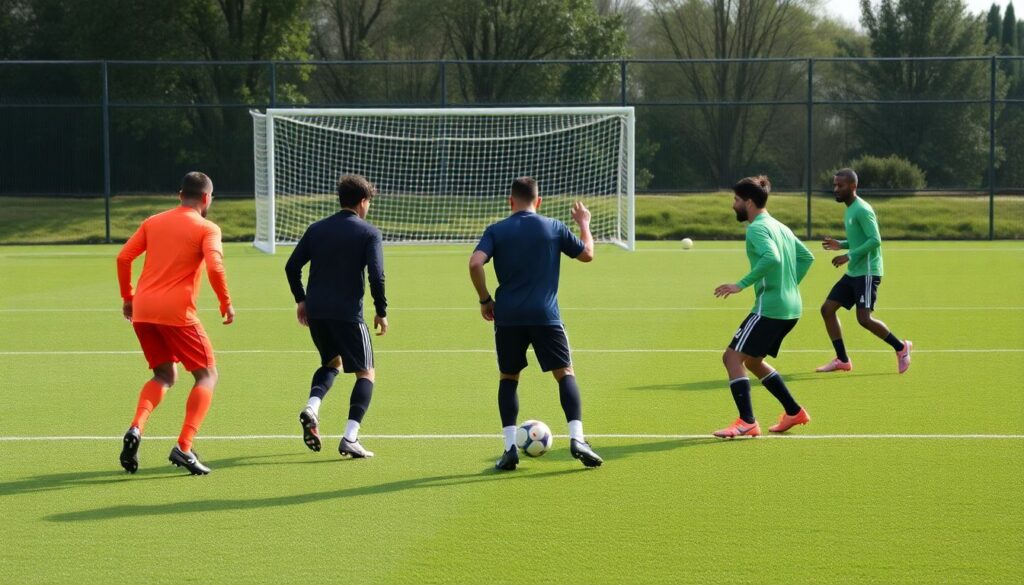
- Mark lanes and fix first positions for centre-backs and full-backs on goal kicks.
- Run a 10-minute unopposed passing pattern every session (GK-CB-GK-CB-FB).
- Play 3v2 build-up versus light pressure twice per week, focusing on two-touch limit.
- Use one simple rule: if no free short option in two seconds, go long to a wide zone.
Press-Readiness: Positioning, Angles and Communication under High Press
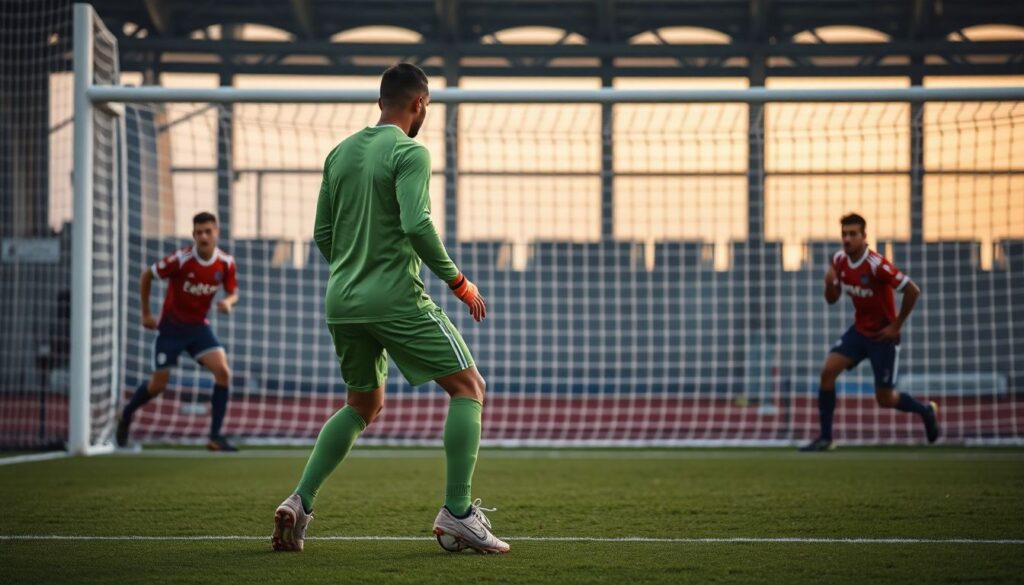
Use this checklist to verify if a keeper is ready to handle aggressive pressing styles common in both Europe and top Turkish leagues.
- Starts one or two metres higher than the goal line whenever the ball is in the middle third.
- Constantly adjusts position diagonally behind the ball to close shot angles and support back-passes.
- Calls early and specific commands (“turn”, “man on”, “time”) rather than generic shouts.
- Comfortably receives back-passes on both feet and directs the ball away from pressure on first touch.
- Under high press, recognises when to clear long into safe channels instead of forcing short passes.
- Maintains compact distance (roughly penalty-spot area) to the back line to sweep through-balls safely.
- Communicates defensive line height with short, consistent cues agreed with centre-backs.
- Recovers to set position quickly after passes, never watching their own ball for more than a moment.
- Shows stable body shape (knees flexed, chest forward, hands ready) when expecting either shot or press.
Conditioning the Modern Keeper: Strength, Mobility and Mental Routines
Typical mistakes that limit progress and increase injury risk:
- Overloading heavy gym work without keeper-specific movement patterns like lateral pushes and low diving mechanics.
- Neglecting hip, groin and ankle mobility, which leads to slower low saves and repeated muscle strains.
- Doing long, slow runs instead of short, intense intervals that match match-day demands.
- Skipping structured warm-up and cool-down, especially during busy schedules or in hot Turkish summers.
- Ignoring sleep and recovery habits while increasing training volume, causing chronic fatigue and slower reactions.
- Training only technical aspects and never rehearsing breathing, reset routines and pre-kickoff focus habits.
- Copying social-media workouts from elite pros without adjusting for age, level and medical history.
- Failing to periodise workload around match days, leading to heavy legs and mental burnout on game day.
Data-Driven Progress: Using Video, Metrics and Feedback Loops in Training
There are several practical paths to using data and video, depending on resources and context.
- Low-tech club solution – Use a single phone on a tripod to record games and 1-2 key training drills per week. After each match, review three situations: one good intervention, one mistake, one build-up scene. Keep notes in a simple spreadsheet.
- Collaboration with academies and clinics – Join professional goalkeeper training camps in Europe or the best goalkeeper coaching clinics in Turkey that include basic performance analytics. Use their reports to adjust your club’s weekly focus (for example, crosses, one‑v‑ones, or passing under pressure).
- Software and wearable integration – For higher-budget clubs, add GPS or heart-rate monitors and simple video analysis tools. Track key keeper metrics: number of actions, distance covered, speed in sweeps and success rate of passes in different zones.
- Hybrid self-directed model – Keepers who train in semi-professional environments can film themselves, then book occasional online or in-person reviews with experts. In that case, modern goalkeeper training programs for clubs can be supplemented with personalised feedback without changing the club’s whole structure.
Practical Concerns, Common Pitfalls and Fixes
How often should a modern keeper train distribution and build-up play?
At intermediate level, include distribution and build-up work in at least two sessions per week. Even 15-20 focused minutes with small patterns under light pressure are enough to see clear improvement over a season.
Is it safe for youth keepers to play as high as professionals do?
Not immediately. Young keepers should first learn basic positioning in and around the box, then gradually experiment with a slightly higher starting point under supervision, always adjusting for speed of opponents and pitch size.
What if defenders are uncomfortable receiving short passes near the goal?
Start with unopposed drills to build confidence, then add very light pressure. Use clear rules: defenders can always play one-touch back to the keeper, and the keeper can always choose the long, safe option.
How can smaller clubs use video without expensive equipment?
A simple phone on a tripod at midfield or behind the goal is enough. Record the match, then cut or time-stamp only key goalkeeper actions; this keeps analysis quick and realistic for amateur environments.
Which equipment upgrades matter most for modern keepers?
After basic boots and gloves, prioritise reliable goalkeeper gloves for modern keepers and comfortable base layers. Many players buy pro goalkeeper equipment online Europe wide to access better grip and durability that local shops may not stock.
How do I balance gym sessions with on-pitch work?
Plan 2-3 shorter, keeper-specific strength sessions around pitch training, never on the same day as the heaviest diving or sprint work. Focus on quality of movement, not maximum weight lifted.
Do I need a specialist coach to follow this guide?
A specialist helps, but is not mandatory. Many drills can be run by an outfield coach or even by keepers themselves, as long as the focus stays on safe technique, realistic tempo and honest self-review.