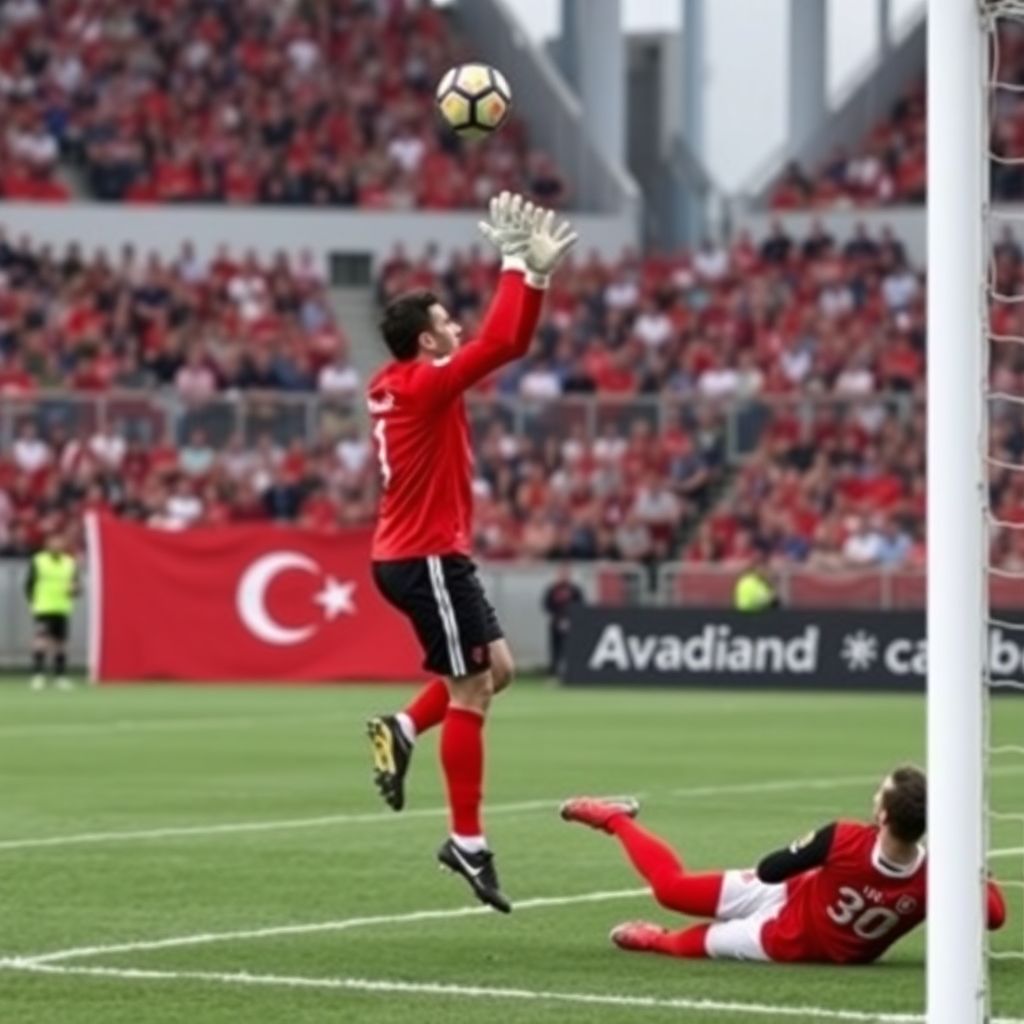
The goalkeeper role in Turkish football has shifted from reactive shot-stopper to proactive playmaker. Today keepers initiate build-up, defend high space behind the back line and influence pressing. Understanding this goalkeeper evolution in modern football explains why distribution, decision-making and positioning now matter as much as pure shot-saving in Turkey.
Core shifts in Turkish goalkeeper roles
- From goal-line shot-stoppers to high-positioned sweepers covering depth behind a higher defensive line.
- From long clearances to structured, short build-up as the first playmaker under pressure.
- From individual reflex focus to integration into team pressing and rest-defense schemes.
- From basic kicking to targeted passing with both feet into specific zones and players.
- From generic drills to role-specific modern sweeper keeper training in Turkish academies.
- From isolated analysis to detailed metrics linking goalkeeper actions to team chance creation.
Historical baseline: the shot-stopper tradition in Turkish football
For many decades, the reference model in turkey was a goalkeeper who lived on the goal line, dominated the penalty area and relied on reflexes. In this shot-stopper era, errors with the ball at feet were tolerated as long as saves looked spectacular and crosses were claimed.
This phase dominates much of turkish football goalkeepers history. Training emphasised diving, one versus one situations close to goal and high balls under contact. Tactical demands were simple: stay deep, do not take risks, kick long. The defensive line also stayed relatively low, so space behind defenders was modest and rarely required aggressive sweeping.
When fans and media debated the best turkish goalkeepers of all time in that period, the focus was usually on penalties saved, heroic reflexes and charismatic leadership rather than passing range or pressing triggers. The goalkeeper was seen as a specialist separate from the team’s positional play, not as part of ball playing goalkeeper tactics.
Understanding this baseline is essential: the transition to modern expectations in Turkey starts from a culture built around security, caution and respect for experience rather than experimentation with proactive distribution and advanced positioning.
Tactical catalysts: coaches, formations and strategic inflection points
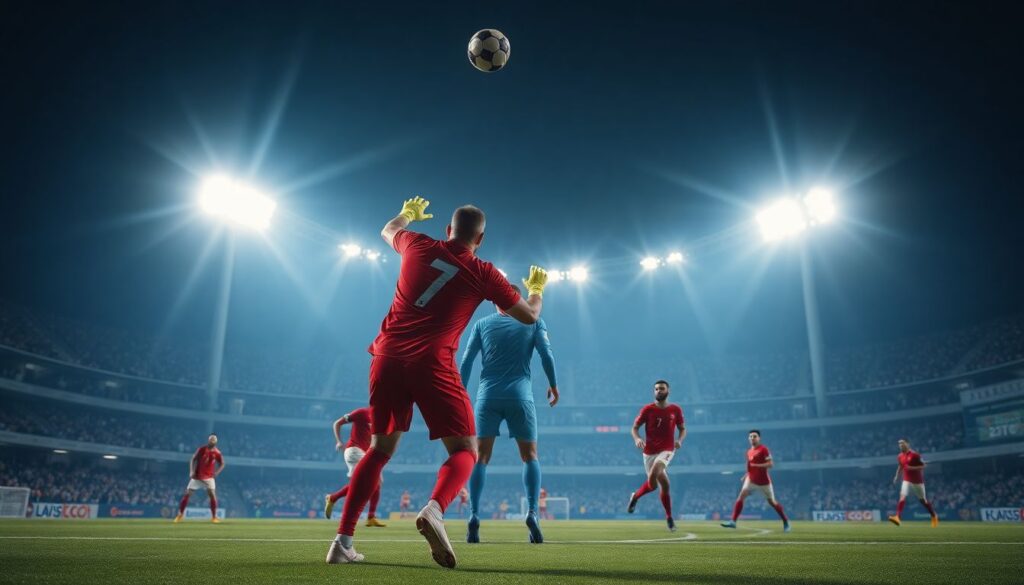
The tactical evolution of keepers in Turkey comes from structural changes in how teams attacked and defended. Several recurring factors pushed coaches to demand more proactive, playmaking goalkeepers.
- Higher defensive lines and compact mid-blocks. As teams pushed their back four or back three higher, the space behind defenders increased. Keepers had to sweep long balls, intercept through passes and act as an extra defender instead of waiting on the line.
- Build-up from the back as a default. With more teams using short goal kicks and structured build-up, goalkeepers became the first decision-makers. Coaches introduced clear passing patterns, where the keeper’s choice triggered either positional play or a pre-agreed long ball.
- Press-resistant shapes. Formations like 4-3-3 or 4-2-3-1 demanded numerical superiority against high pressing. Bringing the goalkeeper into the first line effectively created a back three or back four plus one, enabling overloads and third-man combinations.
- Imported coaching ideas. Foreign coaches and Turkish assistants exposed to European leagues imported models where the keeper functioned as eleventh outfield player. This accelerated goalkeeper evolution in modern football within the Süper Lig.
- Data-driven evaluation. Clubs began tracking actions like defensive line height, sweeper actions and build-up involvement. Once these were measured, they became explicit tactical targets instead of side effects.
- Scenario use case – breaking a high press. In matches where Turkish sides faced intense pressing, coaches designed patterns where the keeper received under pressure, drew the first presser and then played diagonally to a fullback or pivot, instantly breaking the press.
Technical evolution: footwork, distribution and the rise of the sweeper-keeper
Technically, the most visible change is in footwork and distribution. The modern Turkish keeper must be comfortable receiving back-passes under pressure, turning away from the first presser and playing to the free man with both feet. This is the heart of many ball playing goalkeeper tactics.
First scenario: short build-up under press. Centre backs split wide, the pivot drops, and the keeper stands centrally at the top of the box. After attracting the pressing forward, the keeper plays a firm pass into the pivot’s back foot, enabling a quick lay-off to the far fullback. Precision weight and timing turn a risky moment into controlled progression.
Second scenario: long, targeted distribution. Instead of aimless long balls, Turkish goalkeepers now practice hitting specific wide zones or a dropping number ten. The objective is either to win second balls in a designed area or to isolate a winger one versus one. This links goalkeeper actions directly to chance creation.
Third scenario: sweeper-keeper actions. With a high line and aggressive pressing, the keeper starts five to ten metres higher than in past decades. He reads through balls early, sprints off the line and clears or controls outside the box with his feet. These actions demand clean first touch, accurate clearing technique and composure while being chased.
In practice, Turkish clubs gradually align with European standards, making the rise of the sweeper-keeper a defining chapter in turkish football goalkeepers history, even if adoption speed varies between teams and divisions.
Training evolution: contemporary practices for modern goalkeepers
Training in Turkey has shifted from pure shot-stopping to integrated, game-like work. Modern sweeper keeper training combines technical, tactical and physical elements to reflect real match demands. This brings clear advantages but also introduces specific constraints.
Benefits of contemporary training approaches
- Game-relevant repetitions. Sessions simulate back-pass pressure, sweeper actions and build-up patterns so keepers practice the exact decisions required in matches.
- Improved passing quality. Focused drills on body orientation, scanning and playing into specific zones raise overall team build-up quality.
- Better integration with team tactics. Goalkeepers train regularly with the defensive line and pivot players, aligning timing on pressing triggers and rest-defense shape.
- Enhanced anticipation and reading of play. Exercises start with opposition movements rather than static shots, which develops game intelligence.
- Use case – session design. A typical block might alternate between 3v2 build-up starting from the keeper and immediate transition to defending the high line, mirroring match rhythms.
Limitations and risk factors to manage
- Overemphasis on feet over hands. Some academies risk under-training basic handling, crosses and positioning while chasing the playmaker profile.
- Physical and mental overload. Continuous high-intensity, decision-rich drills can cause fatigue and concentration dips, increasing injury or error risk.
- Context mismatch. Not every Turkish league team builds from the back; copying elite-level patterns blindly can create unnecessary risk for squads with limited technical ability.
- Coach expertise gap. Where goalkeeper coaches lack experience with ball playing goalkeeper tactics, drills may be unrealistic or poorly sequenced.
Profiles in transition: club and national case studies
The shift from traditional shot-stoppers to playmakers in Turkey shows up clearly in how clubs and the national team manage their keepers. Along the way, certain misconceptions and errors repeatedly appear.
- Mistake: copying profiles without context. Clubs sometimes chase foreign sweeper-keeper types without considering league style, pitch quality or defensive structure. A high-risk keeper behind a deep, passive block often looks worse than a simpler profile aligned to team needs.
- Mistake: rushing young keepers into build-up leadership. Giving a young goalkeeper full responsibility for orchestrating build-up, before he has stable basic technique and communication, can damage confidence after visible errors.
- Myth: best turkish goalkeepers of all time cannot adapt. It is often assumed that legendary shot-stoppers could never play in modern systems. In reality, some veterans have successfully improved their distribution with targeted work, even late in careers.
- Myth: national team must mirror club style. There is pressure to force the same level of risk the best club sides use. In tournaments, however, the national team may choose a more balanced approach, mixing security with selective build-up.
- Use case: scenario at a top Istanbul club. A traditional keeper is phased out by gradually increasing his involvement in short build-up in low-risk league matches, while a more aggressive understudy is used in continental games where pressing and transition speed demand sweeper skills.
Quantifying change: metrics, performance indicators and match impact
Clubs in Turkey increasingly rely on clear indicators to track how their goalkeeper’s role affects both defensive stability and attacking efficiency. These metrics transform abstract ideas about evolution into concrete evaluation tools.
Typical categories include:
- Defensive control. Distance of defensive line from goal, number of sweeper actions outside box, and success rate in one versus one situations after through balls.
- Build-up contribution. Percentage of short versus long passes, progressive passes completed, and sequences starting with the keeper that enter the final third.
- Press resistance. Turnovers from back-passes, successful passes under pressure and escapes from high press using the keeper as extra man.
Mini-case: a club analyses ten matches before and after introducing new ball playing goalkeeper tactics. They see more successful short build-ups, fewer long clearances and a rise in controlled entries into the opposition half. At the same time, they monitor any increase in errors leading to shots, ensuring risk stays acceptable within their competitive context.
For analysts, this structured approach connects everyday training content, like modern sweeper keeper training drills, with match outcomes and long-term tactical identity in Turkish football.
Quick self-checklist for Turkish goalkeeper evolution work
- Have you clearly defined how high your defensive line is and what that demands from your keeper’s starting position?
- Do your goalkeeper drills mirror real build-up and pressing scenarios your team actually faces in the Turkish league?
- Are you tracking both positive contributions (progressive passes, sweeper actions) and costly errors from your keeper?
- Have you adapted expectations to your squad’s technical level instead of copying foreign models blindly?
- Do you regularly review video with the keeper to connect metrics, decisions and tactical game plan?
Practical questions coaches and analysts ask about this evolution
How should a mid-table Turkish club start modernising its goalkeeper role?
Begin with clear principles: one or two simple build-up patterns and a defined sweeping zone behind the defence. Train these repeatedly in small-sided games, then phase them into competitive matches, starting against less aggressive opponents.
What is a realistic risk level for playing from the back in Turkey?
Risk tolerance should match technical level and league context. If defenders and keeper are average on the ball, use mixed build-up: some short, some targeted long balls into planned zones, rather than constant play from the six-yard box.
How can youth academies balance old-school shot-stopping with new demands?
Design weekly plans that reserve specific blocks for classic skills and other blocks for distribution and game intelligence. For younger age groups, use rondos and positional games with hands and feet to develop both traditions in parallel.
Which metrics are most useful for first diagnosing a keeper’s style?
Track starting position heatmap, percentage of short passes, number of sweeper actions and involvement in build-up sequences reaching midfield. These four already show whether you have a conservative shot-stopper or an emerging playmaker profile.
How do you communicate new responsibilities to an experienced goalkeeper?
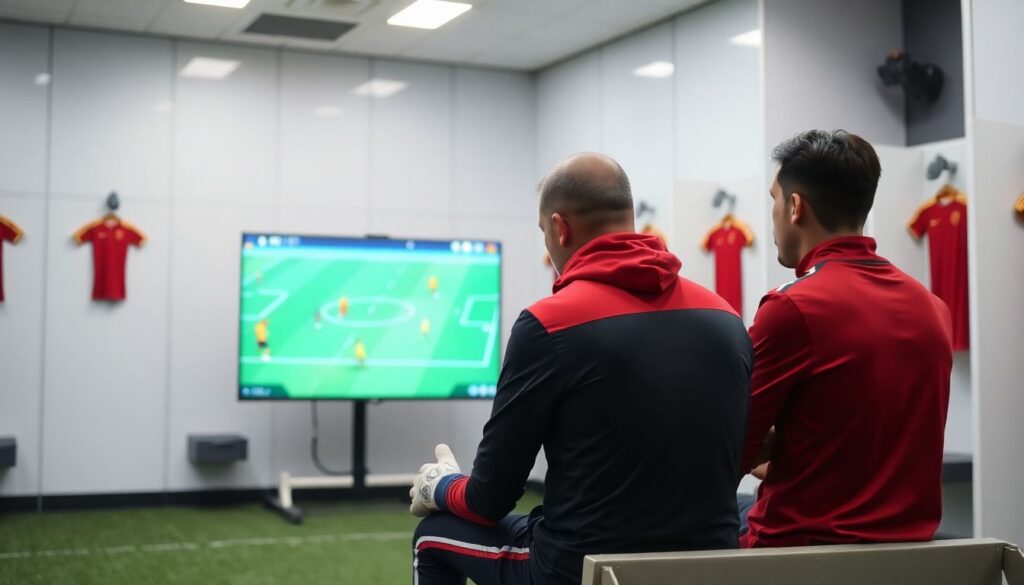
Use video examples from his own games, plus positive clips from relatable Turkish or regional keepers. Introduce one new responsibility at a time, such as slightly higher starting position, and agree clear decision rules to protect his confidence.
What scenarios best train decision-making under pressure for keepers?
Small-sided games starting from back-passes, with time or touch limits, force keepers to scan, choose between short and long options and manage risk. Alternate conditions so they sometimes face an intense press and sometimes more passive blocks.
How can analysts present goalkeeper evolution data to head coaches effectively?
Group metrics into three simple blocks: defensive security, build-up contribution and press resistance. Use a few clear charts plus 5-6 video clips per block to show how the numbers connect to real match situations and results.