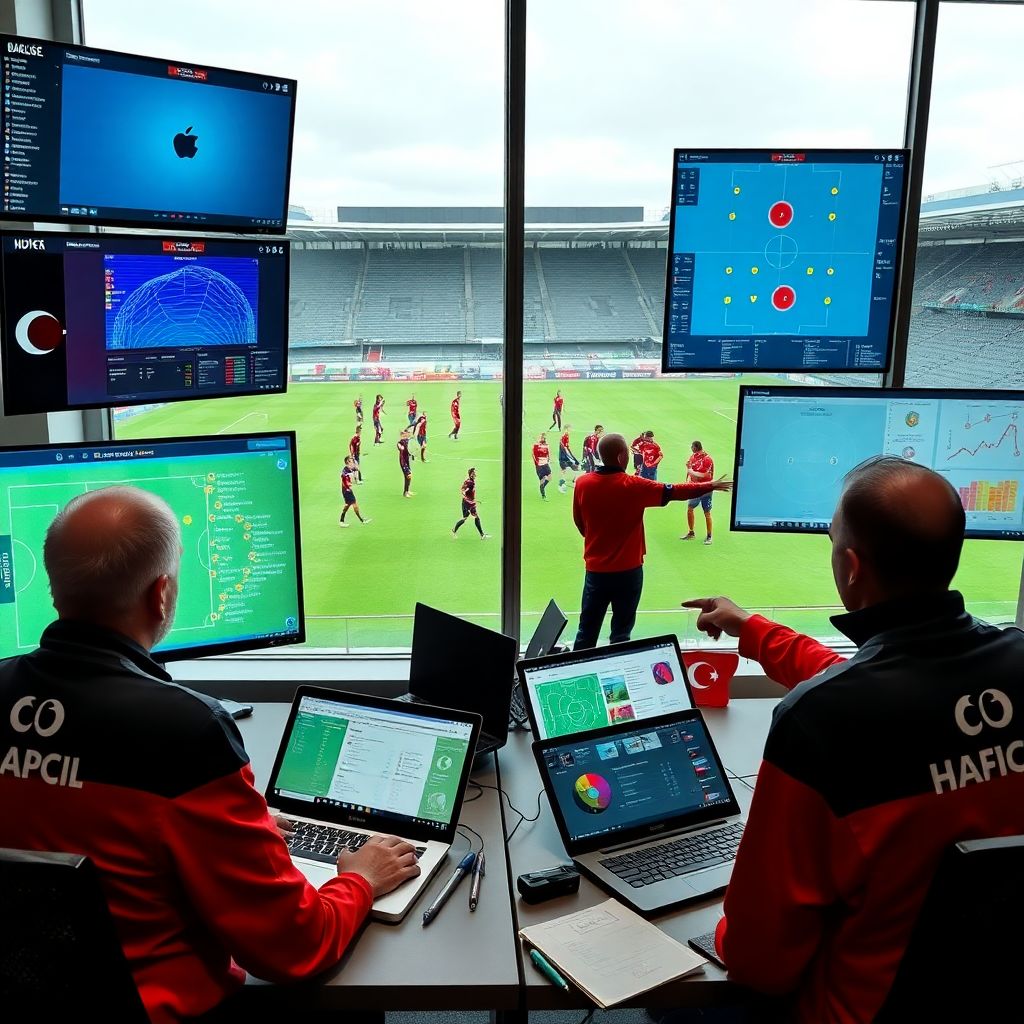
Why Turkish football is suddenly obsessed with data
Over the last decade, Turkish clubs quietly shifted from gut-feel decisions to measurable, repeatable processes. Analysts sitting behind laptops now influence who gets signed, how the team presses, and even when a player should be subbed. This change didn’t happen overnight: early experiments with simple spreadsheets and video tags grew into full-blown football data analytics services Turkey clubs now rely on. As money got tighter and competition fiercer, owners realised that smart data use could be the difference between a promotion push and a relegation battle.
How it started: from VHS tapes to xG models
In the 2000s, most Turkish staff relied on VHS or basic video cuts; numbers meant goals, assists and maybe pass completion. Around the mid‑2010s, as European leagues embraced xG and tracking, Turkish analysts returning from abroad brought new methods. sports analytics companies in Turkey began offering event data, physical metrics and dashboard tools in Turkish language, making adoption simpler. At first, coaches treated it as a side dish to their intuition, but once early adopters gained transfer edges, others followed to avoid being left behind.
Core principles of data‑driven football
Modern Turkish clubs that take analytics seriously usually follow three basic rules. First, measure what matters, not everything: link KPIs to playing style and budget reality. Second, keep context: numbers from the TFF First League mean something different than the Süper Lig. Third, integrate tools into daily routines; a dashboard nobody opens is useless. The best setups mix coach insight, match analysis software for football teams and clear communication, so data becomes a shared language instead of a separate “nerd department.”
Recruitment: buying skills, not just names

The biggest impact has been on transfers. Instead of chasing famous surnames, smart clubs define role profiles: “aggressive ball‑winning 6,” “wide playmaker,” “box‑crashing 8.” Then they use data-driven player recruitment tools to filter thousands of players by age, salary band and performance trends. Good football scouting software for clubs visualises things like pressing intensity, progressive passes or aerial duels, so decision‑makers see fit within the current system. This doesn’t replace live scouting; it narrows the shortlist and reduces expensive mistakes.
Match preparation: turning numbers into game plans

On the pitch, analytics reshaped how Turkish staffs prepare each fixture. Analysts break down opponents’ build‑up patterns, pressing triggers and set‑piece habits, then present 3–5 clear points instead of a data dump. Video clips are linked to metrics so players see what “high pressing efficiency” or “weak left side under pressure” actually looks like. The best setups connect GPS data, tactical cam footage and classic stats into one story, making it easier for coaches to adjust training loads and in‑game tactics.
Real‑world examples from the Turkish scene
Several Süper Lig clubs now hire full‑time data specialists and partner with sports analytics companies in Turkey for deeper insights. Some mid‑table sides use models to target undervalued foreign players from secondary European leagues, then sell them on for profit. Ambitious lower‑league teams start with cheaper solutions, such as basic event data plus custom dashboards built in‑house. A few academies track individual development paths, comparing young talents to historic benchmarks rather than to emotional impressions from a single weekend performance.
Frequent misconceptions about football analytics
One common myth is that data “kills intuition.” In practice, it sharpens it: coaches still decide, but with clearer evidence. Another misconception is that only rich clubs benefit; in reality, smaller Turkish teams often gain more because they can’t afford serial transfer failures. Some executives also expect instant miracles once they buy football data analytics services Turkey providers offer. Tools alone solve nothing; the competitive edge comes from consistent use, staff education and aligning recruitment, tactics and fitness around the same metrics.
Typical beginner mistakes (and how to avoid them)
New analysts, coaches and directors in Turkey often stumble in similar ways. To stay out of trouble, keep an eye on these traps:
1. Chasing flashy metrics while ignoring simple, stable ones like shot quality and field tilt.
2. Treating a single season of numbers as gospel without checking sample size and league strength.
3. Presenting complex models in jargon, losing coaches and players in translation.
4. Over‑focusing on attack data, forgetting defensive structure and off‑ball work.
Building a sustainable data culture in your club
For a Turkish club, the smartest move isn’t buying the most expensive platform, but building habits. Start with one or two priority areas, such as set pieces and recruitment, and choose sports analytics companies in Turkey that match your budget and staff skills. Create simple weekly routines: short reports, focused video sessions, quick feedback loops with players. Over time, expand to more advanced tools and models. If everyone understands why a metric matters, data becomes a natural part of football life, not a passing trend.