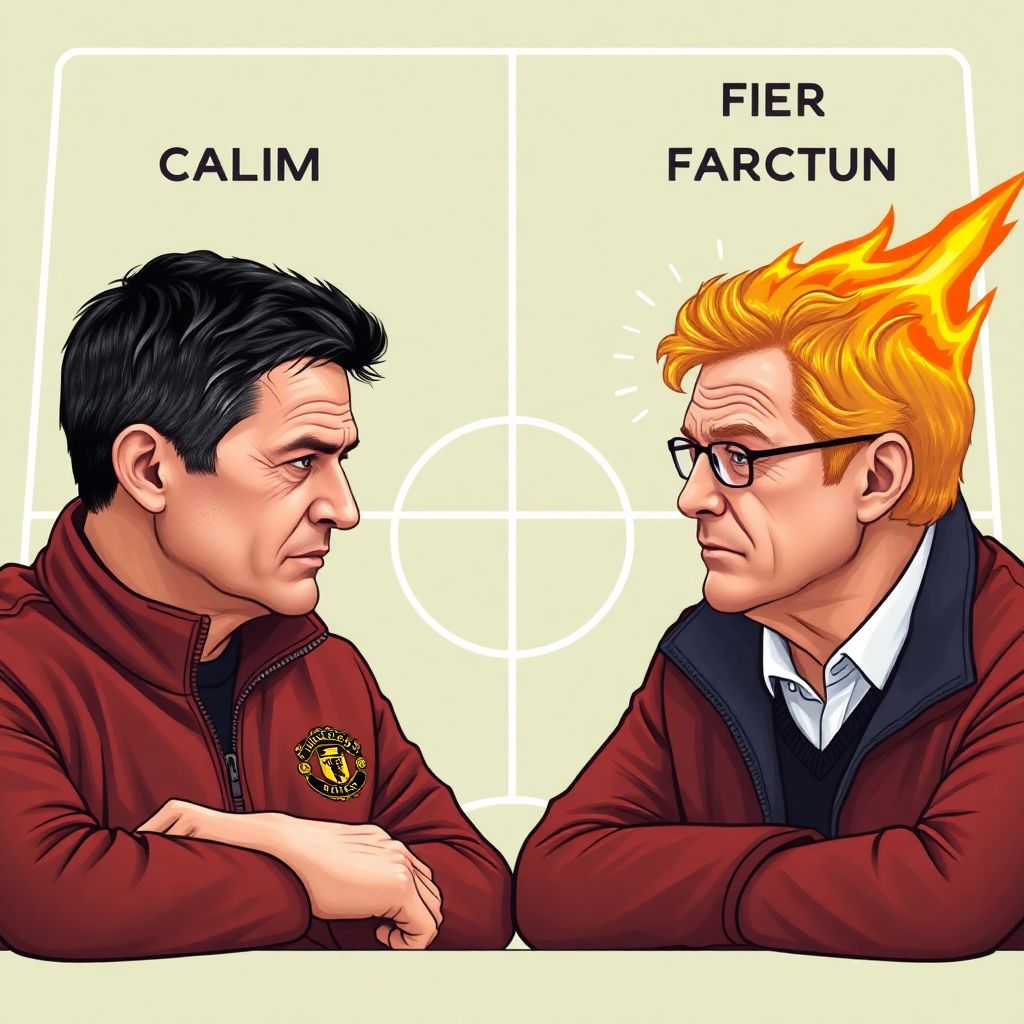
For Turkish clubs, Montella suits patient positional play, structured training, and long‑term development, while Terim favours emotional intensity, flexible tactics, and short‑term turning points. Europe’s elite blend both: clear tactical frameworks plus adaptive match management. The best fit depends on squad profile, budget, leadership culture, and board’s tolerance for risk and time.
Core coaching contrasts at a glance
- Montella: calm, methodical, possession‑based; ideal when you can invest time in automatisms and youth development.
- Terim: charismatic, aggressive, result‑driven; ideal when you need to shift mentality fast and handle big‑club pressure.
- Top European managers: mix clear game models with flexible plans A, B, C depending on opponent and squad.
- Budget view: Montella‑style requires more training time and analytics; Terim‑style needs deeper senior squad and bonuses for motivation.
- Risk profile: Montella lowers chaos but needs patience; Terim can create big peaks but also emotional volatility.
- Development vs. trophies: Montella is better for structural progress; Terim is better when trophies in the near term are the board’s priority.
Vincenzo Montella: principles, strengths and limitations
- Game model clarity: prioritises positional play, short passing, and controlled tempo; useful for a club wanting a stable football identity over many seasons.
- Squad profile requirement: needs technically clean midfielders and defenders comfortable under pressure; less suitable for purely physical, direct squads without build‑up skills.
- Training intensity and structure: sessions are highly organised with repeating patterns, ideal for players willing to learn details and automatisms instead of relying on improvisation.
- Player development orientation: fits clubs that want to upgrade young players’ tactical IQ; good choice if you plan to sell players on for profit.
- Time horizon and board patience: Montella’s approach usually needs several months before the team fully understands spacing and timing; impatient boards may feel progress is slow.
- Risk management: prefers controlling games with the ball instead of constant transitions; this can reduce chaotic matches but may look sterile against low blocks.
- Cultural fit in Turkey: suits environments open to data, video, and a more “European” discipline; can clash with dressing rooms expecting a highly emotional leader.
- Budget implications: does not always require superstar signings, but you must invest in smart scouting, analysts, and technical players rather than pure athletes.
- Limitation under extreme pressure: in crisis situations where fans demand instant fight and emotion, his calm, process‑driven style may be perceived as too passive.
Fatih Terim: tactical identity and cultural leadership
This section doubles as a focused Montella vs Terim coaching style analysis and extends the football coaching philosophy comparison to realistic options for Turkish clubs.
| Variant | Kому подходит | Плюсы | Минусы | Когда выбирать |
|---|---|---|---|---|
| Montella-style positional attack | Clubs with technically solid squads and patience to build a recognisable style. | Clear structure, helps youth development, easier to sustain over multiple seasons. | Slower short‑term impact, can struggle against deep, physical opponents if quality is low. | Choose when the board wants identity, resale value, and long‑term stability more than instant trophies. |
| Terim-style emotional dominance | Big clubs with passionate fanbases, experienced players, and title expectations. | Strong mentality, big‑match performances, players run and fight beyond normal levels. | High emotional load, potential conflicts, style may depend on individual stars. | Choose when you need a fast cultural shock, quick results, or to manage high‑pressure derbies. |
| Hybrid Turkish-Italian blend | Clubs wanting both structure and emotional fire, with mixed squad profiles. | Balances tactical order with local passion; can adapt to different competitions. | Risk of confusion if communication is poor; needs very clear staff roles. | Choose when you have time for a project but must still satisfy fans demanding aggressive football. |
| Pragmatic European control | Mid‑table or European hopefuls prioritising results over romantic style. | Flexible tactics, opponent‑specific plans; often cost‑efficient with well‑scouted role players. | Identity can feel “cold”; fans may not see a consistent philosophy. | Choose when survival or European qualification is the main KPI and aesthetics are secondary. |
| Youth-centric European project | Clubs investing in academies and player trading models. | Improves assets, supports financial sustainability, easier to align with books on modern football coaching philosophies. | Short‑term inconsistencies, mistakes from young players, pressure on coach to protect them. | Choose when your business model depends on developing and selling talent, not on heavy transfer fees. |
Terim’s tactical identity mixes compact defensive blocks, fast transitions, and game‑by‑game adjustments, guided by strong dressing‑room control. His cultural leadership has been historically perfect for Turkish giants facing extreme media and fan pressure, where belief and aggression matter as much as diagrams.
Cost-conscious adaptations smaller clubs can implement
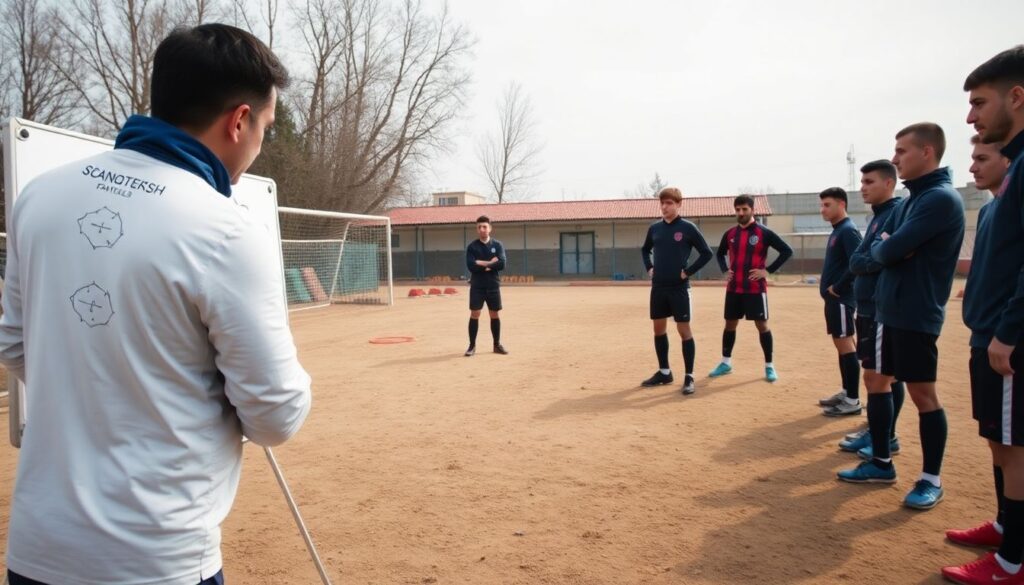
For smaller Turkish clubs, the key is to translate these philosophies into realistic, budget‑first actions instead of copying big‑club spending.
- If you like Montella-style structure but lack analysts, then build 3-4 core principles (e.g., short build‑up, compactness between lines) and rehearse them every week with simple rondos and positional games instead of expensive software.
- If you want Terim-style mentality but cannot pay superstar salaries, then invest in clear internal standards: fines, captain group, honest video feedback, and simple motivational rituals before big matches rather than relying on big names.
- If your squad is technically limited and pitches are poor, then adapt towards pragmatic European control: play more direct to a strong target forward, focus on rest defence, and train set‑pieces as your low‑cost “talent multiplier”.
- If your budget favours young, cheap players, then follow a youth-centric European project: clear minutes targets for U23s, individual development plans, and staff education via a good football coaching philosophy online course rather than another average foreign player.
- Budget option vs premium option: on a tight budget, concentrate on coach education, video libraries, and internal workshops; with a premium budget, add data analysts, specialist coaches, and international friendlies to stress‑test your model.
- If board expectations change mid‑season, then shift emphasis, not philosophy: for example, keep Montella‑like build‑up but adopt Terim‑like pressing intensity in high‑pressure matches.
Common patterns among Europe’s top managers
The best European football managers tactics may look different on TV, but their decision logic is surprisingly similar.
- Define a simple main game model: how you want to attack, defend, and transition, in words your players understand in one meeting.
- Audit your squad: list key strengths and weaknesses; adapt your model to them instead of forcing a fashionable system that does not fit.
- Design 2-3 alternative plans: for example, higher press, deeper block, or wing‑focused attack, each trained at least weekly.
- Align training microcycles: choose 2-3 priorities per week based on upcoming opponent, not random drills that look good on social media.
- Communicate non‑stop: repeat principles in every video, team talk, and half‑time speech until players can finish your sentences.
- Review and refine: after each block of matches, compare performance data and video with your initial ideas, then adjust rules and roles.
- Invest in knowledge: build a small staff library of books on modern football coaching philosophies and share summaries so ideas become daily habits.
Training frameworks and match‑day decision flow
- Choosing a philosophy only by famous names instead of checking whether Montella, Terim, or a European style fits your current squad and club politics.
- Mixing too many ideas at once, creating confusion; players do not know if they should follow positional patterns or pure emotion and improvisation.
- Ignoring workload: adding complex tactical frameworks without reducing other drills, leading to fatigue and poor execution on match days.
- Underestimating communication needs in Turkey’s emotional environment, where calm messages like Montella’s must be reinforced by clear, firm standards.
- Overreacting to single results by changing the whole game model, instead of making small, targeted tweaks like top European managers do.
- Forgetting set‑pieces as a cheap, high‑impact tool; both structured and emotional teams can gain points with 2-3 well‑drilled routines.
- Not defining a match‑day decision flow: who adjusts shape, who speaks to leaders, and when you switch from plan A to plan B.
- Failing to evaluate whether your staff can actually coach the chosen style, especially when copying complex European systems.
Measuring success: metrics, development and ROI
Montella‑inspired approaches are usually best for clubs prioritising long‑term identity, youth development, and calmer football; Terim‑inspired approaches are usually best for big environments needing fast cultural change and short‑term trophies. Hybrid and broader European styles suit budget‑aware clubs aiming for pragmatic, sustainable performance rather than headline names.
Practical queries on applying these coaching approaches
How do I choose between a Montella-style and a Terim-style coach for my club?
Start with your main problem: identity or urgency. If you need structure, technical growth, and calmer football, lean towards Montella‑style. If you must quickly change mentality, win derbies, and handle heavy pressure, a Terim‑style profile fits better.
Can a small Turkish club realistically play like top European teams?
You can copy principles, not budgets. Focus on compactness, simple build‑up rules, pressing triggers, and set‑pieces. Use video, internal workshops, and low‑cost coach education instead of trying to replicate big‑club signings or complex analytics immediately.
How much time should I give a new philosophy before judging it?
Usually you need at least one full pre‑season and part of a season to see if patterns stick. Judge by behaviour and chance creation/conceding trends, not only by early results, which may be influenced by luck and fixtures.
Can I mix Montella and Terim ideas in the same team?
Yes, but only with clarity. For example, use Montella‑like positional build‑up with Terim‑like intensity and emotional leadership. Document which phases follow which rules, and repeat them constantly in meetings and training.
What is the cheapest way to improve our tactical level?
Invest in staff learning: share clips of best European football managers tactics, discuss them weekly, and adapt simple rules to your context. Free or low‑cost webinars and a solid football coaching philosophy online course often beat one extra average player.
How should I involve data and analysts at a lower-budget club?
Start small: track basic stats like shots, box entries, and set‑piece outcomes. Use simple spreadsheets and free tools before hiring full‑time analysts. The goal is better decisions, not fancy dashboards you cannot maintain.
Do I need different philosophies for league and European matches?
Not completely different philosophies, but different game plans. Keep one overall model, then adjust pressing height, risk level, and substitutions for European opponents, especially away, where control and transitions become more important.