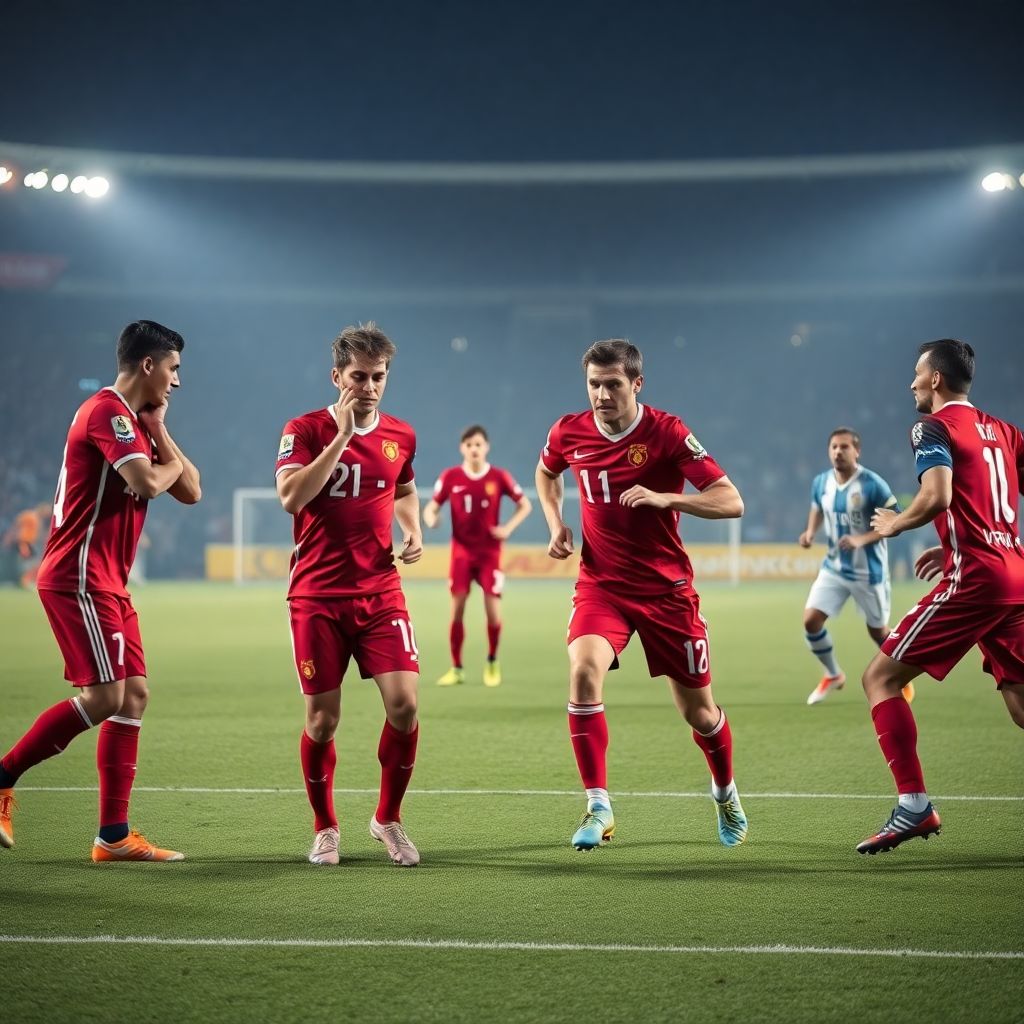
Turkish clubs struggle in European competitions mainly because habits formed in the Süper Lig do not scale against faster, better-structured opponents. Defensive blocks are poorly synchronized, build-up is fragile under high press, transitions are chaotic, and attacking patterns are predictable. Limited depth, rushed squad building, and conservative in-game decisions amplify these structural issues.
Tactical Summary: Why Turkish Sides Falter in Europe
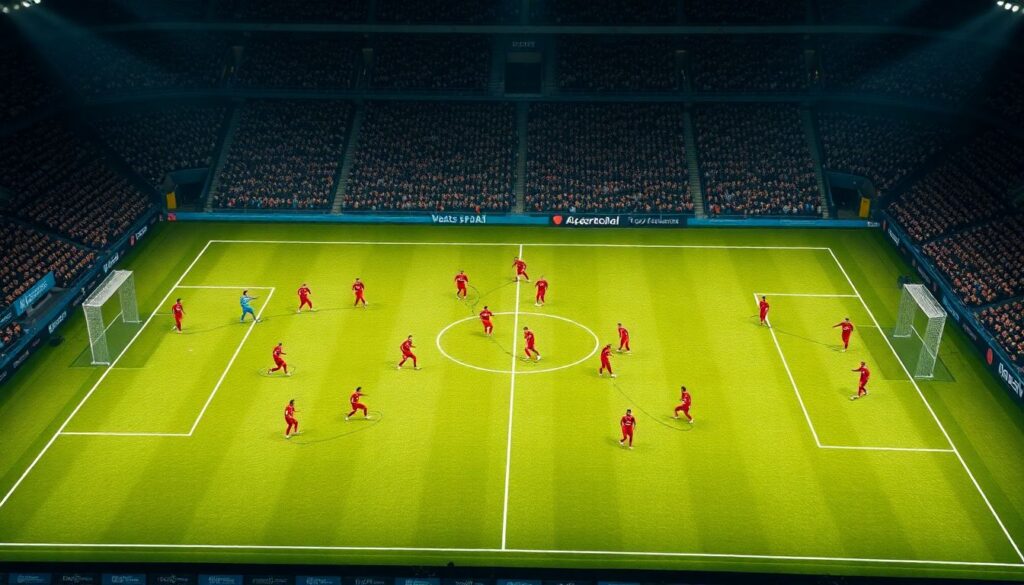
- Domestic match rhythms and officiating encourage risky pressing and transition-heavy football that breaks down against elite European structures.
- Back lines defend too deep while midfields press too high, creating exploitable gaps between the lines.
- Build-up schemes are under-coached; teams suffer when faced with organized high presses and intelligent mid-block traps.
- Attacks rely heavily on individual quality and crosses, with limited rehearsed patterns to unbalance compact European defenses.
- Coaches often delay structural changes, making slow or cosmetic substitutions instead of early tactical reconfiguration.
- Squad building prioritizes star names over complementary profiles, rotation planning, and robust two-way players.
Domestic League Dynamics and the European Performance Gap
The core problem is a structural mismatch: what is rewarded in the Turkish Süper Lig often fails in the Champions League, Europa League, or Conference League. In domestic play, top clubs can dominate with raw individual talent, emotional momentum, and direct transitions. In Europe, they face teams that demand precise spacing, coordinated pressing, and repeatable patterns.
At home, big Istanbul clubs frequently enjoy territorial dominance, long ball-in-play interruptions, and refereeing that allows heavy contact. This environment makes chaotic pressing and aggressive individual duels look effective. In European competitions, referees punish poorly timed challenges, and opponents exploit any positional indiscipline instead of engaging in constant 1v1 battles.
This is why many models behind uefa champions league predictions turkish teams consistently rate Turkish sides lower than domestic fans expect. Analytics services observe that the same open structures that produce entertaining Süper Lig wins also concede large volumes of high-quality chances when facing the best-organized European presses and counter-attacks.
For clubs with limited budgets, the gap is not only about money. It is about what is trained week to week. Even simple, low-cost video work and role clarity can narrow the tactical deficit more effectively than expensive but loosely integrated signings.
Defensive Organization: Systemic Patterns and Recurrent Vulnerabilities
Most Turkish sides defend with a mixture of man-orientation and late, improvised compactness. Against well-coached European opponents, this produces clear, repeatable weaknesses that show up in film and in most football data analytics tools for club performance in europe.
-
Stretched vertical distances.
The back line often drops deeply out of fear of runs in behind, while the midfield still jumps to press. This creates large pockets where opposition 10s and half-space players can receive, turn, and shoot without pressure. -
Late and inconsistent ball-side shifts.
When the ball switches flank, full-backs and wingers are slow to compress space together. European sides use quick diagonals and third-man runs to isolate the weak side full-back in 2v1 situations. -
Poor penalty-box line management.
Center-backs track runners individually instead of maintaining a line. Cut-backs from the byline expose the edge of the box, where unmarked midfielders arrive to finish or recycle chances. -
Unclear pressing triggers for forwards.
Strikers press reactively, chasing center-backs instead of using curved runs to block passing lanes. This grants European defenders easy access to their 6s, allowing controlled progression. -
Set-piece fragility.
Defensive set-piece schemes often mix zonal and man-marking without clear responsibilities. European opponents exploit mismatches, screens, and second balls at the top of the box. -
Wing isolation issues.
Wingers rarely track full-backs all the way, trusting full-backs to manage 1v2s. Against European rotation patterns, this leads to free crosses or cut-ins towards the half-space. -
Reactive, not anticipatory defending.
Defenders respond late to cues, preferring last-ditch interventions over proactive positioning. This style can work domestically but concedes dangerous penalties and free-kicks in Europe.
Teams with limited resources can improve these areas by standardizing just a few core principles: maximum distance between lines, ball-side compactness rules, and two or three simple set-piece routines drilled every week.
Build-Up Play, Press Resistance and Transition Exposure
Possession under pressure is a major fault line. When Turkish clubs try to build from the back against elite European presses, their usual domestic habits are exposed in several recurring scenarios.
-
Short build-up vs high press.
Goalkeepers play short to center-backs without a clear plan for the second and third pass. Opponents over-load the first line, forcing rushed long balls into poorly prepared forwards. This frequently creates negative transitions and opponent counter-attacks from high regains. -
Mid-block traps.
When European teams drop to a mid-block, Turkish sides feel a false sense of safety and advance wing-backs too early. A centrally misplaced pass triggers counter-pressing traps, with exposed half-spaces behind pushing full-backs. -
Poor occupation of the pivot space.
The defensive midfielder is either marked out of the game or drops too close to the center-backs. No alternative 6 or 8 steps into the vacant pocket, so the team relies on hopeful diagonal balls instead of structured progression. -
Transition defense after loss.
Many Süper Lig sides commit numbers forward with little consideration for rest defense. Upon losing the ball, they lack cover in central zones, leaving center-backs exposed to 1v1s over long distances. -
Goalkeeper distribution under pressure.
Keepers are often good shot-stoppers but limited passers. When pressed, they choose the safest-looking long ball, ignoring pre-planned zones or knock-down structures. Second balls are rarely secured, leading to repeated waves of European pressure. -
Risk-reward calibration.
At home in the Süper Lig, risks in build-up are tolerated because opponents cannot consistently punish them. In Europe, the same mistakes immediately generate high-value chances, which models behind turkish super lig betting tips for european competitions have started to factor in when pricing away games.
For clubs without budget for the best football analytics service for european club competitions, even basic tracking of build-up outcomes (e.g., video-tagging first four passes under press) can guide low-cost adjustments: design two or three simple exit patterns and rehearse them relentlessly.
Attacking Models: Predictability, Chance Creation and Finishing
In attack, Turkish clubs rarely lack technical quality but often lack repeatable schemes to create high-quality chances against compact European blocks. The common pattern is heavy wing focus, early crosses, and reliance on set-piece deliveries or individual dribbling, which becomes predictable over two-legged ties.
Strengths of the Typical Turkish Attacking Approach
- Strong 1v1 wingers. Many sides field explosive wide players who can beat full-backs and win fouls in advanced zones.
- Crossing threat. Target forwards and late-arriving midfielders make Turkish clubs dangerous from wide free-kicks and corners.
- Momentum-driven surges. In home legs, emotional crowd support fuels aggressive periods where teams generate flurries of shots and second balls.
- Set-piece creativity. Some clubs invest well in attacking set-piece routines, a key equalizer against superior European opposition.
- Counter-attacking potential. When they choose to sit deeper, Turkish teams can launch rapid counters through technically gifted attackers.
Limitations that European Defenses Exploit
- Predictable wing patterns. Repetitive wide combinations make it easy for European full-backs to anticipate cut-backs or inswing crosses.
- Limited central overloads. Few teams consistently create 3v2s around the opposition 6, so central progressions are sporadic.
- Poor box occupation. Forwards often attack the same zone, leaving far-post or edge-of-box areas unmanned for rebounds.
- Sub-optimal shot selection. Players settle for long-range attempts rather than seeking one more pass to improve shot quality.
- Over-reliance on one star. Many attacks are funneled through a single creative player; once neutralized, chance creation collapses.
Even with limited scouting staff, coaches can use low-cost video and public football data analytics tools for club performance in europe to map where shots actually originate. This reveals if the team is too cross-dependent or under-utilizing half-space combinations, and allows targeted micro-adjustments.
Managerial Strategies, In-Game Adjustments and Tactical Inertia
Coaching decisions magnify structural weaknesses. Turkish teams often start games with reasonable plans, then struggle to adapt within the 90 minutes when European opponents reveal unexpected shapes or pressing triggers.
-
Late substitutions as a default tool.
Changes come after minute 70 and are primarily like-for-like, focusing on fresh legs rather than role changes or structure shifts. -
Reluctance to alter the defensive block.
Coaches keep the same height and compactness even when the opposition systematically finds pockets between the lines. -
Over-valuing experience over role fit.
Veterans stay on the pitch in difficult games even when their profiles no longer match the intensity or tactical demands. -
Myth: “More attackers means more attacking.”
Adding extra forwards without adjusting rest defense or build-up structure usually increases transition vulnerability rather than chance creation. -
Myth: “You cannot press in Europe with Turkish squads.”
The issue is not pressing itself but uncoordinated pressing. Well-drilled, compact presses over short bursts are possible even with moderate athletic profiles. -
Lack of scenario training.
Teams rarely rehearse detailed plans for being 1-0 up or down away in Europe, so players fall back on emotional decisions instead of pre-defined behaviours.
An affordable alternative to a full advanced tactical analysis subscription european football is internal “scenario labs”: weekly short sessions dedicated only to specific match states (e.g., protecting a narrow lead vs a higher-possession rival) using clear, repeatable triggers.
Squad Composition: Rotation, Depth, and the Impact of Individual Profiles
Squad-building strategy is where competitive windows are either created or destroyed. Turkish clubs often sign high-salary names who raise expectations but do not improve the tactical balance needed for European nights. The squad ends up heavy in certain positions and light in others that are crucial for press resistance and transition defense.
Consider a simplified mini-case: a club pushes its wage bill to sign an aging star winger and a marquee number 10, leaving limited budget for athletic full-backs or a defensive midfielder with range. Domestically, the star players produce moments of brilliance; in Europe, slow full-backs and an isolated 6 are repeatedly exposed by wide overloads and high-tempo counters.
A more balanced, budget-conscious build could instead prioritize:
- Two moderately priced full-backs with recovery speed and crossing ability.
- A mobile defensive midfielder who can both screen and support build-up.
- One creative attacker with high pressing intensity rather than two low-running stars.
For clubs unable to afford the best football analytics service for european club competitions, even basic tagging of player involvements in high-intensity sequences helps identify which profiles sustain European match tempo. This information guides renewal decisions and low-fee signings better than reputation alone.
Many smaller Turkish sides looking to qualify for Europe can use open data and low-cost tools instead of a full advanced tactical analysis subscription european football. Limiting foreign spots to versatile, high-output roles and planning clear rotation for domestic vs European line-ups prevents fatigue and role confusion over the season.
Practical Tactical Checklist for Turkish Clubs Entering Europe
- Define and train one primary defensive block (height, compactness, line distances) and rehearse it weekly under match-like pressure.
- Create two simple, rehearsed build-up exit patterns against high press and one against mid-block traps, with clear roles for each player.
- Design three core attacking patterns focused on central overloads and varied box occupation, not just wing crosses.
- Plan substitution scenarios in advance for common match states (leading, drawing, trailing) and link each change to a structural shift.
- Use any available football data analytics tools for club performance in europe, even basic or free ones, to review shot locations, pressing outcomes, and transition vulnerabilities after every European match.
Recurring Tactical Queries from Analysts
Why do Turkish clubs look so different in Europe compared to the Süper Lig?
They move from an environment where they dominate physically and emotionally to one where structure and decision-making matter more. Defensive spacing, press resistance, and shot selection that are “good enough” domestically are quickly punished by European opponents.
Is the main issue fitness or tactical understanding?
Both matter, but tactical structure is the bigger gap. Even with similar physical profiles, Turkish teams often defend and attack with less collective coordination, making them look slower. Better spacing, clearer roles, and improved rest defense would instantly reduce the apparent physical deficit.
Can pressing football from the Süper Lig work in European competitions?
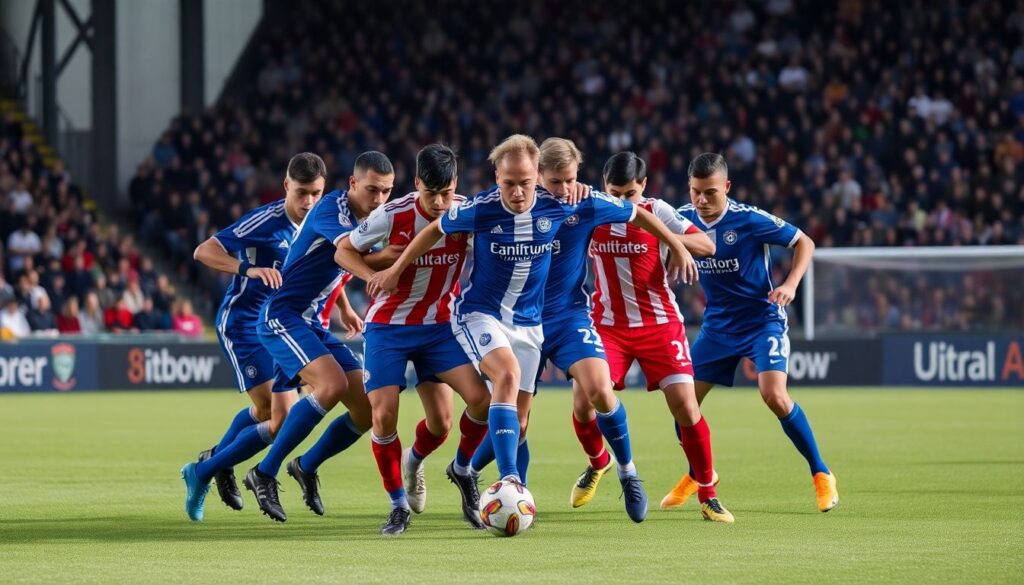
Yes, but it must be more compact and selective. Instead of constant, chaotic pressing, teams need clear triggers, shorter distances between lines, and pre-defined traps. Thoughtful pressing can be a strength, not a weakness, if coordinated.
How should smaller Turkish clubs with low budgets prepare for Europe?
Focus on clarity and repetition over complexity. Establish one solid defensive block, a basic but robust transition structure, and two or three rehearsed attacking patterns. Use inexpensive video analysis instead of chasing big-name transfers, and target role-fit players rather than pure reputation.
What tactical factors matter most for uefa champions league predictions turkish teams?
Models weigh goal difference, chance quality, and consistency, all of which are shaped by tactics. High numbers of shots conceded from central areas, fragile build-up against press, and over-reliance on set-pieces negatively affect prediction models for Turkish sides in the Champions League.
Are expensive foreign stars still useful in European games?
They can be, if their profiles fit a clear tactical plan and if the squad around them is balanced. A single star cannot fix poor spacing or transition defense. Clubs should prioritize complementary profiles and stamina over big names alone.
How can bettors use tactical insights in turkish super lig betting tips for european competitions?
Understanding tactical weaknesses helps interpret odds and narratives. For example, if a Turkish club struggles under high press and faces an aggressive European opponent away, bettors may adjust expectations for build-up success, territory, and defensive stability across both legs.