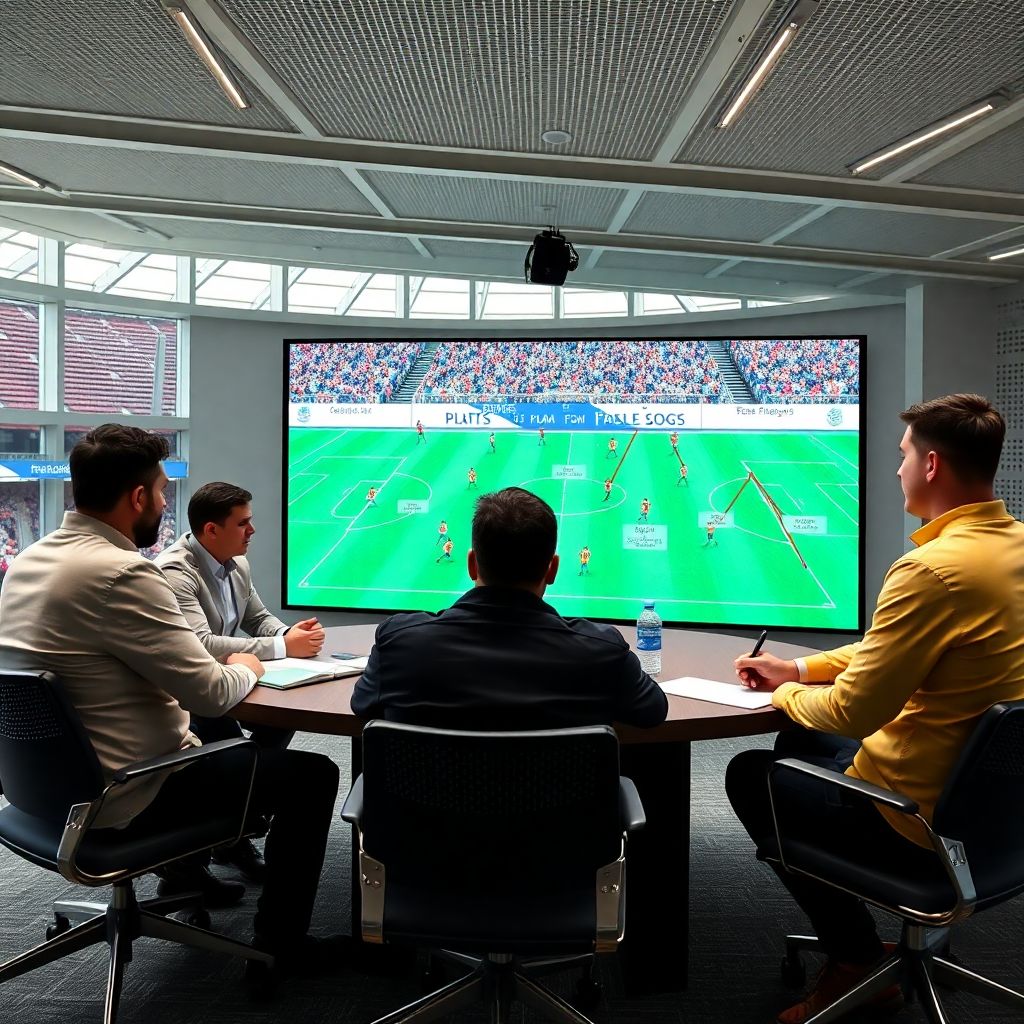
The No.10 role in the Süper Lig is best treated as a flexible, cost‑efficient hybrid between classic playmaker and aggressive presser, rather than a fixed luxury star. Compared with Europe’s Top 5 leagues, Turkish clubs gain most by recruiting adaptable, mid‑priced attacking midfielders and tailoring pressing and build‑up demands to budget and squad profile.
Summary of Tactical Shifts for the No.10
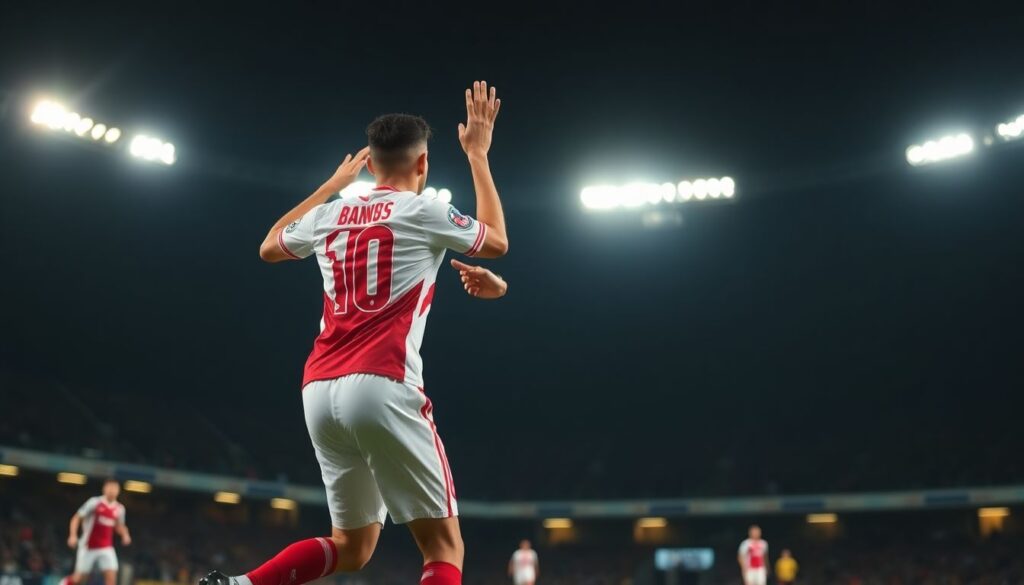
- Süper Lig clubs increasingly use the No.10 as a hybrid 8/10 who presses high and runs in behind, not only as a static creator between the lines.
- Compared with Europe’s Top 5 leagues, Turkish teams give the No.10 more freedom in possession but less protection out of possession.
- Budget pressure favours versatile profiles who can play as No.10, second striker or narrow winger instead of one-position specialists.
- Heatmaps show a shift from central pockets to wider half‑spaces and deeper involvement in build‑up, especially at Istanbul clubs.
- For cost‑effective recruitment, the best option is often to convert creative wingers or No.8s into a No.10 role rather than buying a marquee playmaker.
- Against stronger European opposition, Süper Lig sides increasingly sacrifice the traditional No.10 for an extra runner or presser in midfield.
Historical Origins of the No.10 in Turkish Football
Before going deep into any tactical analysis no 10 role super lig vs europe top 5 leagues, it helps to define clear criteria for judging how the position has evolved in Turkey.
- Cultural status of the playmaker: The No.10 shirt in Turkey has long been associated with star foreigners and local idols who dictate tempo and take set pieces.
- Role in slower build‑up: Traditional Turkish teams favoured measured possession, with the No.10 dropping to receive from double 6s and connecting to two strikers.
- Limited defensive load: Historically, the No.10 in the Süper Lig was spared heavy pressing; wingers and central midfielders did most of the defensive running.
- Two‑striker systems: 4‑4‑2 diamond and 4‑3‑1‑2 shapes were common, giving the No.10 a free pocket behind a strike pair and ahead of a single regista.
- Foreign star dependence: Many clubs built around imported No.10s, which shaped local expectations: creativity and flair first, tactical discipline second.
- Home‑grown technical 10s: Turkish academies prioritised first touch and vision for attacking midfielders, sometimes at the expense of pressing and athleticism.
- Impact of European competitions: Heavy defeats against intense pressing sides from Germany and England steadily forced Turkish coaches to reconsider the defensive duties of the playmaker.
- Shift after financial tightening: As TV money and budgets fluctuated, clubs could no longer afford a pure luxury No.10, pushing coaches toward multi‑role midfielders.
Contemporary Roles in the Süper Lig: Playmaker, False 9 and Hybrid Variants
Modern Süper Lig benches and analysts now talk less about a single No.10 and more about profiles. When reading football scouting reports attacking midfielders super lig and europe, you will see similar archetypes but used differently in Turkey versus the Top 5 leagues.
| Variant | Best suited for | Advantages | Drawbacks | When to choose this option |
|---|---|---|---|---|
| Classic Playmaker 10 | Teams dominating the ball at home, e.g. big Istanbul clubs versus mid‑table sides. | High creativity between the lines; good at unlocking low blocks; strong set‑piece value. | Can weaken pressing and rest‑defence; may be exposed in high‑tempo European matches. | Use when you expect 60%+ possession and need constant final‑third combinations rather than transition speed. |
| Pressing 10 / Second Striker | Clubs that press high but lack elite individual defenders; counter‑pressing oriented sides. | Improves first line of pressure; connects quickly with striker; ideal for vertical transitions. | Less pure chance creation; needs smart runners wide to compensate for fewer through balls. | Choose when you want to disrupt build‑up of technically weaker centre‑backs and play direct after regains. |
| False 9 from 10 Zone | Teams with quick wingers who attack space and centre‑backs that dislike stepping out. | Pulls defenders away to open channels; creates overloads in midfield; helpful in Europe where you face strong double‑pivots. | Requires extremely intelligent movement; can leave box empty if wingers fail to attack crosses. | Opt for this when your wide players are main scorers and your No.10 has striker‑level finishing. |
| Hybrid 8/10 Runner | Budget‑conscious Süper Lig clubs that cannot buy a specialist and need work‑rate plus creativity. | Covers big distances; supports box‑to‑box play; adds late runs into the area; makes pressing structure more stable. | May lack the final pass of elite 10s; can be overworked if double pivot is weak. | Pick this when you rely on compact 4‑2‑3‑1/4‑4‑1‑1 shapes and need both pressing and counter‑attacking threat. |
| Wide Playmaker 10 | Teams that invert wingers into half‑spaces and use overlapping full‑backs for width. | Finds pockets between full‑back and centre‑back; easier to protect defensively; offers crossing and cut‑backs. | Creates less centrally; demands intelligent rotations with full‑back and No.8. | Use when your traditional central 10 is easily man‑marked and opponents defend narrow middle zones. |
In practice, most Süper Lig managers blend these templates. Some of the best number 10 playmakers in turkish super lig 2024 often oscillate between classic No.10 actions and pressing‑10 responsibilities within the same match, depending on scoreline and opponent build‑up structure.
Statistical Comparison: Creativity, Pressing and Heatmap Trends (Süper Lig vs Top 5)
Even without exact numbers, game models and video coding reveal clear contrasts in creativity, pressing and positioning between Turkish clubs and teams from La Liga, Premier League, Serie A, Bundesliga and Ligue 1. Below is a cost‑efficiency‑oriented comparison of how the No.10 slot is typically used.
| League | Typical No.10 profile | Creative emphasis | Pressing demand | Budget efficiency focus |
|---|---|---|---|---|
| Süper Lig | Hybrid 8/10 or narrow winger converted into central creator. | Key passes and set‑pieces, with heavy reliance on individual flair in tight games. | High in top clubs, uneven in lower table; structure can be chaotic when pressing fails. | Strong: many clubs buy undervalued 10s from second tiers or transform existing players. |
| Premier League | Physically dominant, multi‑phase attacking midfielders comfortable in tight spaces. | Balanced between through balls, cut‑backs and late box entries. | Very high; No.10 expected to lead press and track deep‑lying playmakers. | Moderate: top sides pay premiums, but mid‑table clubs use loans and flexible roles. |
| La Liga | Technically elite playmakers or narrow wide creators. | Strong focus on combination play and exploiting half‑spaces. | Medium‑high; more about clever pressing angles than raw running. | Variable: some clubs invest heavily, others promote academy 10s for resale. |
| Serie A | Tactical 10s who understand rotations with mezzali and strikers. | High on set‑plays and structured build‑up patterns. | Medium; shape discipline matters as much as sprint volume. | Strong: many free‑transfer and low‑fee deals for experienced creators. |
| Bundesliga | Pressing monsters with creative upside. | More focused on transition passes and final ball after regains. | Very high; No.10s are part of coordinated pressing traps. | Good: intense scouting of undervalued younger attacking midfielders. |
| Ligue 1 | Highly athletic attacking midfielders with dribbling power. | Strong on ball‑carrying and broken‑play creation. | High in top sides, mixed elsewhere depending on coaching. | Strong: league is a seller of No.10s to richer competitions. |
To convert this comparison into action, use scenario‑based guidelines:
- If your club has a limited budget but strong local work‑rate, then prioritise a Hybrid 8/10 Runner profile and copy Bundesliga‑style pressing demands rather than chasing a pure luxury playmaker.
- If you plan to dominate possession in the Süper Lig but sit deeper in Europe, then build around a Classic Playmaker 10 at home and train him to act as a False 9 or wide playmaker in European away fixtures.
- If your wingers are your best scorers and you face deep blocks weekly, then adopt a False 9 from 10 Zone solution to drag centre‑backs out and free wide channels, mirroring some Premier League attacking patterns.
- If you are a selling club targeting profit, then recruit young, position‑flexible 10s that resemble Serie A and Ligue 1 profiles, where tactical intelligence and athleticism travel well to Top 5 buyers.
- If your board approves a premium signing for Europe, then use a data analytics service for player role evolution in european football to identify a No.10 who already posts high pressing and chance‑creation numbers in a Top 5 league structure.
Coaching Philosophies Shaping the No.10’s Duties in Turkey
Different Süper Lig coaches treat the No.10 spot in line with their game model, from patient positional play to aggressive transition football. Use this quick decision process to choose which model fits your squad and budget.
- Define your primary game phase: decide whether you want to win mainly through sustained possession, fast transitions, or high pressing.
- Rate your midfield’s athleticism: if your double pivot lacks legs, your No.10 must contribute heavily to pressing and backward runs.
- Assess striker type: if the 9 is a target man, the 10 can be more of a runner; if the 9 is mobile, the 10 may stay between lines as a connector.
- Study your league context: against most Süper Lig opponents you may dominate the ball, but in Europe you might need the 10 to form a midfield three.
- Map squad versatility: check which players could play as No.10, narrow winger or second striker, and only then consider external recruitment.
- Balance star ego vs structure: if you sign a big‑name 10, design clear defensive rules and replacements so the system does not break when he presses inconsistently.
- Plan developmental pathways: create an internal route for U19 attacking midfielders to learn pressing triggers, not just creative actions, so they are usable in modern first‑team structures.
Transfer Market Realities: Budget Constraints, Player Profiles and Tactical Consequences
From a Turkish perspective, tactical choices around the No.10 are inseparable from market conditions and access to foreign talent. Professional decision‑makers and professional football tactics consulting for super lig clubs often warn about the same recurring errors.
- Overpaying for ageing, low‑intensity star 10s whose running power no longer fits a pressing game.
- Ignoring language and adaptation issues for creators expected to coordinate complex positional play within months of arrival.
- Signing two or three similar No.10s and then forcing one of them to the wing, weakening balance and defensive coverage.
- Underestimating the resale value of young, tactically flexible 10s compared with older, one‑dimensional playmakers.
- Failing to demand clear out‑of‑possession benchmarks in contracts and internal evaluations, treating the 10 as exempt from defensive KPIs.
- Neglecting set‑piece delivery when recruiting; a cheaper 10 with excellent dead‑ball quality can add as much value as a more expensive dribbler.
- Not using modern football scouting reports attacking midfielders super lig and europe together, which leads to misjudging intensity gaps when importing a 10 from weaker leagues.
- Chasing marquee names instead of profiles, resulting in stylistic clashes with existing striker and winger types.
- Skipping data‑video cross‑checks: trusting highlight reels instead of consistent metrics and full‑match tactical behaviour.
Formation Adaptations: How Süper Lig Systems Diverge from La Liga, Premier League, Serie A, Bundesliga and Ligue 1
For budget‑first Süper Lig clubs, the most effective solution is usually a Hybrid 8/10 Runner in a flexible 4‑2‑3‑1 that can become 4‑3‑3 in Europe; for squads with a bit more spending power and ambitions beyond domestic success, blending a Classic Playmaker 10 with pressing‑10 behaviours gives the best balance between creativity, resale potential and tactical adaptability.
Common Reader Concerns and Practical Clarifications
How different is the No.10 role in the Süper Lig from Europe’s Top 5 leagues in practice?
The Süper Lig still allows slightly more creative freedom and less strict pressing structure for the No.10 than most Top 5 leagues. However, top Turkish clubs are rapidly closing that gap, demanding higher defensive output and flexibility between 10, 8 and wide roles.
What type of No.10 should a mid‑table Süper Lig club with a small budget target?
Focus on a Hybrid 8/10 Runner profile, ideally a converted No.8 or winger with good work‑rate and basic playmaking. This offers pressing reliability and enough creativity without the cost of an elite, pure playmaker.
Can a traditional luxury playmaker still work for an ambitious Turkish club?
Yes, but only if the rest of the squad can compensate physically and the coach adapts the press so the No.10 is protected. In Europe, that player may need to shift wide or act as a False 9 to avoid defensive weaknesses.
How should scouting reports for attacking midfielders differ between the Süper Lig and Top 5 leagues?
Scouting for Turkey should emphasise versatility, adaptability to higher temperatures and travel, and resilience in chaotic game states. For Top 5 leagues, reports must detail pressing intelligence and off‑ball positioning under intense, structured pressure.
Is investing in a data‑driven No.10 really worth it for clubs outside the big three in Turkey?
Yes, if done efficiently. Using a targeted, affordable data analytics service for player role evolution in european football helps identify undervalued No.10s who already fit your tactical needs, reducing transfer risk and increasing resale potential.
Where do consulting services add most value when redefining the No.10 role?
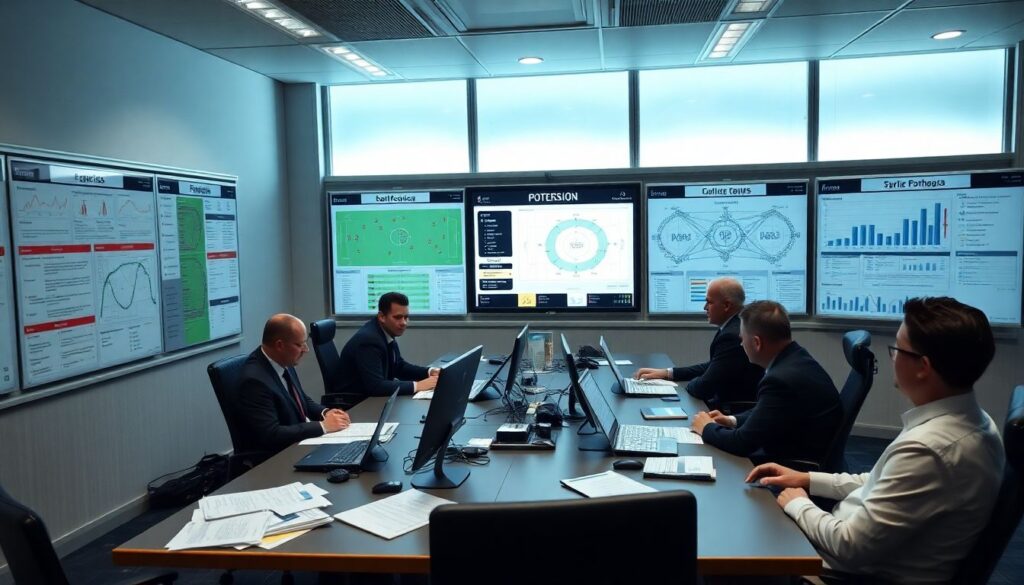
External professional football tactics consulting for super lig clubs adds value in aligning recruitment, academy development and first‑team tactics, ensuring the chosen No.10 profile fits both current squad structure and medium‑term financial plans.
How can clubs benchmark their No.10s against the best in Europe without huge budgets?
Clubs can benchmark by combining open or affordable event data, video tagging and comparative dashboards that reference Top 5 league examples. This creates context to compare local players with best‑practice role models across Europe.