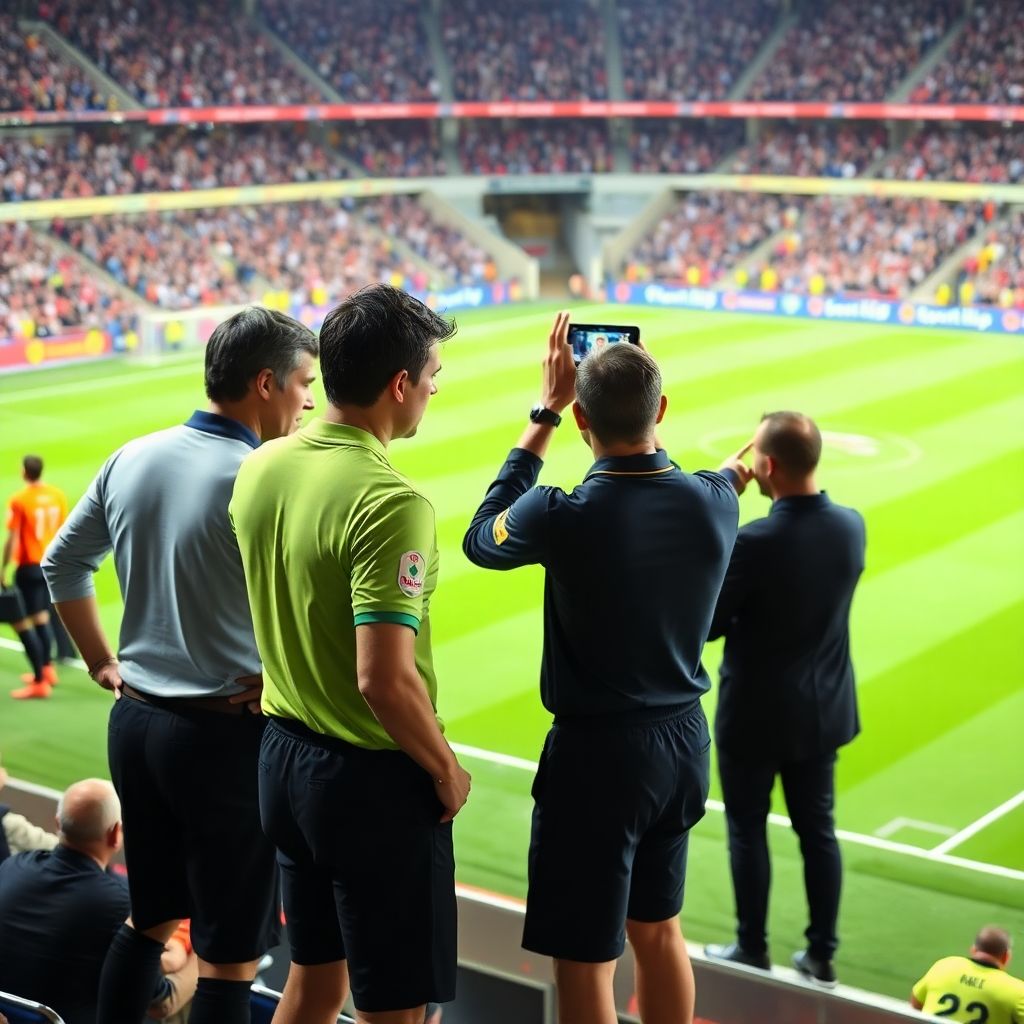
Video Assistant Referee (VAR) has shifted Turkish refereeing debates from pure emotion toward evidence-based argument, but also added new layers of suspicion and analysis. In the Süper Lig, every marginal offside, penalty and red card is now dissected through replays, communication protocols and league-wide consistency, not just single whistle decisions.
Core Conclusions on VAR’s Influence in Turkish Football
- VAR turned many silent refereeing errors into visible, replayed incidents, increasing transparency but also public tension.
- Debates moved from whether a referee saw an incident to how VAR protocols, angles and thresholds were applied.
- Clubs, media and supporters now demand full process clarity: which checks were made, by whom, and in how much time.
- Training for Turkish referees has shifted toward teamwork, communication and technology literacy, not just physical fitness.
- Discussions about refereeing quality in Turkey now routinely reference clips, audio, and turkey super lig var statistics and reports.
- Trust depends less on single referees and more on the perceived neutrality and competence of the entire VAR system.
Timeline of VAR Adoption in the Süper Lig
In Turkish football, VAR was introduced as a structured system to support the referee on the field, not to replace him. Initially, expectations were extremely high: many fans believed it would practically eliminate refereeing debates and remove claims of bias between the major Istanbul clubs and Anatolian sides.
Over time, the conversation changed. Instead of arguing only about the referee's view, discussions began to focus on camera angles, line drawing for offsides and the exact wording of the VAR protocol. This is why any modern var decisions in turkish football analysis must consider both the historical context and the evolving interpretation habits of match officials.
By the time turkish super lig var controversy headlines became routine, VAR had become part of the normal match preparation for coaches and analysts. Technical staff started to plan pressing, set-pieces and penalty-area behaviour with the knowledge that every clash, handball or tug on a shirt might be slowed down and reviewed in detail in the operations room.
Hardware, Software and the Matchday Review Process
On a typical Süper Lig matchday, VAR technology operates through a tightly defined workflow that connects the on-field team with the remote video room.
- Camera feeds aggregation: Multiple broadcast and tactical cameras send live feeds to the VAR room, giving officials several angles for incidents in the penalty area, offside lines and violent conduct.
- Dedicated replay systems: VAR operators use specialized software to rewind, slow down and zoom key incidents. This is what supporters see as super lig refereeing mistakes var replays in post-match shows, though in the room the sequence and angles can differ.
- Check and review protocol: Every goal, penalty incident, potential straight red card and case of mistaken identity is automatically “checked” in the background, usually without stopping play unless a “review” is required.
- Communication with the referee: VARs communicate via headset, recommending either “check complete” (no on-field change) or an on-field review at the pitch-side monitor when the decision is clearly wrong or there is a serious missed incident.
- Calibrated offside tools: When applicable, offside lines are drawn digitally. The referee then receives a factual recommendation (offside/not offside), but remains formally responsible for the decision in the match report.
- Post-match archiving: Clips, decisions and communication logs are stored for internal review, education and any federation-level evaluation, which later feeds into public turkey super lig var statistics and reports.
How VAR Changed Referee Behaviour and Decision Patterns
In practice, VAR has reshaped the psychology and style of refereeing in the Süper Lig, sometimes in subtle ways that only appear clearly over a full season.
- More deliberate penalty decisions: Some referees are less willing to award marginal penalties immediately, preferring to wait for a clear view while knowing that VAR will highlight any “clear and obvious error.” This creates fewer impulsive whistles but can occasionally delay decisions.
- Delayed flags on tight offsides: Assistant referees often keep the flag down on close attacking moves, letting the play finish so VAR can later evaluate any offside. This reduces the risk of stopping a promising attack incorrectly but can confuse defenders trained under old habits.
- Stricter reaction to violent conduct: Knowing that off-the-ball incidents are continuously recorded, players are less free to use subtle fouls and gestures. When a flashpoint does occur, referees rely on VAR to confirm unseen elbows, stamps or punches.
- Different positioning and angles: Some match officials adjust their running paths to see a wider picture in the box, trusting that very small contacts or handballs can be rechecked. This may occasionally place the referee slightly further from the ball to protect his viewing corridor.
- Team communication emphasis: The referee-assistant-fourth official-VAR relationship is now central. Misunderstandings inside this group can create inconsistent outcomes, which then appear as new turkish super lig var controversy talking points in the media.
Public Controversies and Media Narratives Around Key Matches
Süper Lig debates around VAR are not only technical but also emotional and political. Certain high-profile matches shape the overall reputation of the system for months.
- Perceived club bias: Fans often believe big clubs benefit from marginal calls. When a top team receives a VAR-checked penalty or avoids a red card, rival supporters interpret it as structural bias, not just an isolated judgment.
- Transparency gaps: When the federation does not quickly explain why a particular decision was supported or overturned by VAR, commentators fill the vacuum with speculation. Clips circulate online faster than official communication.
- Media editing choices: TV programs and online channels choose specific frames and speeds when discussing incidents. Slow-motion replays can exaggerate contact, while single still images can hide the referee's real-time perspective.
- Fragmented protocol understanding: Many fans and even some pundits misunderstand what VAR is allowed to review. This leads to criticism when, in reality, the protocol forbids intervention in certain types of fouls or second yellow cards.
At the same time, VAR has delivered clear benefits for fairness when used correctly.
- Correction of obvious mistakes: Goals scored from offside positions or with clear handballs are more often cancelled, reducing anger from clubs and coaches directly affected by those specific incidents.
- Support for referees under pressure: In intense derbies, the knowledge that a second team of eyes is watching calms some officials, allowing them to take difficult decisions that might previously have been avoided.
- Evidence for disciplinary bodies: Clear video replays help post-match disciplinary panels evaluate violent conduct, simulation and unsporting behaviour with more confidence.
- Educational value for the public: Clips used in analysis shows, including the latest var news turkish super lig 2024 segments, help explain modern interpretations of handball, offside interference and serious foul play.
Quantitative Effects: Penalties, Offside Calls and Match Duration
Even without relying on exact percentages, some broad patterns are visible when examining how VAR changed the flow of Süper Lig games. Analysts reviewing turkey super lig var statistics and reports often focus on three areas: penalty awards, offside decisions and effective playing time.
- Myth: VAR only increases penalties. In reality, VAR sometimes cancels soft penalties that were given on first viewing while awarding others that the referee missed. The key change is not a simple increase, but a shift toward clearer, more justifiable penalty decisions over time.
- Myth: Offside decisions are now perfect. Offside line technology reduces obvious human error, but the choice of camera frame and the interpretation of “interfering with play” can still be debated. Marginal calls remain controversial even after super lig refereeing mistakes var replays are shown from multiple angles.
- Myth: VAR always makes matches much longer. Long VAR interventions do extend certain games, especially when several incidents occur in one half. However, many checks happen silently in the background while play continues, so only a fraction of the technological work is visible to fans.
- Common oversight: Added time management. Referees sometimes struggle to add sufficient stoppage time after long reviews, leading to frustration for teams that are chasing a result. This becomes a strategic factor for coaches planning late-game substitutions and tempo.
- Analytical blind spot: Club tactical adaptation. Teams that understand VAR's impact on defending and pressing (for example, reducing risky tackles in the box) can benefit over a season, but this is rarely highlighted in surface-level var decisions in turkish football analysis.
Education, Oversight and Policy Revisions for Turkish Referees
For referees in Turkey, adapting to VAR is a continuous learning process that combines classroom education, field simulation and performance monitoring. Policy changes from the federation aim to standardize decisions and reduce inconsistent interpretations between different referee teams.
A simplified training and oversight cycle for VAR-related development in the Süper Lig can be described as follows:
- Clip collection: After each round, the federation compiles key VAR incidents (penalties, goals, red cards, mistaken identities) across all matches.
- Joint review sessions: Referees and VAR officials meet (physically or online) to review the clips, comparing the initial decision, the VAR intervention and the final outcome against the written protocol.
- Guideline refinements: Where patterns of confusion appear (for example, in handball or aerial duels), the refereeing committee issues clarifications or new examples to reduce future disagreement.
- Performance feedback: Individual officials receive private evaluations on communication tone, speed of checks, and use of the on-field monitor, which feeds into appointments for future high-pressure matches.
- Public-facing communication: Selected incidents are later used in press briefings or educational videos to show how the protocol works in practice, influencing the content of the latest var news turkish super lig 2024 segments.
For coaches, players and analysts, a short self-checklist helps maintain realistic expectations and align preparation with how VAR actually operates in Turkish football.
- Can you clearly distinguish which situations VAR is allowed to review and which remain fully on the referee?
- Do your match plans consider the impact of delayed flags, longer checks and extended added time on pressing and substitutions?
- When discussing incidents, are you using full-speed and multiple-angle views instead of relying on a single slow-motion replay?
- Are you following official federation explanations and reports, not only club channels and social media compilations?
- Have you incorporated recent VAR interpretation trends in Turkey into your player education, especially for defending in the penalty area?
Practical Questions from Coaches, Players and Supporters
Which decisions can VAR actually change in the Turkish Süper Lig?
VAR can intervene in goals, penalty incidents, potential direct red cards and cases of mistaken identity. It does not review every foul, nor second yellow cards, so some controversial moments stay outside its formal scope even if replays are available.
Why do some VAR checks take so long while others are very quick?
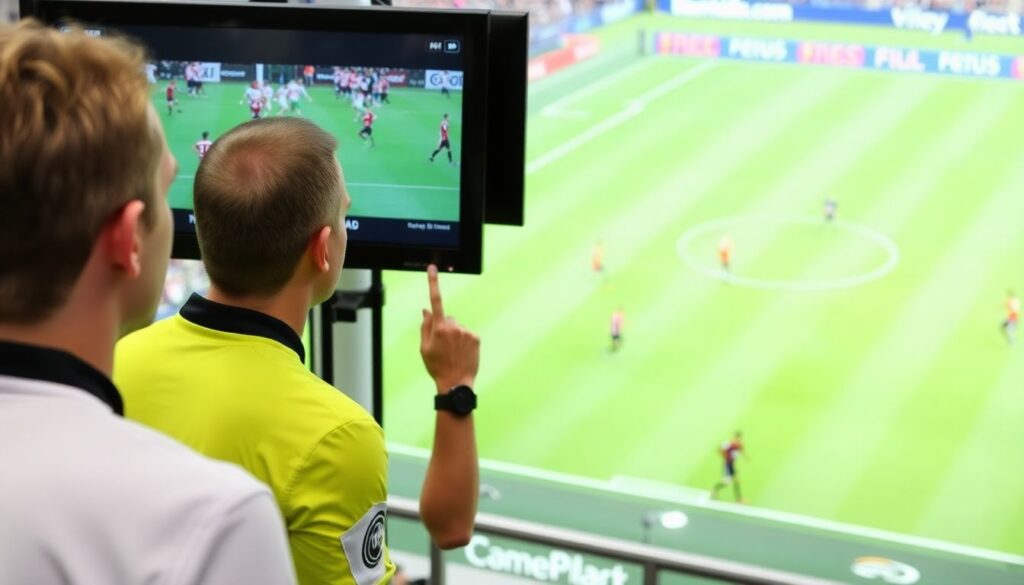
Long checks usually involve complex offside situations, potential handballs with several deflections or unclear camera angles. Quick checks are often straightforward factual confirmations, such as a clear offside or a foul that obviously occurred inside or outside the penalty area.
Can teams request a VAR review if they believe the referee is wrong?
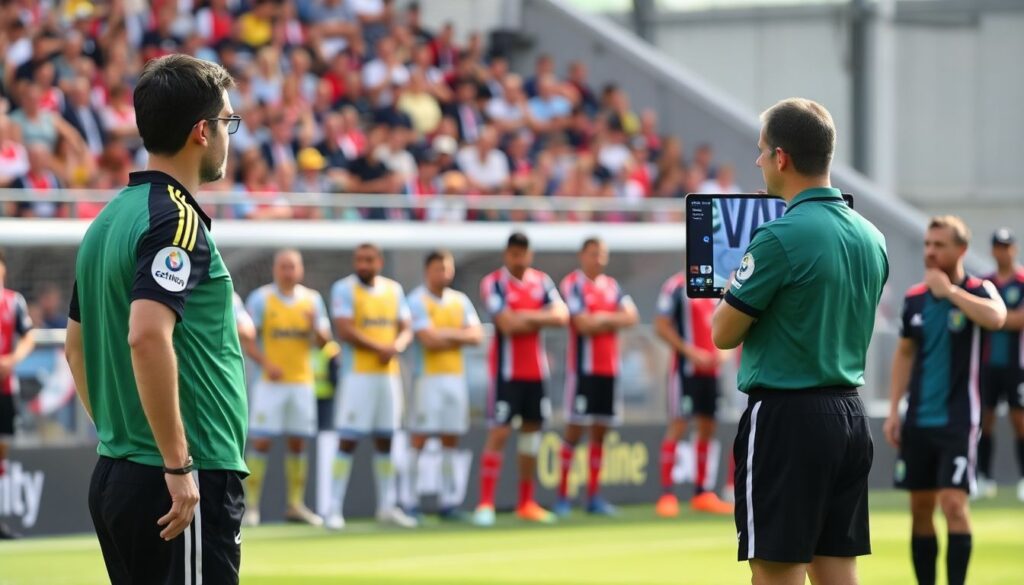
No, teams cannot demand a VAR check or challenge decisions. The VAR team decides when to recommend a review, and the referee has the final authority to accept or reject that recommendation based on the protocol.
Why do TV replays sometimes show angles that VAR did not use?
Broadcasters and VAR do not always select the same camera angle or frame at the same moment. VAR officials focus on angles that best answer the specific question (for example, point of contact or offside line), while TV producers may choose more dramatic or clearer images for viewers.
Is VAR audio communication ever released to the public in Turkey?
In general, live VAR audio is not broadcast during Süper Lig matches. Occasionally, the federation may use selected clips and explanations in educational or review programs, but full real-time audio access for fans is not standard practice.
How should coaches adapt their tactics to VAR in the penalty area?
Coaches should train defenders to avoid grabs, late tackles and arm use in the box, as these are magnified by slow-motion. Attacking players are advised to stay onside and control their movements, knowing that any unnecessary contact can be re-checked from several angles.
Does VAR make referees in Turkey more or less confident?
Many referees feel more supported on big decisions, which can increase confidence. However, constant public scrutiny of VAR choices can also create pressure, so psychological preparation and communication training are now essential parts of referee development.