Modern European football moves fast, and Turkey’s Big Three either keep up or get left behind. Galatasaray, Fenerbahçe and Beşiktaş are all rethinking how they train, buy players and sell their brands, trying to turn tradition into a competitive edge instead of a burden. Below we’ll unpack what exactly is changing, with concrete cases from the pitch and from the boardroom, plus a realistic Galatasaray Fenerbahce Besiktas comparison in today’s context.
—
Historical background: from local giants to continental contenders
For decades, the Big Three dominated domestically thanks to passionate support and political influence more than modern planning. European results were sporadic: the huge exception was Galatasaray’s 2000 UEFA Cup and Super Cup, which set a benchmark none of the others matched consistently. Fenerbahçe’s 2007–08 Champions League quarterfinal and 2012–13 Europa League semi also hinted at potential, while Beşiktaş’s 2016–17 Champions League last‑16 run showed what a balanced, technical squad could do. Yet depth, fitness and financial planning lagged well behind top‑five leagues.
Around the mid‑2010s, the gap with modern European football became too obvious to ignore. Faster transitions, pressing systems and data‑driven recruitment exposed the old Turkish model built on aging stars and emotional atmosphere. The Big Three started to copy what worked in Germany and England: integrated academies, sports science, more specialized coaching staffs. At the same time, UEFA’s Financial Fair Play forced them to rethink spending habits; easy short‑term fixes with expensive veterans became much riskier, and developing sellable assets turned from theory into survival strategy.
—
Core principles of adaptation
Today, the main shift is from instinctive decision‑making to structured models. All three clubs talk about “game identity” instead of just “winning the next derby”. For Galatasaray, this means controlled possession with aggressive pressing after loss, visible under Okan Buruk in their 2022–24 league‑winning sides. Fenerbahçe, under coaches like Jorge Jesus and later İsmail Kartal and José Mourinho, leaned into vertical, high‑tempo football with dynamic full‑backs. Beşiktaş, when stable, prefers a mix: patient buildup combined with direct transitions using technically strong forwards and wingers.
Behind the scenes, the principles are almost identical to mid‑tier Bundesliga clubs. Recruitment teams rely on data to filter players by age, salary potential and tactical fit, then combine it with traditional scouting. Sports science staffs track workload, sleep and recovery to avoid the classic Turkish pattern of autumn peaks followed by spring collapses. There’s also a clearer focus on resale value: bringing in 23‑ to 26‑year‑olds who can improve and be sold on, instead of building entire squads around big‑name thirty‑somethings who inevitably lose intensity in Galatasaray Fenerbahce Besiktas European competitions performance.
What “modernization” means in practice
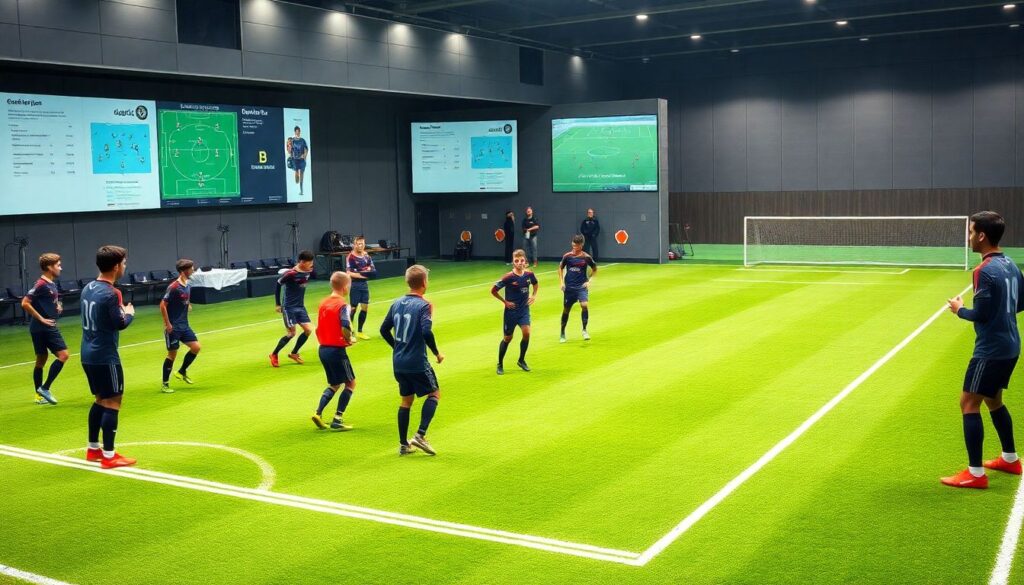
In practical terms, the Big Three are trying to turn the club into a platform rather than a retirement home for stars. Key directions:
– Investing in academies and B‑teams, not just the first XI
– Professionalizing analysis: opponent reports, set‑piece design, match‑to‑match tactical tweaks
– Turning the brand global via English‑language content, e‑commerce and international tours
They’re also adjusting to fans’ habits. Instead of relying solely on TV deals, they push club apps, social media and official streaming guides explaining how to watch Galatasaray Fenerbahce Besiktas matches online legally, steering supporters away from piracy and toward monetizable platforms.
—
Case studies: Galatasaray
Galatasaray’s recent rebuild is probably the clearest case of adaptation. After years of chaotic transfers, they shifted towards a profile‑based approach. The signings of Lucas Torreira and Sacha Boey showed a new logic: younger, intense, tactically intelligent players who raise both the floor and the ceiling of the team. Boey’s subsequent big‑money move to Bayern Munich proved that the club can still sell to the top level if it scouts smartly and exposes players in the Champions League.
On the pitch, the 2023–24 Champions League group stage win at Old Trafford over Manchester United was a showcase of modern thinking. The team pressed in waves rather than all at once, used quick inside runs from the wingers and targeted United’s build‑up weaknesses. This wasn’t just passion or “Turkish night” mystique; it was a prepared game plan supported by video analysis and detailed opposition scouting. Galatasaray’s staff structure—specialist analysts, fitness experts, rehabilitation coaches—now looks much closer to a mid‑table Premier League club than to the romantic image of a chaotic Balkan‑style giant.
—
Case studies: Fenerbahçe
Fenerbahçe’s big turning point came with Jorge Jesus in 2022–23. Whatever one thinks of the results, the style was unmistakably modern: a high defensive line, aggressive pressing, constant rotations in the front line and an emphasis on fitness. Training intensity went up, GPS data was used more systematically, and the squad was built to handle this pace, with multiple mobile midfielders and versatile full‑backs. Even after Jesus left, the club largely kept these habits, treating them as club standards rather than coach‑specific whims.
A second pillar of Fenerbahçe’s adaptation is commercial and fan‑oriented. The club heavily expanded its digital presence, from English‑language YouTube content to online stores that ship worldwide. Instead of relying on matchday sales around Kadıköy only, they built campaigns around new kits, pushing official Galatasaray Fenerbahce Besiktas jerseys for sale to international audiences as lifestyle items. For 2025, they are planning dynamic pricing and online priority windows for key derbies, making Galatasaray Fenerbahce Besiktas tickets 2025 not just a local demand story but a tourism product tied to Istanbul city marketing.
—
Case studies: Beşiktaş
Beşiktaş had to adapt with less financial room, which forced them to be more creative. Their best spells in Europe came when they combined experienced leaders with undervalued talents from the Balkans, Africa and lower‑profile European leagues. The 2016–17 group stage, where they topped a Champions League group undefeated, came from a smart mix: players like Ricardo Quaresma and Pepe were balanced by more modest signings who fit a coherent system. Recently, the club has tried to rebuild that template, using data to identify younger, dynamic players who can be developed and sold.
Off the pitch, Beşiktaş leans heavily on its identity as “the people’s club” but now filters that through modern platforms. Their content strategy focuses on behind‑the‑scenes footage, tactical explainers and community projects, presented in both Turkish and English to grow a broader fanbase. The club also experiments with flexible season‑ticket packages and partial subscriptions, an important move in a city where cost of living and traffic shape attendance patterns. This mix of realism and ambition keeps Beşiktaş competitive without betting the entire future on one risky transfer window.
—
Common misconceptions about the Big Three’s evolution
One common myth is that Turkish clubs can’t press or play high‑tempo football because of climate, mentality or “lack of discipline”. Reality: when properly conditioned and rotated, these teams can press as intensely as many European sides, especially in autumn and spring. The issue has historically been inconsistent preparation and depth, not some cultural inability. The Jesus‑era Fenerbahçe and Buruk’s Galatasaray have statistically posted pressing numbers comparable to respectable Bundesliga teams when the squad was fully fit.
Another misconception is that the Big Three are purely emotional institutions stuck in the 1990s, ignoring analytics. While there is still political pressure and short‑term thinking, each of these clubs now employs data analysts who feed into transfer and tactical decisions. Poor signings still happen, but the process is more structured than the cliché of a president signing his favorite TV pundit’s recommendation. Also, modern commercialization doesn’t mean fans are priced out; instead, clubs offer varied tiers, from cheap digital memberships to premium hospitality.
What fans and observers often overlook
There are a few more blind spots when people discuss modernization in Istanbul:
– European performance is cyclical; one bad campaign doesn’t erase systemic progress
– Domestic scheduling, travel and pitch quality still handicap these clubs compared to Western Europe
– Adaptation is uneven inside each club; the academy may be modernized while the boardroom remains old‑school
Despite these frictions, the overall direction is clear: even traditional powerhouses must think like global businesses with coherent football philosophies, not just as local symbols.
—
How this changes the fan experience
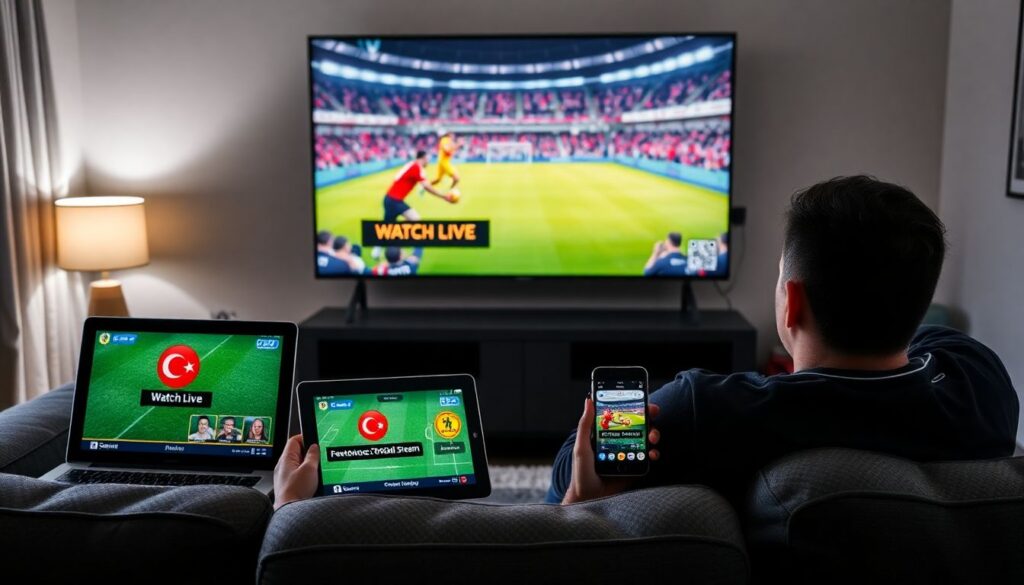
As the Big Three modernize, following them from abroad gets easier. Official websites, club apps and licensed broadcasters now provide clear information on how to watch Galatasaray Fenerbahce Besiktas matches online without resorting to dubious streams. Matchday itself is also changing: digital tickets, real‑time push notifications and cashless stadiums bring Istanbul closer to London or Munich standards. That said, the raw noise and choreographies in the stands remain uniquely Turkish, blending modern infrastructure with old‑school atmosphere.
Merchandise and global branding have taken a similar path. Instead of simple knock‑off kits in local markets, you now see integrated campaigns, influencer collaborations and limited‑edition drops. A fan in Berlin or Jakarta can order official products in a few clicks, track delivery and access club content in English or other languages. This might feel overly commercial to some, but it’s part of the financial base that allows the Big Three to keep pace with Europe, fund academies and pay for the kind of sports science setups that underpin long‑term success.
—
Final thoughts: from tradition to transformation
The Big Three can no longer rely solely on noise in the stands and nostalgia about past European nights. Their adaptation to modern European football is uneven and sometimes clumsy, but it is undeniably underway. Recruitment is smarter, squads are built with systems in mind, and commercial strategies aim beyond Istanbul’s city limits. The real test will be consistency: can they maintain these standards through changes of presidents, coaches and economic cycles, or will each crisis drag them back to old habits?
For now, the direction of travel is promising. When you watch a European night at Rams Park, Şükrü Saracoğlu or Vodafone Park today, you still feel the same emotional charge as in the 1990s. The difference is that behind the passion, there is finally a growing layer of planning, data and global thinking—exactly what is needed for Galatasaray, Fenerbahçe and Beşiktaş to belong in the modern European conversation, not just in the history books.