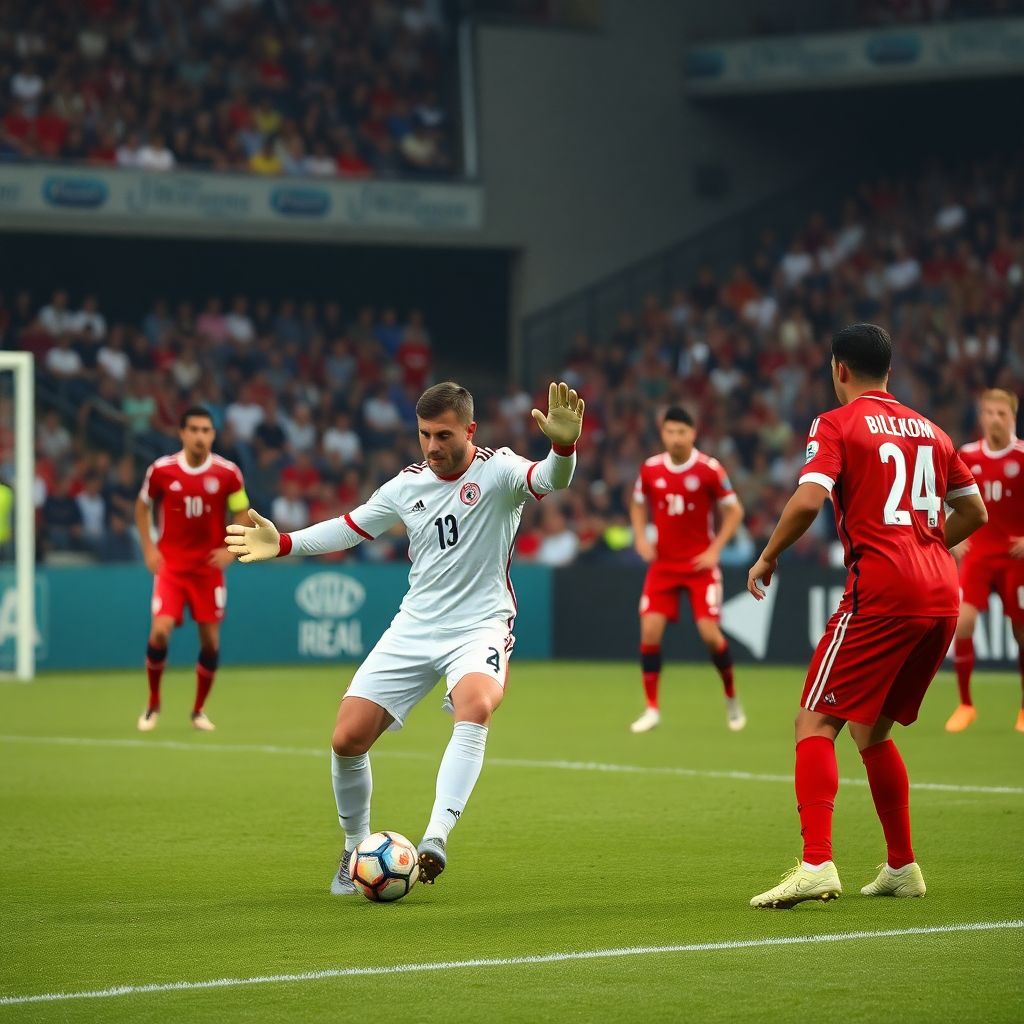
Modern goalkeepers in Türkiye must act as playmakers: starting attacks, breaking presses, inviting pressure, then finding free players with calm passing. Shot-stopping still matters, but selection, training and match analysis now strongly reward keepers who read pressing triggers, support the pivot and confidently use both feet under pressure.
Core Arguments for the Playmaker-Goalkeeper
- Turkish teams increasingly build from the back, so the keeper is a constant passing option, not just a last line of defence.
- Pressing structures in the Süper Lig force goalkeepers to solve 4v3 or 3v2 situations with their feet.
- Clubs prefer keepers who help maintain possession and control tempo rather than simply clearing long.
- Youth scouting now evaluates first touch, passing range and positioning between lines as much as shot-stopping.
- Specific sweeper-keeper training and playmaking drills are entering every serious modern goalkeeper training turkey program.
- Developing ball-playing ability early helps Turkish keepers adapt faster when moving to European leagues.
Evolution of Goalkeeping in Türkiye: From Shotstopper to Initiator
In Türkiye, the goalkeeper role has shifted from pure shot-stopper to first attacker, especially in Süper Lig and Türkiye U-national teams. Where keepers once stayed on the line and kicked long, they now step high, offer passing angles and actively manage build-up under pressure.
The traditional model rewarded height, reach and reflexes above all. Coaches were satisfied if the keeper saved shots and cleared the ball away from danger, even with inaccurate long kicks. Distribution errors were tolerated as long as the basic defensive tasks were fulfilled.
The modern model in Turkish football adds three core expectations: clean first touch, press-resistant passing, and proactive positioning behind the defensive line. Clubs now look for profiles that could fit a sweeper keeper training program: mobile, brave off the line, and comfortable receiving back-passes under pressure.
This change affects academy structures and transfer decisions. A serious football academy for goalkeepers in turkey now integrates passing patterns, rondos and pressing-resistance from early ages. Senior recruitment also targets keepers who have already played in systems demanding structured build-up.
Tactical Drivers: Why Turkish Teams Now Require Ball-Playing Keepers
Ball-playing goalkeepers in Türkiye are a direct response to high pressing, compact blocks and the need to control match rhythm. The keeper has become the extra outfield player that turns numerical equality into superiority in the first phase.
- High pressing from opponents: Super Lig teams increasingly press with three or four players, forcing the keeper to act as the free man who breaks the first line.
- Short build-up as a club philosophy: Many Turkish clubs choose to attract pressure, then play through or around it, demanding safe passes and angled support from the keeper.
- Compact mid-blocks: When rivals sit in a mid-block, the keeper helps circulate and switch play quickly to move the block and open half-spaces.
- High defensive line: With Turkish teams defending higher, the goalkeeper must constantly sweep behind, intercepting long balls and starting counters with quick passes on the ground.
- Set-piece transitions: After corners or set pieces, the keeper’s first pass decides whether the team can counter-attack or must reset slowly.
Concrete Turkish Match Scenarios for the Playmaker-Keeper
Imagine a Süper Lig game in İstanbul: your back four are marked man-to-man, the striker presses you aggressively. Your solution is to step a little wider, receive on the back foot, draw the striker, then split the pressing line with a firm pass into the six or an inside full-back.
In a Türkiye U19 match, the opponent drops into a mid-block. You push to the edge of the box, constantly adjusting angles. By playing one-touch to switch from right centre-back to left full-back, you unbalance their block and create space for the winger to receive with time.
Technical Profile: Passing, Positioning and Decision-Making for Modern Keepers
A modern Turkish goalkeeper-playmaker combines reliable passing mechanics, intelligent positioning and fast decisions. The goal is not tricks, but repeatable actions that stabilise the team under pressure.
Scenario 1: Building Short Against a Front Three Press
The keeper starts central, slightly offset to the ball side. As the centre-backs split wide, the goalkeeper steps just outside the six-yard box, offering a clear line. The key decisions: which foot to use, whether to play into the pivot or bounce back to the far centre-back.
Coaching tip: In training, create 4v3 rondos with two centre-backs, a pivot and the keeper. Press with three players. The keeper must receive, play one or two touches only, and always end the sequence with the free man facing forward.
Scenario 2: Acting as Sweeper Behind a High Line
When Turkish teams push full-backs high, space opens behind. The playmaker-keeper defends this space by starting closer to the edge of the box, constantly adjusting depth with the back line. On long balls, they must decide quickly: clear first time or control and pass.
Coaching tip: Run a line-defense game: back four plus keeper on half a pitch. The coach clips balls behind the line. Reward the keeper for early starting positions and first-touch passes into midfield instead of panic clearances.
Scenario 3: Switching Play to Escape a Side Press
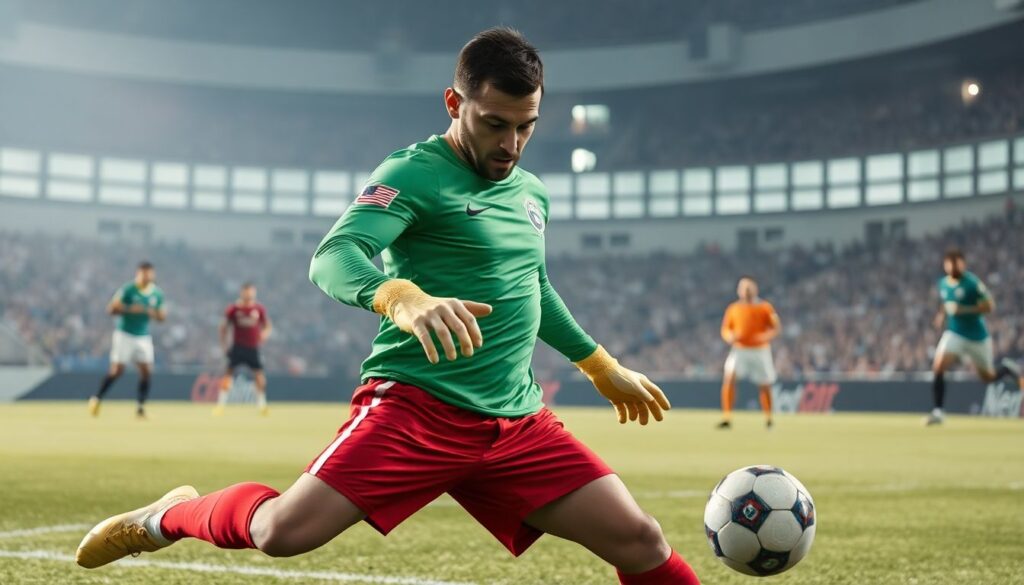
Opponents in Türkiye often overload one side to trap you. The keeper, once used on that side, must see the far full-back or winger early. Technically, this demands clean driven passes with the laces or longer clipped balls with correct height and spin.
Coaching tip: Set up two wide targets (full-backs or mannequins). Keeper receives from one side under token pressure and has 2-3 seconds to play a flat or slightly lofted ball to the opposite side. Focus on body shape and hitting the far foot.
Scenario 4: Playing Through the Pivot Under Pressure
Many Turkish clubs ask the pivot to drop between or beside centre-backs. The keeper’s job is to find the pivot’s back foot or to fake towards one side before playing into the pivot’s blind-side space.
Coaching tip: Use a triangle (keeper-centre-back-pivot) with two pressing players. The keeper must constantly adjust angle, offering passes that allow the pivot to receive forward. Limit touches to force quicker decisions.
Training Methods: Progressive Drills to Develop Playmaking Capacities
Training in Türkiye has to move from isolated technical work to realistic, decision-based exercises. A good sweeper keeper training program builds complexity step by step, mixing repetition with game realism.
Advantages of Playmaker-Focused Goalkeeper Training
- Improves team build-up quality and reduces panic clearances under pressure.
- Raises the keeper’s contribution to possession, allowing extra player in midfield zones.
- Helps keepers from Turkey adapt more quickly to European tactical demands.
- Makes transitions faster: one accurate pass can launch an immediate counter-attack.
- Creates clearer selection criteria for goalkeeper playmaker coaching courses and academies.
Limitations and Common Training Pitfalls
- Over-focusing on feet and neglecting core goalkeeper skills like handling and positioning.
- Running passing drills without real pressure, so decisions do not transfer to matches.
- Giving the same exercises to all ages instead of adjusting distances, tempo and complexity.
- Ignoring weaker foot development, which is crucial for escaping certain pressing angles.
- Lack of structured progression from individual work to team-tactical build-up patterns.
Practical drill framework for Turkey-based coaches: Start sessions with 5-10 minutes of technical passing (both feet, varied distances), progress to 3v1 and 4v2 rondos including the keeper, then finish with 7v7 or 8v8 positional games where build-up rules force the keeper to be involved.
Match Application: Build-Up, Press Resistance and Switching the Point of Attack
Match application in Türkiye is about repeating trained patterns under real pressure: build-up versus different presses, staying calm in crowded zones, and recognizing when to switch play quickly.
Recurring Mistakes in Turkish Context
- Keepers dropping too deep on goal-kicks, shrinking passing angles and inviting pressure directly onto the six-yard box.
- Telegraphing passes with stiff body shape, making it easy for Süper Lig forwards to anticipate and intercept.
- Forcing risky vertical balls when a safe bounce pass to the centre-back would reset the situation.
- Overdribbling to show confidence instead of using one or two touches to release the free man.
- Poor communication: not guiding centre-backs and the pivot to create clean passing lanes.
Persistent Myths About Playmaker-Keepers
- “Playmaker” keepers do not have to be spectacular passers; they must be reliable, repeatable and calm.
- Being good with feet does not mean taking constant risks; good decisions include playing long when needed.
- Younger Turkish keepers can learn ball-playing skills without losing their shot-stopping focus if the weekly plan is balanced.
Applied tip: Use video clips from recent Süper Lig games to show your keeper three examples each week: one good build-up, one press-resistance moment and one switch of play. Then reproduce similar patterns in a short 6v4 or 7v5 game in training.
Development Pathways: Scouting, Academy Curricula and Transition to Senior Football
In Türkiye, the development pathway for playmaker-keepers runs from local academies to pro clubs that value distribution. Clear criteria at each stage help players and coaches focus on concrete, trainable habits.
Scouts at a football academy for goalkeepers in turkey increasingly note first touch quality, scanning before receiving, and comfort under back-pass pressure. In older age groups, they also look for leadership: directing defenders, calling for back-passes and demanding the ball when teammates panic.
Academy curricula can structure the week so that at least two sessions include integrated build-up work. One might focus on goal-kick patterns against a front two, another on breaking a high 3-man press. For advanced keepers, a goalkeeper ball playing skills camp turkey style approach-several consecutive days of intensive, game-like drills-can accelerate progress.
During the transition to senior football, Turkish keepers must learn to apply the same principles at higher tempo. A realistic micro-plan could be: one weekly session with the goalkeeper coach on passing and positioning, one with the assistant coach in team build-up patterns, plus regular internal games where the keeper is judged partly on decision-making with the ball.
Practical Concerns and Quick Clarifications
Does focusing on playmaking reduce shot-stopping ability?
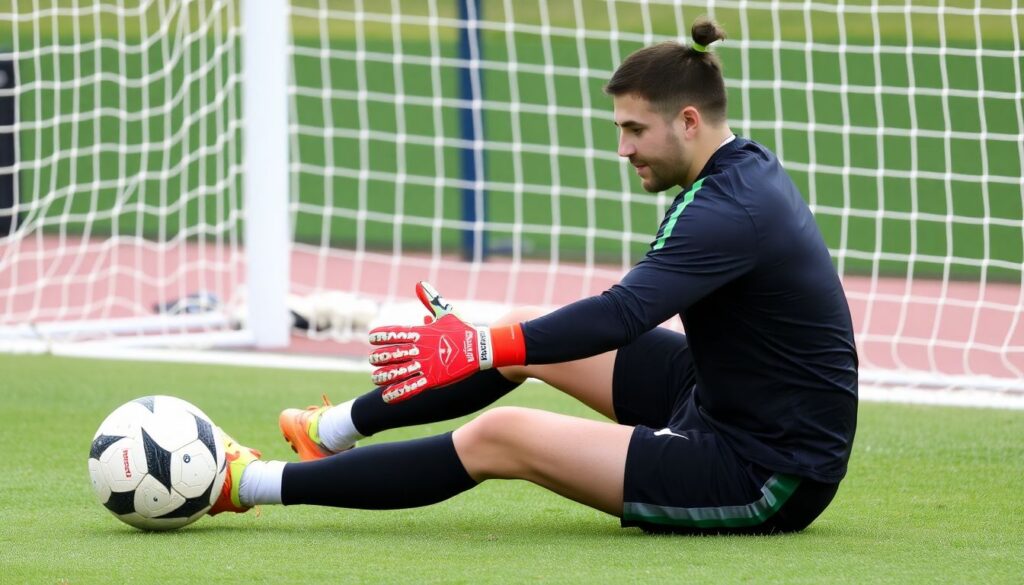
Not if the weekly plan is balanced. Keepers should still spend dedicated time on handling, diving and one‑v‑one situations. The aim is to add playmaking to the profile, not replace core goalkeeping skills.
How early should Turkish academies start ball-playing work with keepers?
Basic work can start from the youngest competitive ages: first touch, short passing, receiving under light pressure. Complexity and tactical detail should then increase steadily through U13-U19, always respecting physical and cognitive development.
What equipment is essential for playmaker-keeper drills?
Just balls, cones and goals are enough for most exercises. Mannequins, mini-goals and flat markers can help shape realistic passing lanes and pressing lines, but they are not mandatory if coaching detail is clear.
How can a small club in Türkiye design modern goalkeeper training turkey sessions?
Use simple structures: rondos including the keeper, small-sided games starting from a goal-kick, and clear rules that force the keeper to be involved in every build-up. Consistency over time matters more than complex equipment.
Are goalkeeper playmaker coaching courses necessary for local coaches?
They are not strictly necessary, but they speed up learning. Courses or workshops expose coaches to current trends, sample drills and video analysis routines that can then be adapted to their own teams.
How often should a keeper work specifically on weaker-foot passing?
Short, frequent blocks work best. Five to ten minutes in most sessions, with realistic targets and game-like passing distances, is usually enough to see steady improvement over the season.
Can a traditional goalkeeper still succeed without strong ball-playing skills in Türkiye?
It is possible in teams that play very direct, but career options are narrower. As more Turkish clubs value structured build-up, developing at least a solid baseline with the feet is becoming essential.