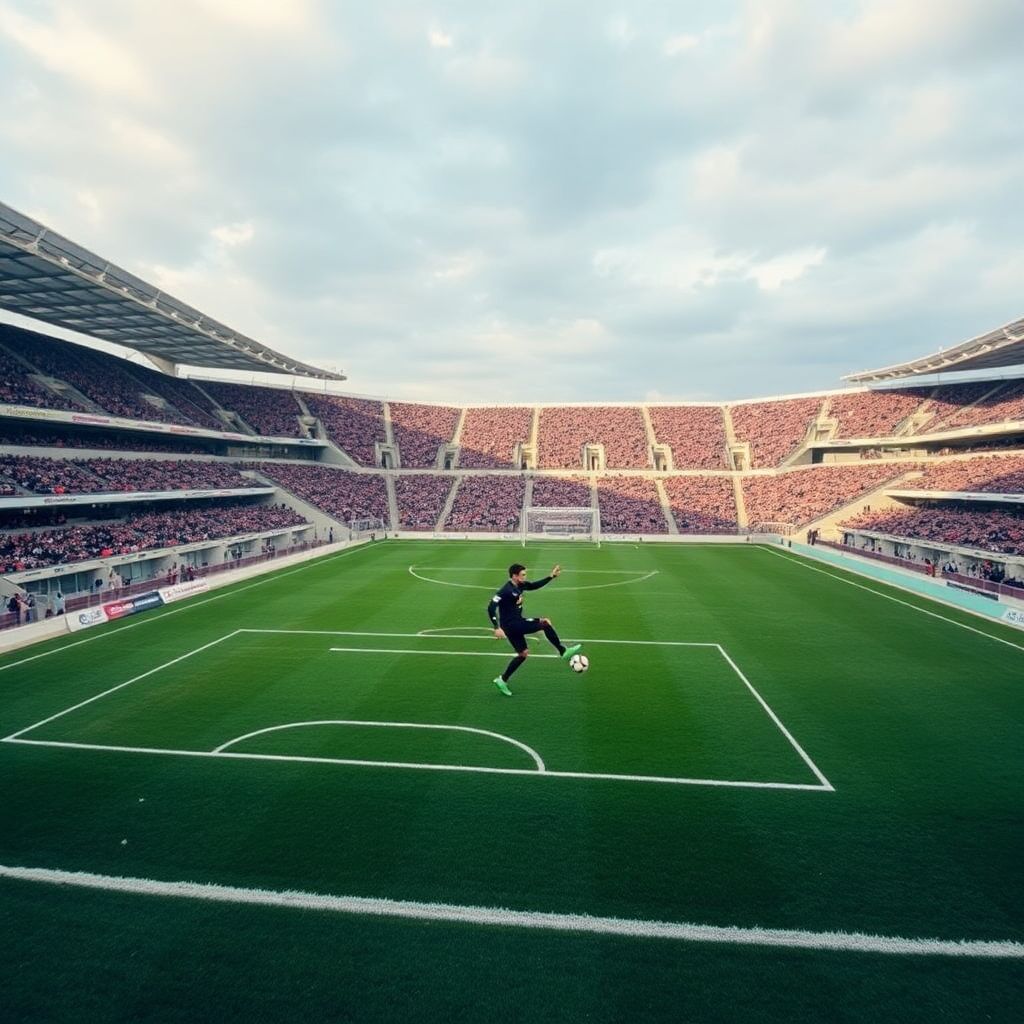
The modern sweeper-keeper is a goalkeeper who defends space behind the back line, participates in buildup like a deep playmaker, and still protects the goal at elite level. In Turkish and European football this role reshapes tactics, training, equipment choices, and data analysis from youth academies to professional clubs.
Debunking myths about the modern sweeper-keeper
- Myth: A sweeper-keeper only needs great feet. Reality: Positioning, timing and reading long balls matter as much as passing.
- Myth: Playing high automatically means being modern. Reality: Height must match your team’s pressing, speed and communication habits.
- Myth: Sweeper-keepers are risky by definition. Reality: Structured training and clear triggers can make them reduce overall defensive risk.
- Myth: This role suits only tall, powerful keepers. Reality: Quick decision-making and acceleration often outweigh pure size in advanced lines.
- Myth: It is a “European only” concept. Reality: Turkish clubs already integrate advanced goalkeeper tactics, especially in Super Lig and top academies.
- Myth: Tactics alone are enough. Reality: Proper equipment, such as optimized goalkeeper gloves for modern sweeper keepers, and video feedback are essential.
Historical roots and rapid evolution of the sweeper-keeper role
Before the label existed, keepers occasionally acted as sweepers, especially when pitches were smaller and offside rules were different. However, they mainly stayed close to the goal line and were rarely asked to join buildup under structured pressure.
The true sweeper-keeper emerged when defensive lines pushed higher and pressing became coordinated. Goalkeepers were forced to manage long passes behind the defense and offer a safe passing lane when centre-backs were marked. European competitions accelerated this shift, as Turkish clubs faced aggressive pressing systems and had to adapt.
Modern definition: a sweeper-keeper actively defends space 20-40 meters from goal, offers passing angles during buildup, and uses decisions with feet and hands to control tempo. The role is not a separate position but an expanded interpretation of what the goalkeeper contributes in all phases of play.
In Turkey, this evolution is visible in how youth academies design goalkeeper sessions: more rondos, short-passing games, and coordinated work with defensive lines. Across Europe, specialist staff, modern goalkeeper coaching courses Europe, and club methodology documents formalize exactly which zones and passes belong to the keeper.
Technical profile: footwork, distribution and decision metrics
A solid sweeper-keeper profile is built on a few repeatable technical behaviours that can be trained and measured on the pitch.
-
First touch and body shape under pressure
Definition: Receiving back passes with an open body, able to play to either side in one or two touches.
Evidence: Poor body shape forces clearances; good shape invites pressure and then breaks it with a simple pass.
Practical implication: Add first-touch work to warm-ups and integrate it into small-sided games with defenders. -
Short and medium passing range
Definition: Playing firm, accurate passes into pivots, full-backs and the weak-side centre-back.
Evidence: Teams with stable buildup often use the goalkeeper as an extra pivot when central options are blocked.
Practical implication: Track completion rates in training using simple tags in goalkeeper performance analysis software for clubs. -
Long distribution and switching play
Definition: Striking driven balls to wingers or full-backs to bypass a high press.
Evidence: Many modern systems ask the keeper to be the best long passer in the back line.
Practical implication: Design target-zone drills where keepers must hit wide channels after two or three short passes. -
Footwork for sweeping behind the line
Definition: Efficient steps to reach through balls first, then clean clearances or controlled passes.
Evidence: Fast, balanced footwork often matters more than starting position alone.
Practical implication: Use repeated “through-ball races” with a starting signal, focusing on clean first contact outside the box. -
1v1 decision-making outside and inside the box
Definition: Choosing whether to hold, delay, or fully commit when opponents break the line.
Evidence: Over-aggressive keepers can concede easy chips; passive keepers concede clear finishes from close range.
Practical implication: Run controlled 1v1 waves with clear rules about where the keeper must stop or engage. -
Communication as a technical tool
Definition: Constant, simple communication to shift the line and inform back passes.
Evidence: Back lines that trust the goalkeeper’s voice maintain better spacing, making sweeping simpler.
Practical implication: Include voice commands as explicit coaching points in all positional games.
Quick practical tips for Turkish keepers and coaches
- In every session, add five minutes of first-touch and passing work after handling warm-up, not at the very end.
- Invest in gloves with good grip in wet conditions because sweeper-keepers take more back passes under pressure; check specialized sections in any professional goalkeeper equipment shop online.
- When in doubt in a match, prefer a clear long pass to a risky short ball into the middle.
- Set one simple cue with your centre-backs (for example, a keyword) that tells them you will step out aggressively as a sweeper.
- After games, review two or three key actions with video rather than watching every touch; focus on decisions, not just saves.
Tactical integration: how systems alter the keeper’s responsibilities
A sweeper-keeper’s role always depends on the team’s defensive block, pressing style, and buildup structure. The same goalkeeper will look very different in a low block versus an ultra-high press.
-
High press with a very high defensive line
Definition: Back line near the halfway line, aggressive pressure on opposition buildup.
Tactical effect: The goalkeeper must start high, often just outside the box, ready to sweep long balls into the channels.
Practical implication: Spend entire segments of training where the keeper stands higher and repeatedly defends balls over the top. -
Mid-block with controlled pressing traps
Definition: Team waits in a compact shape, then jumps in specific zones.
Tactical effect: The keeper’s height adjusts with the line but focuses on angles for back passes and switches of play.
Practical implication: Use position games where the goalkeeper acts as the extra neutral player to overload the first line. -
Low block and counter-attacking transitions
Definition: Team defends deep and looks to break quickly after regain.
Tactical effect: Sweeper actions happen closer to the box, but distribution becomes more vertical and aggressive after winning the ball.
Practical implication: Train quick throws and long kicks into wide runners immediately after crosses or long clearances. -
Back three versus back four structures
Definition: Different numbers of centre-backs and wing-backs/full-backs change covering responsibilities.
Tactical effect: In a back three, the goalkeeper often covers central depth and acts as an extra pivot; in a back four, wide channels demand more frequent sweeping runs.
Practical implication: Rehearse clear communication lines: who covers which through ball, and when the keeper takes over. -
Set-piece organisation and rest defence
Definition: How the team protects against counters when attacking, especially on corners and free-kicks.
Tactical effect: Sweeper-keepers position slightly higher to cut out long clearances and start new attacks quickly.
Practical implication: Include goalkeeper starting positions in every set-piece plan, not as an afterthought.
Risk management: when to act as an extra defender and when to stay goal-side
Playing as a sweeper-keeper is not about constant aggression; it is about choosing the right moments. Clear criteria reduce chaos and help both coaches and players align decisions with game plans.
Benefits of stepping out as an extra defender
- Allows the back line to maintain a higher position, compressing space and supporting an aggressive press.
- Removes danger early by intercepting through balls before attackers can control them.
- Creates overloads in buildup, giving centre-backs and pivots extra passing options.
- Psychologically discourages opponents from playing hopeful long balls into space.
- Speeds up transitions into attack after regains, especially when the keeper can pass accurately on the first touch.
Reasons to stay deeper and protect the goal
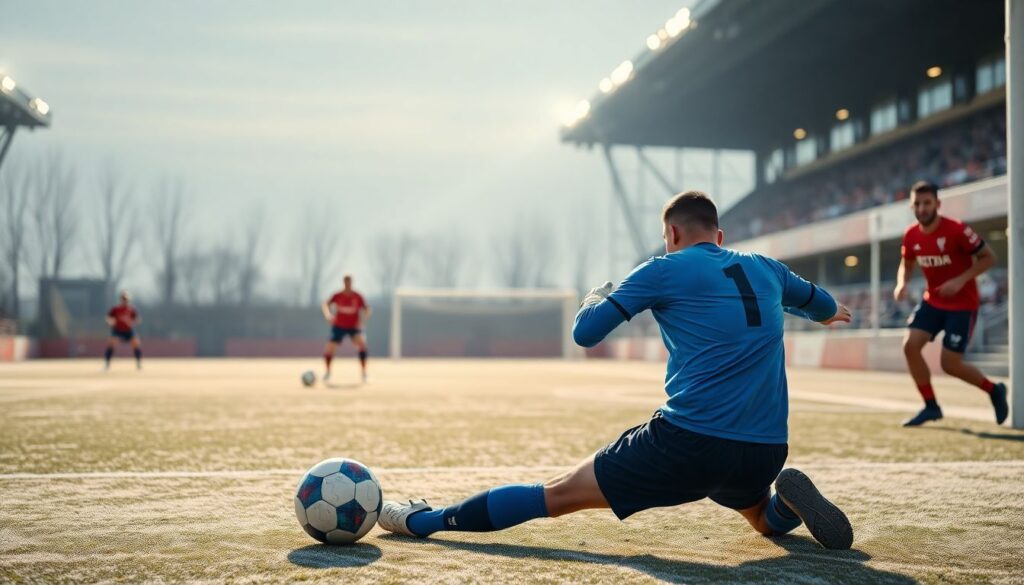
- Facing very fast forwards where a missed interception leads directly to an empty-net chance.
- Unclear communication with defenders, increasing the risk of collisions outside the box.
- Slippery surfaces where first touch and clearances are harder to control under pressure.
- Moments when the team is disorganised (after set pieces or turnovers) and needs time to regain compactness.
- Late in matches when protecting a lead and prioritising low-risk, conservative decisions.
Training practices in Turkey and Europe: drills, periodization and analytics
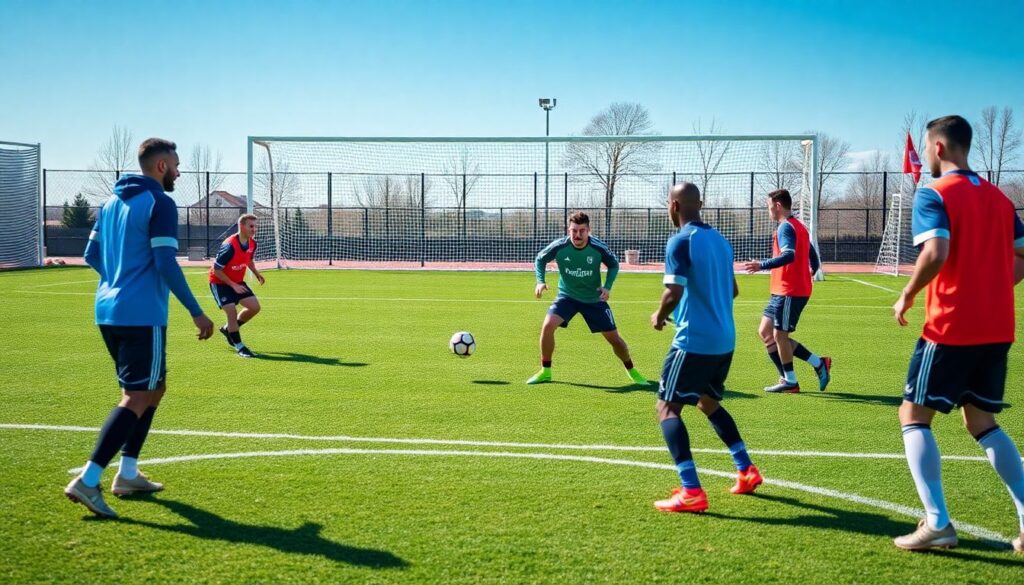
Training habits define how safely and effectively a sweeper-keeper plays on match day. Many common errors come from repeating traditional goalkeeper sessions without adjusting for modern tactical demands.
Common mistakes and limiting beliefs in sweeper-keeper training
-
Separating goalkeeper work too far from team tactics
Keepers do isolated handling while the team practices buildup and pressing. This gap makes it hard to execute sweeper tasks under real pressure. Solution: integrate keepers into positional games several times per week. -
Over-focusing on spectacular saves instead of decisions
Highlight reels show diving saves, not clever interceptions or simple passes. Coaches should praise calm decisions as much as big saves, using clips from training and matches to reinforce this. -
Ignoring footwork and passing in early age groups
Young Turkish goalkeepers sometimes learn shot-stopping first and build-up later. Modern demands require building first touch, both-footed passing and scanning habits from the start. -
Random, unstructured drills with no clear triggers
Many sessions include through balls and back passes but never define when the keeper should come or stay. Players need simple rules (for example: ball speed, attacker distance, defender body position) built into the best goalkeeper training drills for sweeper keepers. -
Under-using technology and data
Video tools and goalkeeper performance analysis software for clubs can tag sweeper actions (starting positions, interceptions, clearances) and link them to goals for or against. Without this, improvement stays vague and hard to measure.
Sample drill structures and weekly focus ideas
- Early-week: technical passing circuits with defenders, using both feet, one and two-touch, followed by small-sided games where the keeper plays as a neutral support.
- Mid-week: through-ball and 1v1 decision drills, starting from realistic back-line positions and including communication cues.
- Late-week: team-tactical work, emphasising starting positions in different blocks and set-piece transitions, mirroring the coming opponent’s style.
- Ongoing: coaches can update knowledge through modern goalkeeper coaching courses Europe offers, then adapt ideas for local conditions in Turkish academies and amateur clubs.
- Equipment review: regularly check grip, fit and durability of gloves and boots; search for options via a trusted professional goalkeeper equipment shop online that lists models suited for frequent back passes and distribution.
Comparative case studies: standout Turkish and European examples
Examples from practice make the sweeper-keeper concept tangible for players and coaches. The contrast between different leagues and clubs helps show that the principles are universal, even if game intensity and styles vary.
Imagine a Turkish Super Lig team pressing high at home. The goalkeeper starts a few meters outside the box, constantly adjusting with the back line. When the opponent attempts a diagonal long ball behind the right centre-back, the keeper reads the pass, sprints forward, clears first time with the stronger foot into midfield, and the team immediately recycles possession. The risk is controlled by clear starting position, reading of the passer’s body shape, and rehearsed communication.
Now visualise a European club in a mid-block away match. Here the goalkeeper stands slightly deeper and acts mainly as a passing outlet. When centre-backs are pressed, a simple back pass to the keeper triggers a switch of play to the weak side. There is less sweeping, more distribution. In both cases, the same keeper applies the same core ideas-space management, timing, and clean decisions-but adjusts height and aggression to the game plan, opponent, and match context.
Clarifying common misconceptions and tactical questions
Is every modern goalkeeper automatically a sweeper-keeper?
No. A modern goalkeeper might be good with the ball yet rarely defend high space. A true sweeper-keeper consistently manages depth behind the defence and is integrated into the team’s pressing and buildup plans.
Can young keepers in Turkey learn the sweeper role without elite facilities?
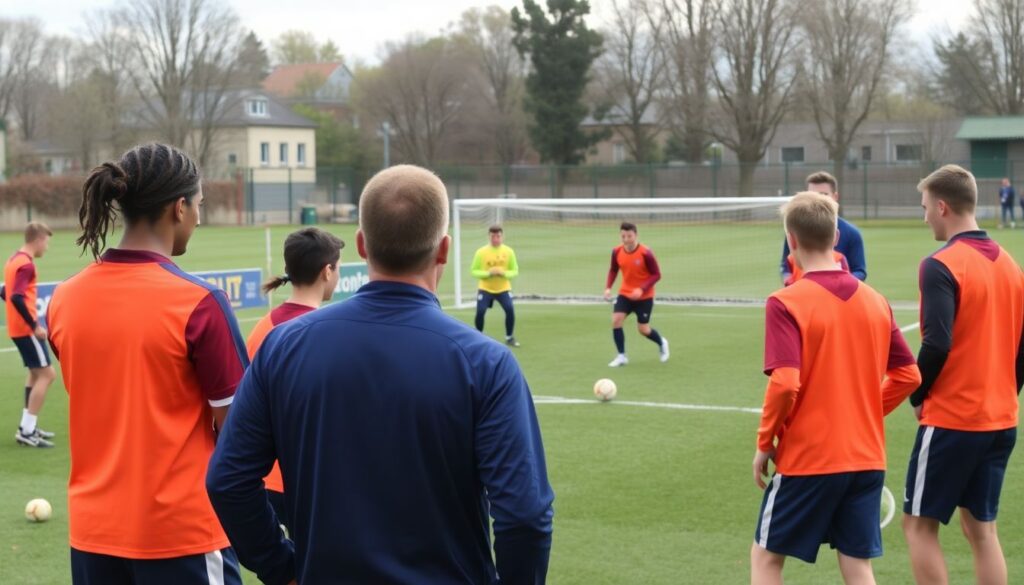
Yes. Simple position games, small-sided buildup drills and basic video review are enough to build key habits. The most important resources are game-like exercises and clear communication between goalkeeper and outfield coaches.
How often should sweeper-keeper actions be trained during the week?
They should appear in some form in almost every football session, even if only in a short block. Combining a dedicated sweeper drill with integrated work inside team games produces the best transfer to matches.
Do sweeper-keepers always play risky short passes?
No. The role is about choosing the safest option to control the game. Sometimes this means a firm pass into midfield; other times it is a long, high clearance to remove danger and allow the team to reset.
Which equipment choices matter most for sweeper-keepers?
Reliable gloves, stable boots and comfortable training kit matter because of frequent back passes and high starting positions. Goalkeepers should test grip and fit in realistic conditions, especially on wet or artificial pitches common in Turkish and European football.
Is performance analysis really necessary for goalkeepers?
Structured analysis helps identify patterns in starting positions, interceptions and decision errors. Even simple tagging of key moments after each match can guide targeted training and make improvements visible for both the goalkeeper and staff.
Can a slower goalkeeper still function as a sweeper-keeper?
Yes, if starting positions and anticipation are excellent. Reading long balls early, communicating clearly, and choosing when not to sweep can compensate for limited raw speed in many systems.