
Why Anatolian talent suddenly matters to all of Europe
If you follow the European transfer window even поверхностно, you’ve probably noticed how often unknown kids from central or eastern Turkey pop up in rumor mills. A decade ago, most scouts focused on Istanbul giants; now mid‑table and even second‑tier sides from Anatolia are quietly feeding top‑five leagues. When people ask about *Turkish football academy best clubs in Anatolia*, they usually expect only one or two household names. In reality, there is a whole ecosystem of regional teams investing in youth, sports science and data. That ecosystem is exactly where many of the next “cheap but elite” signings are coming from, even if the wider public still treats them as Football Manager curiosities rather than structured, well‑run programs.
In 2026 that’s not a side story around Turkish football; it’s one of the main plot lines.
—
Key terms: what we’re really talking about
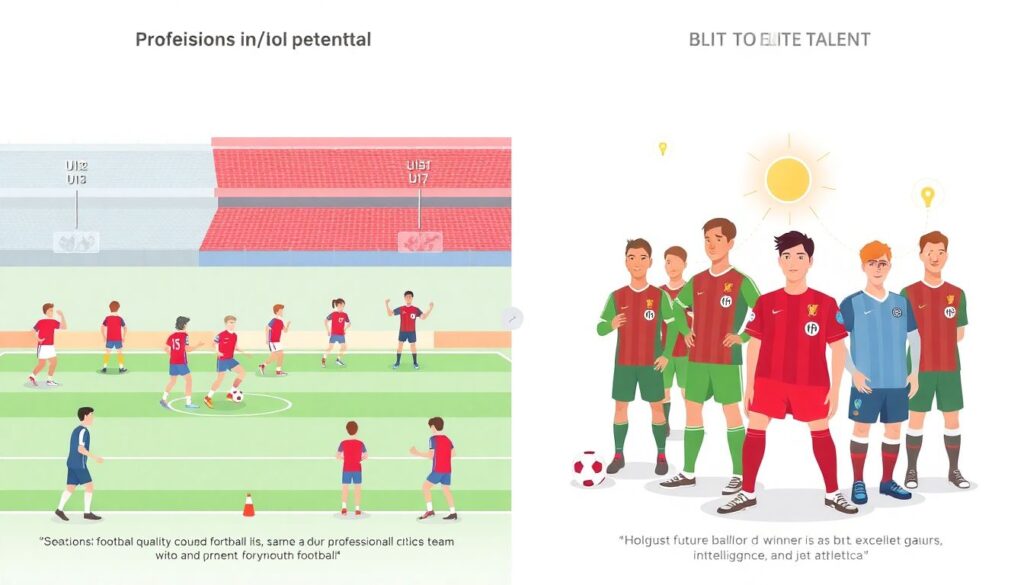
Before going deeper, it helps to lock in a few definitions. By *academy* here I mean a structured pathway from roughly U12 to U19 attached to a professional club: shared methodology, dedicated coaches, and a trackable transition plan to the first team. *Elite talent* is not just future Ballon d’Or candidates but any player capable of being a starter in a Big‑5 league or a strong role player in European competitions. *Anatolian clubs* in this context are non‑Istanbul teams based on the Anatolian mainland, often outside the classic coastal magnets. When people say *Anatolian clubs producing young talent Turkey*, they usually include sides like Konyaspor, Sivasspor, Kayserispor, Gaziantep, Çaykur Rizespor, plus ambitious 1. Lig outfits that have doubled down on development despite modest budgets and relatively small fanbases.
So when a kid jumps from Sivas or Konya to the Bundesliga, that’s not a miracle — it’s a system doing its job.
—
Why Europe is shopping in Anatolia now
Three big forces have pushed European clubs to look past Istanbul. First, prices: after the inflation of transfer fees, mid‑tier German, Belgian or French sides can no longer fish in the same ponds as Premier League clubs. They need undervalued markets, and Anatolia fits that profile. Second, the rule tweaks around home‑grown quotas and non‑EU spots mean versatile, tactically disciplined players who can adapt quickly have become premium assets. Third, better broadcast coverage and tracking data from the Süper Lig and 1. Lig have made remote evaluation far easier, so *scouting Turkish young players in Anatolian leagues* doesn’t require dozens of flights anymore. Against that backdrop, clubs that invested early in youth structures now look like arbitrage opportunities, steadily exporting reliable, coachable profiles who can plug into high‑pressing or positional systems with minimal transition time.
In short, Anatolia has become a value market, not a charity project.
—
From street football to export product: the development pipeline
To understand why some of the *best youth academies in Turkey for football* are no longer in Istanbul, it helps to zoom out on the pipeline from local pitch to European move. Many Anatolian clubs have learned to formalise what was once informal street football culture. They build regional satellite centers, run open trials, and then use relatively cheap tech — GPS vests, basic tracking cameras, simple athlete‑management software — to give structure to raw talent. Instead of waiting for a 17‑year‑old star at a school tournament, they try to capture the 12‑year‑old who recovers fast, learns pressing triggers quickly, and shows repeatable decision‑making. That’s exactly the profile Bundesliga or Eredivisie analysts are trained to spot in data. Add language classes, nutrition programs and psychological support, and you get a more export‑ready product than the cliché “streets‑made winger with no end product” that scouts once expected from the region.
Diagram (conceptual):
local schools → regional trials → academy U14 → academy U17 → club B‑team / loans → Süper Lig minutes → European transfer
—
How these academies actually differ from Istanbul giants

The main Istanbul clubs still dwarf everyone else in budget, but that creates different incentives. Big clubs often recruit nationally at U15–U17, stacking squads with ready‑made talents and tolerating higher churn. Many Anatolian programs, by contrast, are forced to think locally and long‑term. Their priority is turning a handful of prospects into first‑team regulars, then selling one or two every couple of seasons. Structurally, the setup might look simpler — fewer staff, smaller facilities — but the alignment between academy and first‑team style is often tighter. When a coach at an Anatolian side switches systems, academy coordinators feel it immediately because those changes materially affect the club’s business model. That’s a key reason why *transfer market Turkish wonderkids from Anatolian clubs* often arrive in Europe surprisingly tactically literate: they have been developed for a very specific style, with clear KPIs tied to a future sale rather than just domestic dominance.
In other words, less glamour, more focus.
—
Text‑based “diagram”: what Europe sees vs what locals see
Imagine two overlapping views of the same club.
Diagram (layers in text):
– Local view:
community identity → derby results → survival in Süper Lig / promotion from 1. Lig → occasional cup run
– European scout view:
age of debut minutes → tactical flexibility (positions played) → physical outputs (sprints, high‑intensity runs) → mentality markers (resilience after mistakes) → resale potential
Because data from wearables and video is now commonplace, even mid‑tier European clubs can benchmark an 18‑year‑old right‑back from Kayseri against peers in Belgium or Portugal. That’s why the label *Turkish football academy best clubs in Anatolia* isn’t only about trophies at youth level; it’s about how cleanly a player’s data and video profile translate across leagues. Anatolian sides that understand this dual perspective deliberately tailor match exposure and roles to generate the clips and metrics that algorithm‑driven recruitment departments want to see.
Locally it may look like simple youth promotion; abroad it reads as a polished data profile.
—
Concrete examples without the hype
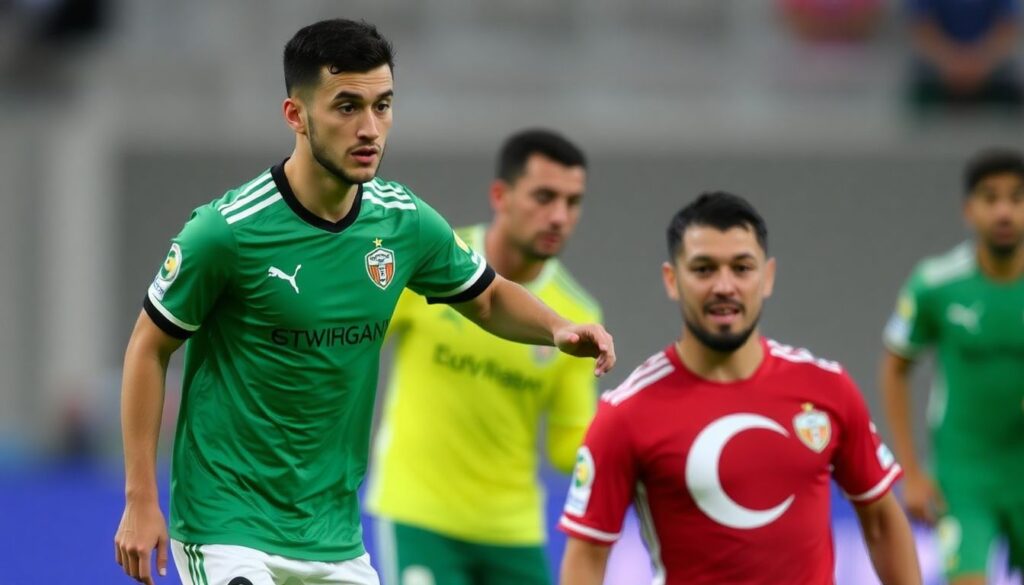
Names change season by season, but the patterns are consistent. Konyaspor and Sivasspor have built reputations for bringing through physically ready, tactically obedient midfielders and full‑backs who handle large spaces — ideal for pressing leagues. Clubs like Çaykur Rizespor or Gaziantep have leaned into winger and forward profiles with strong transition skills, understanding that European teams often shop there when they lack depth in wide areas. Meanwhile, historically strong producers such as Bursaspor and Kayserispor, even through financial turbulence, continue to place academy‑developed players into the Süper Lig and then abroad. These aren’t fairy‑tale exceptions; they are part of a broader pattern of Anatolian clubs producing young talent Turkey increasingly relies on for its national‑team depth. When those players move to Germany, Italy or France, fans might debate individual ceilings, but the underlying production line keeps ticking.
The point is less “this one kid will be a star” and more “this region reliably generates pros”.
—
Modern trends shaping Anatolian academies in the mid‑2020s
The most interesting shift since the early 2020s has been the normalisation of data‑driven decision‑making even at smaller Turkish clubs. Instead of one charismatic coach “with a good eye”, more academies are hiring performance analysts and sports scientists on modest salaries, then connecting them with European partners or consultants. While I don’t have visibility into events after late 2024, the trajectory up to that point was clear: more collaboration, more shared methodologies, more loans to Belgium, Austria or Scandinavia as stepping stones. At the same time, Turkish federation rules on foreign‑player quotas keep creating demand for home‑grown talent, which feeds investment back into youth departments. Put together, those forces harden the status of Anatolian programs as some of the best youth academies in Turkey for football, especially for clubs abroad searching for mentally resilient, physically robust players who already know what it means to be “development assets” rather than just local heroes.
This feedback loop is why Europe won’t stop calling anytime soon.
—
What this means for scouts, clubs and players
For European sides, the lesson is straightforward: treat Anatolia not as a lucky‑dip market but as a structured, maturing ecosystem. That means building long‑term relationships, understanding each club’s development philosophy, and reading context into the numbers. For domestic clubs, the challenge is keeping enough sporting ambition while accepting that selling will remain core business. And for young players and families, the takeaway is that a move to a regional academy no longer means giving up on big dreams; today it might be the most realistic route into continental football. The combination of cultural familiarity, relatively affordable living, and sharpening professional standards makes these environments powerful launchpads. Anyone serious about *scouting Turkish young players in Anatolian leagues* in the coming years will be tracking not just individual starlets but the organisational habits behind them — because those habits are what keep turning unknown kids into reliable European professionals.
Put simply, underrated Anatolian clubs have stopped being a curiosity and become part of Europe’s talent infrastructure.