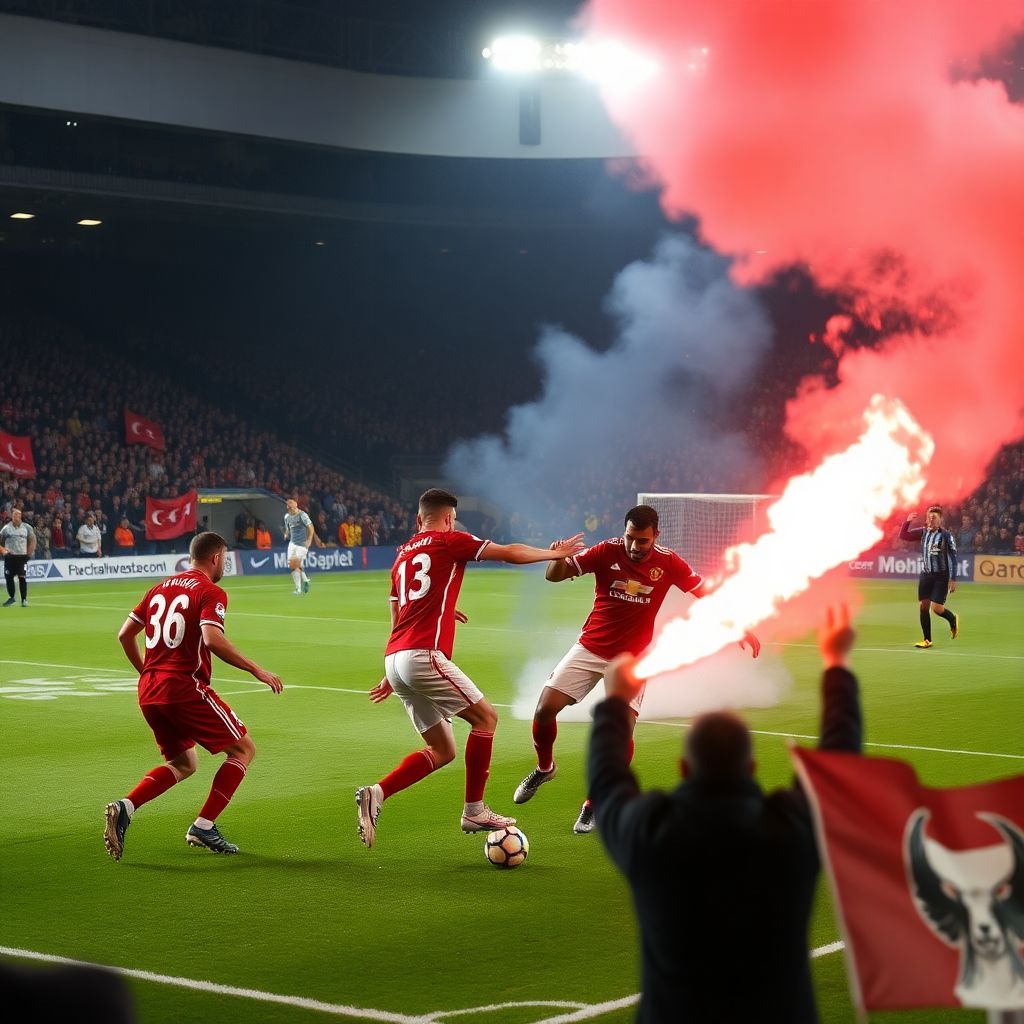
Turkish players in the Premier League are a small but symbolically important group whose impact goes beyond raw numbers: they connect Istanbul and London through technical football, visible fan culture and commercial links. From early pioneers to modern playmakers, they show how Turkish talent adapts tactically, mentally and culturally to the intensity of English football.
Snapshot: Turkish Influence on the Premier League
- Turkish footballers in Premier League history form a modest but tactically influential group, especially in creative and hybrid roles.
- Most arrivals came via big Istanbul clubs or German academies, reflecting dual-nationality pathways.
- Managers use Turkish players for technical link-up, set pieces and game-management in tight matches.
- Strong diasporic fanbases in England amplify shirt sales, social media reach and matchday atmospheres.
- Scouting now focuses on data-led profiles, not only highlight reels from European competition nights.
- Success depends on adaptation to tempo, physicality and media pressure rather than pure talent alone.
Historical pathways: how Turkish talent reached English clubs
When we talk about Turkish Premier League players in England, we mean footballers with Turkish nationality or strong Turkish heritage who have registered appearances in the English top flight. This includes both Istanbul-born stars and diaspora players developed in other European systems but representing Türkiye or Turkish culture.
The first wave in Turkish footballers in Premier League history was small and experimental. English clubs tested individual talents from the Süper Lig, often after standout European performances. Transfers were driven more by intuition and agent networks than by deep analysis of league fit, language skills or tactical compatibility.
A second pathway emerged through Germany, the Netherlands and other European academies. Young players with Turkish roots, trained in Bundesliga or Eredivisie environments, arrived in England already used to high-intensity pressing and professional structures. These profiles often adapted faster than those moving directly from Istanbul’s big three.
Today, the list of Turkish players in the Premier League is shaped by data scouting, clearer work-permit rules and higher financial stakes. Clubs look beyond nationality labels, focusing on repeatable metrics: pressing actions, ball progression, chance creation under pressure. Turkish players who match these Premier League benchmarks become realistic options, especially at clubs outside the traditional top six.
Player profiles: typical roles, strengths and tactical fit
Across eras, certain patterns appear when analysing top Turkish football stars in English Premier League squads. Below are common role archetypes and why English clubs value them.
- Creative number 10 / advanced playmaker
Technically skilled, comfortable in tight spaces, good at final-third combinations. Often used to unlock low blocks with disguised passes and through balls; can struggle if asked to play back-to-goal with little movement around them. - Inverted winger or inside forward
Right-footers on the left or left-footers on the right, dribbling infield to combine or shoot. Useful against narrow defences, especially when full-backs overlap wide. Requires strong decision-making to avoid losing the ball in transition. - Deep-lying playmaker / regista
Operates in front of the centre-backs, dictating tempo. Turkish players in this role are valued for diagonals and line-breaking passes. Their Premier League success depends heavily on athletic partners who can cover transitions. - All-action box-to-box midfielder
Combining work rate with technique, this profile connects defence and attack. Pressing triggers, late box runs and second-ball recovery are key. Physically adapting to the league’s rhythm is the main challenge. - Versatile full-back or wing-back
Comfortable both defending 1v1 and joining attacks. Turkish full-backs are often trusted to deliver accurate crosses and switch play. Positioning against fast wingers is the critical adjustment point in England. - Set-piece specialist / dead-ball expert
Not a position but a recurring trait. Free-kicks, corners and penalties provide marginal gains; certain Turkish players have been signed in part for this specific added value. - Experienced locker-room leader
Senior professionals from major Istanbul clubs bring big-game experience and emotional leadership. Their role in England may be rotational on the pitch but central in keeping standards and helping younger players adapt.
Tactical consequences: what managers adapted to accommodate them
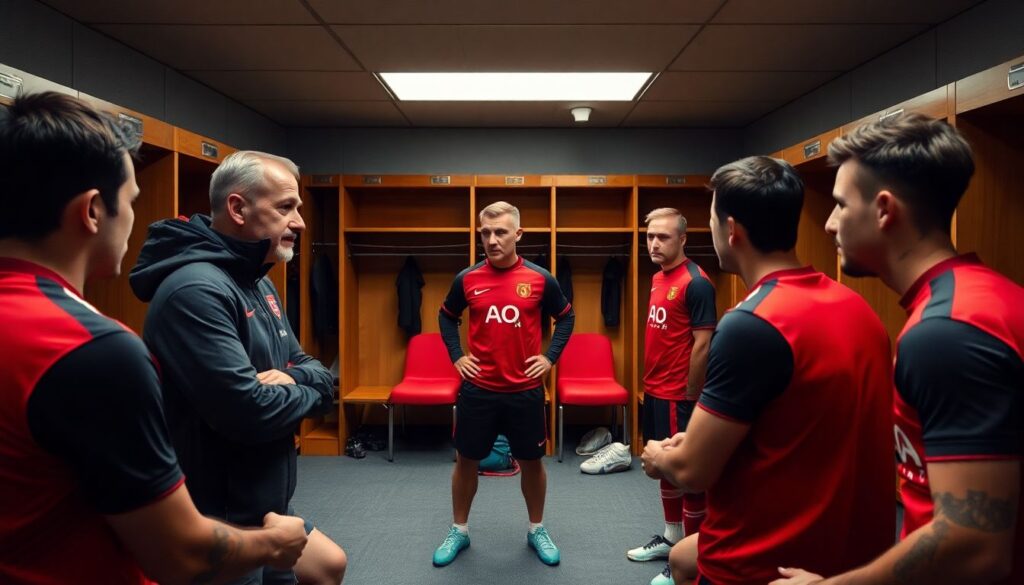
When coaches integrate the best Turkish players to play in the Premier League, they often make concrete tactical tweaks to maximise strengths and hide weaknesses.
- Adjusting pressing schemes
Many Turkish attackers are used to coordinated pressing from Süper Lig or Bundesliga contexts. Premier League managers may shift to a more structured mid-press to exploit their anticipation while protecting against high defensive lines they are not used to. - Creating central overloads
For technical playmakers, coaches design 3v2 or 4v3 situations in the half-spaces. This may mean moving a winger inside, inverting a full-back or dropping a striker short so the Turkish midfielder receives the ball between lines instead of with his back to goal. - Balancing the midfield physically
When a Turkish deep-lying playmaker starts, managers often pair them with an athletic ball-winner. This allows them to focus on distribution rather than covering large defensive distances, especially in transition-heavy matches against direct English sides. - Using inverted wingers to link with overlapping full-backs
Turkish wingers who like to cut inside are given licence to roam between lines, while aggressive full-backs provide width. The team then relies on quick counter-pressing to prevent counters when possession is lost centrally. - Leveraging set pieces as a strategic weapon
With strong Turkish dead-ball specialists, coaching staff allocate more training time to attacking free-kicks and corners. This offers an extra route to goals in tight Premier League games where open-play chances are scarce. - Controlling tempo in key phases
Some Turkish midfielders excel at slowing the game down or accelerating it on cue. Managers build specific patterns for game management in the last 15 minutes, using their composure to protect or chase results.
Mini-scenarios: applying these tactical ideas in practice
Below are compact usage scenarios showing how a coach, scout or analyst in Türkiye or England might practically apply these patterns.
- Scenario 1 – Scouting for a mid-table Premier League club
You need creativity against low blocks but cannot sign a superstar. You prioritise a Turkish playmaker with strong chance-creation numbers per 90 and high ball-retention under pressure. The plan is to build a 4-2-3-1 with this player free between lines, shielded by two physical midfielders. - Scenario 2 – Adapting match strategy after signing an inverted winger
Your club has just brought in a right-footed Turkish winger who prefers playing on the left. In analysis meetings, you redesign attacking patterns: encourage underlaps from the left eight, push the left-back high and wide, and drill counter-press triggers immediately after the winger loses the ball while dribbling inside. - Scenario 3 – Using a Turkish set-piece expert as a marginal gain
As a lower-budget side, you are struggling to score from open play. You sign a Turkish midfielder with an elite record on dead balls. Within your game model you increase the priority of earning corners and wide free-kicks, instructing strikers to attack near-post zones while centre-backs attack far-post and second-ball areas. - Scenario 4 – Mentoring young academy players
Your Premier League club includes a young Turkish-German midfielder. You bring in an experienced Turkish international as a rotational signing, giving them a dual role: stabilising the dressing room and helping the youngster with language, cultural transitions and tactical expectations in England.
Illustrative case studies: standout careers and cautionary tales
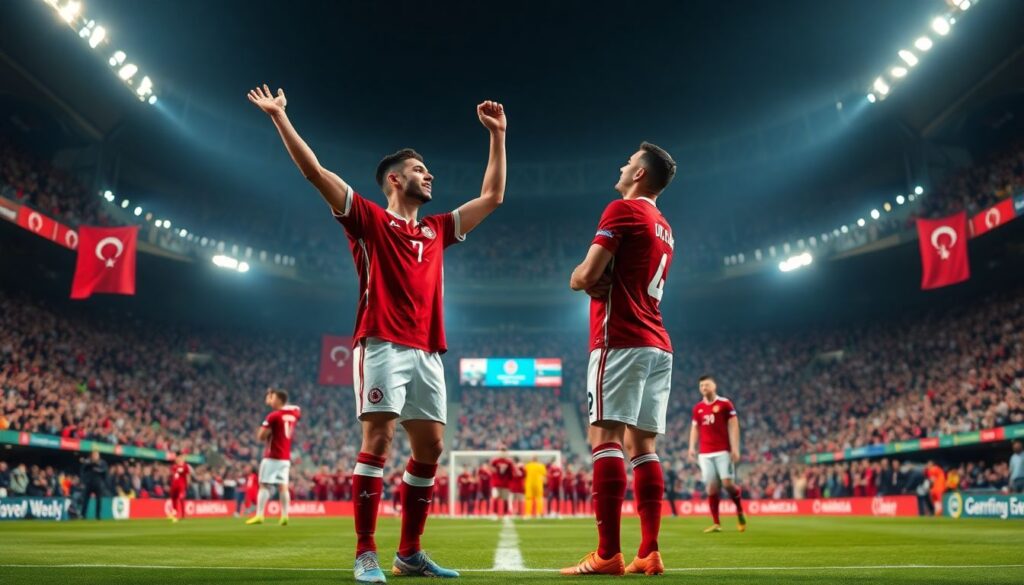
Careers of Turkish players in England show both inspiring successes and clear warning signs. These patterns help refine recruiting and development decisions.
Examples of positive impact and successful adaptation
- Technically gifted playmakers thriving in structured systems
Turkish midfielders who joined clubs with clear positional play principles often improved quickly: they received predictable support angles, lines of passing and pressing instructions that matched their strengths from Istanbul and European competitions. - Versatile wide players adding unpredictability
Turkish wingers who could switch flanks, play as number 10s or even false nines offered tactical flexibility. Coaches used them as wild cards to change the flow of games from the bench, especially against opponents unprepared for central overloads. - Leaders transferring big-derby experience
Players used to the pressure of Galatasaray-Fenerbahçe or Beşiktaş derbies handled Premier League intensity relatively well. Their knowledge of managing hostile atmospheres helped younger teammates during title races or relegation battles. - Culturally agile diaspora players
Those raised or long-based in Western Europe usually adapted to English dressing-room culture, media obligations and tactical language faster, reducing off-pitch friction and allowing focus on performance.
Common risks and limitations observed in failed spells
- Underestimating physical and tempo demands
Some Turkish Premier League players in England arrived from slower leagues and needed too long to adjust to pressing intensity, aerial duels and second-ball chaos. Without tailored fitness planning, their confidence and minutes dropped quickly. - Poor role definition by coaches
Playmakers signed to create between lines were sometimes asked to track full-backs or operate as pure wingers. Misalignment between profile and role turned strengths into perceived weaknesses. - Language and communication barriers
Limited English, especially in central roles, caused issues in organising pressing, set-piece marking and on-pitch corrections. Without strong bilingual teammates or staff, tactical ideas were lost in translation. - Media pressure and unrealistic expectations
Arriving as one of the top Turkish football stars in English Premier League coverage can build hype that outpaces realistic adaptation curves. Fans and press may judge too early, especially after a couple of quiet games. - Injuries during adaptation phase
If a player gets injured in the first months, they miss the crucial learning period for tempo and tactical automatisms, making it harder to regain both spot and confidence later.
Commercial and cultural impact: fanbases, branding and market shifts
Beyond tactics, Turkish players influence how clubs interact with supporters, brands and new markets.
- Overestimating instant market growth
Signing one Turkish star does not automatically deliver huge commercial returns in Türkiye. Without Turkish-language content, friendly matches, or sponsor activation, shirt sales and viewing figures often stay below expectations. - Ignoring diaspora dynamics
Large Turkish communities in London, Birmingham and other cities respond strongly to visible role models. Clubs that fail to connect locally-through community events or targeted ticketing-miss a realistic source of new match-going fans. - Assuming cultural homogeneity
Not all Turkish players share the same background: Istanbul-born, Anatolian, German-Turkish or Dutch-Turkish profiles may relate differently to media and fan engagement. Treating them as a single marketing archetype leads to awkward campaigns. - Undervaluing social media leverage
Some players bring large followings from Süper Lig clubs. If clubs do not integrate this into their digital strategy-joint content with Turkish partners, bilingual posts, carefully timed announcements-the added exposure remains underused. - Mismanaging derby narratives
Fans in Türkiye follow how their former idols perform abroad, often emotionally. Clubs that understand these storylines can build positive narratives; those that ignore them sometimes face unnecessary friction with overseas fanbases.
Talent pipeline: scouting, academies and the transfer mechanics
Creating a sustainable flow of Turkish talent to England requires more than one-off signings. It depends on coordinated scouting, academy links and realistic transition plans.
From a structural perspective, pathways often follow three channels: direct moves from the Süper Lig, transfers of Europe-developed diaspora players, and early-academy recruitment into English youth systems. Each path has different regulatory, cultural and tactical implications for clubs and players.
Below is a simplified pseudo-process showing how a modern Premier League club might integrate Turkish prospects into its recruitment and development strategy.
- Profile definition
The recruitment department identifies priority positions-e.g., left-footed right winger, deep-lying playmaker-with benchmark metrics based on existing Premier League performers. - Data and video pre-filter
Analysts run Süper Lig and Bundesliga 2 databases to find Turkish or Turkish-rooted players matching physical and technical thresholds. They review 8-10 full-match videos per target, focusing on off-ball behaviour and adaptation to different game states. - Contextual background checks
Staff analyse language level, previous moves abroad, injury history and psychological reports. They speak with former coaches at Istanbul or German academies to understand work ethic and resilience. - Trial phase or bridging loan
If direct first-team integration seems risky, the club signs the player but loans them to a Championship or Belgian/Dutch club with similar playing style to test adaptation to intensity and lifestyle. - Gradual integration plan
On return, the player begins with domestic cup games and late substitutions. Tactical briefings and video sessions emphasise key differences from Süper Lig: pressing triggers, defensive transitions and refereeing style. - Long-term development and market positioning
If successful, the club builds commercial and academy links with Turkish partners-joint camps in Istanbul, scouting tournaments, language support-to keep the pipeline sustainable rather than isolated.
Mini-case: designing a club-Türkiye pathway
Imagine a Premier League club in London looking to systematise recruitment of Turkish talent:
- It signs a respected Turkish assistant coach with English fluency to act as cultural and tactical bridge.
- It partners with two Istanbul academies, agreeing annual talent ID camps and coach exchanges.
- It targets one senior and one U19 Turkish player per two-year cycle, focusing on profiles that fit the club’s pressing and positional style.
- It produces bilingual content and invites local Turkish community groups to matches featuring these players, reinforcing both performance and commercial value.
Practical questions about Turkish players’ presence in England
How many Turkish players have featured in the Premier League overall?
The number is relatively small compared with major football nations, but it spans multiple eras and club levels. Instead of volume, their relevance comes from specific tactical roles, iconic moments and the symbolic bridge they create between English football and Türkiye.
Why do some highly rated Turkish stars struggle after moving to England?
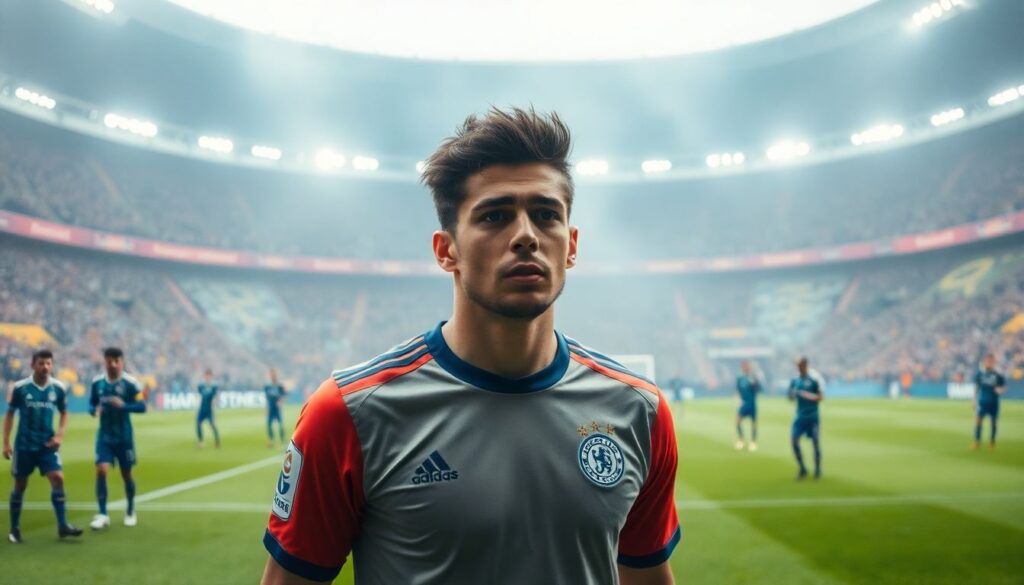
Problems usually come from a mix of tempo and physicality shock, unclear tactical roles and cultural or language barriers. Without tailored support during the first season, even technically elite players can fail to show their level consistently.
Which types of Turkish players fit the Premier League best?
Profiles with high work rate, tactical discipline and previous experience in high-intensity leagues adapt faster. Versatile wingers, box-to-box midfielders and deep-lying playmakers with good defensive awareness tend to translate better than purely individualistic dribblers.
How should scouts in Türkiye present players to English clubs?
Reports must focus on repeatable metrics and tactical habits rather than highlight clips. Emphasise pressing intensity, running data, decision-making under pressure, and specific examples of adaptation to different match scenarios and game states.
Do Turkish players mainly arrive from Süper Lig or from European academies?
Both routes matter. Some come directly from major Turkish clubs, while others grow in German, Dutch or other European academies before crossing to England. Diaspora-developed players often find it easier to adjust off the pitch.
What can English clubs do to improve success rates of Turkish signings?
Provide language support, clear tactical onboarding, and realistic expectations during the first season. Using mentors-either senior Turkish players or staff who understand both cultures-reduces off-field stress and accelerates performance adaptation.
Is signing a Turkish star an effective strategy to grow a club’s brand in Türkiye?
It can help, but only within a broader plan. Without Turkish-language media, local partnerships and authentic engagement with fans in Türkiye and the diaspora, the commercial impact of one signing will stay limited.